The Importance of Internal Paper Integrity
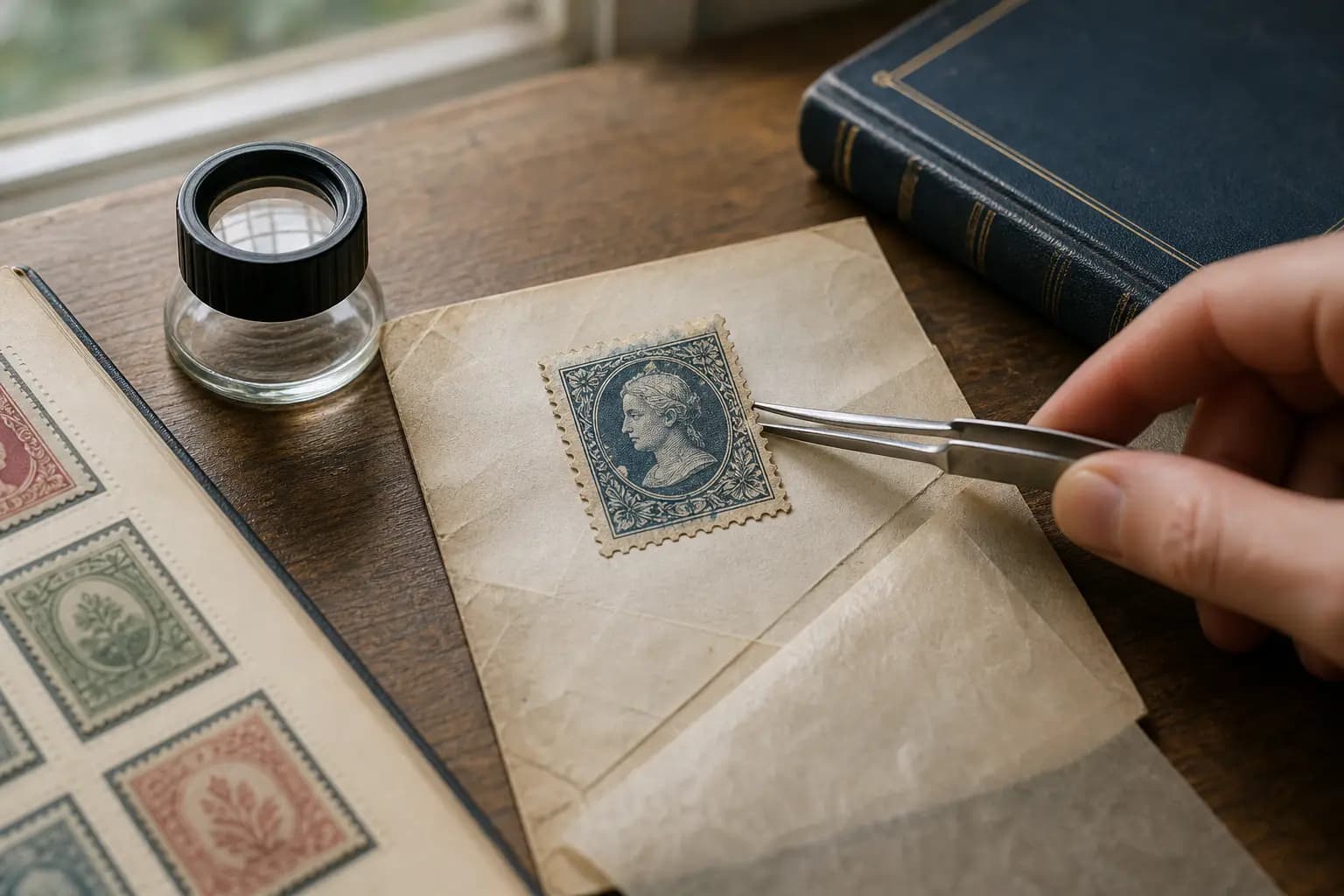
When evaluating postage stamps, collectors often focus on the design on the face of the stamp. However, the physical integrity of the paper itself is a critical factor in determining a stamp's true condition and value. A stamp that appears pristine from the front may actually harbor hidden structural damage, such as paper thins, creases, or small tears. These defects can drastically alter the grade and desirability of a philatelic item, making it essential for collectors to look beyond surface-level aesthetics.
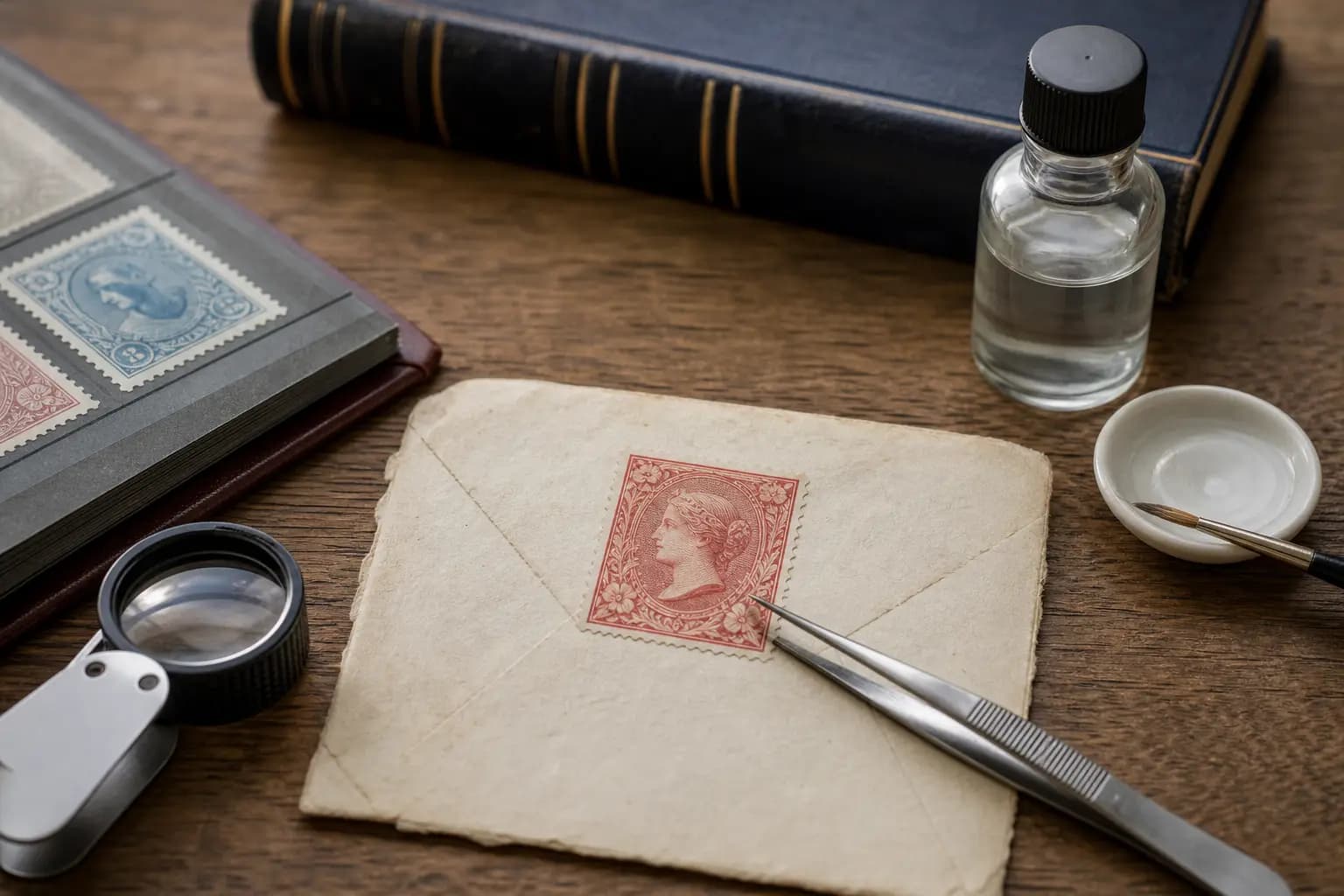
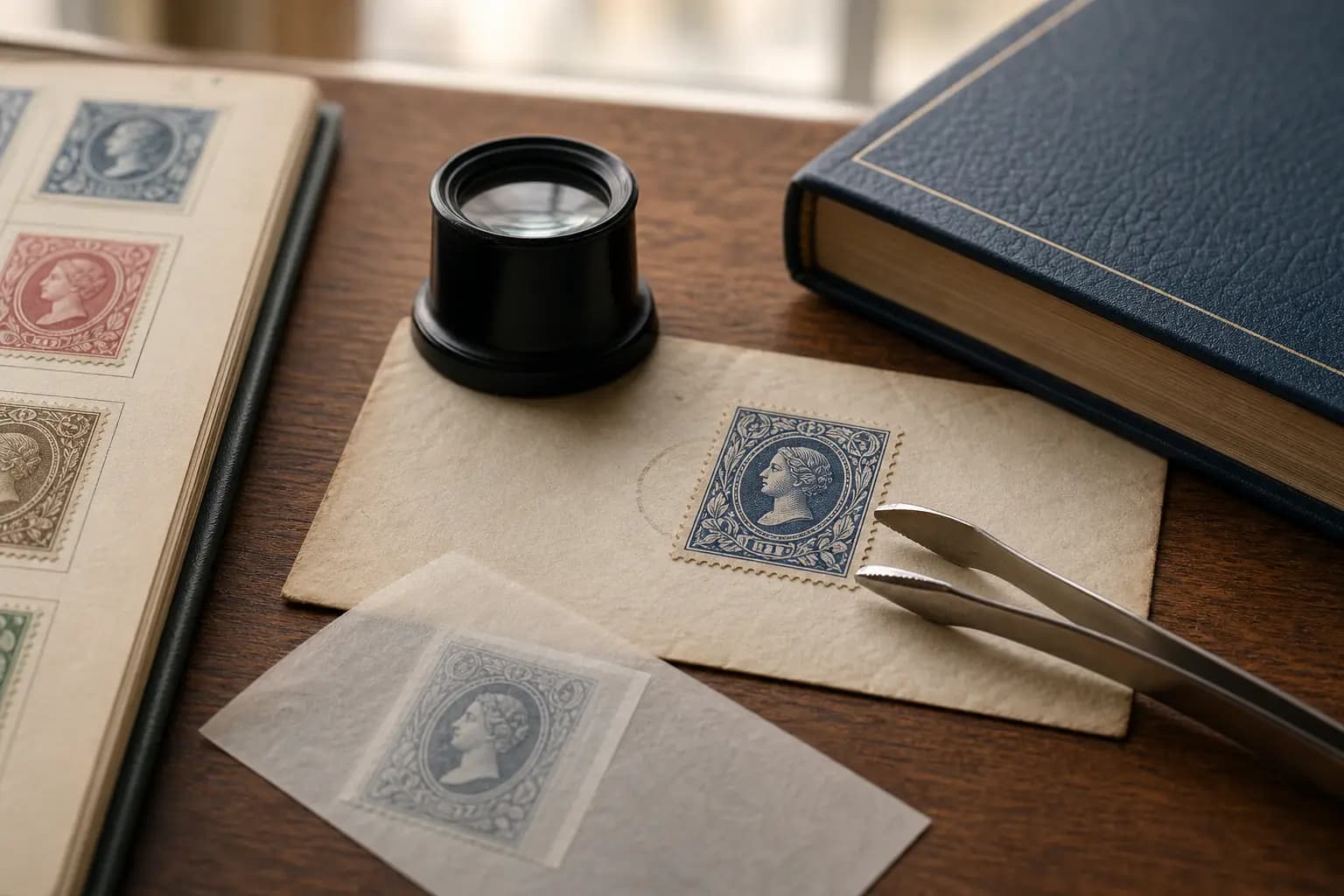
To uncover these hidden anomalies, experienced philatelists rely on a process known as dipping. By placing a stamp in a specialized fluid, collectors can inspect the paper's internal structure. This method not only helps identify security watermarks that distinguish rare varieties from common look-alikes, but it also exposes physical faults that are completely invisible to the naked eye under normal dry conditions.
How Watermark Fluid Reveals Hidden Damage
Watermarks are security measures incorporated into stamp paper during manufacturing to deter counterfeiting. They are formed using dies attached to the frame that holds the paper pulp, resulting in slightly thinner areas in the paper. Because these areas are thinner, they react differently when exposed to liquid. This same physical principle makes watermark fluid an exceptional tool for detecting accidental damage.
When a stamp is moistened, the liquid fills the paper fibers. In areas where the paper is naturally thinner due to a watermark, or unnaturally thinner due to a thin—a spot where paper fibers have been pulled away, often by the improper removal of a hinge—the fluid pools differently. This causes the thin areas to stand out as dark lines or spots against a lighter background. Creases and small paper fractures also become highly visible under these conditions.
Step-by-Step Guide to Dipping Stamps Safely
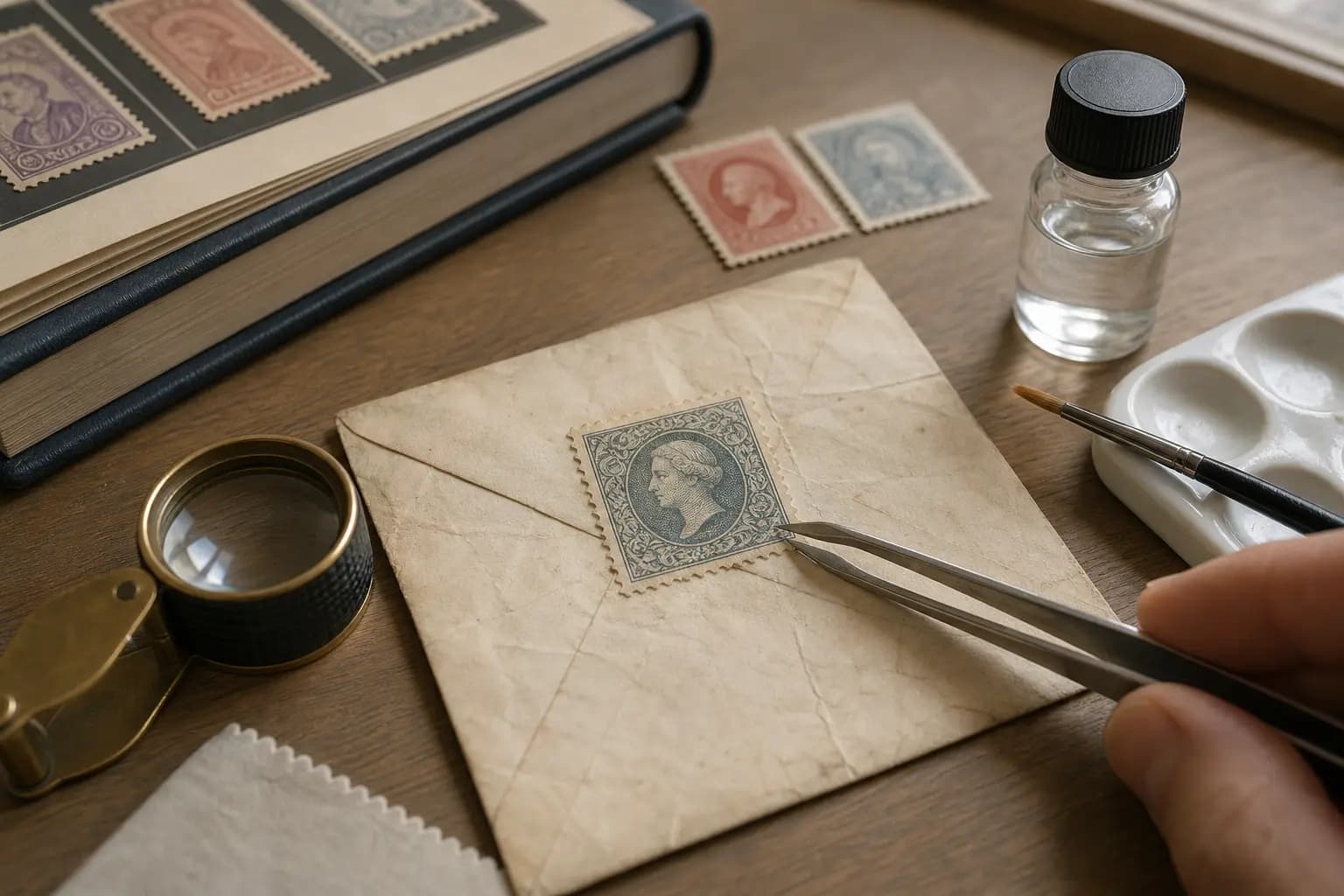
To safely analyze a stamp for watermarks and structural faults, you must follow a careful, non-destructive process. Begin by placing the stamp face down in a clean, dark-colored watermark tray. The dark background of the tray is essential, as it provides the necessary contrast to see the subtle variations in paper density once the fluid is applied.
Next, gently moisten the back of the stamp with a few drops of watermark fluid. As the liquid spreads across the paper, observe the back of the stamp closely. The watermark design—or any hidden thins and creases—should quickly reveal itself. Once your inspection is complete, remove the stamp carefully. Safe commercial watermark fluids are formulated to evaporate rapidly, leaving the paper dry and ensuring that the original gum on an unused stamp remains completely unaffected.
Selecting Safe Fluids and Equipment
Choosing the right fluid is critical to preserving your collection. While some collectors historically used lighter fluid for watermarking, the American Philatelic Society (APS) strongly recommends using dedicated commercial watermark fluids. Lighter fluid can pose health hazards and safety risks. To address this, the APS helped develop and currently uses Clarity watermarking fluid, which is designed to be safer for both your personal health and your stamps.
There are also mechanical devices available on the market, such as the Safe Signoscope and the Morley Bright Watermark Detector. These tools use optical or mechanical pressure to reveal watermarks without using liquids. However, for many professional expertizers and experienced collectors, nothing beats the clarity and reliability of traditional watermark fluid when it comes to identifying minute paper faults like thins and creases.
Distinguishing Varieties and Documenting Your Collection
Detecting watermarks is often the only way to separate a common stamp from a highly valuable variety. For example, United States stamps issued between 1895 and 1916 feature different watermark styles, such as the double-line USPS watermark (used from 1895 to 1910) and the single-line USPS watermark (used from 1910 to 1916). Other U.S. philatelic materials may feature watermarks like USPOD, USA, or USIR on revenue stamps. Because these watermarks can be incredibly difficult to see, fluid analysis is indispensable.
Once you have completed your fluid analysis and identified the presence of a watermark or a paper fault, it is important to document your findings. You can use StampSnap to help create a likely identification or a digital collection record of your stamp, noting its watermark type and physical condition. Keeping detailed records ensures that you maintain an accurate inventory of your collection's physical state, which is vital for future organizing.
The Limits of Visual Identification
While some stamp variations can be identified through external design details—such as the 1886 North Borneo stamp paying POSTAGE versus the 1887 version paying POSTAGE & REVENUE, or the 1918 Liechtenstein commemorative featuring dates in the upper corners—paper structure requires a different level of scrutiny. Visual identification alone is not always conclusive when it comes to determining a stamp's physical soundness.
If a visual inspection or a quick scan leaves you uncertain about a stamp's condition, taking the time to perform a safe fluid test is the best path forward. By integrating watermark fluid analysis into your regular sorting routine, you protect yourself from overvaluing damaged material and gain a deeper appreciation for the physical history of your collection.
Frequently asked questions
Can watermark fluid damage the original gum on an unused stamp?
No, safe commercial watermark fluids are formulated to evaporate rapidly, which ensures that they do not impact or dissolve the original gum on an unused stamp.
What is a paper thin on a postage stamp?
A paper thin is a structural defect where some of the paper fibers have been pulled away from the back of the stamp, often caused by the improper removal of a stamp hinge. These faults are highly visible when the stamp is dipped in watermark fluid.
Why does the American Philatelic Society recommend commercial watermark fluid over lighter fluid?
The American Philatelic Society recommends commercial watermark fluid, such as Clarity fluid, because it is specifically designed to be safer for both the collector's health and the long-term preservation of the stamps compared to hazardous alternatives like lighter fluid.