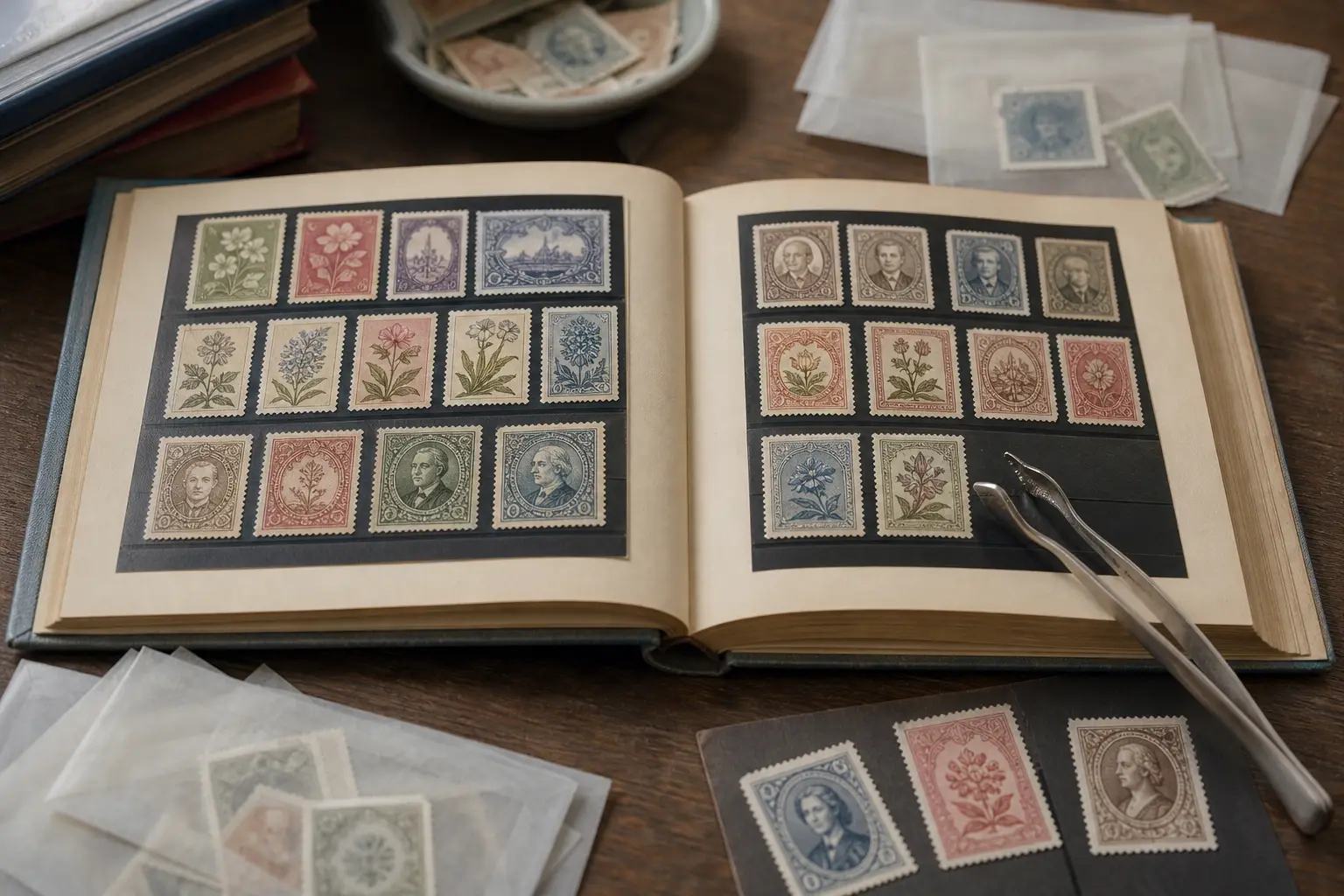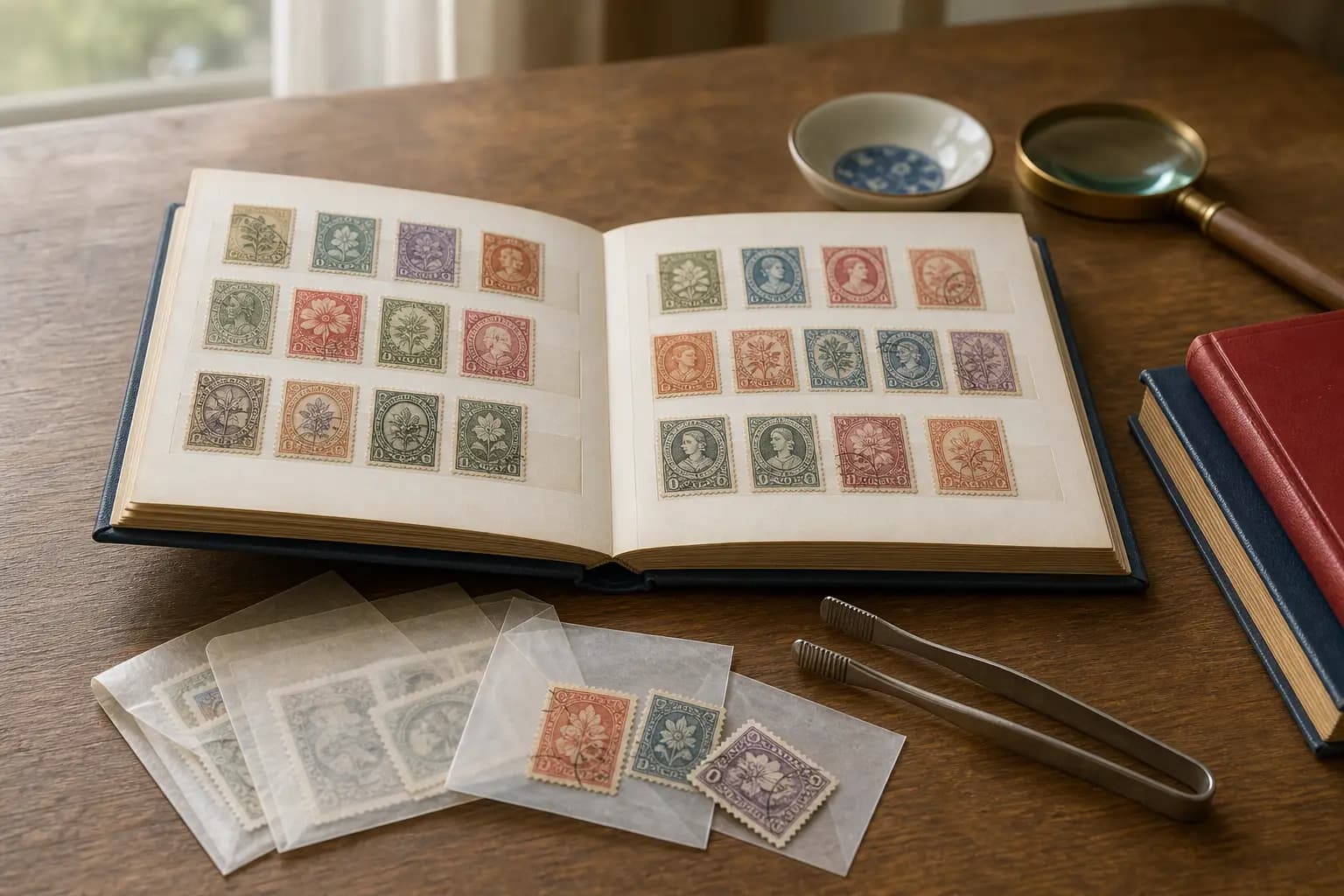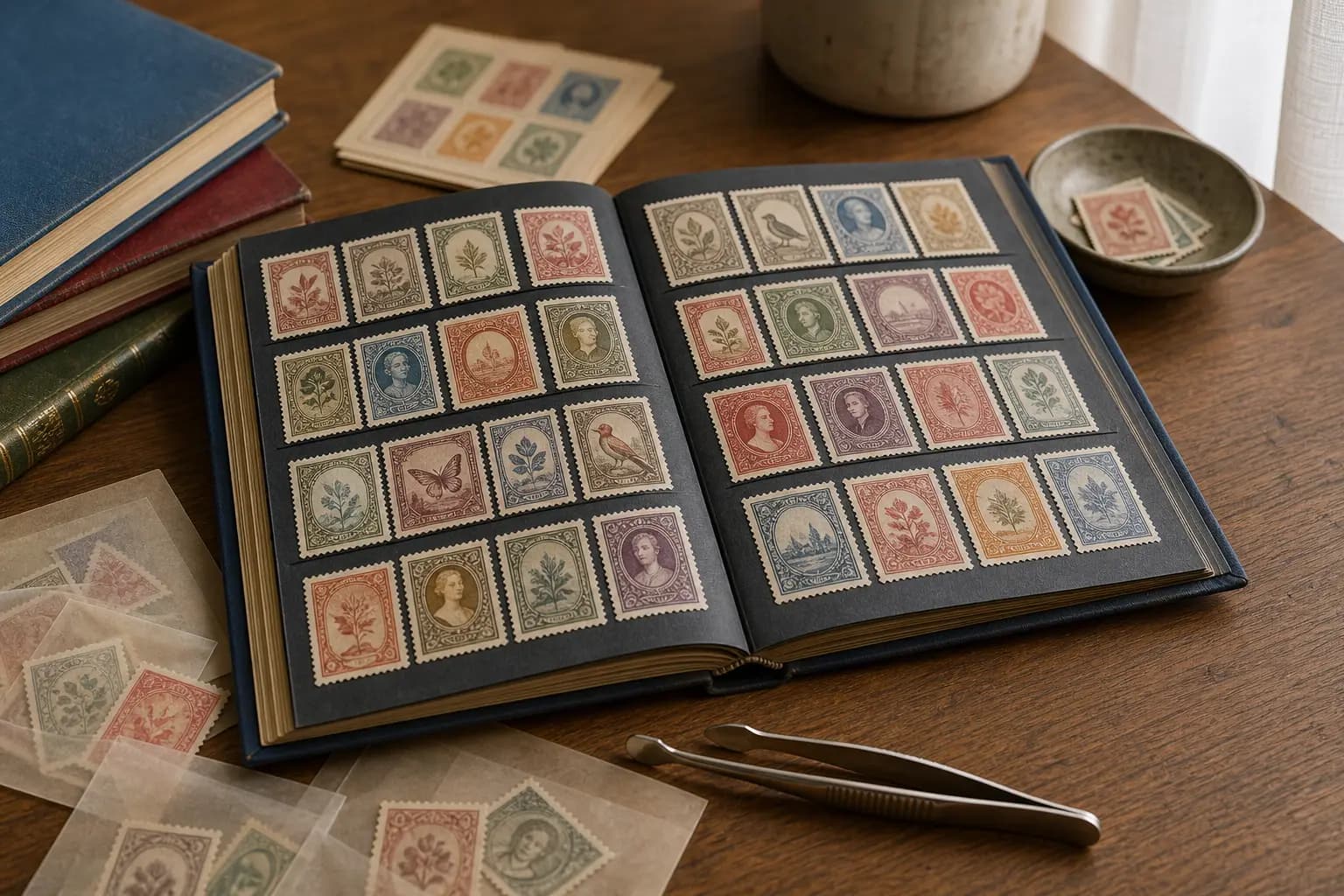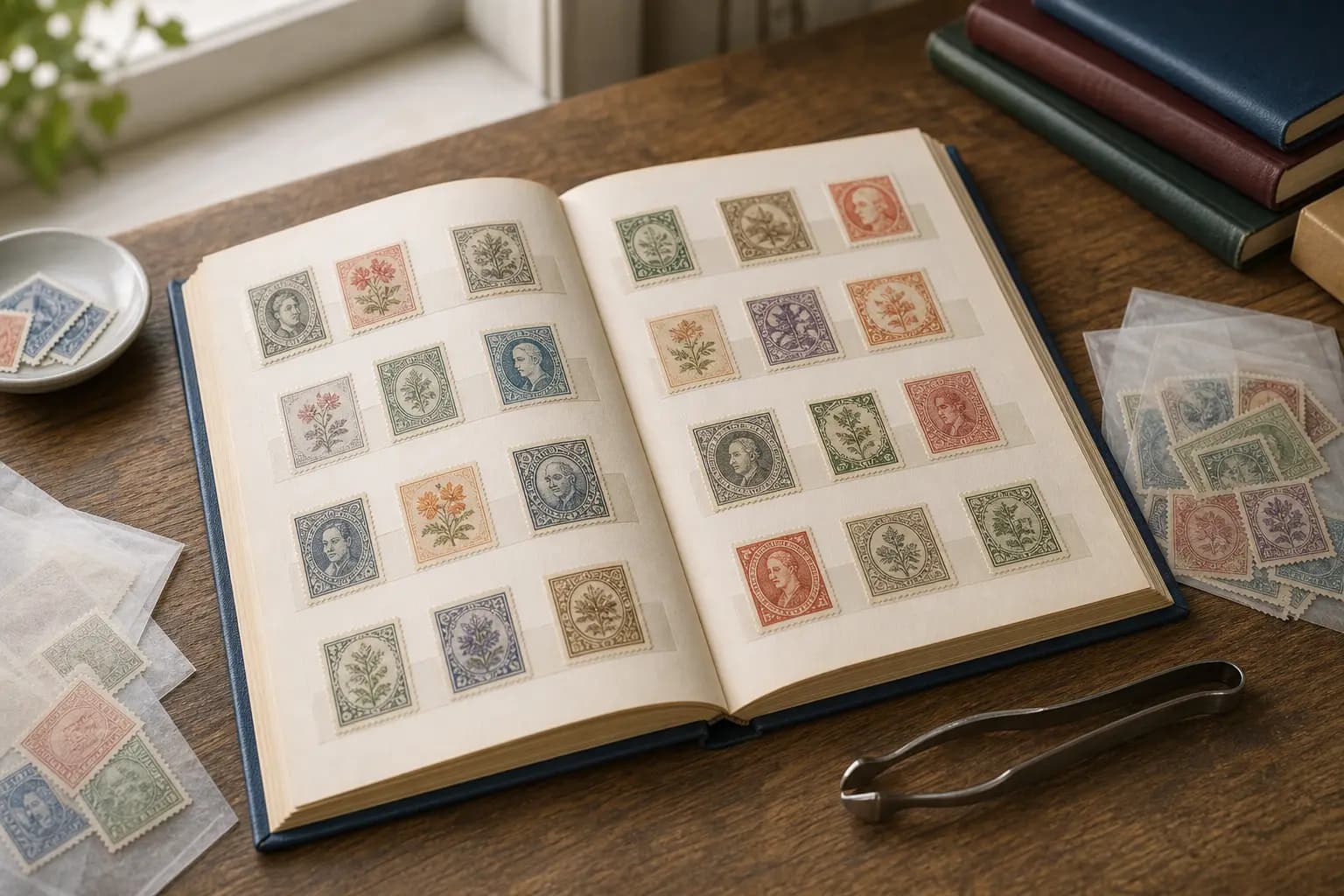
Choose an organization system you can maintain
There is no single correct way to organize stamps. Build folders by country, era, issue, topic, album, purchase lot, or research status. The best structure is the one that helps you find a stamp again and makes the next cataloging session easier.
Use subfolders when a collection grows beyond a broad group. For example, a country folder can divide by period, or a topical collection can divide by subject. Keep uncertain identifications in a review folder so they are not mistaken for confirmed records.
Search the details instead of turning every album page
Saved records make it easier to revisit a country, year, denomination, or stamp name. That is useful when checking for duplicates, preparing for a show, comparing a new purchase, or answering a question about an inherited collection.
Export a collection you still control
Create a readable PDF for sharing and a CSV for your own analysis or backup. Exports help you discuss a collection with a family member, dealer, insurer, or club without carrying every album. Keep the physical collection and independent backups as the source of truth.
Use analytics as a guide to the next task
Collection insights can reveal which countries or themes dominate your catalog and where records are still incomplete. Treat totals and estimated values as organizational signals, not audited financial statements.