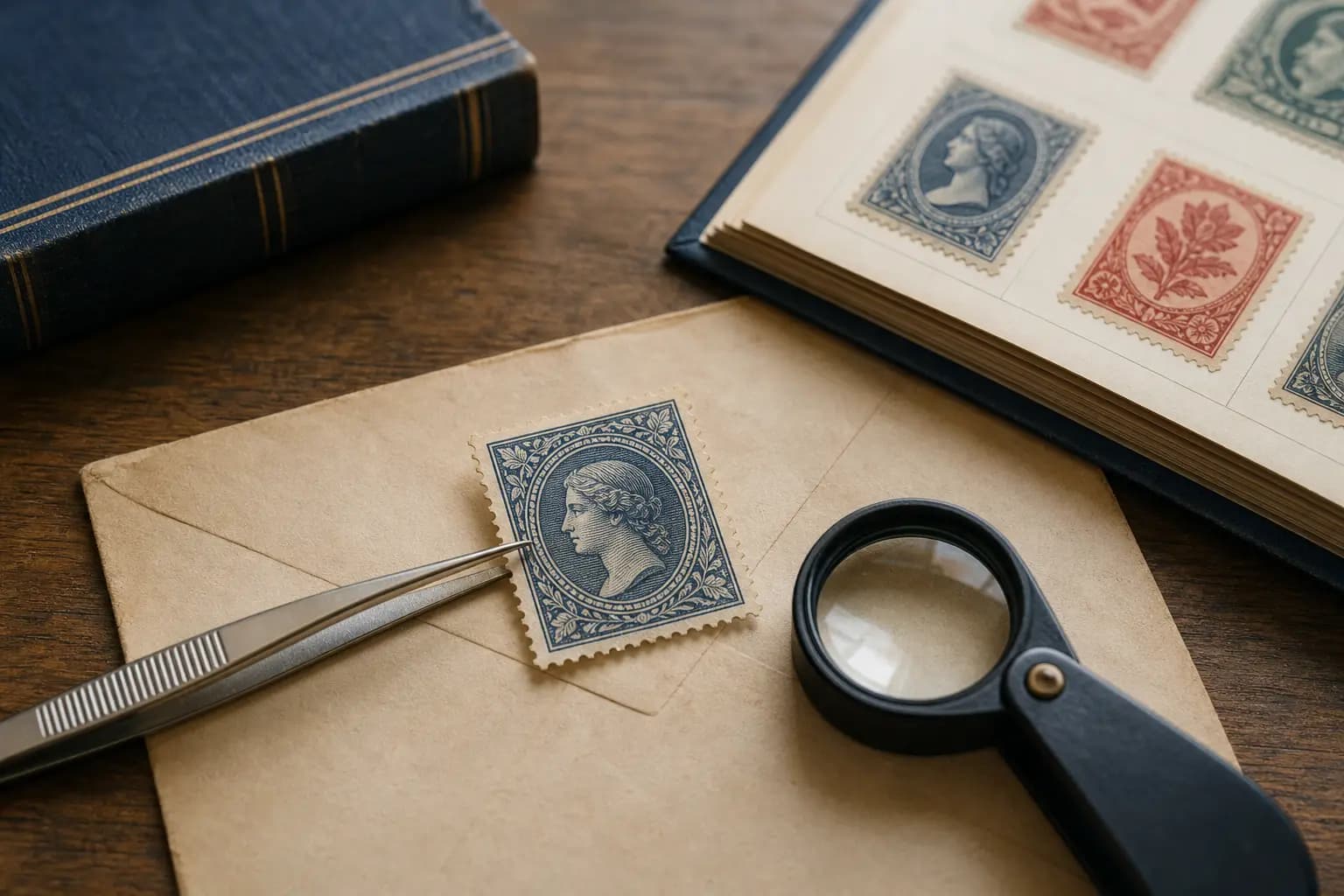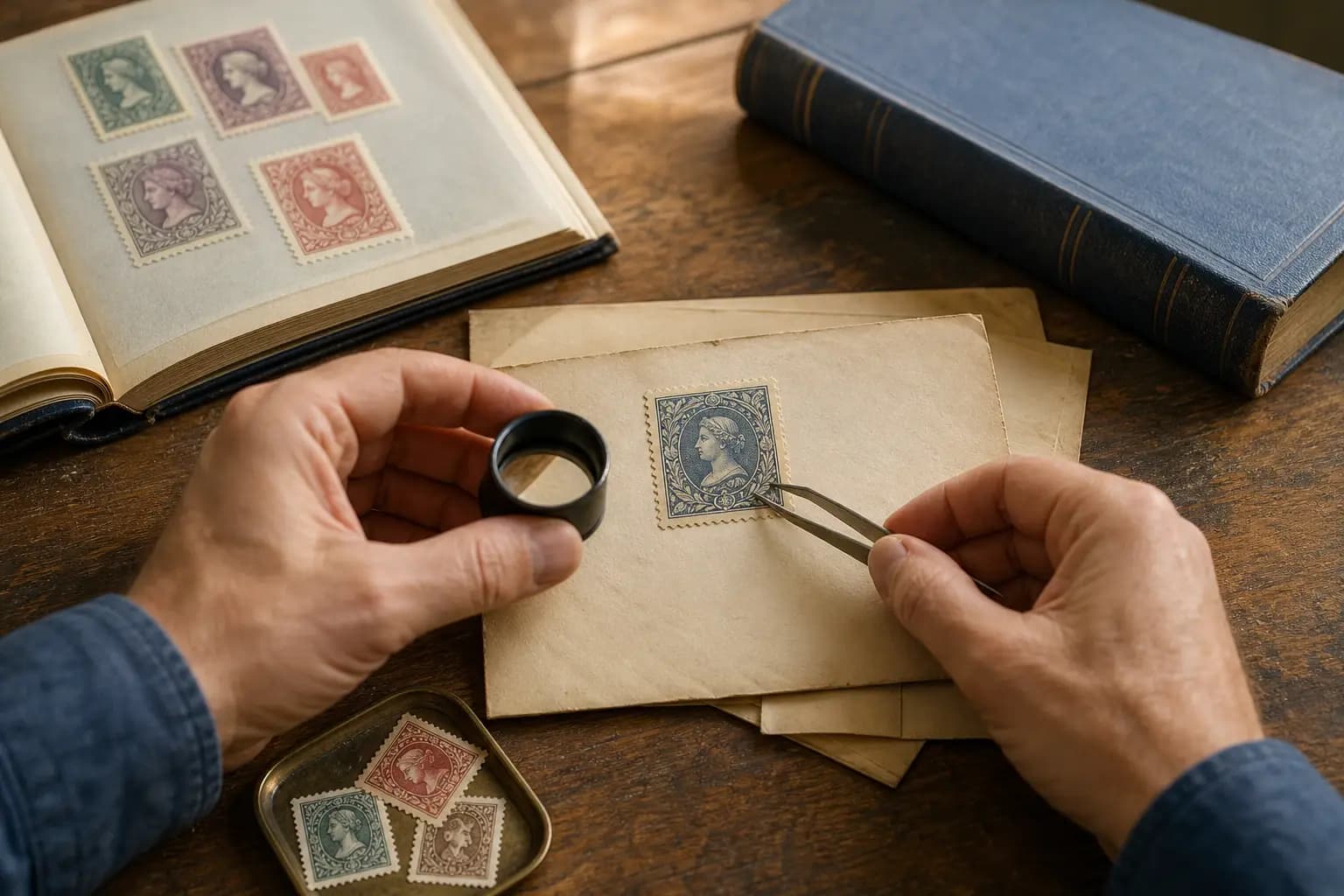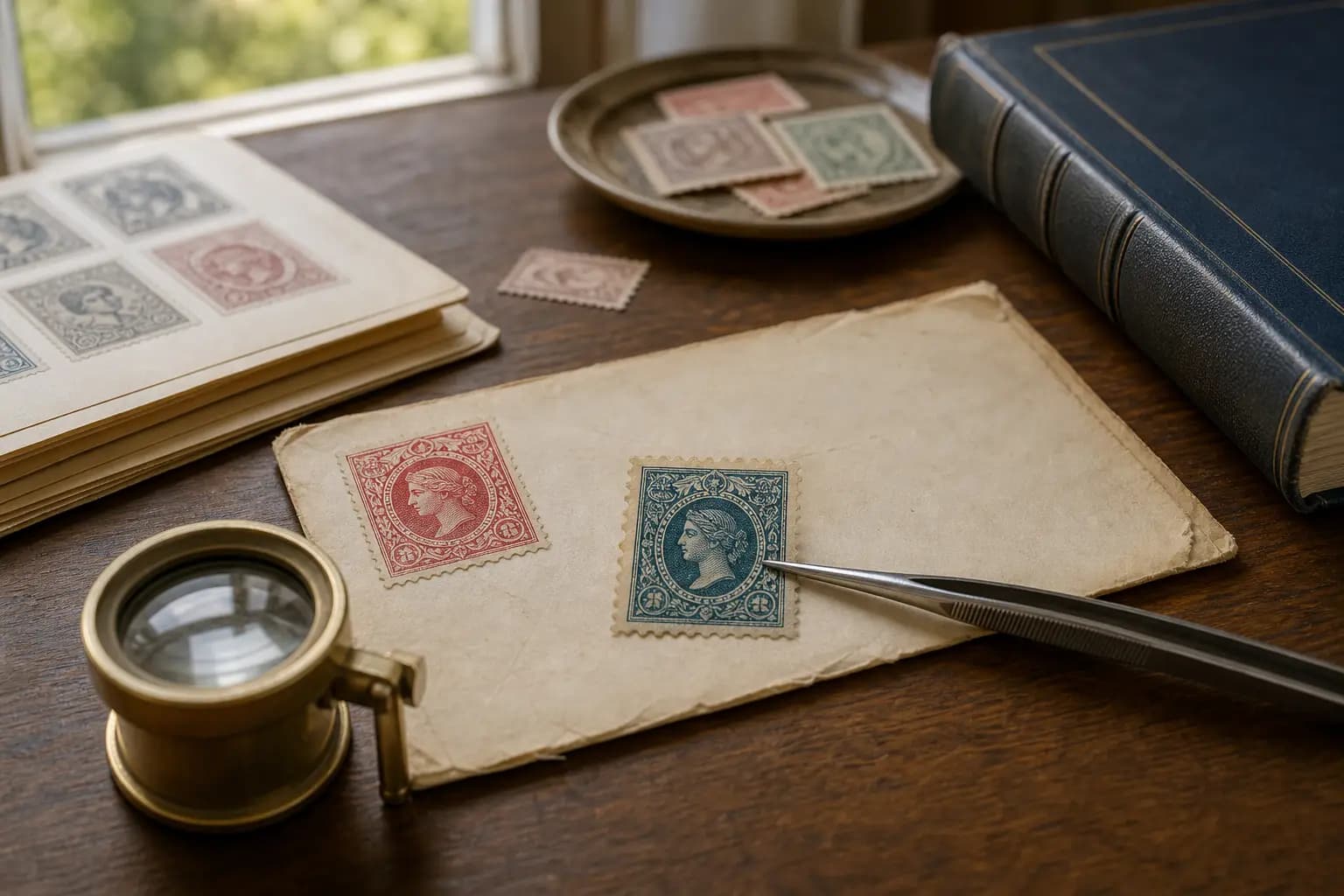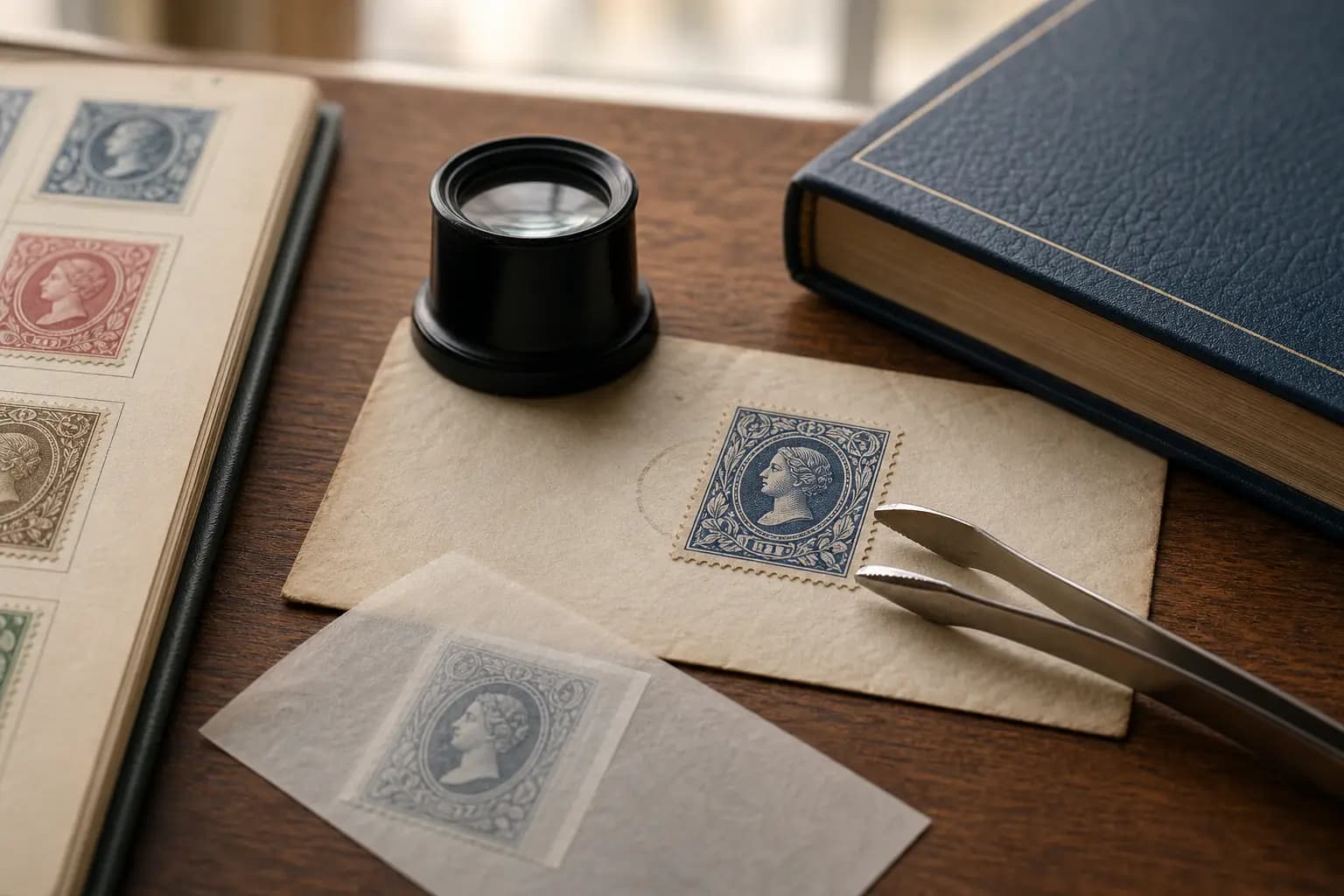
Correct identification comes before valuation
A value attached to the wrong issue is not useful. Similar stamps may vary by year, printing method, watermark, perforation, shade, overprint, or denomination. Start by confirming the issue and variety as closely as the available evidence allows.
Condition can change the comparison
Collectors consider centering, perforations, creases, thins, tears, fading, stains, gum condition, hinges, repairs, and the quality of a cancellation. A rare design with major faults may trade very differently from a sound example, while a common stamp in unusually fine condition may attract stronger interest.
A phone image can show several of these signals, but it cannot reveal every repair, regumming, paper fault, or watermark. That is why the app describes the number as an estimate and encourages verification for consequential decisions.
Catalog value and market price are not the same thing
Catalogs provide a consistent reference, but actual transactions also reflect supply, collector demand, venue, provenance, certification, and timing. When possible, compare recent sold results for the same identified variety and similar condition rather than relying on an asking price alone.
Know when to request an appraisal
If a stamp appears scarce, has a meaningful family history, or may affect an estate, insurance, or sale, ask a reputable dealer, auction house, or expertizing service to inspect it. StampSnap helps organize the evidence you bring to that conversation.