Choose the collection’s main organizing idea
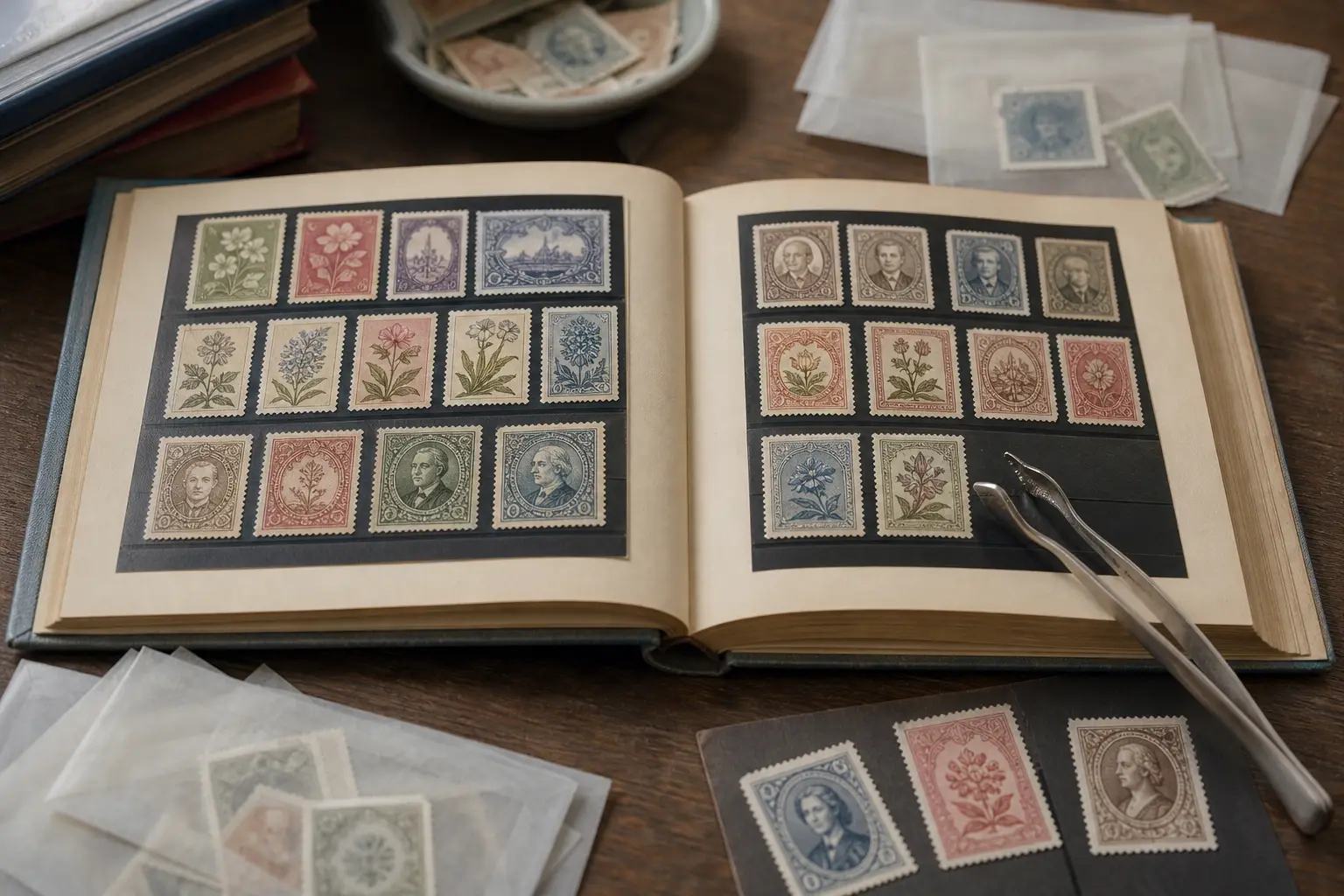
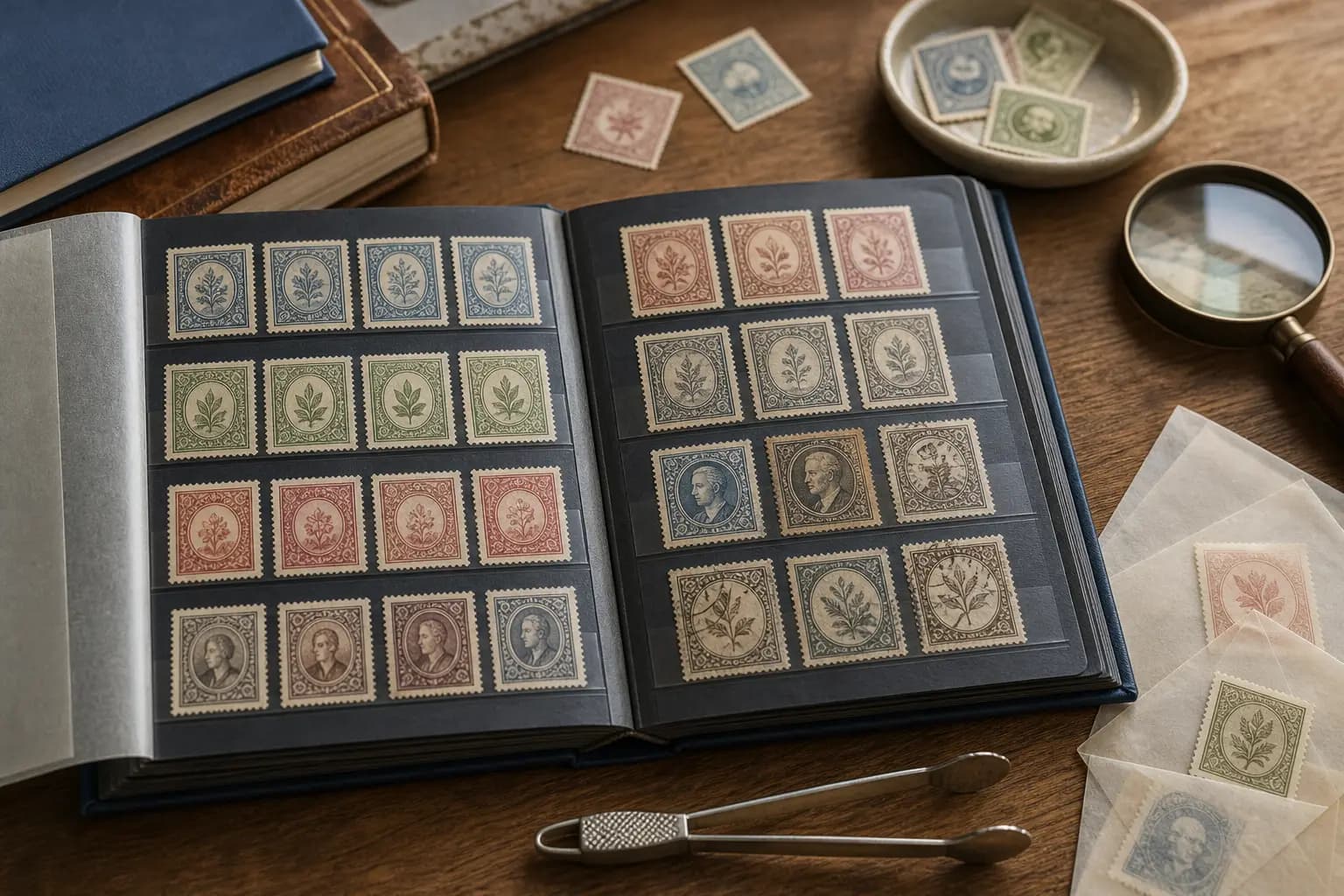
Country is familiar, chronology tells a historical story, and topical organization follows subjects such as birds, ships, space, or art. You can also organize by issue, postal use, album, acquisition lot, or research status. Choose one primary rule and use secondary folders only where they remove real ambiguity.
Separate confirmed records from work in progress
Create a review group for stamps that still need a watermark check, perforation measurement, catalog comparison, or expert opinion. Record why the identification is uncertain. That small habit prevents an early guess from becoming permanent collection data.
Use stable labels and repeatable fields
For each record, keep the country, issue or approximate year, denomination, condition note, source, and location in the physical collection. Add catalog references only when you know which catalog system they come from. A photograph is useful, but it should not be the only way to locate the physical stamp.
Back up the catalog and protect the originals
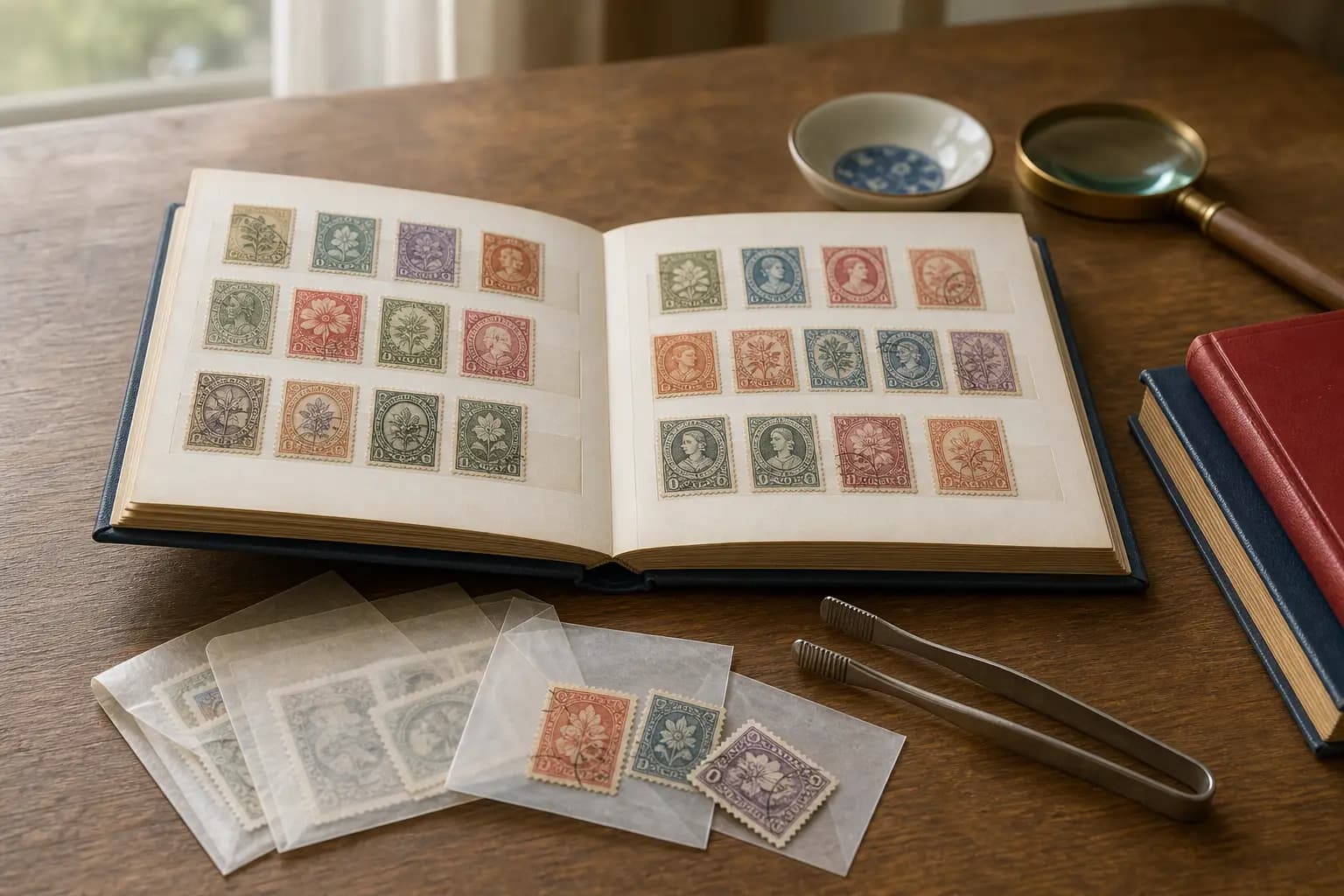
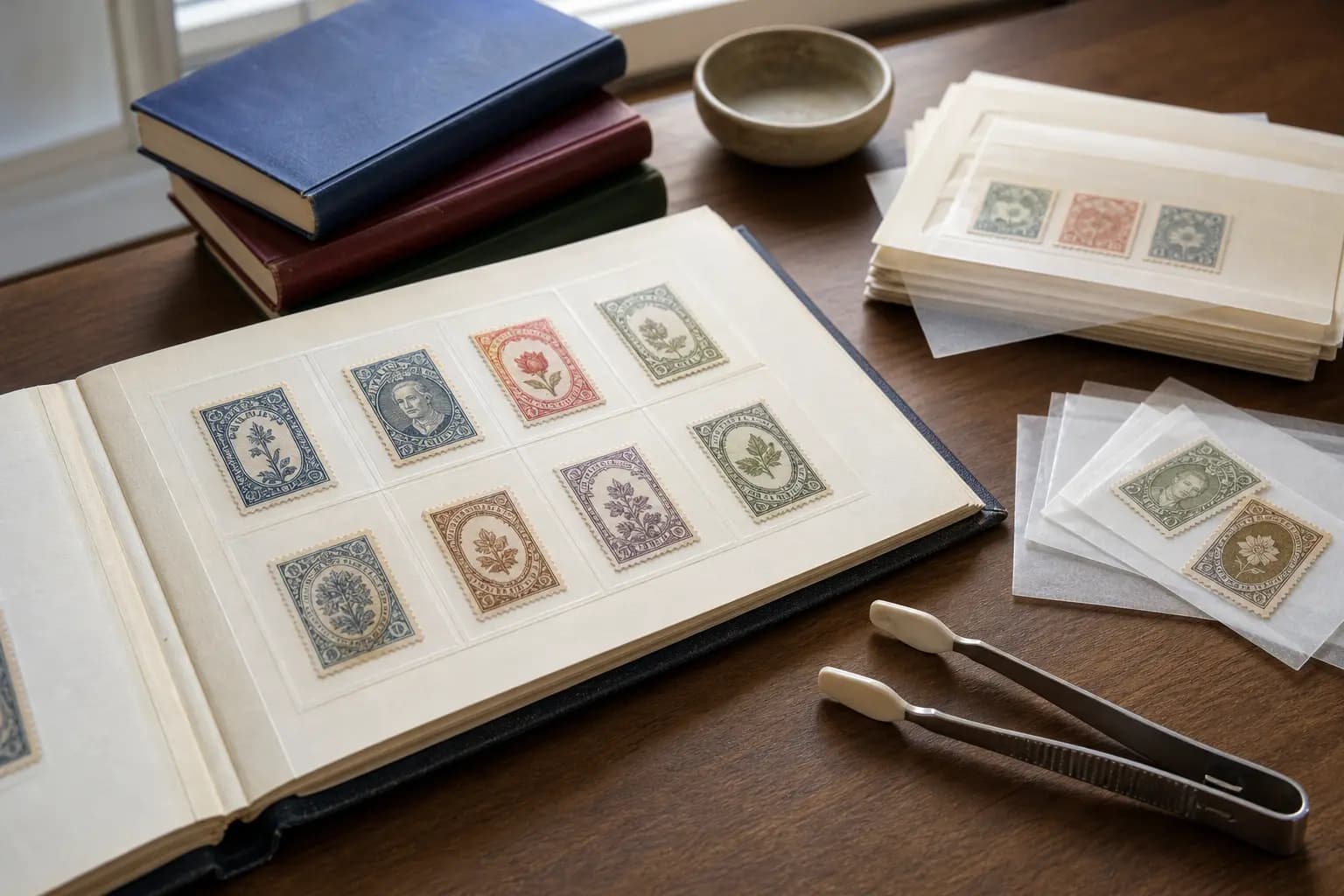
Export digital records periodically and keep a copy away from the main device. Store stamps with suitable archival materials, controlled light, and stable temperature and humidity. A catalog protects information; safe storage protects the object itself.