Introduction to Classic Stamp Identification
Identifying early postage stamps requires a methodical approach that focuses on key design elements, portrait subjects, and historical production methods. Unlike modern issues, the earliest stamps often lacked country names or distinct national labels, making visual classification a challenge for beginners. By analyzing the central portrait and understanding the security printers responsible for production, collectors can narrow down the origin of an unidentified classic. Utilizing digital tools like StampSnap can help you establish a likely identification and organize your findings, but a physical inspection remains the foundation of proper philatelic study.
Identifying Portrait Subjects on Early Issues
The choice of portrait subject on a classic stamp is one of the most reliable clues to its country of origin and era. For instance, Great Britain issued the first postage stamp in 1840, known as the Penny Black, which depicted Queen Victoria. Because Great Britain was the first nation to issue stamps, it remains the only country permitted to omit its name from its postage, instead featuring the image of the ruling monarch in place of a country name. In contrast, the United States issued its first two stamps on July 1, 1847. These classic issues featured prominent historical figures rather than living monarchs: the five-cent red-brown stamp pictured Benjamin Franklin, the first U.S. postmaster general, while the ten-cent black stamp depicted George Washington.
Recognizing the Work of Security Printers
Early postal administrations relied on private security engraving firms to print their stamps to prevent counterfeiting and ensure high-quality production. The first two United States stamps of 1847 were printed by the firm Rawdon, Wright, Hatch and Edson. These security printers utilized intricate engraving techniques that produced highly detailed portraits that are difficult to replicate. When examining classic stamps, identifying the specific style of the engraving and the characteristic lines of the printing firm can help distinguish original issues from later reproductions or look-alikes. Because these early stamps were not issued in a specific city on their first day of release, understanding the printer's production records is essential for advanced research.
Using Magnification to Examine Fine Details
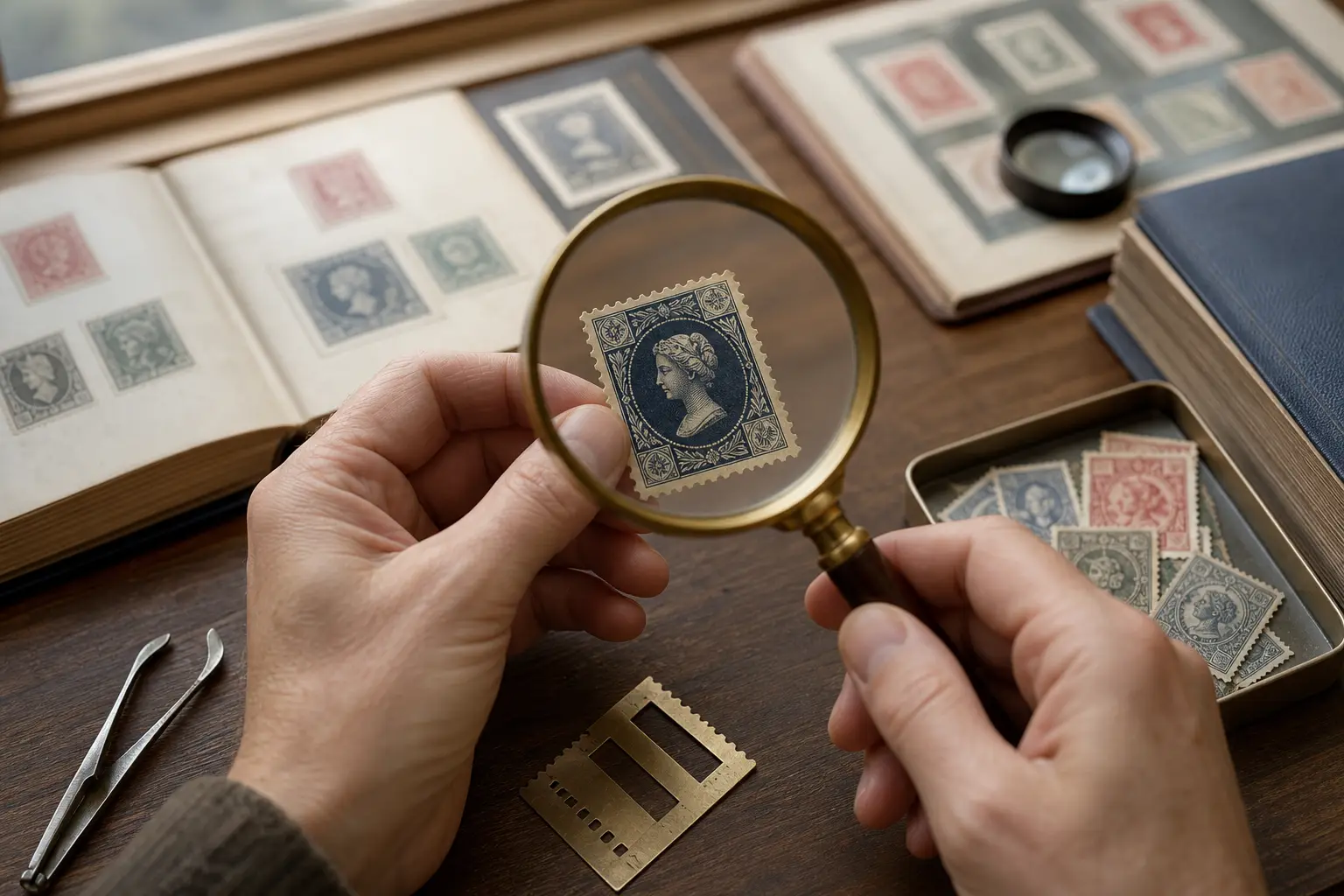
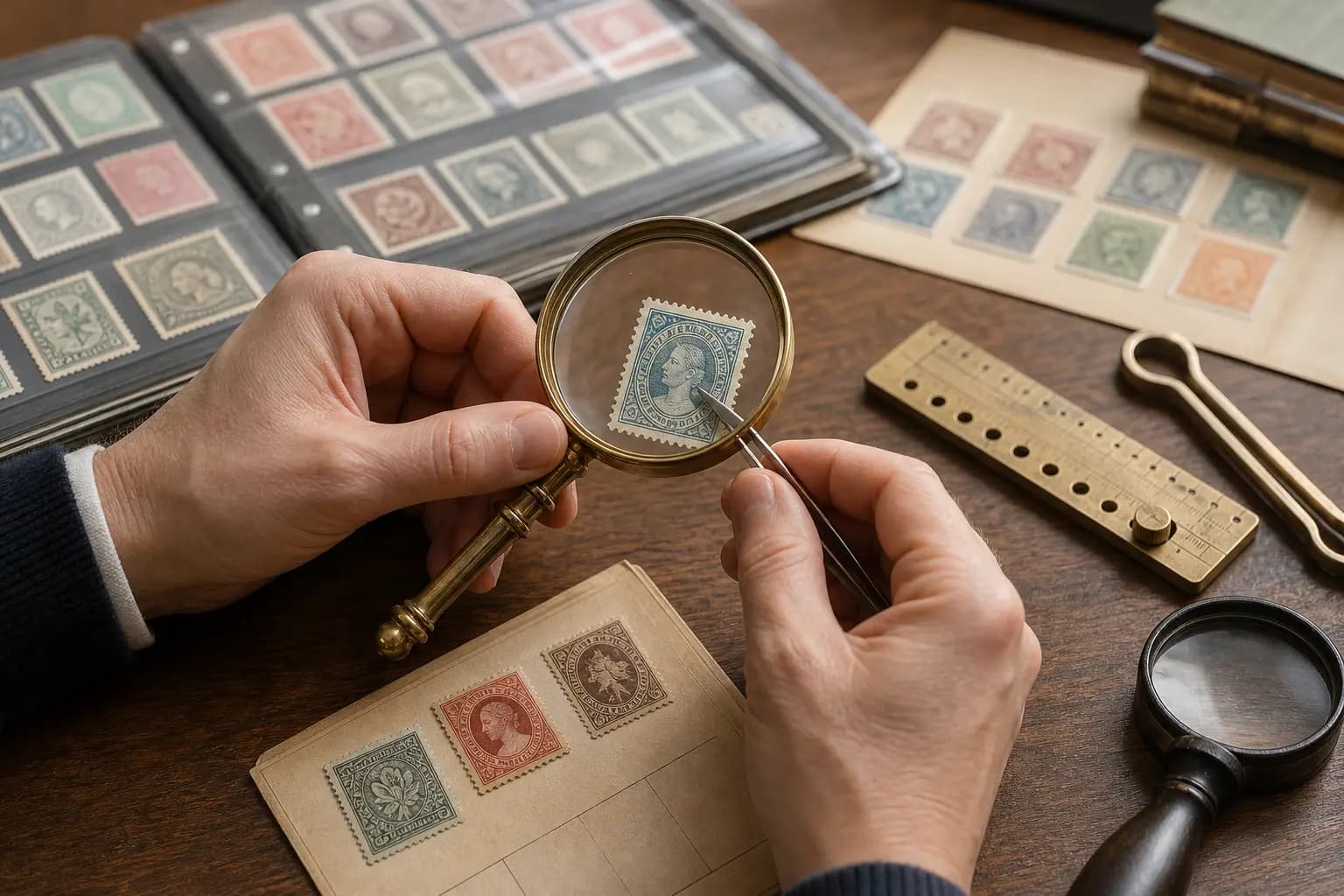
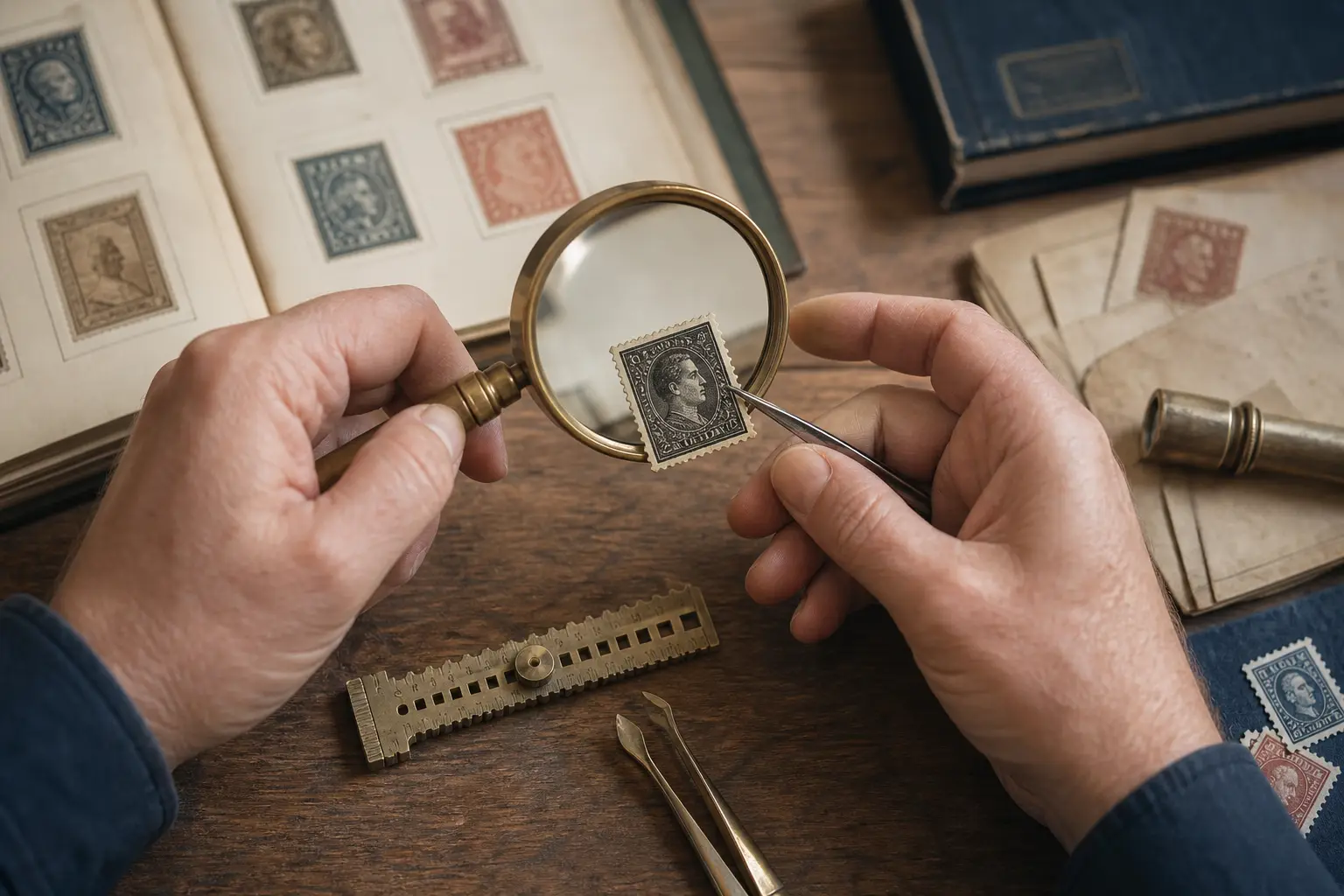
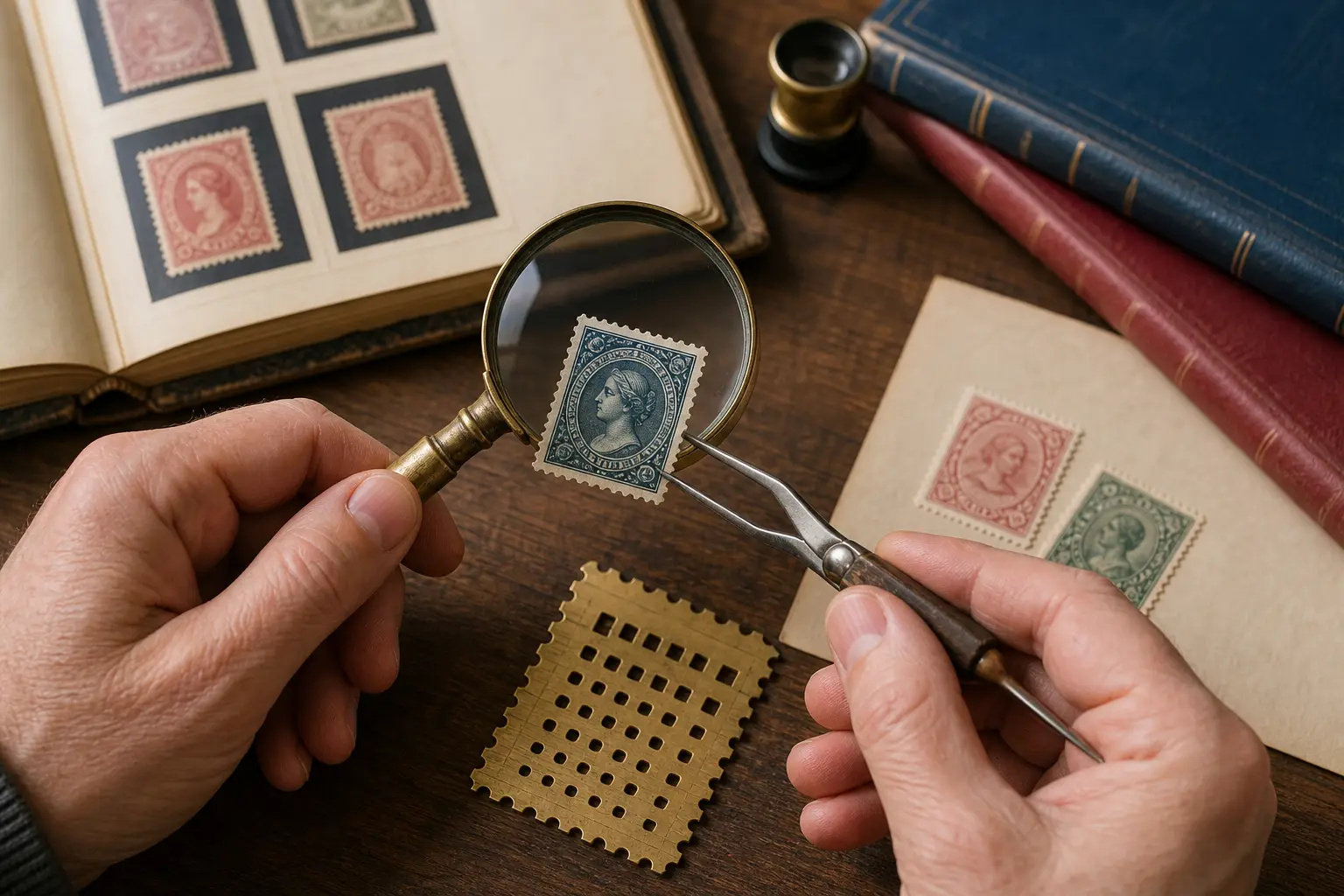
To properly analyze the intricate work of early security printers and identify the subtle differences in portrait designs, a magnifying glass is an indispensable tool. Some stamps may appear identical at first glance, but close inspection under magnification reveals small variations in the engraving lines, frame lines, or background shading. We recommend using a magnifying lens with at least 5 times to 10 times magnification to examine these details clearly without distortion. Selecting a magnifier that folds into a protective case is also a practical choice to prevent scratches on the lens. Through careful magnification, you can observe the precise lines of the portrait and the texture of the paper.
Safe Handling and Preservation of Classic Stamps
Classic stamps are fragile historical artifacts that require careful preservation to maintain their condition and value. You should handle your dry stamps as little as possible to prevent physical damage. Even after washing your hands, natural oils from your skin can transfer to the paper and cause long-term deterioration. To prevent this, always use stamp tongs with a smooth gripping surface specifically designed for handling stamps, rather than standard household tweezers. When storing your classic issues, place them in stamp albums with acid-free paper or in stock books with protective plastic or paper pockets. Never use sticky photo albums, tape, or glue, as these adhesives will cause permanent damage and decrease the stamp's value.
Researching and Cataloging Your Collection
Once you have conducted a visual inspection of the portrait and printing details, a stamp catalog is the best reference book to consult. Catalogs provide detailed illustrations, issue dates, descriptions, printing methods, and values for both used and unused conditions. You can often borrow these reference books from local libraries to assist with your research. To keep track of your growing collection, you can use StampSnap to create a digital collection record of your classic stamps. This allows you to organize your inventory safely while you continue to study the fascinating history of early postal systems, prepayment methods, and the security printers who helped shape the hobby.
Frequently asked questions
Which country issued the first postage stamp, and who was depicted on it?
Great Britain issued the first postage stamp in 1840. Nicknamed the Penny Black, this stamp depicted Queen Victoria.
Who printed the first United States postage stamps of 1847?
The first two U.S. stamps, issued on July 1, 1847, were printed by the security engraving firm Rawdon, Wright, Hatch and Edson.
Why do some early classic stamps lack a country name?
Great Britain is the only country permitted to issue postage stamps without its name because it was the first country to issue them in 1840. Instead of a country name, these stamps feature an image of the ruling monarch.
What is the safest way to handle and inspect classic stamps?
Always use stamp tongs with a smooth gripping surface to prevent skin oils from damaging the paper, and use a magnifying glass with 5x to 10x magnification to inspect fine details without touching the stamp.