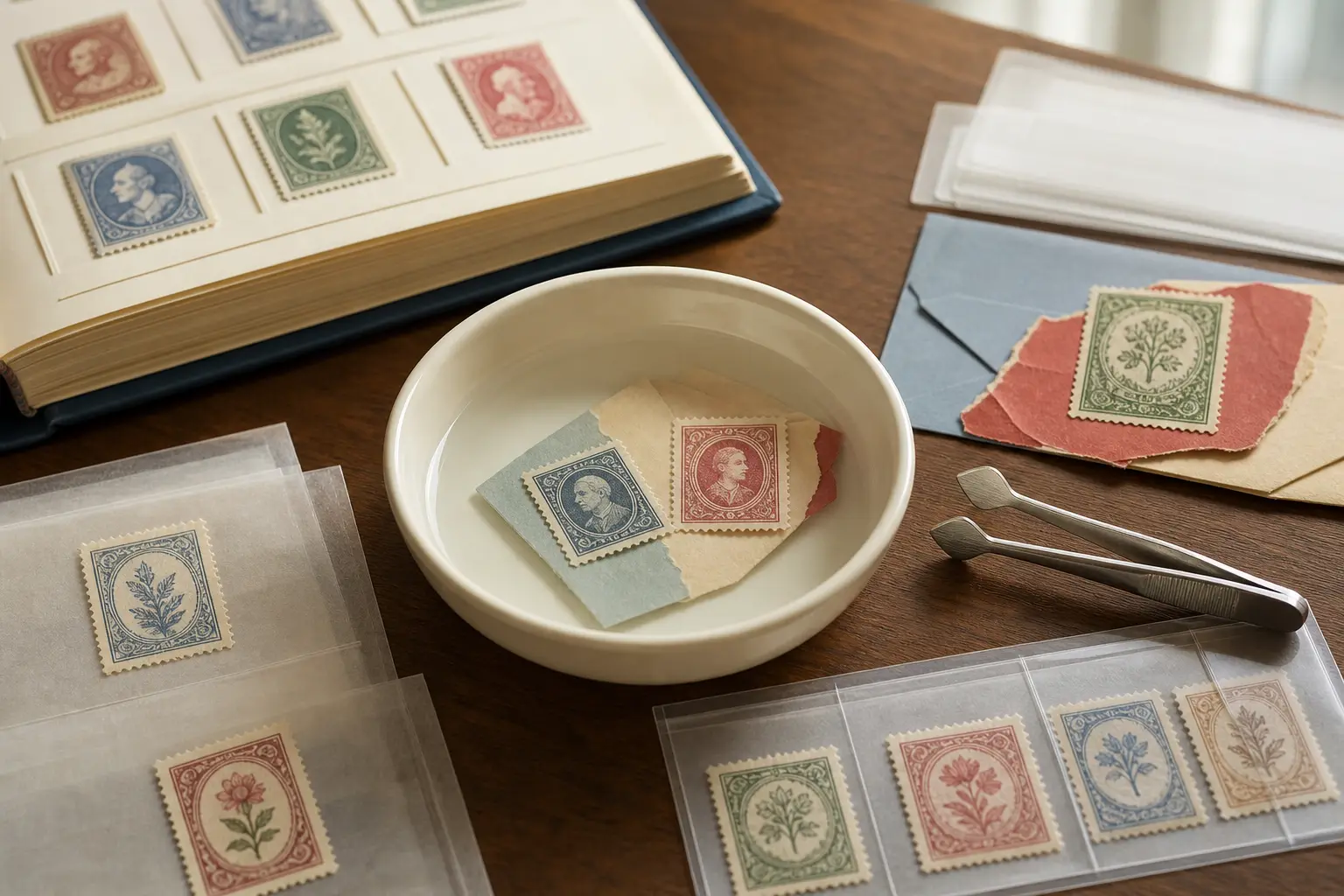
The Risk of Fugitive Dyes in Stamp Soaking
When collecting postage stamps from mailed envelopes, soaking is a highly effective method to separate the stamp from its paper backing. However, this process introduces a significant risk of color bleeding, particularly when dealing with brightly colored envelope paper. Many modern and vintage envelopes utilize highly soluble dyes that dissolve rapidly when submerged in water. If these dyes bleed into the soaking bath, they can permanently stain the stamp paper, ruining its visual appeal and reducing its historical value.
To preserve the integrity of your stamps, you must adopt a methodical approach to soaking. By understanding how dyes behave in water and isolating high-risk materials, you can safely clean your stamps without risking cross-contamination or permanent discoloration.
Identifying and Isolating High-Risk Envelopes
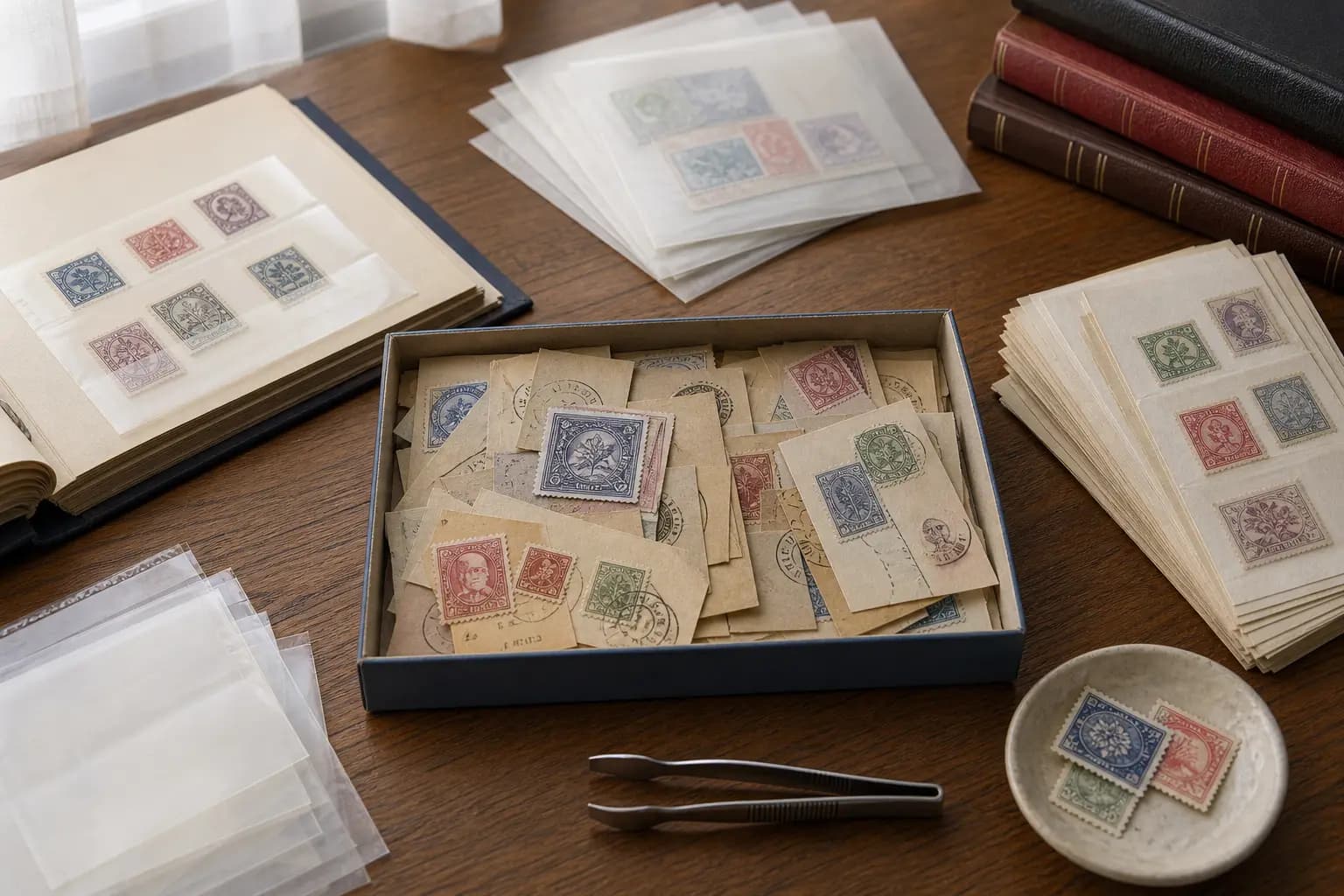
Before beginning any soaking session, a systematic sorting process is essential to safeguard your stamps. Carefully examine your envelope clippings and pull out any brightly colored envelopes, such as those made of red or green paper. Lay these high-risk clippings aside to soak separately from your standard white or manila envelope pieces.
By isolating these colored backings, you prevent bleeding dyes from contaminating the water and staining other stamps in the same batch. Even a single brightly colored envelope fragment can release enough dye to tint an entire bowl of water, ruinously transfering color to every other stamp submerged with it.
Preparing the Clippings and Setting Up the Bath
To prepare your isolated clippings, use scissors to carefully cut off the upper right-hand corner of the envelopes. Be extremely cautious not to cut into the stamp design or perforations. Next, prepare a shallow bowl filled with a few inches of lukewarm water.
It is critical to ensure the water is not hot, as hot water can severely damage the stamp paper and accelerate the bleeding of dyes. Keep your batches small so that each clipping has ample room to float freely without overlapping. This ensures that if any minor bleeding does occur, it is diluted and less likely to settle on the face of the stamp.
Managing the Soaking and Water Quality
As the clippings submerge, monitor them closely. If you are soaking multiple batches of colored paper, make it a strict habit to change your water after every two or three batches. This prevents the accumulation of dissolved dyes in the water.
After a few minutes, you will notice the stamps begin to float free from the paper backing. Be patient during this stage; never attempt to pull or peel a stamp free from the paper before it is completely ready, as doing so can easily cause irreversible tears in the softened paper fibers.
Safe Handling of Wet and Softened Stamps
Handling wet philatelic material requires extreme caution. While dry stamps should always be handled with smooth-tipped stamp tongs to prevent skin oil damage, you should never use tongs on a wet stamp. Wet paper is incredibly fragile and highly susceptible to tearing or puncturing under the pressure of metal tips.
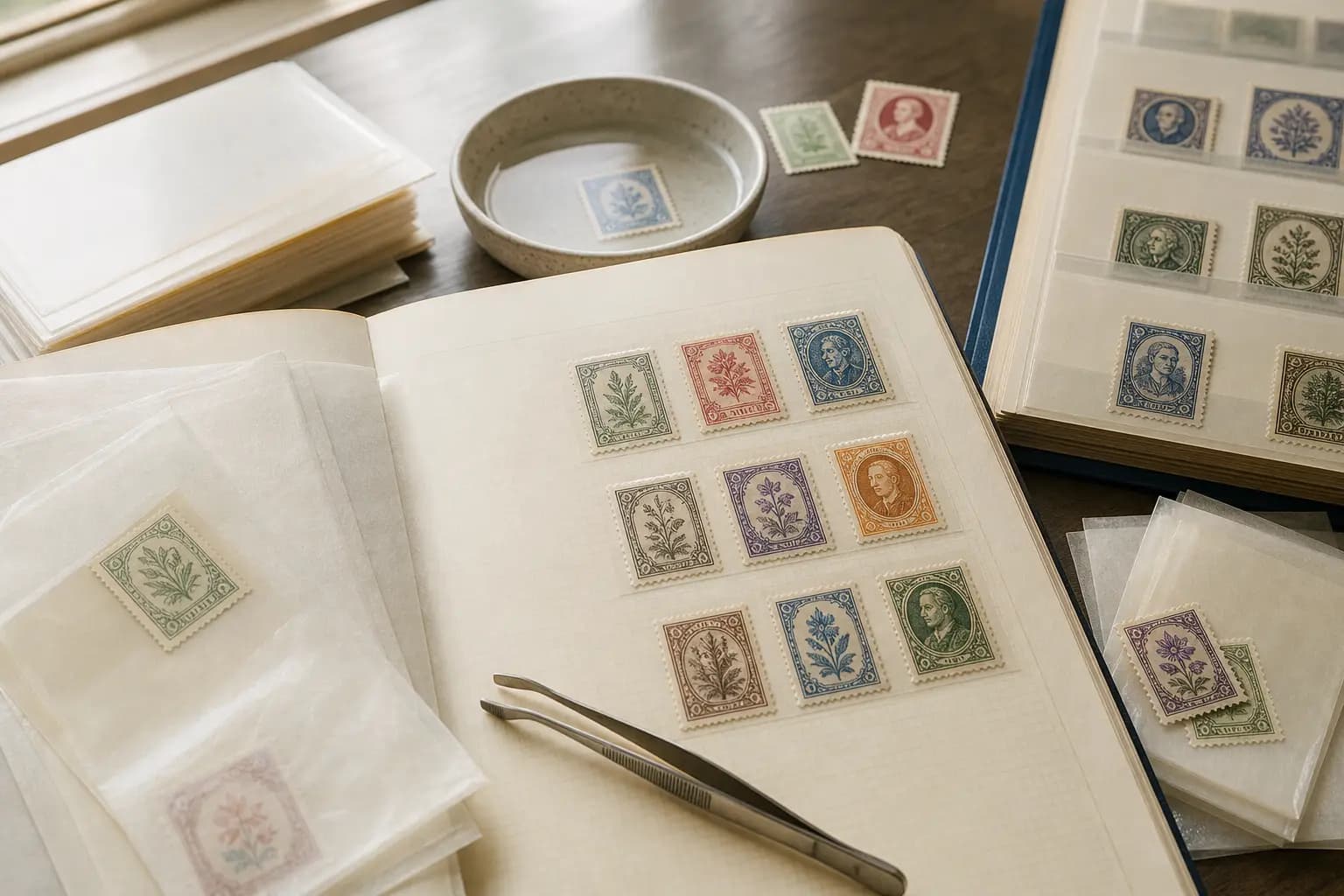
Instead, allow the stamps to float completely free on their own. Once separated, gently rinse the back of each wet stamp in fresh, clean water to ensure all residual adhesive gum is entirely removed. This step prevents the stamps from sticking to drying surfaces later.
Drying, Pressing, and Organizing Your Stamps
To dry your clean stamps safely, place them face down between two clean paper towels. Place a heavy book on top of the towels to apply even pressure, which prevents the stamps from curling as they dry. Leave them to dry overnight.
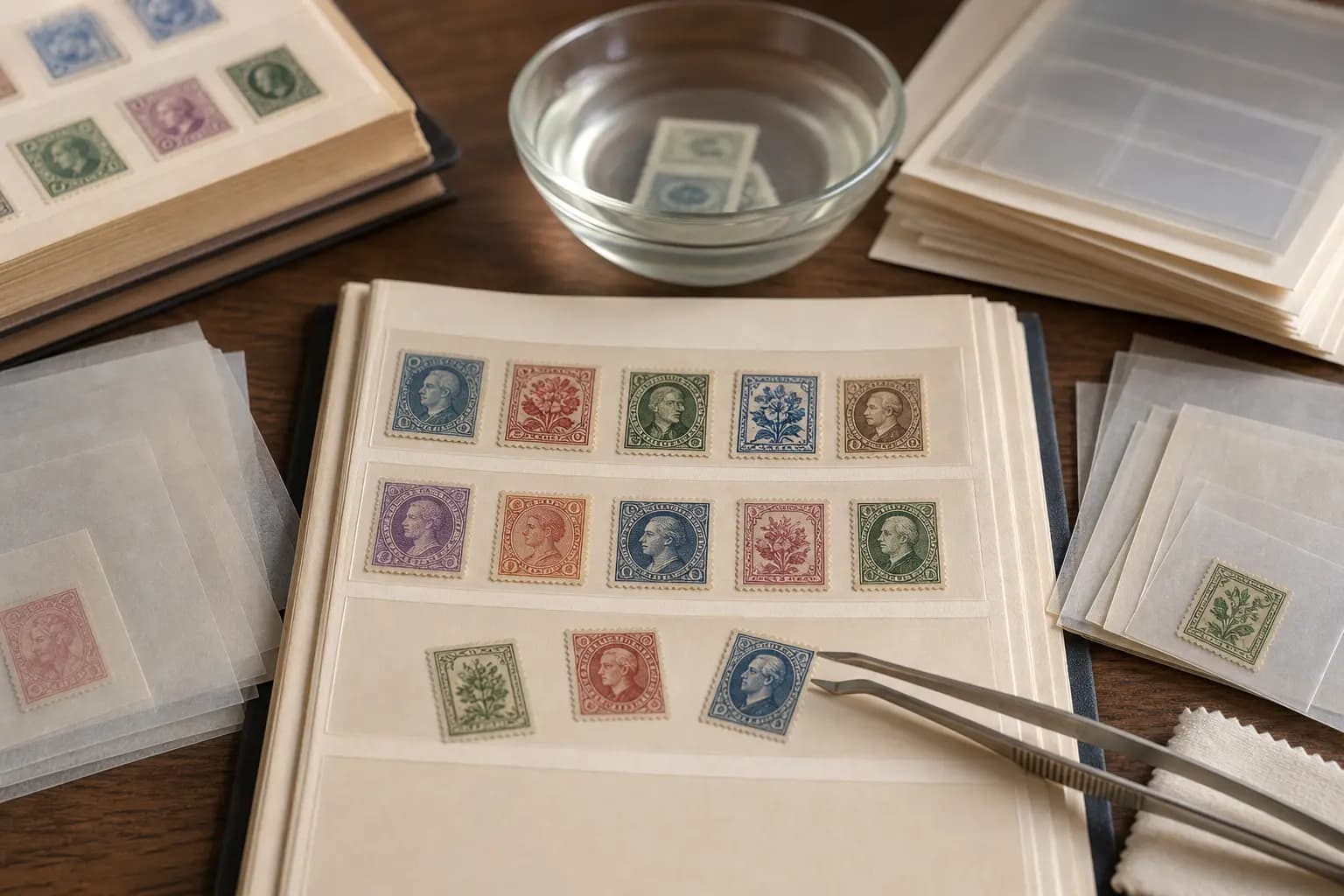
Once they are completely dry and crisp, you can safely handle them with your stamp tongs. This is an excellent time to use the StampSnap app to scan and create a digital record of your newly cleaned stamps. Store your dry stamps in glassine envelopes until you are ready to mount them in your album or stock book.
Frequently asked questions
Why do red and green envelopes need to be soaked separately?
Brightly colored envelopes, especially red and green ones, often use highly soluble dyes that bleed easily in water. Soaking them separately prevents these dyes from staining other stamps in the same bath.
Can I use hot water to speed up the soaking process?
No, you should never use hot water. Hot water can damage the stamp paper, dissolve delicate inks, and cause envelope dyes to bleed much faster. Always use lukewarm water.
Is it safe to use stamp tongs on wet stamps?
No, you should not use tongs on wet stamps. Wet paper is highly fragile and easily damaged. Let the stamps float free naturally, and only use tongs once the stamps are completely dry.
How do I prevent my soaked stamps from curling as they dry?
Place the wet stamps face down between two paper towels and place a heavy book on top of them. Leave them to dry overnight under this even pressure to keep them flat.