The Valuation Challenge of Look-Alike Stamps
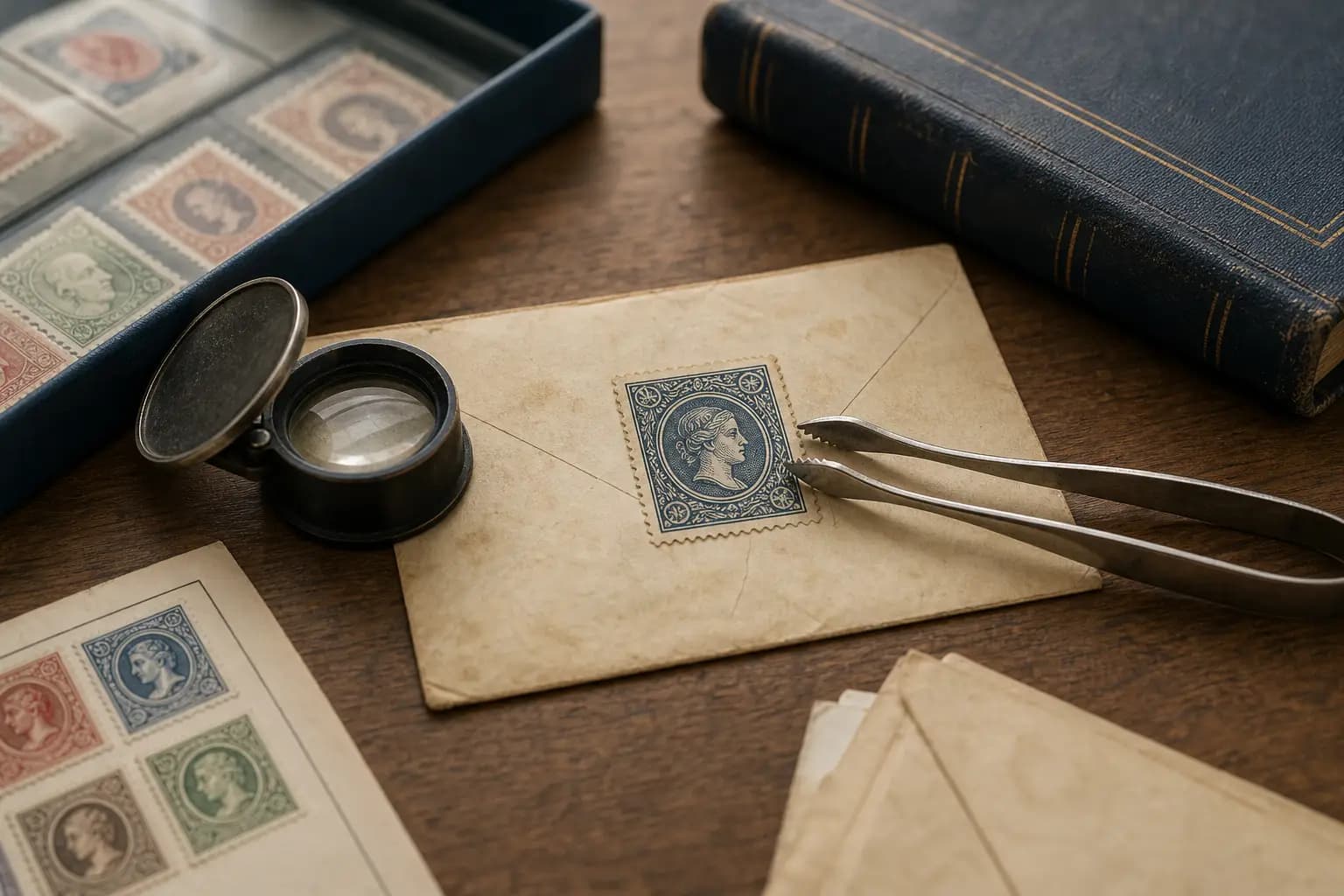
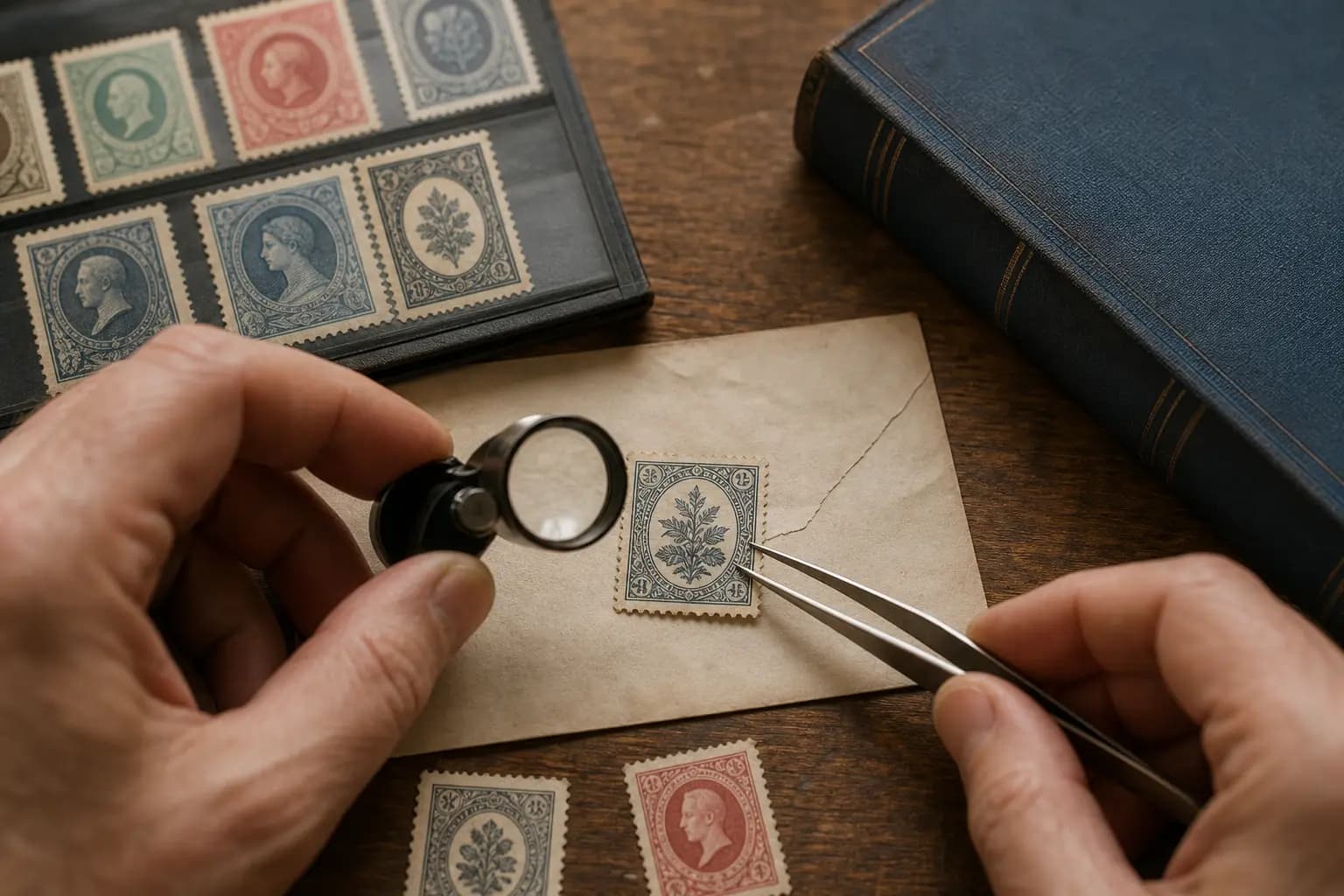
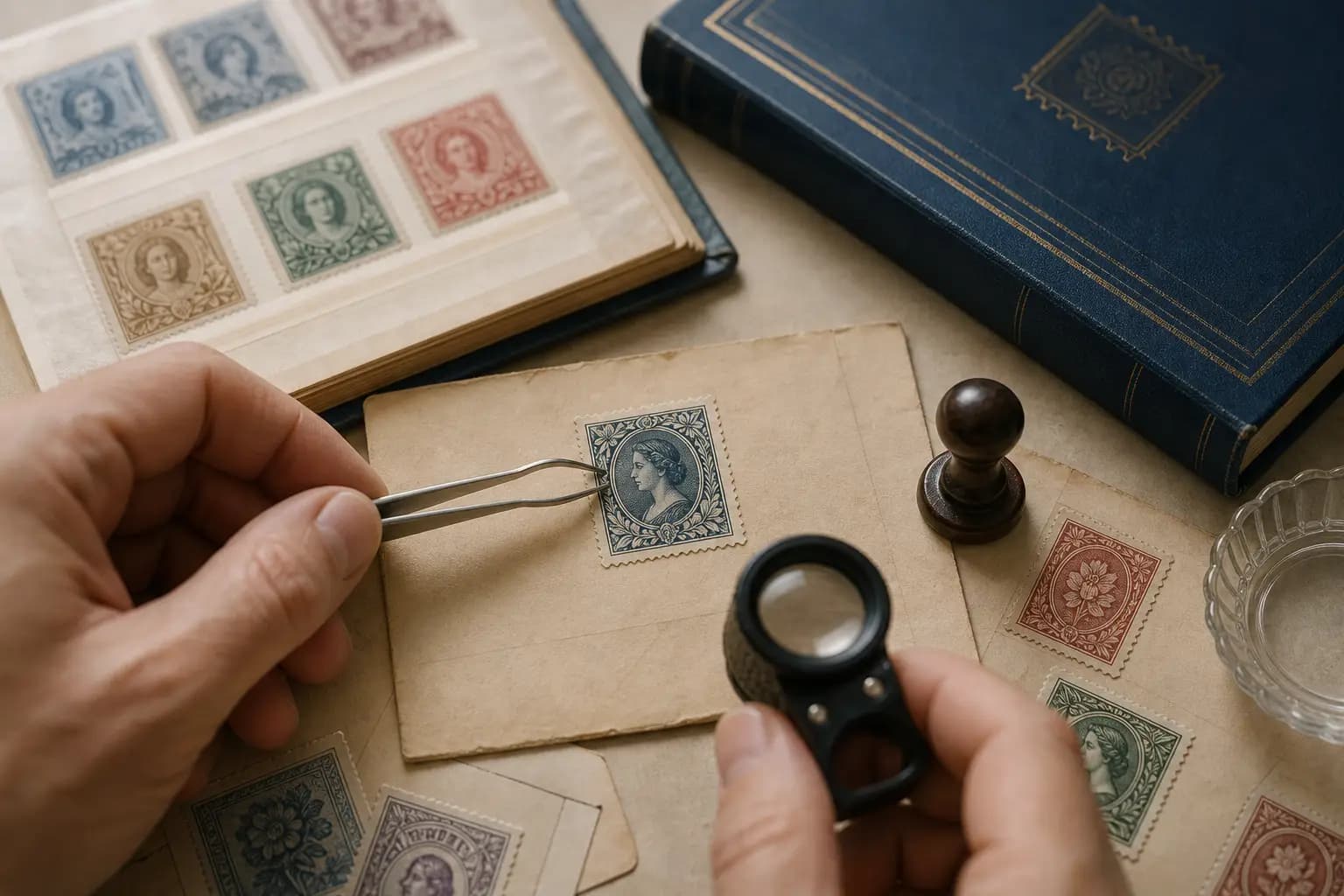
Identifying the true value of a postage stamp often requires looking far beyond its basic design. Many stamp issues look nearly identical at a glance, yet they carry vastly different values because one is a common definitive stamp printed over decades, while the other is a short-lived commemorative issue. For collectors, learning to spot these minor design changes is the key to unlocking an accurate valuation.
When you encounter a challenging look-alike, using an organizing tool like StampSnap can help you log your initial observations and establish a likely identification record. However, confirming the exact variety requires a methodical inspection of specific design elements, inscriptions, and paper characteristics. By training your eye to spot these differences, you can avoid misidentifying common stamps as rare varieties.
The Liechtenstein Case Study: Definitive vs. Commemorative
A classic example of how minor design variations affect identity and value can be found in the early stamps of Liechtenstein. Issued under Austrian administration between 1912 and 1918, these issues include eleven stamps showing the profile of Prince Johann II. At first glance, the designs appear highly similar, but their historical purposes and catalog listings differ significantly.
The 1917-18 20-heller dark green stamp was a standard definitive issue. However, on November 12, 1918, a highly similar stamp was released to commemorate the 60th anniversary of the Prince's accession. This commemorative version replaced the original upper corner designs with the specific year-dates of his reign. Because these dates are very small and difficult to see, catalogs often include boldface notes to guide collectors to the correct listing.
Purpose-Based Design Differences and Inscriptions
Inscriptions on the face of a stamp also signal different postal purposes and values. For instance, the 1886 half-cent North Borneo rose stamp features a design that pays postage fees, marked clearly with the word 'POSTAGE' near the bottom. Just one year later, in 1887, a highly similar version was released to pay both postage and revenue fees.
This 1887 version displays 'POSTAGE & REVENUE' on a scroll that spreads to the edge of the design. While this distinction might be easily missed by newcomers, it represents a completely different catalog number. Recognizing these purpose-driven text changes is vital when researching a stamp's scarcity and market value.
The Role of Watermarks in Valuation
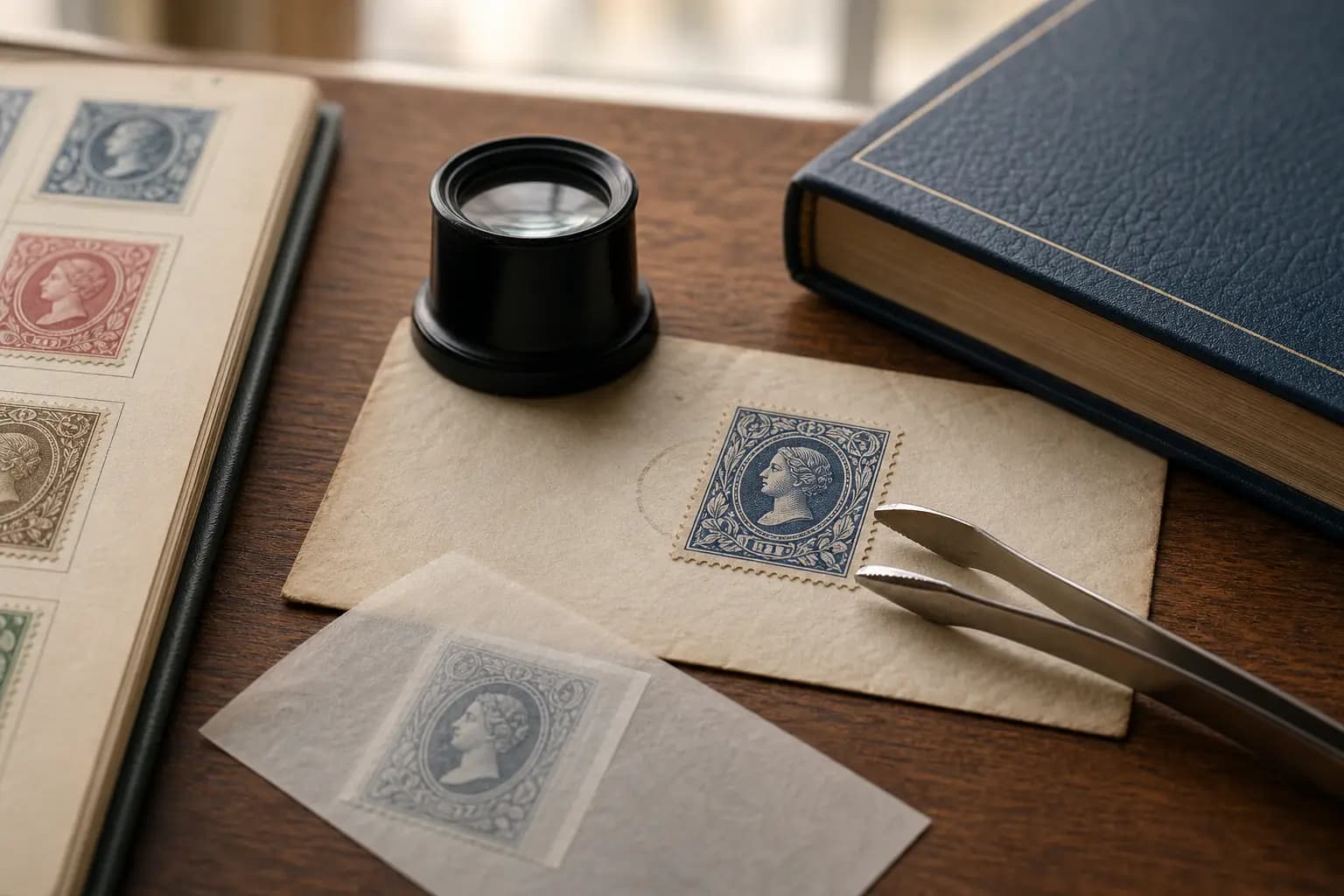
When visual design elements are identical, the paper itself often holds the key to valuation. Watermarks—which are words, letters, or symbols formed from dies during the papermaking process—create thin places in the paper pulp. Some stamps were printed on both watermarked and unwatermarked paper, or across different watermark designs over their production runs.
Because a watermark can be the sole difference between a very common stamp and one valued significantly higher, detecting them is a core part of expertizing. For example, United States stamps from 1895 to 1910 utilized a double-line 'USPS' watermark, while issues from 1910 to 1916 transitioned to a single-line 'USPS' watermark. Identifying these subtle paper differences is essential for accurate valuation.
Safe Methods for Detecting Watermarks and Faults
To safely detect watermarks without damaging your stamps, place the stamp face down in a dark tray and moisten it with a specialized watermark fluid. The fluid temporarily brings up the watermark as dark lines against a lighter background before evaporating quickly. This method is safe for the gum on unused stamps, provided you use a dedicated philatelic fluid rather than harsh household solvents.
Dipping a stamp in watermark fluid also serves a dual purpose: it helps you inspect the paper for hidden faults such as thins, creases, or tears. Since physical condition heavily influences value, identifying these structural issues early prevents overestimating a stamp's worth. Always handle wet stamps with appropriate philatelic tongs to avoid tearing the softened paper.
Age vs. Scarcity in Stamp Valuation
Finally, it is important to remember that age does not automatically equate to high value. The world's first postage stamp, Great Britain's 1840 Penny Black featuring Queen Victoria, was printed in the millions; consequently, nice used copies remain highly accessible to modern collectors. Similarly, the first U.S. stamps issued on July 1, 1847—the five-cent red brown Franklin and ten-cent black Washington—are valued based on their surviving numbers and condition rather than age alone.
By combining careful visual inspection of inscriptions, watermark detection, and condition analysis, you can confidently determine where your stamp fits in the philatelic spectrum. You can use StampSnap to keep a detailed inventory of these physical traits, ensuring your collection is organized and accurately documented for the future.
Frequently asked questions
How can I tell the difference between a definitive and a commemorative stamp of similar design?
Look closely at the inscriptions and corner designs. For example, some commemorative stamps, like the 1918 Liechtenstein Prince Johann II issue, replace standard corner patterns with specific historical dates, while others may alter the text to reflect dual purposes like postage and revenue.
Why does the presence of a watermark change a stamp's value?
Watermarks are security features created during papermaking. Because postal administrations often printed the same design on different papers over time, a watermark may be the only physical clue distinguishing a highly common printing from a rare, limited-run variety.
Is watermark fluid safe to use on mint stamps with original gum?
Yes, high-quality commercial watermark fluids are designed to evaporate quickly without affecting the gum on unused stamps. However, you should always use dedicated philatelic fluids rather than household solvents, which can dissolve inks or damage paper fibers.