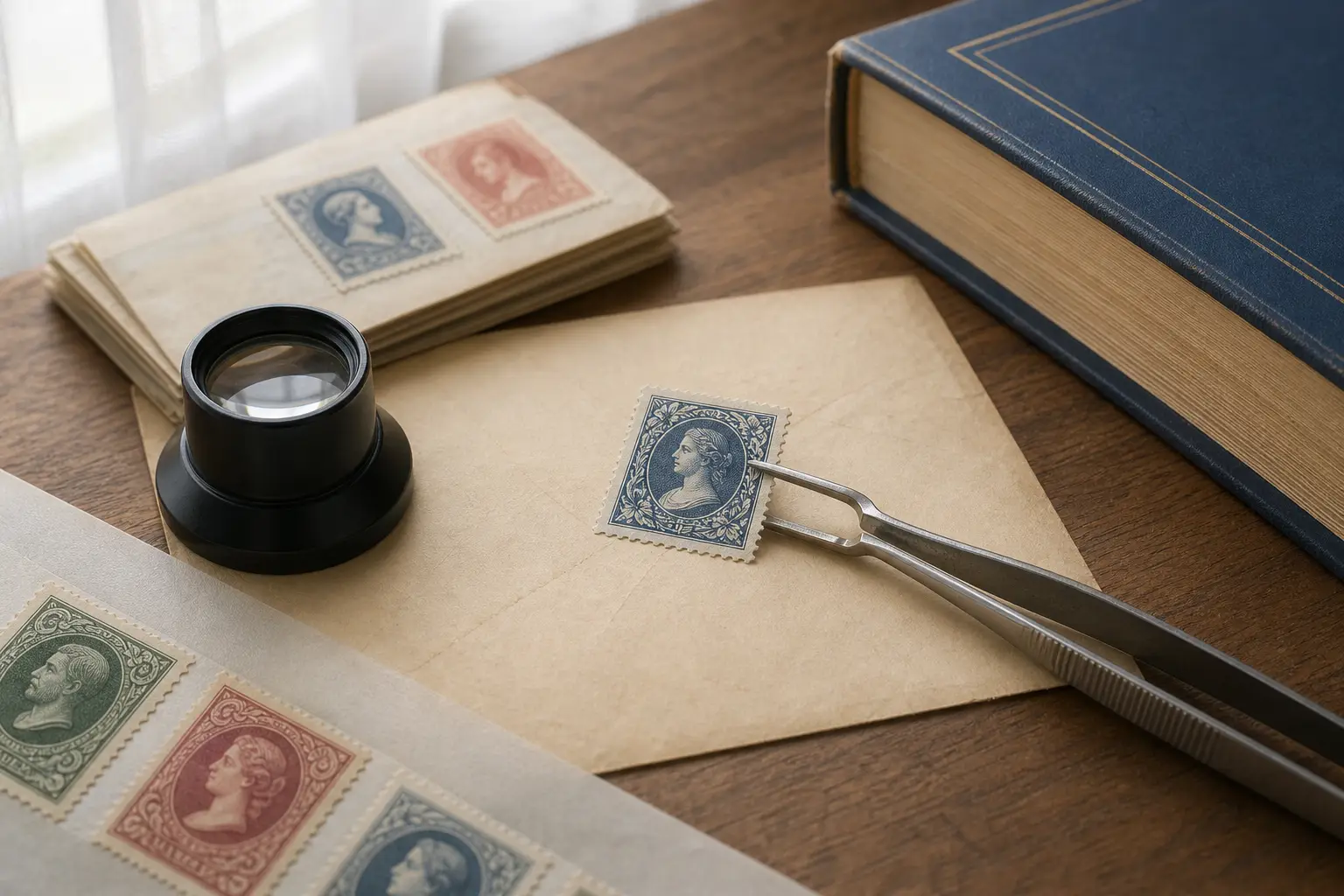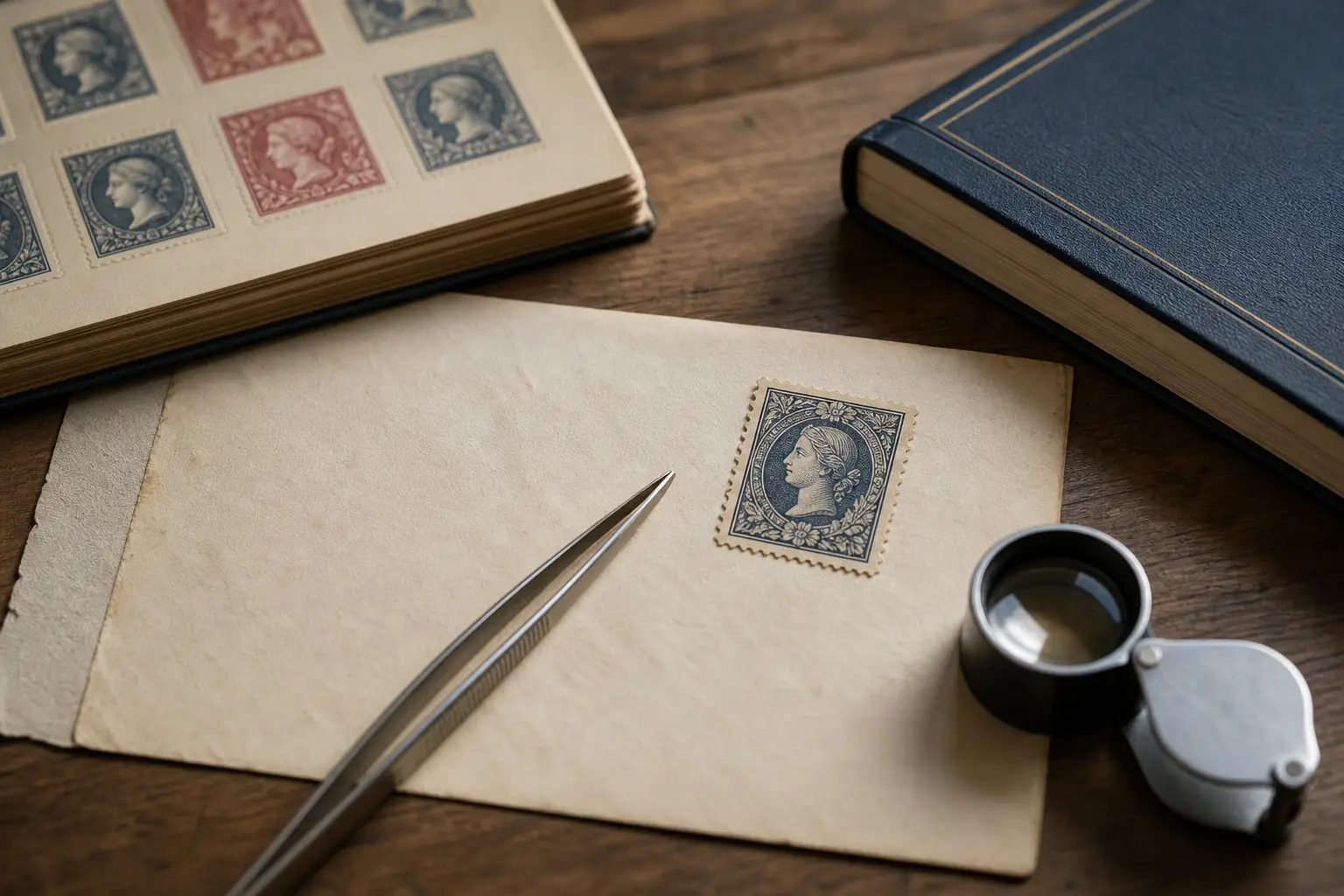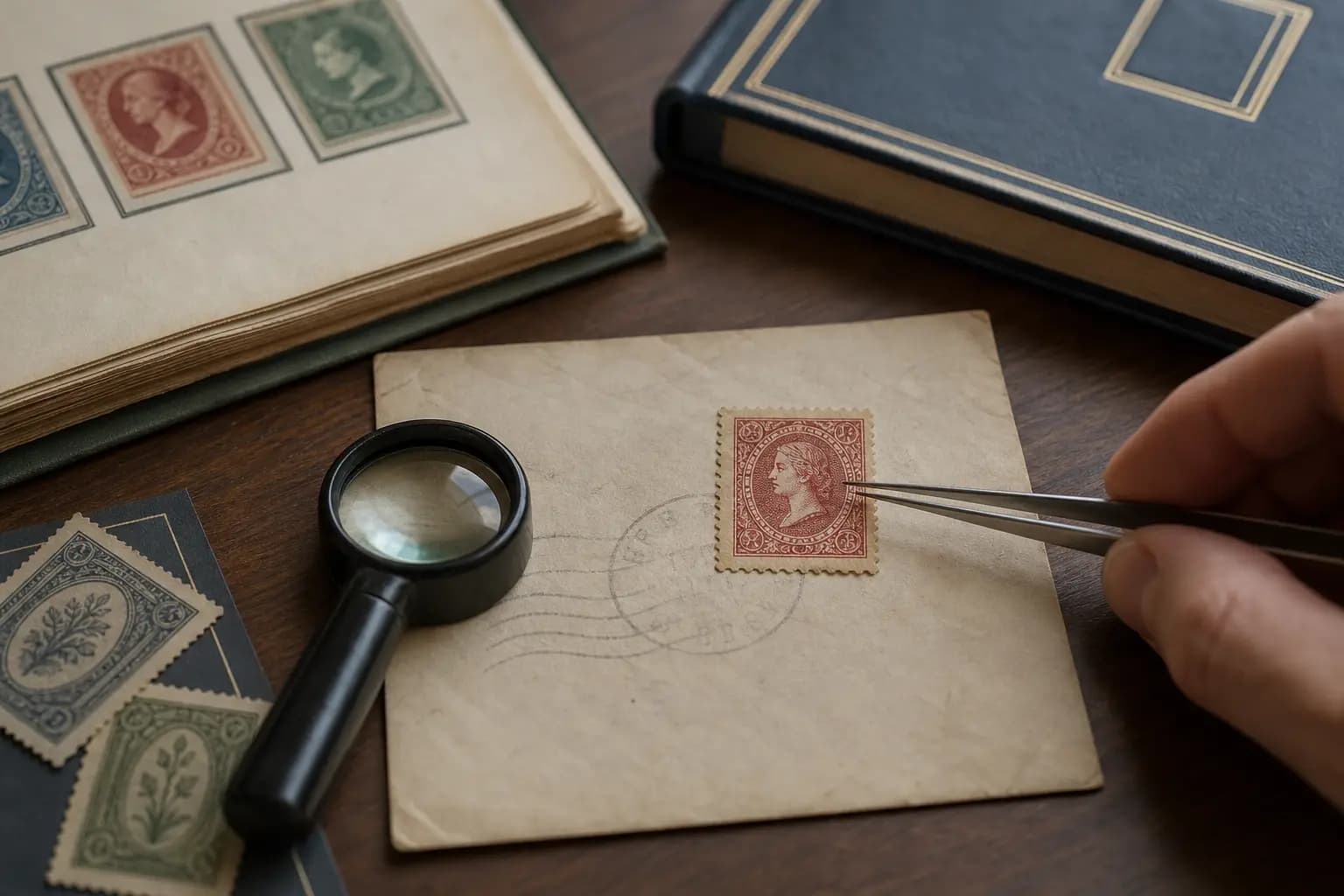

Start with the simplest answer: yes, a watermark can change value
A watermark can be the only detail that separates two otherwise similar stamps, and that difference may create separate catalog numbers. According to the American Philatelic Society, some stamps exist both on unwatermarked and watermarked paper, and even on paper with different watermarks. That means the watermark is not just a minor manufacturing detail; it can define a different collectible item.
For valuation, the key point is caution. The APS notes that stamps with the same design but different watermark status generally receive separate catalog numbers, and that the watermark difference can be the sole reason one stamp is common while another is valued much more highly. If you are comparing two look-alike stamps, do not assume the more familiar one is the right identification until the watermark question has been checked.
Why watermarks matter so much in identification and valuation
Watermarks are a security measure built into stamp paper to deter counterfeiting. They are formed by dies attached to the frame used to make paper from pulp, which creates thin places in the paper. Because they are part of the paper itself, they may not be obvious at a glance, especially when only a small portion of the design is visible or the watermark appears only partly on the stamp.
The APS explains that collectors refer to the watermark as viewed from the back of the stamp. In some cases, the watermark may be readable simply by holding the paper up to light. In others, the visible clue is only a fragment of a letter, a symbol, or part of a monogram. This is why two stamps that look nearly identical on the front can belong to different catalogue listings and different value levels.
Use safe visual checks before you reach for any tool
Begin with non-invasive observation. Look at the back of the stamp in good light and compare the paper pattern, any visible letters or symbols, and the overall appearance of the back against the front. If the stamp is part of a wider group of similar issues, compare it with other examples of the same design and note whether the paper appears to show any thin areas, partial letters, or other watermark clues.
If the stamp is unused, avoid methods that could harm the gum or paper. The source material specifically recommends commercial watermark fluid rather than household substitutes, and notes that watermark fluid evaporates quickly and should not impact the gum on an unused stamp. If you are not sure what you are seeing, it is better to pause and document the stamp than to force a conclusion from a blurry view.
When to use watermark fluid or a detector
The APS says the best method of detecting watermarks is to lay the stamp face down in a dark tray and moisten it with watermark fluid, which brings up the watermark in dark lines against a lighter background. APS also mentions detector tools such as the Safe Signoscope and Morley Bright Watermark Detector as aids for watermark identification. These tools can be useful when a watermark is difficult to see by holding the stamp to light alone.
The source also notes that some collectors use lighter fluid, but APS recommends commercial watermark fluid and specifically mentions Clarity watermarking fluid as safer for stamps and health than many other options. If you use any detection method, work slowly and only on material you are prepared to inspect carefully. Do not treat a watermark check as proof of exact value by itself; it is one identification step that may separate one catalog entry from another.
Examples show why the difference can be major
The APS gives clear examples of watermark differences on U.S. material. A double line USPS watermark was used on U.S. postage stamps from 1895 to 1910, while a single line USPS watermark was used from 1910 to 1916. That kind of change means the same-looking issue may belong to a different watermark period and therefore a different catalogue listing.
The article also points out that watermarks on most U.S. postal stationery can be fairly easy to detect without special equipment, while single line watermarks on U.S. stamps can be particularly difficult to see. This is a useful reminder for collectors: a watermark may be obvious on one item and elusive on another, even within the same broad collecting area.
How to record a watermark-based identification responsibly
If you suspect the watermark is the deciding feature, write down what you observed before you make a final identification. Record the design, any visible paper clues, whether you saw the watermark from the front or back, and what method you used to inspect it. A simple note can help you compare the stamp later with catalog descriptions or with other examples in your collection. StampSnap can be useful here as a way to create a likely identification or collection record, but it should be treated as a record-keeping aid rather than a final authority.
If the watermark is only partly visible, say so. The APS notes that many stamps show only a portion of the watermark, sometimes only a small part of a single letter. That means uncertainty is normal. A conservative collector approach is to describe the evidence you have, avoid overclaiming, and keep the stamp in a safe, dry condition while you continue the comparison.
What to do when the watermark still does not settle the question
If the watermark remains unclear after safe inspection, the most careful next step is to compare it against catalog descriptions and known examples, especially where similar designs differ only in watermark, perforation, or color. The APS stresses that careful review of basic details gets you closer to the right catalog entry, but also shows that look-alike definitives can frustrate even experienced collectors. Uncertainty is part of the process, not a failure.
In valuation work, that means you should resist assigning a precise value from appearance alone when the watermark has not been confirmed. Instead, keep the stamp as an unidentified or tentatively identified example until you can verify the paper clue. That is safer for the stamp, more honest for your records, and more useful if you later want to compare it with catalogue listings or specialist advice.
Frequently asked questions
Can a watermark really be the only difference that changes a stamp’s value?
Yes. The APS states that some stamps exist on unwatermarked paper and on paper with different watermarks, and that these differences generally receive separate catalog numbers. The watermark may be the sole difference between a common stamp and one valued much more highly.
Should I use household fluid to check a watermark?
No. The APS recommends commercial watermark fluid and specifically mentions Clarity watermarking fluid as safer for stamps and health than many other options. It also says the fluid should not impact the gum on an unused stamp.
What is the safest first step if two stamps look alike?
Start with visual comparison in good light and inspect the back of the stamp. Look for any visible letters, symbols, or partial watermark shapes before using a detector or watermark fluid.
What if I can only see part of the watermark?
That is normal. The APS notes that many stamps show only a portion of the watermark, sometimes only a small part of a single letter. In that case, record the partial evidence and keep the identification tentative.
Does StampSnap replace catalog checking or expert identification?
No. StampSnap can help you create a likely identification or collection record, but a watermark-based identification still needs careful comparison with catalogue information and, when necessary, safer inspection methods.