Understanding Mint and Used Stamps
Deciding whether to collect mint or used postage stamps is one of the earliest decisions a philatelist faces. According to the American Philatelic Society, stamp collecting is a highly flexible hobby suitable for nearly all ages, allowing individuals to customize their collections in any way they choose. When exploring the hobby, you will quickly encounter two primary states of stamps: mint and used.
A mint stamp is one that has never been used to mail a letter. It looks exactly the way it did when it was first sold at the post office, complete with its original adhesive or gum on the back. In contrast, a used stamp has served its intended purpose of carrying the mail through the postal system. The choice to collect mint, used, or even a mixture of the two is your decision alone, as there is no single correct way to build a collection.
The Advantages of Collecting Used Stamps
For many beginners and experienced philatelists alike, collecting used stamps offers several distinct advantages. One of the most practical benefits is cost. Most stamps cost less used than they do in mint condition, though there are occasional exceptions to this rule. This makes used stamps an excellent option for budget-conscious collectors who want to build a diverse collection without spending a fortune.
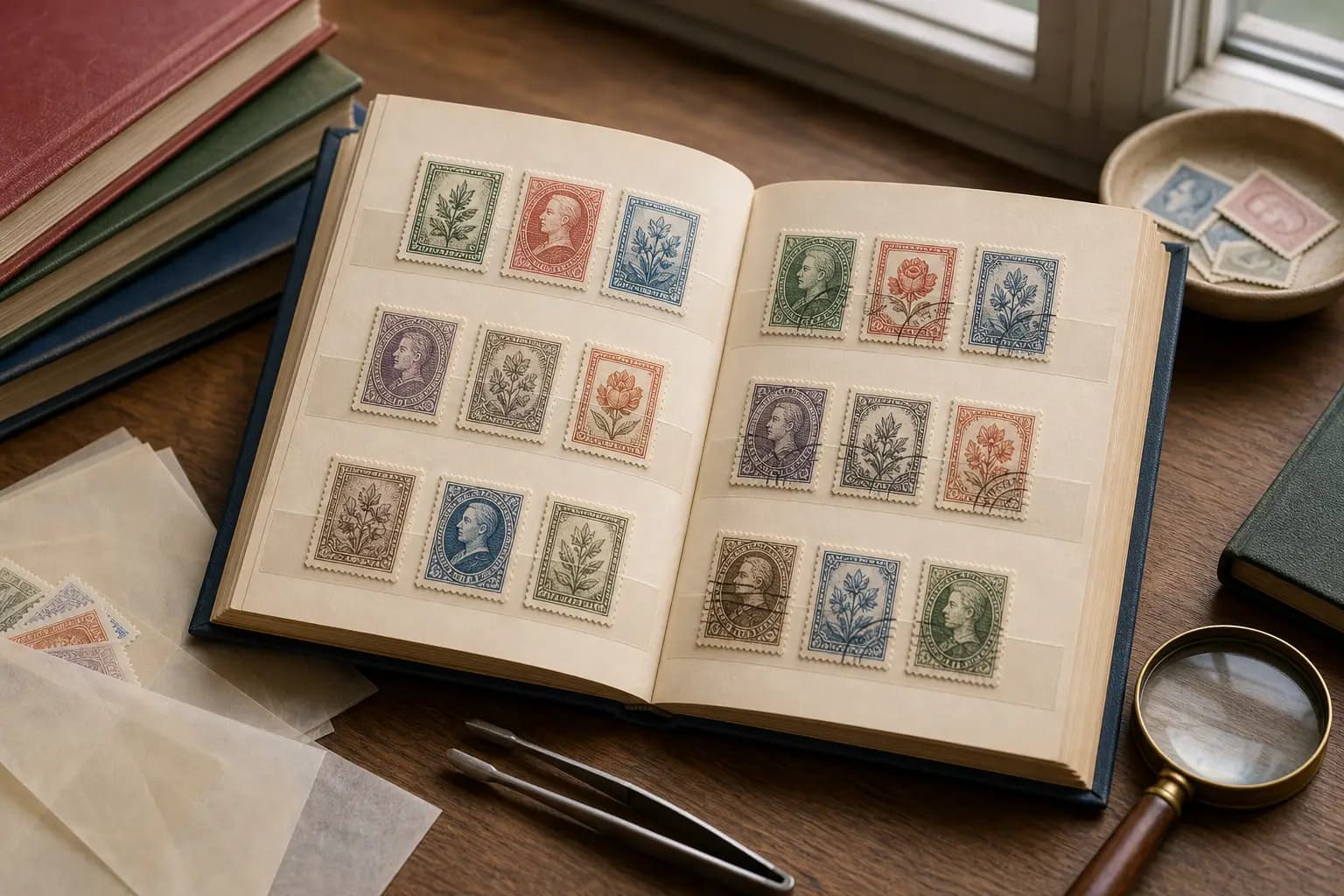
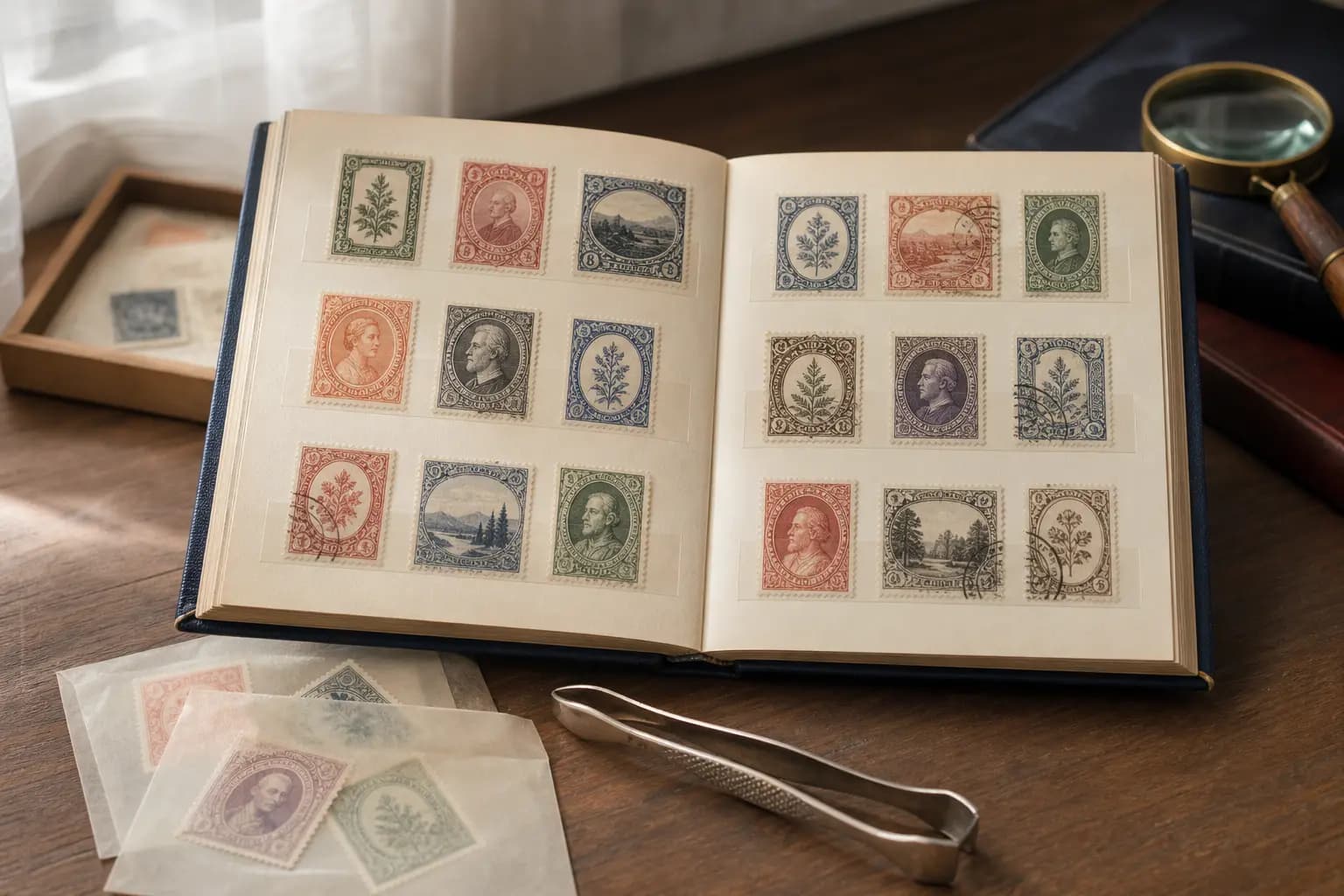
Additionally, used stamps are much easier to handle and store. When collecting used stamps, you do not have to worry about preserving the delicate gum on the back of the paper. Because of this, you can safely use inexpensive stamp hinges to mount your stamps directly onto album pages. Furthermore, many collectors find that the cancellations and postmarks on used stamps are of great historical interest, offering a tangible connection to the stamp's actual journey through the mail.
The Appeal of Mint Stamps
On the other hand, mint stamps hold a unique appeal for collectors who appreciate pristine, untouched designs. Because they have never gone through the mailing process, mint stamps remain in the exact condition they were in when they left the printing press. This allows you to appreciate the stamp as a miniature work of art, free from ink cancellations, postmarks, or paper wear caused by transit.
However, collecting mint stamps requires a higher level of care and attention. To maintain their value and condition, you must protect the original gum on the reverse side. This means avoiding traditional stamp hinges, which can damage the gum, and instead using specialized protective mounts. While mint stamps can sometimes be more expensive and demanding to store, many collectors find the visual purity of an unused stamp to be well worth the extra effort.
Essential Tools for Safe Handling
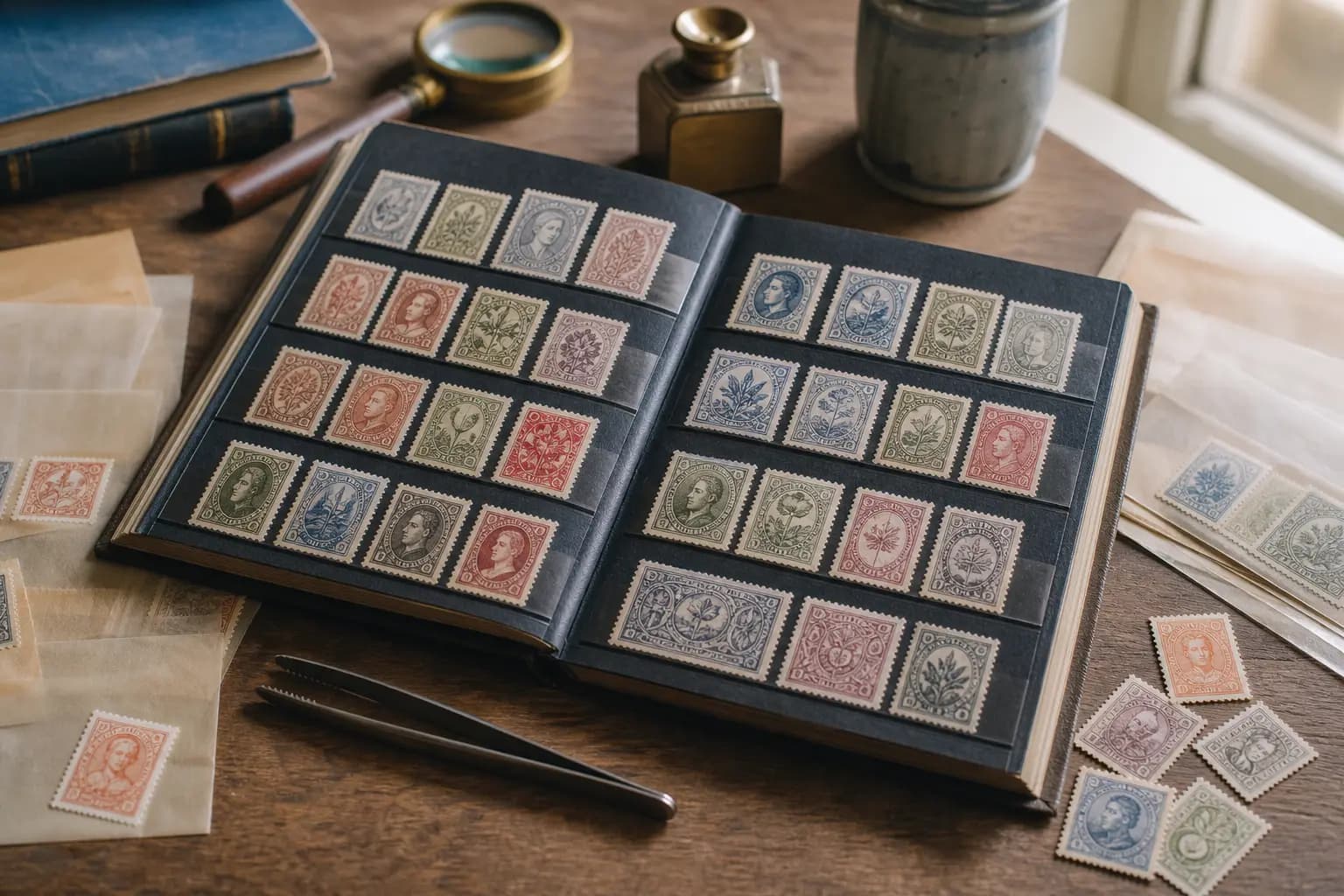
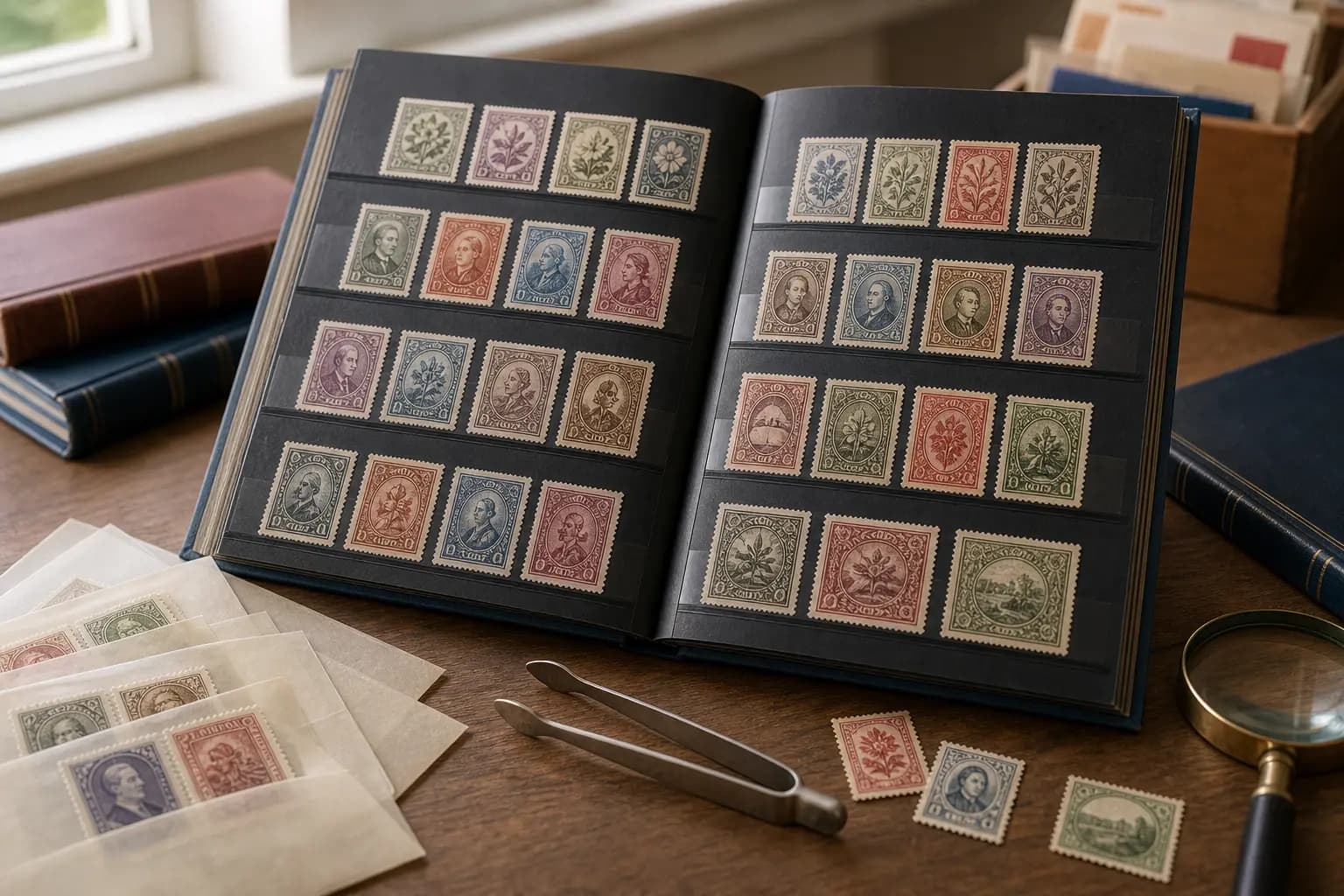
Regardless of whether you choose mint or used stamps, proper handling is essential to protect your collection from damage. The Smithsonian National Postal Museum identifies a simple pair of stamp tongs, an album, and a general reference book as sufficient starting tools for any new collector. Tongs are particularly critical because they have smooth ends designed for picking up loose stamps without direct finger contact, preventing skin oils from staining the paper or damaging the gum.
To examine your stamps closely, a magnifying glass is highly recommended to help reveal small design details that are invisible to the naked eye. Additionally, a perforation gauge can help you distinguish look-alike issues by measuring the exact spacing of the perforations along the edges. Specialist aids like watermark detectors, color guides, and catalogs can also assist you as your collection grows.
Identifying and Cataloging Your Varieties
When sorting through your stamps, proper identification is key to understanding what you have. Catalogs are invaluable resources because they record essential details such as the original issue date and the printing method used to produce the stamp. However, the Smithsonian National Postal Museum advises that physical observations should always be compared with reliable references rather than treated as conclusive on their own.
To assist with this process, you can use the StampSnap app to scan a stamp and create a likely identification of its design and origin. Once you have a potential match, you can cross-reference it with a standard catalog to verify its details. You can then use StampSnap to log a collection record, noting whether your copy is mint or used, which helps you keep your inventory organized as you acquire new items.
Customizing Your Philatelic Journey
Ultimately, your stamp collection can be whatever you want it to be. Beyond choosing between mint and used stamps, you can specialize in worldwide collecting, focus on a single country, or explore topical collecting. Popular topics include animals, birds, flowers, ships, space, and sports, though you can choose any theme that brings you personal enjoyment.
The American Philatelic Society emphasizes that the most important thing about stamp collecting is not the monetary value of your collection, but rather the relaxation, knowledge, and personal enjoyment it provides. By using the right tools and following safe handling practices, you can build a rewarding collection that reflects your unique interests.
Frequently asked questions
What is the difference between a mint stamp and a used stamp?
A mint stamp has never been used to carry mail and looks exactly as it did when sold at the post office, retaining its original gum. A used stamp has served its purpose of carrying the mail and typically features a cancellation mark.
Why do some collectors prefer used stamps over mint stamps?
Used stamps are generally less expensive than mint stamps, and collectors do not have to worry about preserving the gum on the back. This allows them to use inexpensive stamp hinges to mount the stamps on album pages. Additionally, the cancellations on used stamps can be of historical interest.
What basic tools do I need to handle and identify my stamps safely?
The Smithsonian National Postal Museum recommends a simple pair of stamp tongs with smooth ends to avoid direct finger contact, an album, and a general reference book or catalog. A magnifying glass and a perforation gauge are also highly useful for identifying design details and distinguishing look-alike issues.