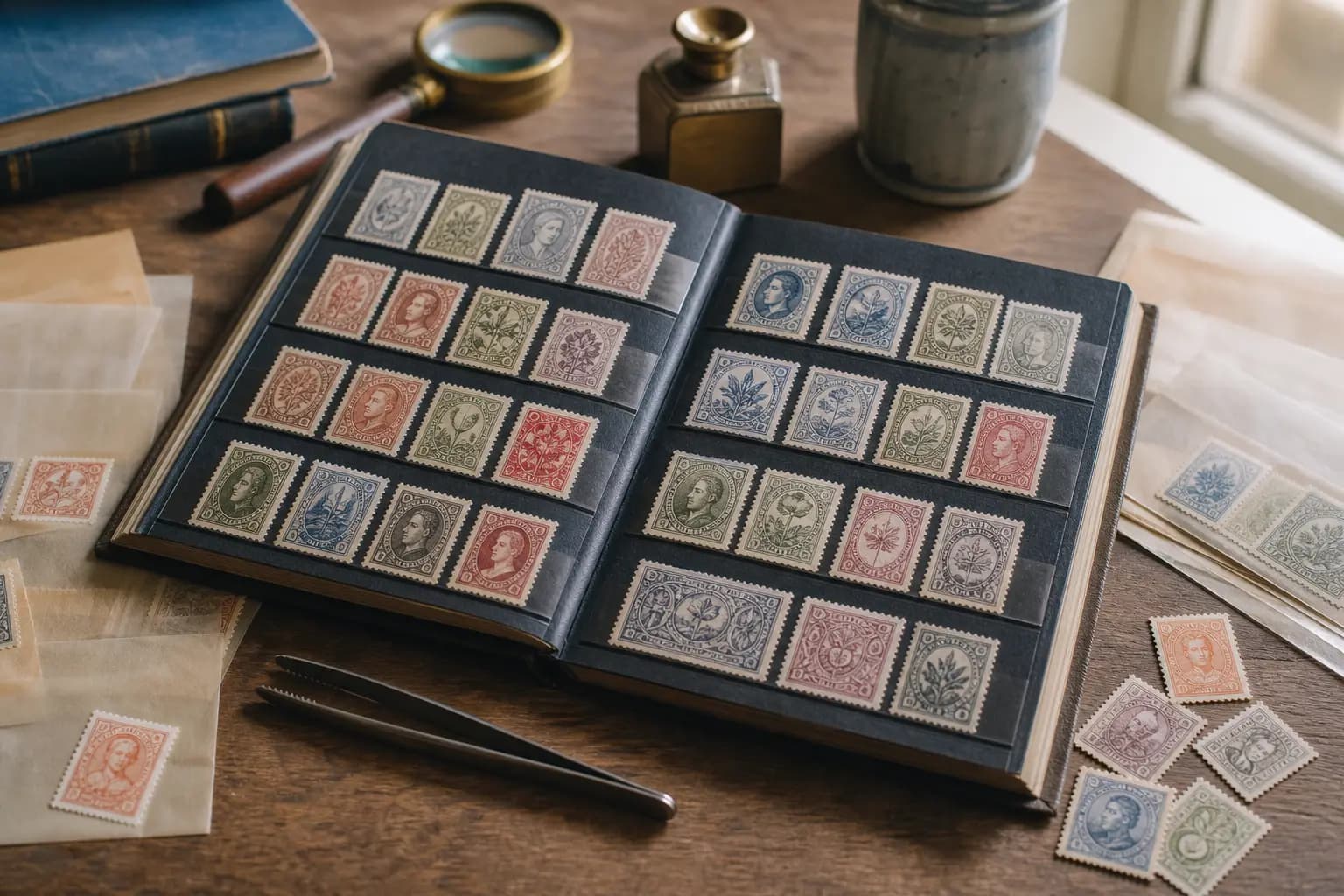
The Universal Appeal of Stamp Collecting
Stamp collecting, or philately, is a flexible hobby welcoming individuals of nearly all ages. According to the American Philatelic Society (APS), some collectors begin as early as age four, while others collect throughout their entire lives. Because stamp collecting does not require great wealth or specialized skills, it remains highly accessible. It is a year-round activity enjoyed regardless of local climate.
Many collect because stamps are miniature works of art. It is nearly impossible to collect these items without gaining knowledge about history, geography, and culture. While most collect for relaxation, some hope to discover a rare stamp. Although the APS does not promote collecting solely as an investment, philately often provides a greater return on personal investment than many other hobbies.
Famous Collectors Throughout History
Often called the hobby of kings and the king of hobbies, stamp collecting has attracted many prominent figures. The most famous American collector was President Franklin D. Roosevelt, whose collection was a major part of his life. However, the appeal of philately spans far beyond political leaders into the worlds of science, sports, and entertainment.
Linn's Stamp News estimates that over five million people in the U.S. collect stamps, representing all walks of life. Notable enthusiasts include astronaut Henry Hartsfield, explorer Jacques Cousteau, and business leader Mark Cuban. In entertainment, collectors include actors Gary Burghoff and James Earl Jones, cartoonist Gary Trudeau, and musicians John Lennon, Freddy Mercury, and Ron Wood. Tennis star Maria Sharapova and former French President Nicolas Sarkozy have also shared this passion.
What Constitutes a Stamp Collection?
At its core, stamp collecting is the accumulation of material related to the payment of postage and the carriage of the mails. However, modern philately encompasses more than just traditional postage stamps. Many collectors, or philatelists, also collect covers, which are the actual envelopes that carried mail.
Beyond stamps and covers, collectors often seek out markings or labels applied to mail, including postage meters. Others collect non-postage ephemera such as Christmas Seals, revenue stamps, and other related paper items. The flexibility of the hobby means there is no single correct way to build a collection; you can customize your focus to match your personal interests.
Choosing Your Collecting Path: Worldwide, Country, or Topical
Many beginners start by gathering worldwide stamps. However, because the countries of the world issue about 10,000 new postage stamps every year, collecting every stamp ever issued is generally unrealistic. To make the hobby manageable, most collectors eventually narrow their focus.
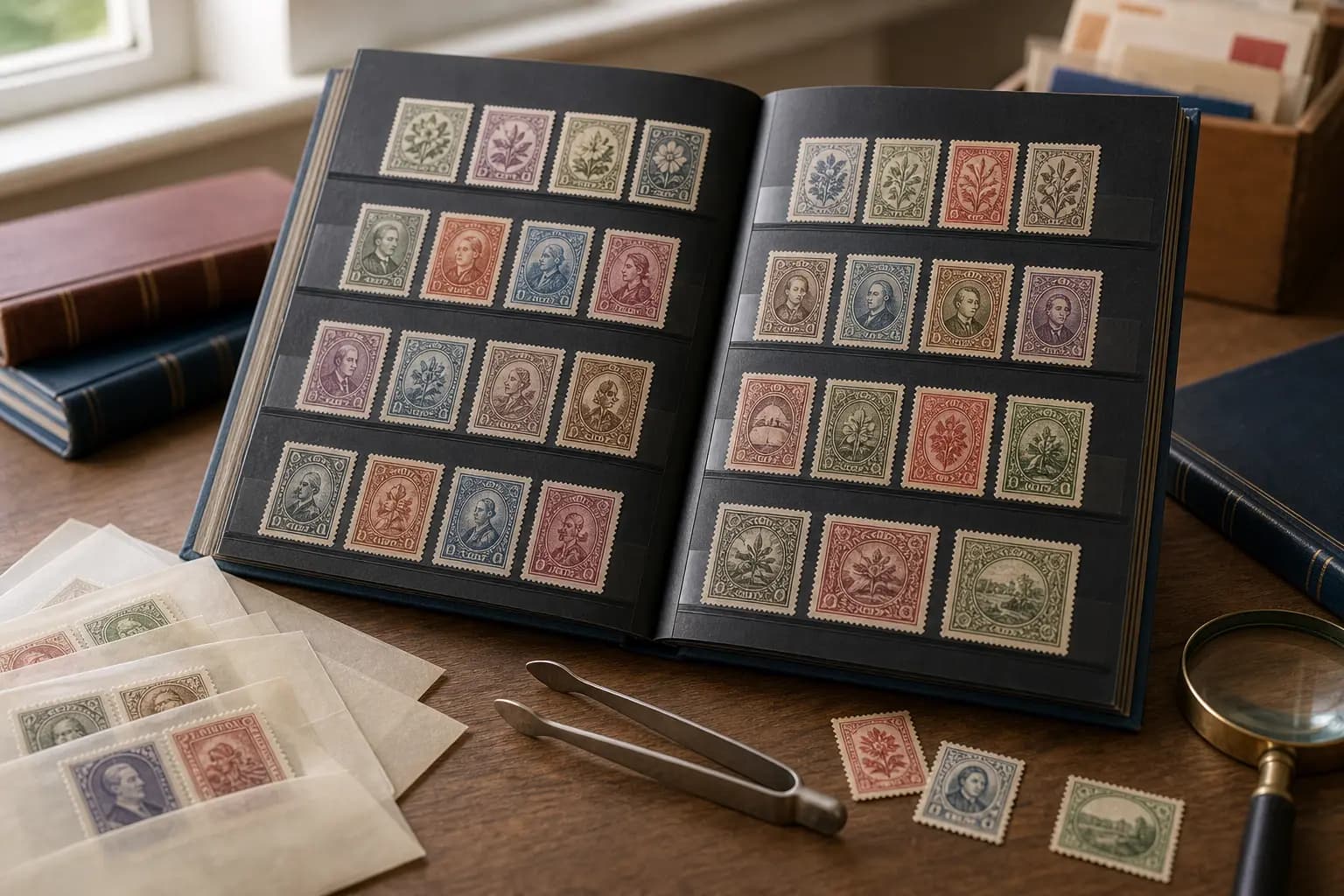
One traditional method is country collecting, where you specialize in a single nation, such as your home country or a place you visited. Another popular approach is topical collecting, which allows you to explore stamps worldwide based on a specific subject. Popular topics include animals, birds, flowers, ships, space, scouts, Disney, and sports. Some collectors even build unique exhibits around highly specific themes, such as rainbows or outhouses.
Selecting Mint versus Used Stamps
Another key decision is whether to focus on mint or used stamps. Mint stamps have never been postally used and look the way they did when sold at the post office, complete with original adhesive gum. Used stamps have served their intended purpose of carrying mail and bear postal cancellations.
There are several practical advantages to collecting used stamps. Generally, used stamps cost less than mint ones, though exceptions exist. Additionally, collecting used stamps relieves you of the burden of preserving delicate original gum, allowing you to use inexpensive stamp hinges to mount them safely. The cancellations on used stamps can also provide historical interest, showing exactly when and where a letter was processed.
Essential Tools for Safe Handling and Identification
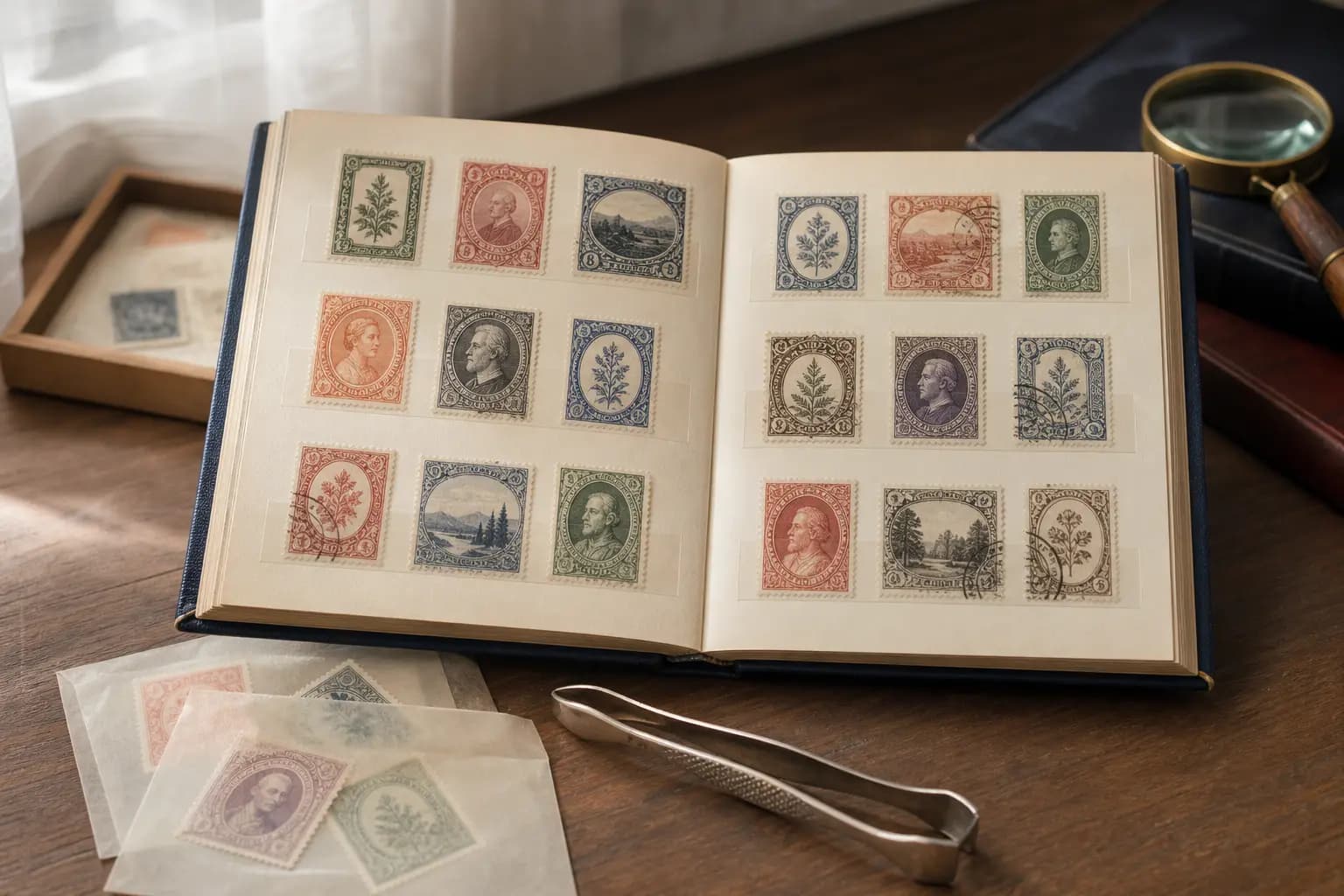
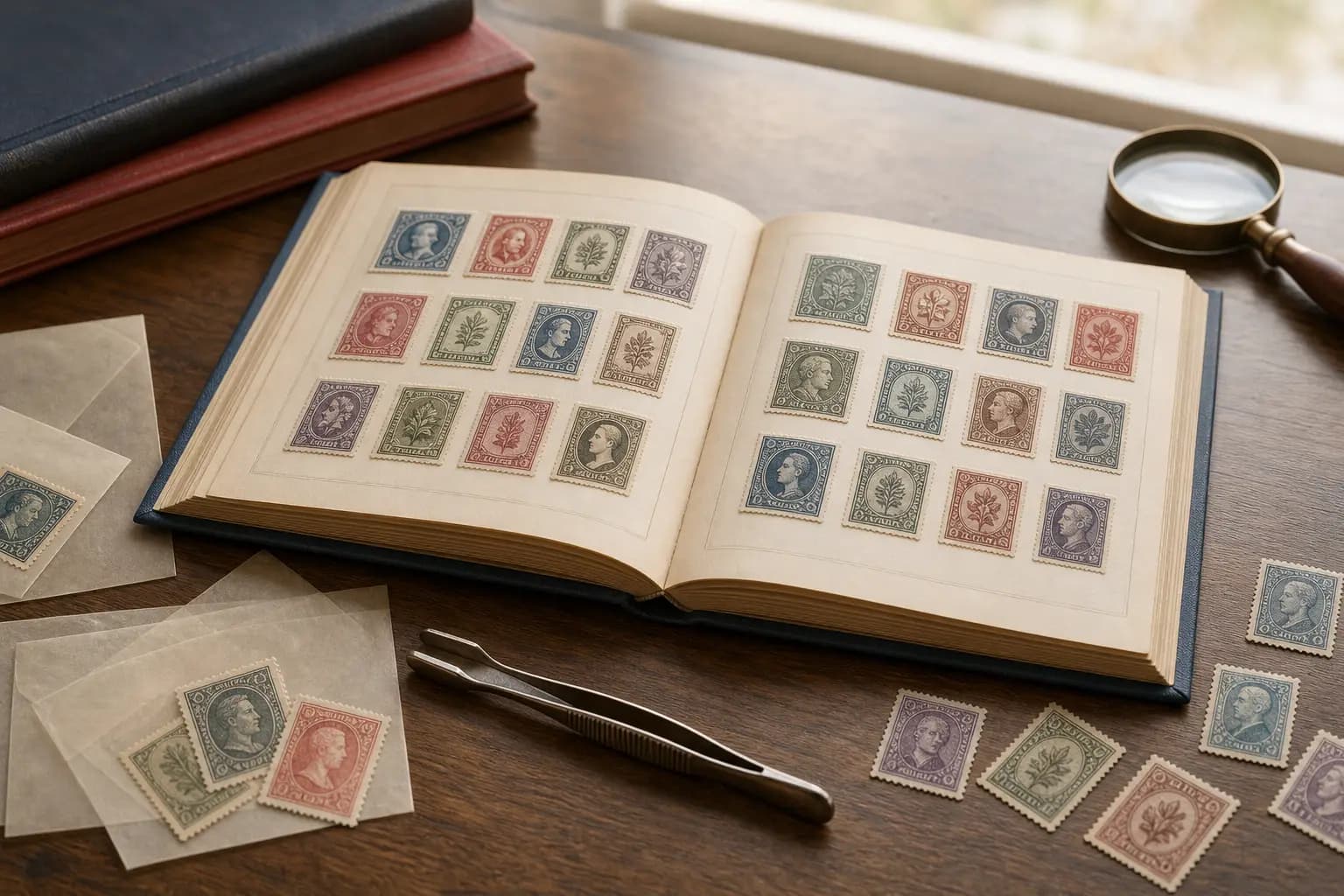
To protect your stamps from damage and properly study their details, it is important to use the correct tools. The Smithsonian National Postal Museum identifies a simple pair of stamp tongs, an album, and a general reference book as sufficient starting tools. Tongs feature smooth ends designed to pick up loose stamps safely without direct finger contact, preventing the transfer of natural skin oils.
To examine fine design details, a magnifying glass is highly recommended. A perforation gauge is another vital tool, helping to distinguish look-alike issues by measuring the spacing of the perforations along the stamp's edges. For advanced study, specialist aids such as watermark detectors, color guides, and stamp catalogs are invaluable. When you encounter an unfamiliar stamp, using an app like StampSnap can help you create a likely identification or digital collection record. However, physical observations should always be compared with reliable reference catalogs, as visual identification alone is not always conclusive.
Frequently asked questions
Who are some famous people who collected stamps?
Many famous individuals have collected stamps, including President Franklin D. Roosevelt, astronaut Henry Hartsfield, explorer Jacques Cousteau, business leader Mark Cuban, actors Gary Burghoff and James Earl Jones, cartoonist Gary Trudeau, musicians John Lennon, Freddy Mercury, and Ron Wood, tennis superstar Maria Sharapova, and former French President Nicolas Sarkozy.
What is the difference between mint and used stamps?
Mint stamps have never been used to mail a letter and look exactly as they did when sold at the post office, retaining their original adhesive gum. Used stamps have served their purpose of carrying mail and typically feature a postal cancellation mark. Used stamps are generally less expensive and easier to mount using simple hinges.
What basic tools do I need to start stamp collecting?
According to the Smithsonian National Postal Museum, a beginner needs only a simple pair of stamp tongs with smooth ends, an album, and a general reference book or catalog. A magnifying glass and a perforation gauge are also highly recommended to help identify specific stamp varieties. You can also use StampSnap to help create a likely identification or digital record of your stamps.
Why do people collect stamps instead of other items?
Stamp collecting is highly flexible, affordable, and suitable for all ages. Stamps are miniature works of art that offer a wealth of historical and geographical knowledge. Additionally, stamp collecting often provides a better return on personal investment compared to many other recreational hobbies.