Introduction to the Stamp Collecting Hobby
Stamp collecting is an incredibly flexible and rewarding hobby that welcomes individuals of all ages and backgrounds. Whether you are beginning at a young age or starting later in life, this pursuit does not require great wealth or highly specialized skills to enjoy. You can collect stamps all twelve months of the year regardless of the climate where you are located.
At its core, stamp collecting involves accumulating material related to the payment of postage and the carriage of mail. Beyond traditional postage stamps, many philatelists enjoy collecting covers, which are envelopes that carried mail, as well as postal markings, meters, Christmas Seals, and revenue stamps.
The Core Starter Toolkit
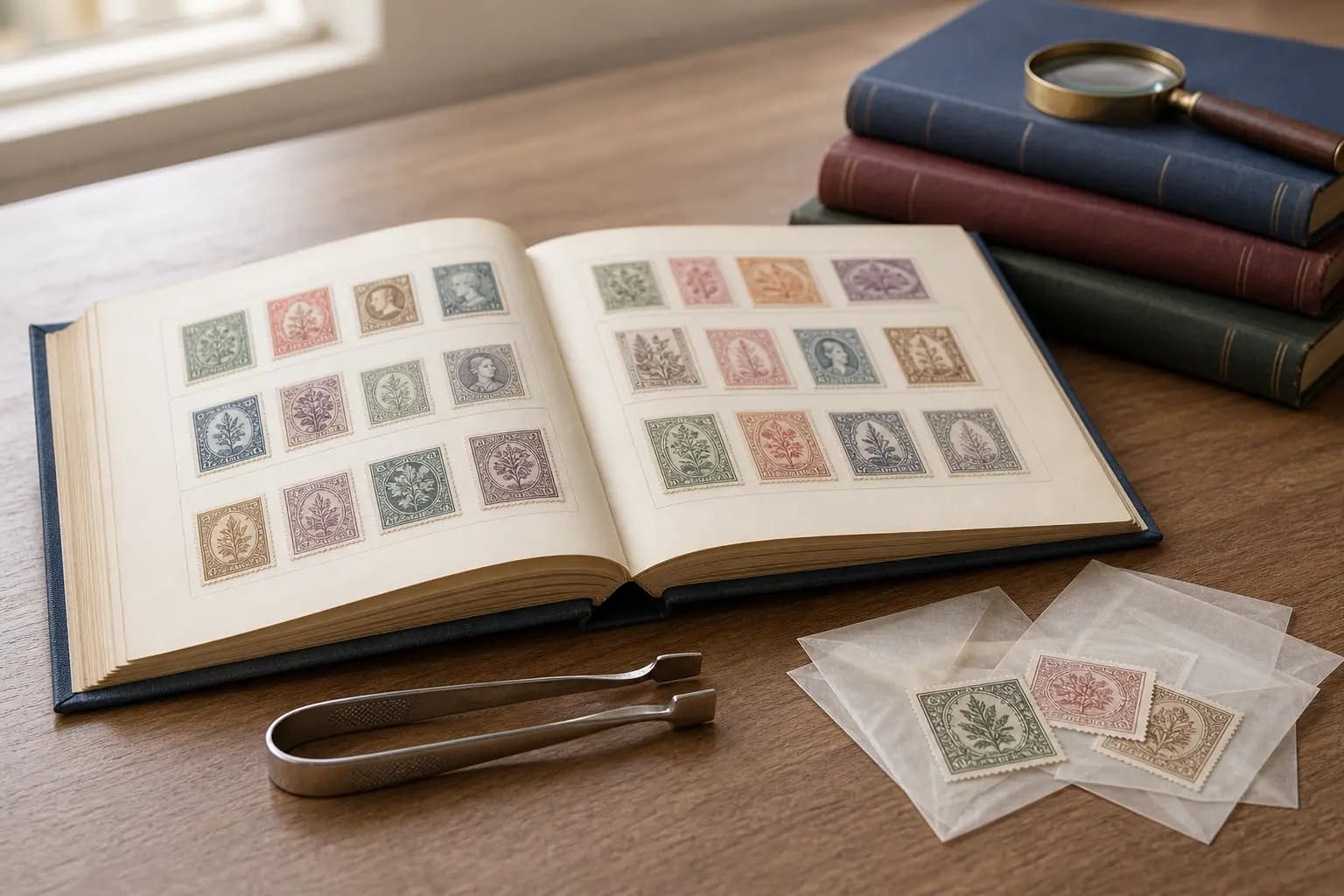
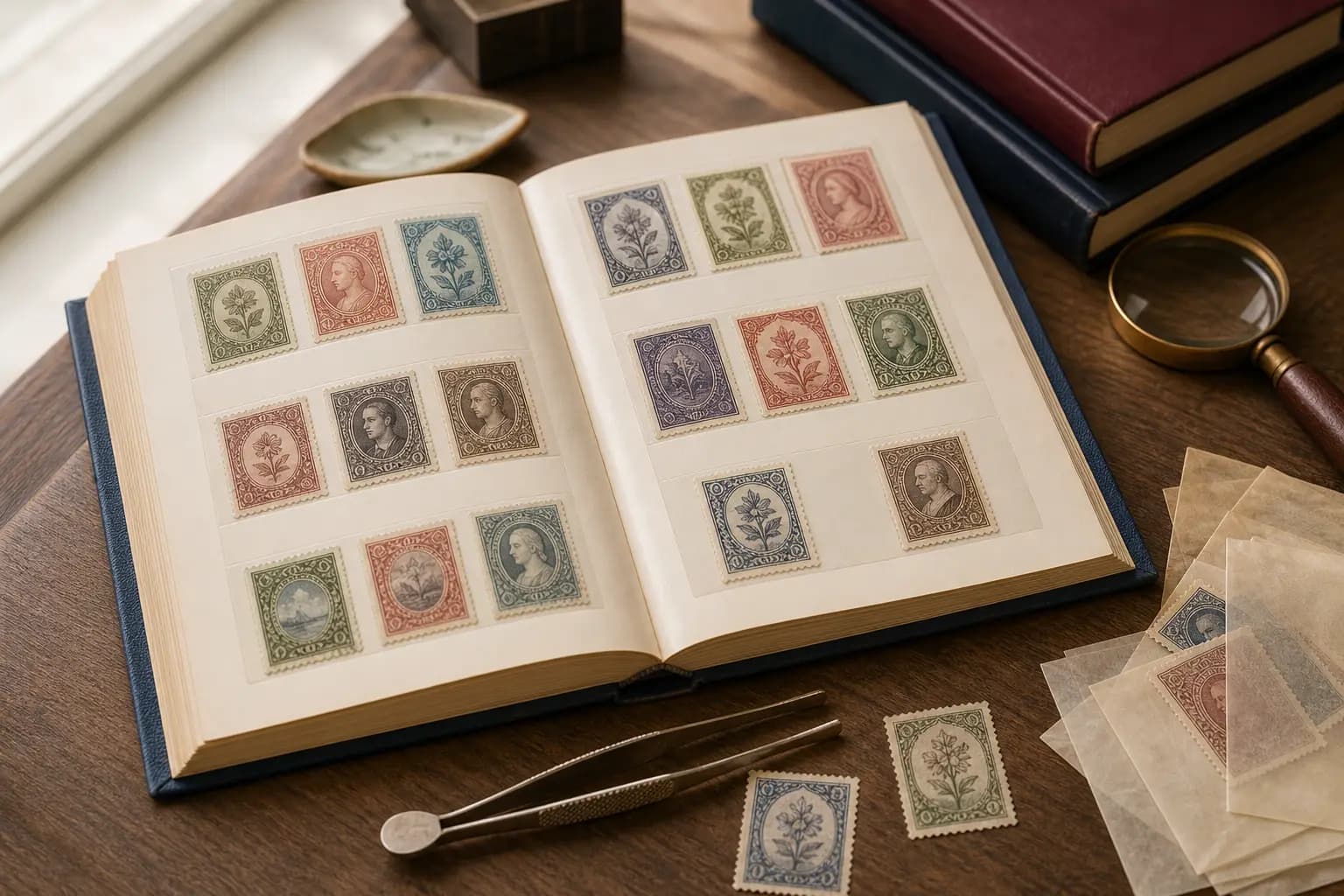
To begin your philatelic journey on the right foot, you do not need an overwhelming amount of expensive gear. The Smithsonian National Postal Museum identifies a simple pair of stamp tongs, an album, and a general reference book as sufficient starting tools for a new collector.
This basic combination allows you to handle your stamps safely, store them securely, and begin researching their historical contexts. Starting with these essentials keeps the hobby accessible while ensuring your stamps remain protected from accidental damage.
Handling Stamps Safely with Tongs
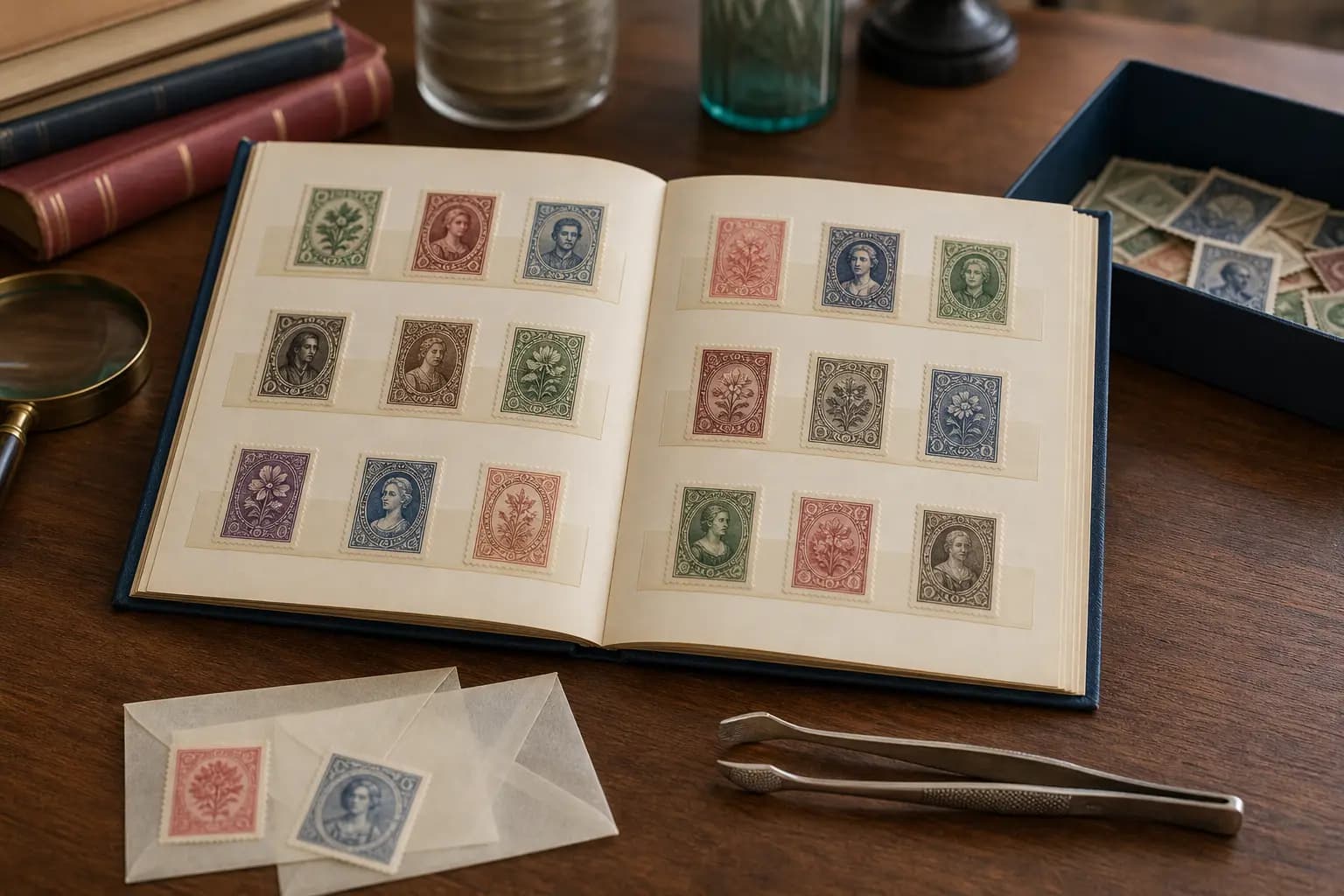
Among the most critical tools in any philatelist's kit is a pair of stamp tongs. Unlike household tweezers, stamp tongs have smooth, flat ends designed specifically for picking up loose stamps without direct finger contact.
Using tongs prevents the transfer of natural skin oils, dirt, and moisture to the fragile paper and gum of the stamp. Safe handling is paramount, and you should always avoid handling valuable or delicate material with your bare hands when appropriate tools are available.
Examining Details with Magnifiers and Gauges
As you acquire more stamps, you will quickly realize that many issues look remarkably similar at first glance. A magnifying glass is an invaluable tool that helps reveal small design details on these miniature works of art.
To further distinguish look-alike issues, a perforation gauge can be used to measure the spacing of the perforations along the stamp's edges. Because physical observations can sometimes be deceptive, combining magnification with a perforation gauge helps you gather the necessary physical clues for a more accurate assessment.
Organizing and Storing Your Collection
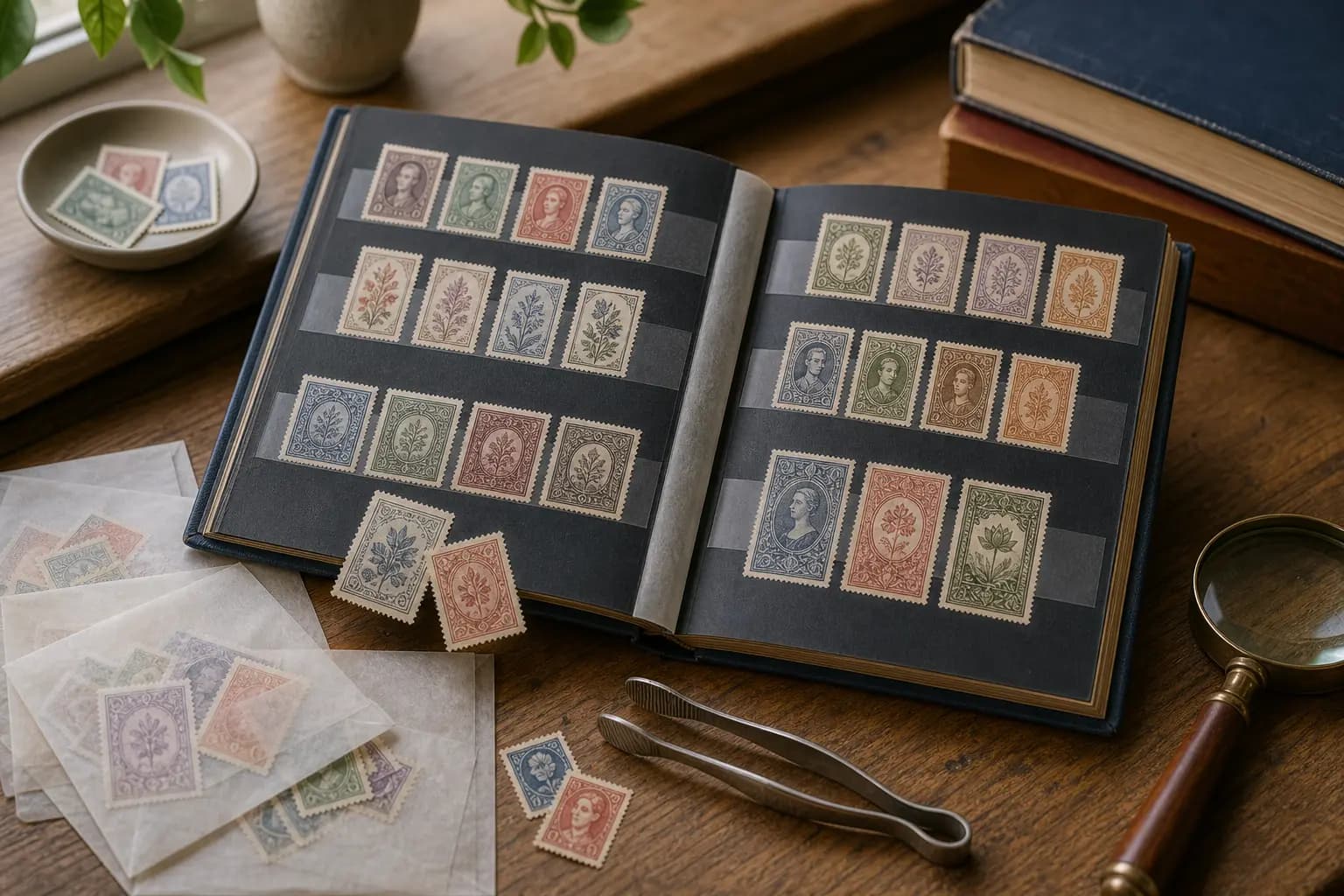
Organizing your collection is highly personal, and there is no single right or wrong way to do it. You might choose to collect worldwide issues, focus on a single country, or build a topical collection around subjects like animals, space, or sports.
An album provides the physical structure to display and protect your stamps. To complement your physical album, you can use the StampSnap app to scan your stamps, helping you create a likely identification and maintain a digital record of your collection.
Using Reference Books and Catalogs
Physical observations of your stamps should always be compared with reliable reference materials. A general reference book or stamp catalog is essential for recording details such as issue dates, watermarks, and printing methods.
The Smithsonian National Postal Museum emphasizes that physical observations should be compared with reliable references rather than treated as conclusive on their own. This methodical approach ensures you do not misidentify a common variety as a rare one.
Advanced Specialist Aids
As you gain experience, you may wish to expand your toolkit with specialist aids. Watermark detectors and color guides are excellent tools for analyzing advanced stamp varieties.
While these specialized instruments offer deeper insights, beginners should focus on mastering the basic tools first. Utilizing digital tools like StampSnap can also assist you in organizing your duplicates and keeping track of your inventory as you transition your stamps into long-term protective storage.
Frequently asked questions
What are the most basic tools needed to start stamp collecting?
According to the Smithsonian National Postal Museum, a simple pair of stamp tongs, an album, and a general reference book are sufficient starting tools for any new collector.
Why should I use stamp tongs instead of my fingers?
Stamp tongs feature smooth ends designed to pick up loose stamps without direct finger contact. This protects the fragile paper and gum from skin oils, dirt, and moisture.
How do I tell look-alike stamps apart?
You can use a magnifying glass to reveal small design details and a perforation gauge to measure the perforations. Always compare these physical observations with a reliable catalog or reference book rather than treating visual clues as conclusive on their own.
Is there a correct way to organize my stamp collection?
No, there is no single right way to collect. You can organize your collection by country, worldwide issues, or by topics such as animals, space, or sports, depending on your personal preference.