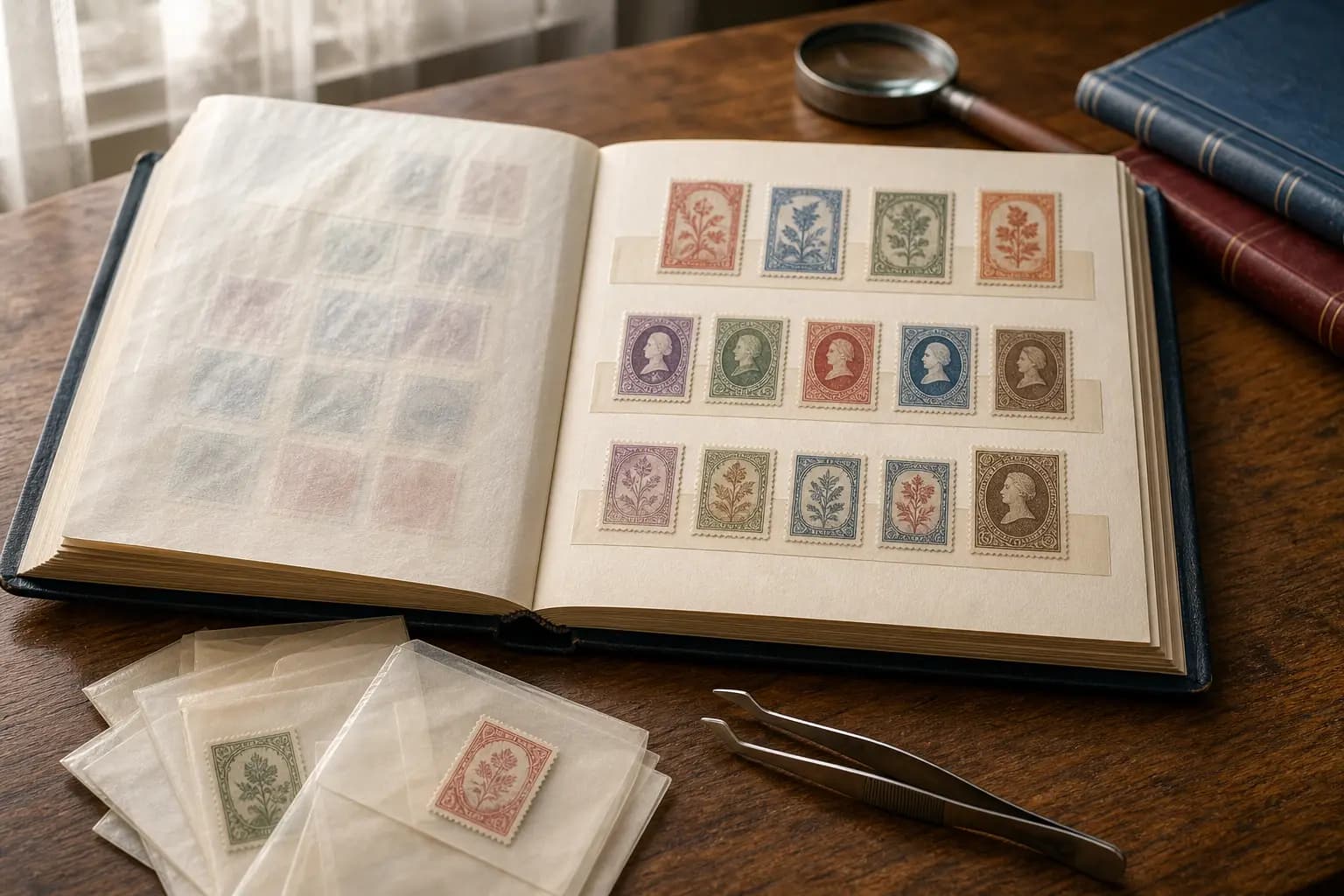
The Challenge of Worldwide Volume
Many philatelists begin their journey by attempting to collect everything worldwide. However, the countries of the world issue a total of about 10,000 postage stamps each year. Unless a collector possesses an unlimited amount of money, space, and time, trying to acquire every single stamp ever issued is highly unrealistic.
Specializing is a natural progression that makes the hobby far more manageable and enjoyable. By narrowing your focus, you can build a comprehensive and satisfying collection without feeling overwhelmed by the sheer volume of global postal releases.
Defining Your Birth-Year Parameters
One increasingly popular method of narrowing your specialty is to limit your collection to stamps issued since your birth year. This approach provides a clear, logical starting point and connects your collection directly to your own lifetime.
Within this specialty, you can choose to collect stamps from your home country, a country where you spent a memorable vacation, or countries whose designs simply look interesting. This strategy allows you to explore modern postal history and watch how stamp designs, printing technologies, and postal rates have evolved alongside your own life.
Choosing Between Mint and Used Modern Issues
When building a birth-year collection, you must decide whether to collect mint stamps, used stamps, or a mixture of both. Mint stamps have never been used and look exactly as they did when sold at the post office. Used stamps, which have served their purpose of carrying the mail, offer several practical advantages.
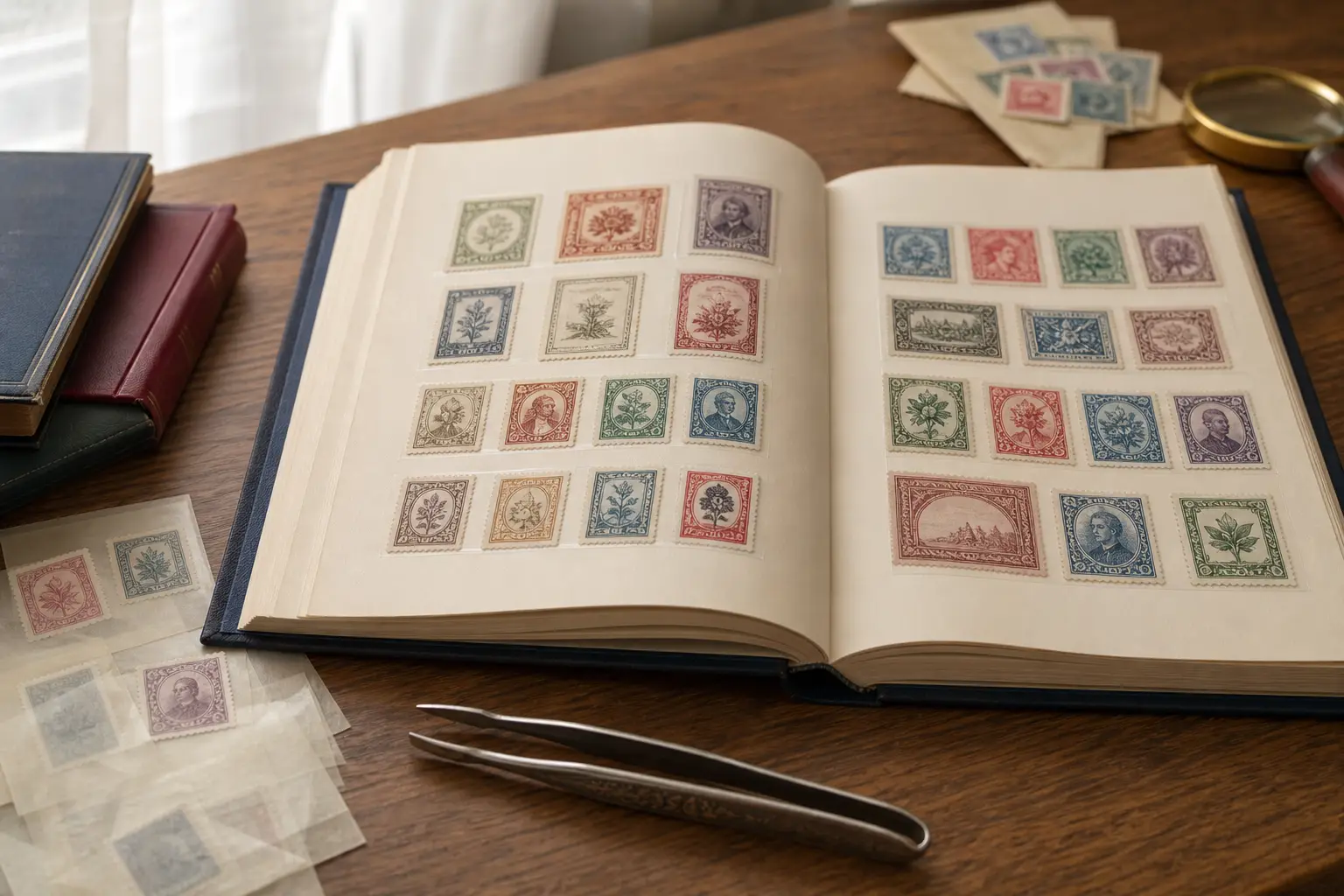
Most stamps cost less used than mint, though exceptions exist. Additionally, you do not have to worry about preserving the original gum on used stamps, allowing you to use inexpensive stamp hinges to mount them on album pages. You can use StampSnap to log these modern issues and create a likely identification or digital collection record as you acquire them.
Essential Tools for Safe Handling
Handling modern stamps requires a methodical process and the appropriate tools to prevent damage. According to the Smithsonian National Postal Museum, a basic kit should include a simple pair of stamp tongs, an album, and a general reference book.
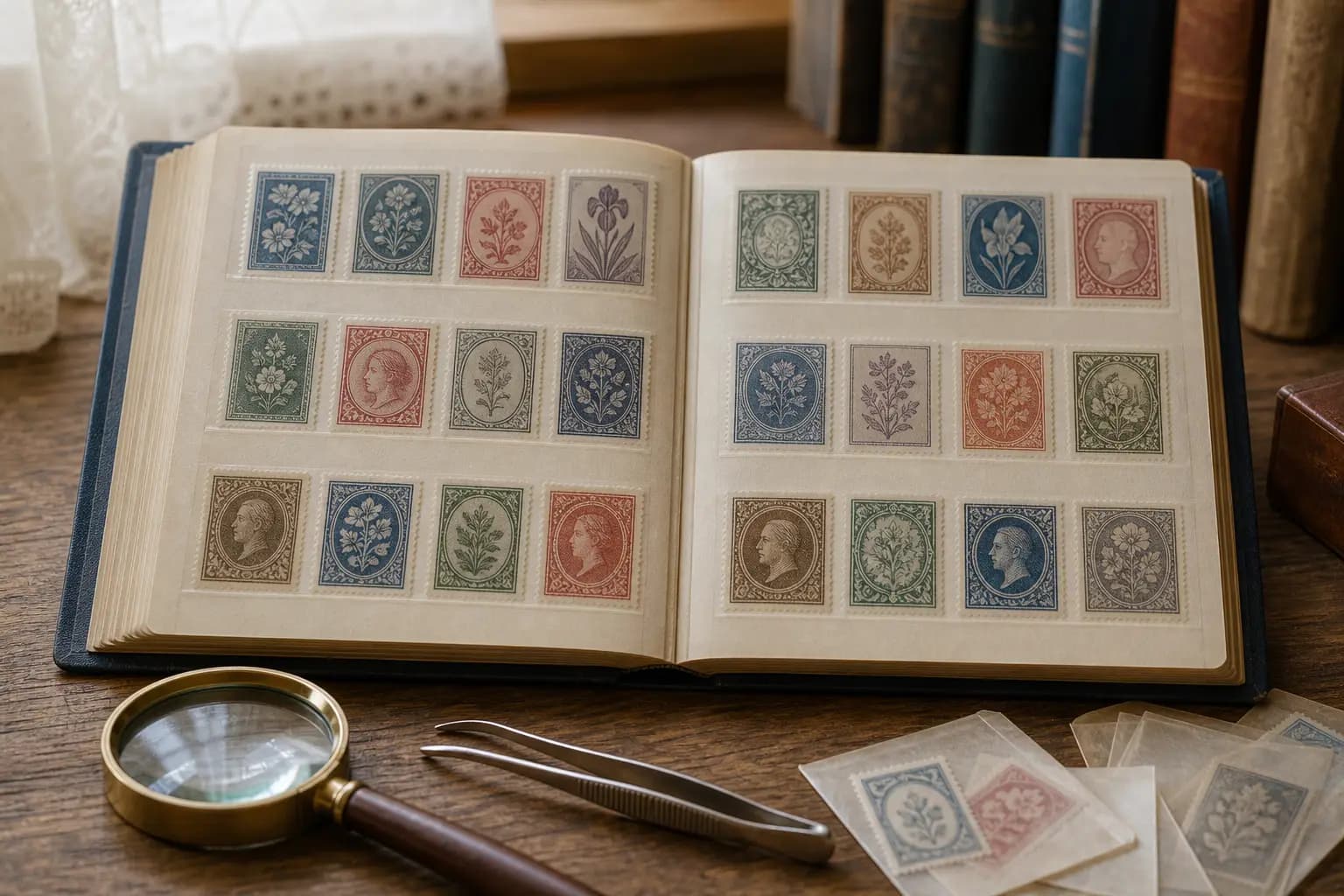
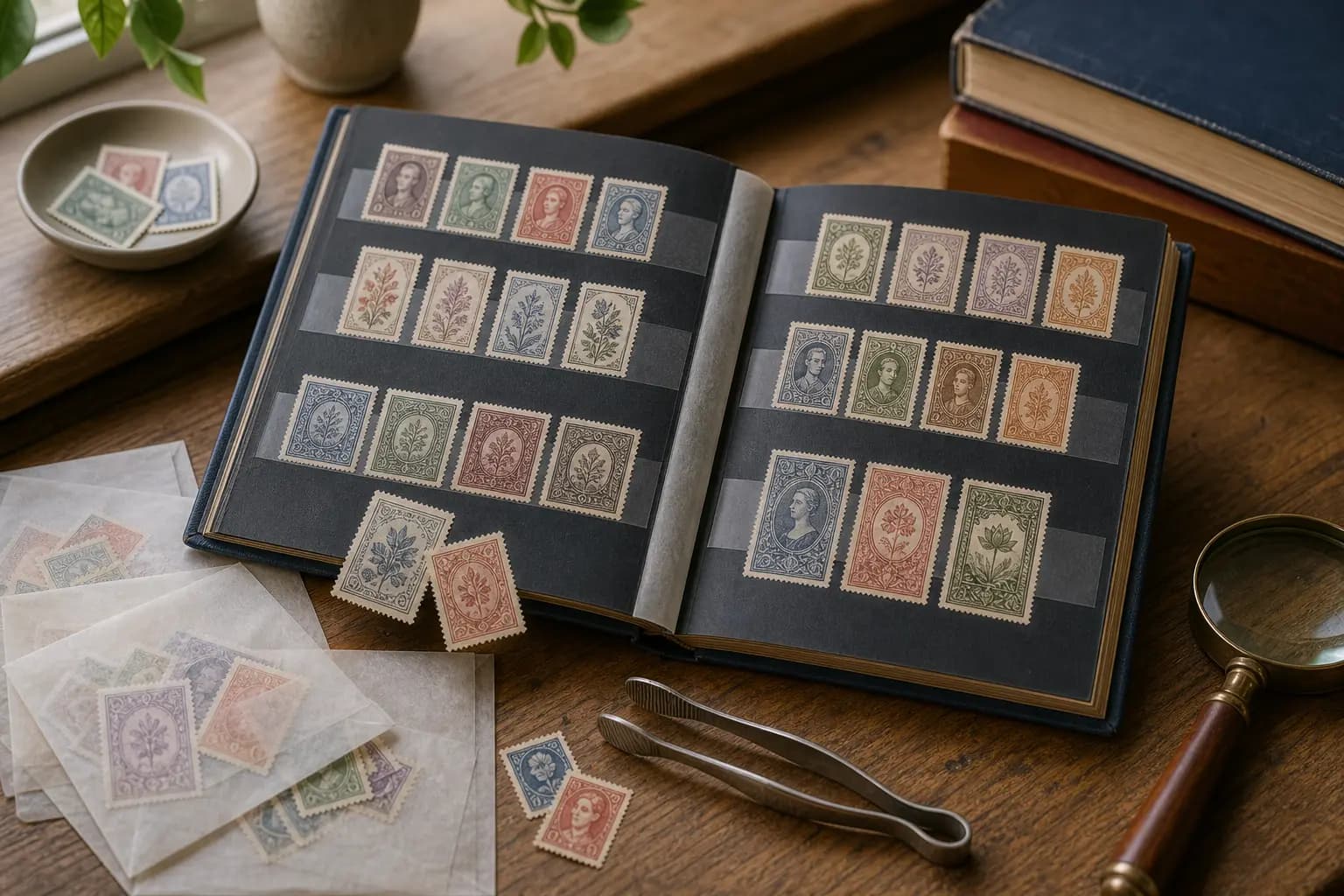
Tongs feature smooth ends designed for picking up loose stamps without direct finger contact, protecting them from skin oils. A magnifying glass is highly useful for revealing small design details on modern issues, while a perforation gauge can help you distinguish look-alike issues by measuring their perforations. Using these tools ensures your collection remains in excellent physical condition.
Verifying Details with Catalogs and Reference Material
While physical inspection is vital, observations should always be verified against reliable references. Specialist aids such as watermark detectors, color guides, and stamp catalogs are invaluable for this purpose. Catalogs record essential details, including the exact issue date and the printing method used.
Because visual identification alone is not always conclusive, comparing your physical observations with these reference books is the safest way to classify your stamps. You can also utilize StampSnap to assist in analyzing design elements and establishing a likely identification before cross-referencing with your catalogs.
Embracing Personal Enjoyment and Customization
Ultimately, the beauty of a birth-year collection lies in its flexibility. You can customize and organize your album pages however you want, perhaps integrating topical themes like space, animals, or sports issued during your lifetime.
As the American Philatelic Society emphasizes, the important thing about stamp collecting is not the monetary value of your collection or how many other people collect the same thing, but rather your own personal enjoyment. By focusing on a timeline that matches your own, you create a unique, historical archive of the world as it has developed during your lifetime.
Frequently asked questions
Why is a birth-year stamp collection a practical choice for collectors?
It helps narrow down the overwhelming volume of global issues—which totals about 10,000 new stamps each year—into a manageable, personalized specialty that represents the modern postal history of your own lifetime.
What are the advantages of collecting used stamps instead of mint stamps for this specialty?
Used stamps generally cost less than mint stamps, and you do not have to worry about preserving the gum. This allows you to use inexpensive stamp hinges to mount them safely on your album pages.
What basic tools do I need to safely handle and identify modern stamps?
According to the Smithsonian National Postal Museum, you should use a simple pair of stamp tongs with smooth ends to avoid direct finger contact, an album, a general reference book, a magnifying glass, and a perforation gauge to measure perforations.