The Creative Appeal of Visual Stamp Collecting
Stamp collecting is a highly flexible hobby suitable for nearly all ages, climates, and budgets, requiring no special skills or great wealth. Often called the hobby of kings and the king of hobbies, it has attracted famous enthusiasts from all walks of life, including President Franklin Roosevelt, John Lennon, and Maria Sharapova. While many traditional collectors focus on chronological or country-specific limits, collecting stamps by visual traits offers a creative alternative.
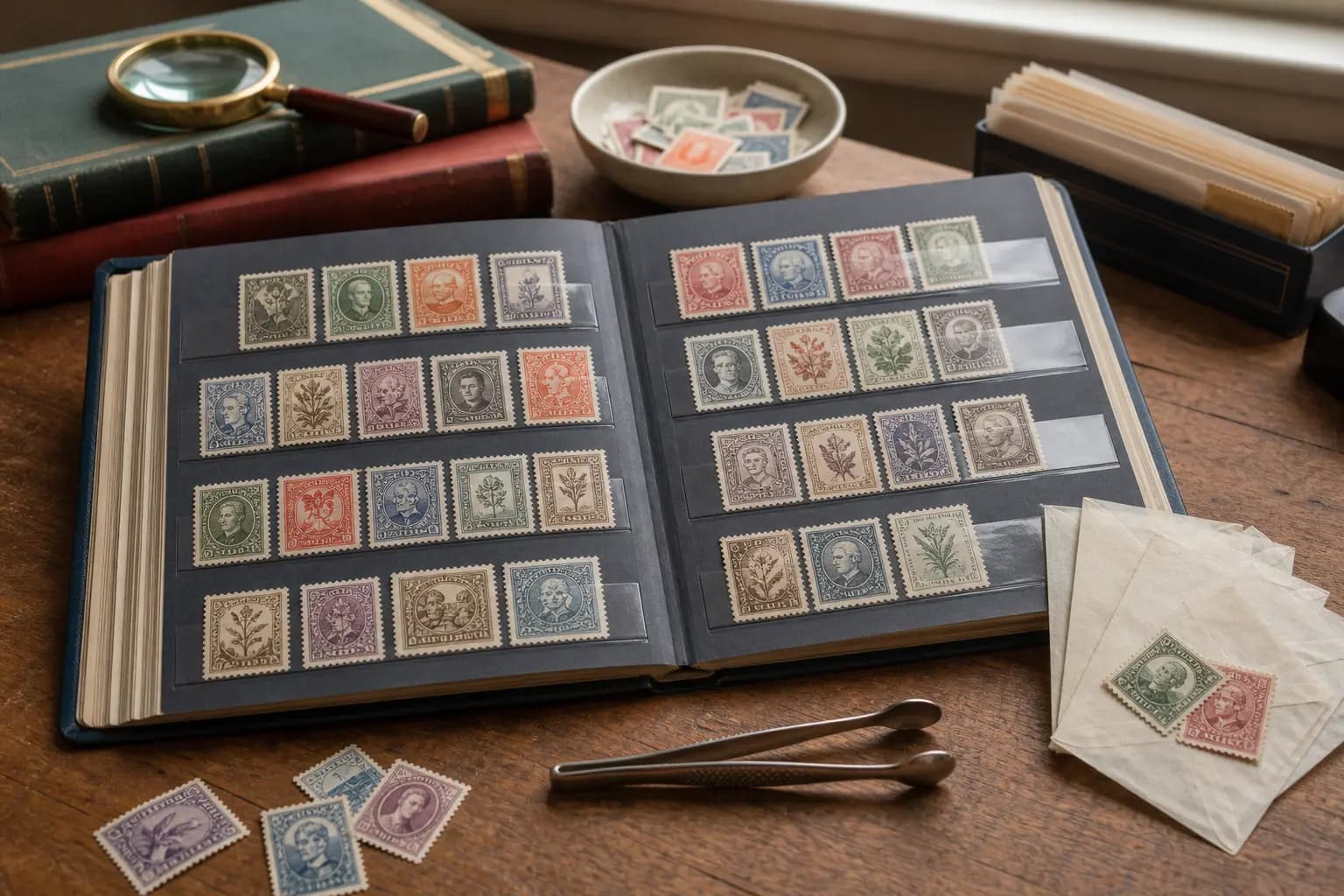
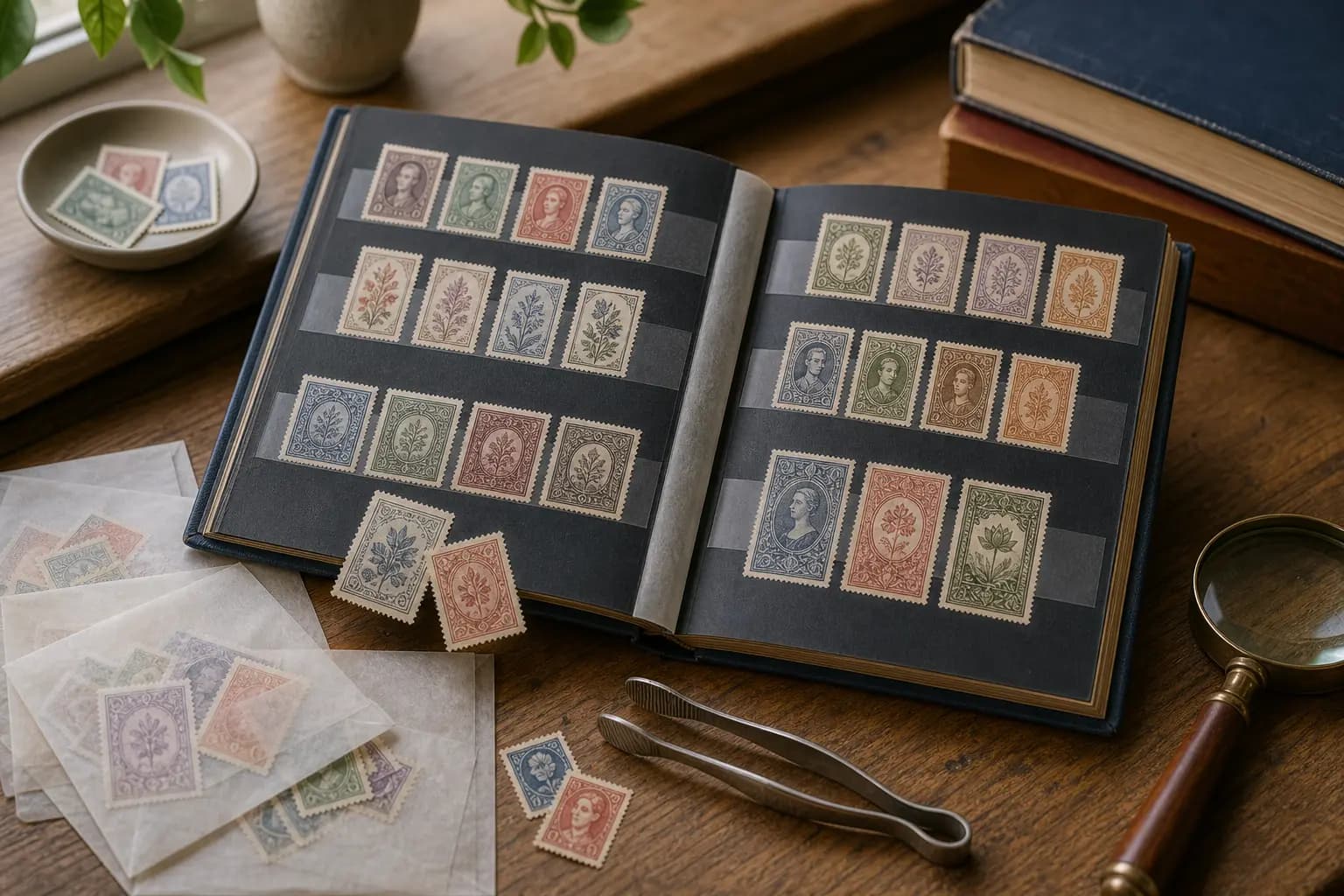
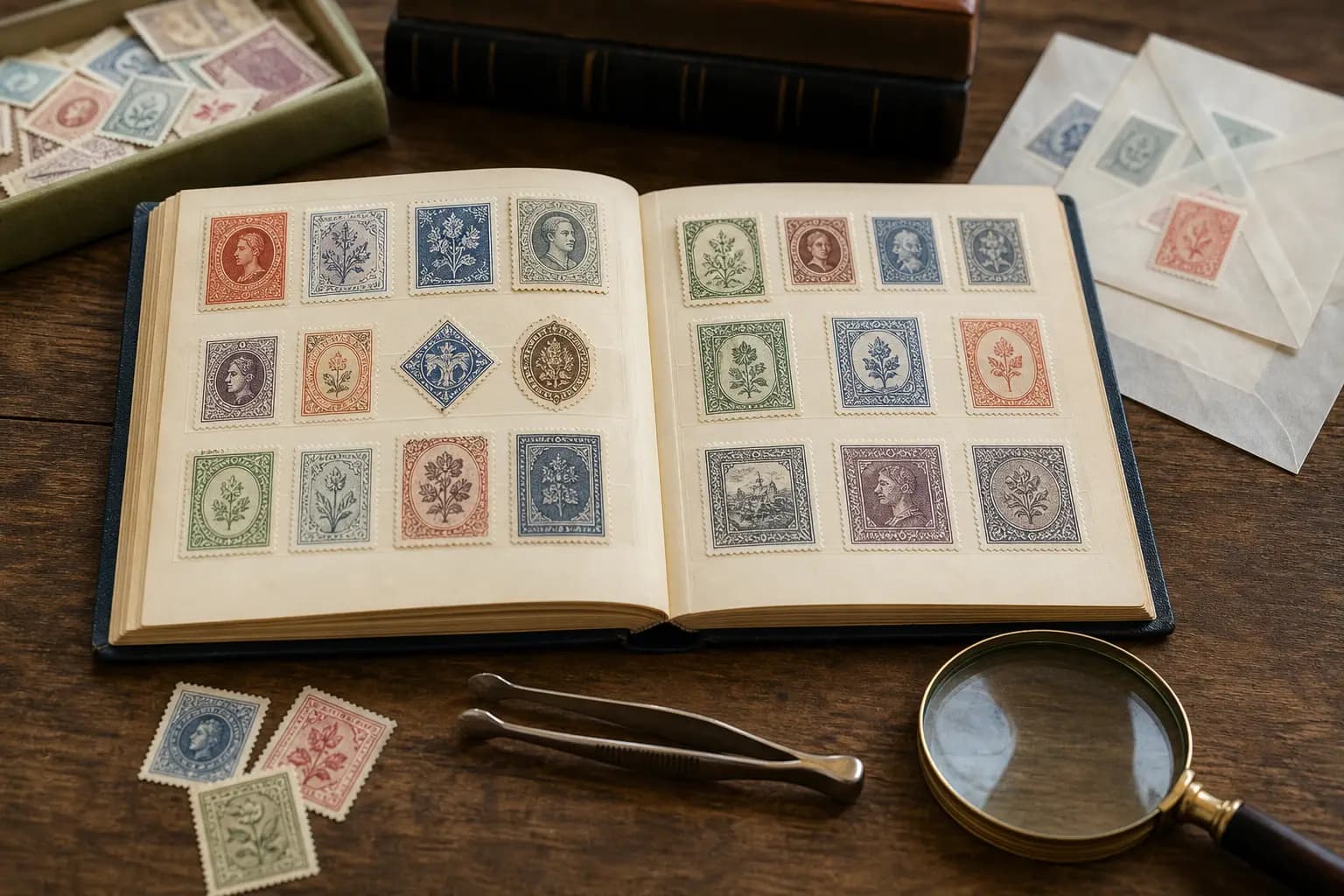
Because stamps are miniature works of art, building a collection around visual elements like color, shape, and design themes allows you to gain a large amount of knowledge while enjoying a relaxing and personalized hobby. There is no right or wrong way to collect, and your collection can be customized exactly how you want it.
Selecting Stamps by Color and Shape
With the countries of the world issuing about 10,000 postage stamps each year, attempting to collect every single issue is often unrealistic due to constraints on money, space, and time. Focusing on specific visual traits, such as color or shape, makes the hobby highly manageable and visually striking.
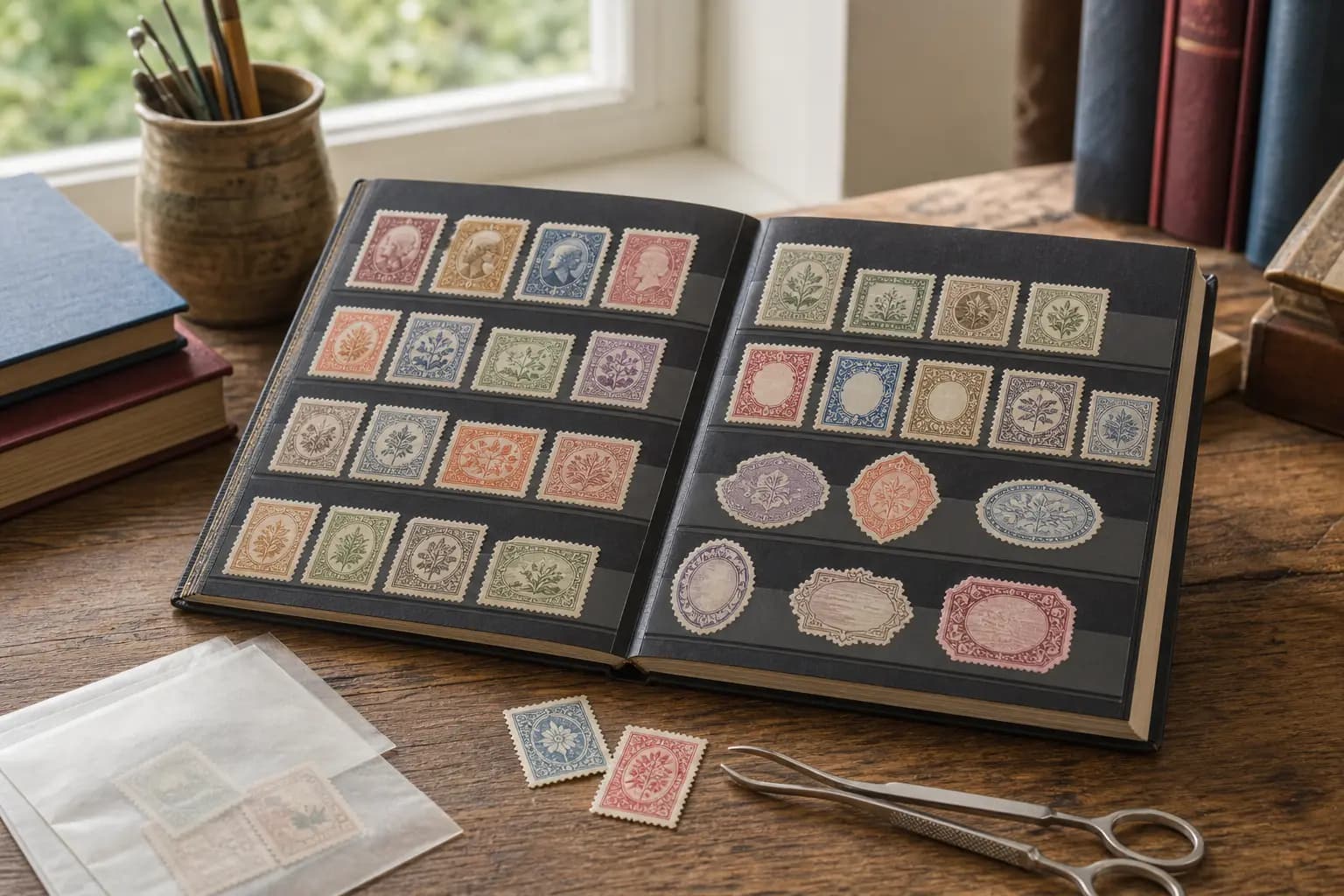
For example, some collectors choose to collect only yellow stamps, while others seek out stamps of unusual shapes. This creative approach allows you to explore diverse issues from all over the world without the pressure of completing a standard country-specific run, making your album a unique showcase of design.
Integrating Postmarks, Cancellations, and Mail Markings
Beyond the stamp itself, visual collectors often incorporate unique postmarks, cancellations, and other postal markings into their collections. You might choose to collect special postmarks that relate to a specific theme, or even build a collection with cancels numbered from one to one million.
Additionally, mail markings, postage meters, first day covers, and postal stationery offer great opportunities to expand a visual collection. Some philatelists also enjoy collecting non-traditional items like Christmas Seals, revenue stamps, and other postal ephemera to complement their visual themes.
Deciding Between Mint and Used Visual Specimens
When building a visual collection, you will need to decide whether to collect mint stamps, used stamps, or a mixture of both. Mint stamps have never been used and look exactly as they did when sold at the post office, preserving their original visual design.
Used stamps, which have served their purpose of carrying the mail, often feature interesting cancellations that add character. Used stamps generally cost less than mint stamps, and you do not have to worry about preserving the gum, allowing you to use inexpensive stamp hinges to mount them safely on album pages.
Safe Handling and Essential Tools for Visual Inspection
To protect your stamps as you organize them by visual traits, practicing safe handling is essential. The Smithsonian National Postal Museum identifies a simple pair of stamp tongs, an album, and a general reference book as sufficient starting tools for a new collector.
Tongs with smooth ends are vital for picking up loose stamps without direct finger contact, preventing damage from skin oils. A magnifying glass helps reveal small design details, while a perforation gauge can distinguish look-alike issues. For advanced study, specialist aids like watermark detectors, color guides, and catalogs can help you analyze your stamps safely.
Organizing and Verifying Your Visual Collection
Organizing your visual collection requires careful record-keeping and verification. You can use tools like StampSnap to scan your stamps and create a likely identification or a digital collection record. However, because visual identification alone is not always conclusive, physical observations should always be compared with reliable references.
Catalogs record critical details such as issue dates and printing methods, which help you verify your findings. By combining digital tools like StampSnap with traditional catalogs, you can safely build, document, and enjoy a unique visual stamp collection.
Frequently asked questions
Can I collect stamps based only on their color or shape?
Yes. Stamp collecting is highly flexible, and some collectors choose to collect only stamps of a certain shape or color, such as only yellow stamps, to build a unique and personalized collection.
What is the difference between mint and used stamps for a visual collection?
Mint stamps have never been used and look as they did at the post office. Used stamps have carried mail, often cost less, can be mounted with inexpensive hinges, and feature interesting cancellations that some collectors prefer.
What basic tools do I need to safely handle my stamp collection?
According to the Smithsonian National Postal Museum, a simple pair of stamp tongs with smooth ends, an album, and a general reference book are sufficient starting tools to handle stamps safely without direct finger contact.
How can I verify the identity of a stamp in my visual collection?
You can use StampSnap to create a likely identification or collection record, but you should always compare your physical observations and visual traits with a reliable stamp catalog to verify details like issue date and printing method.