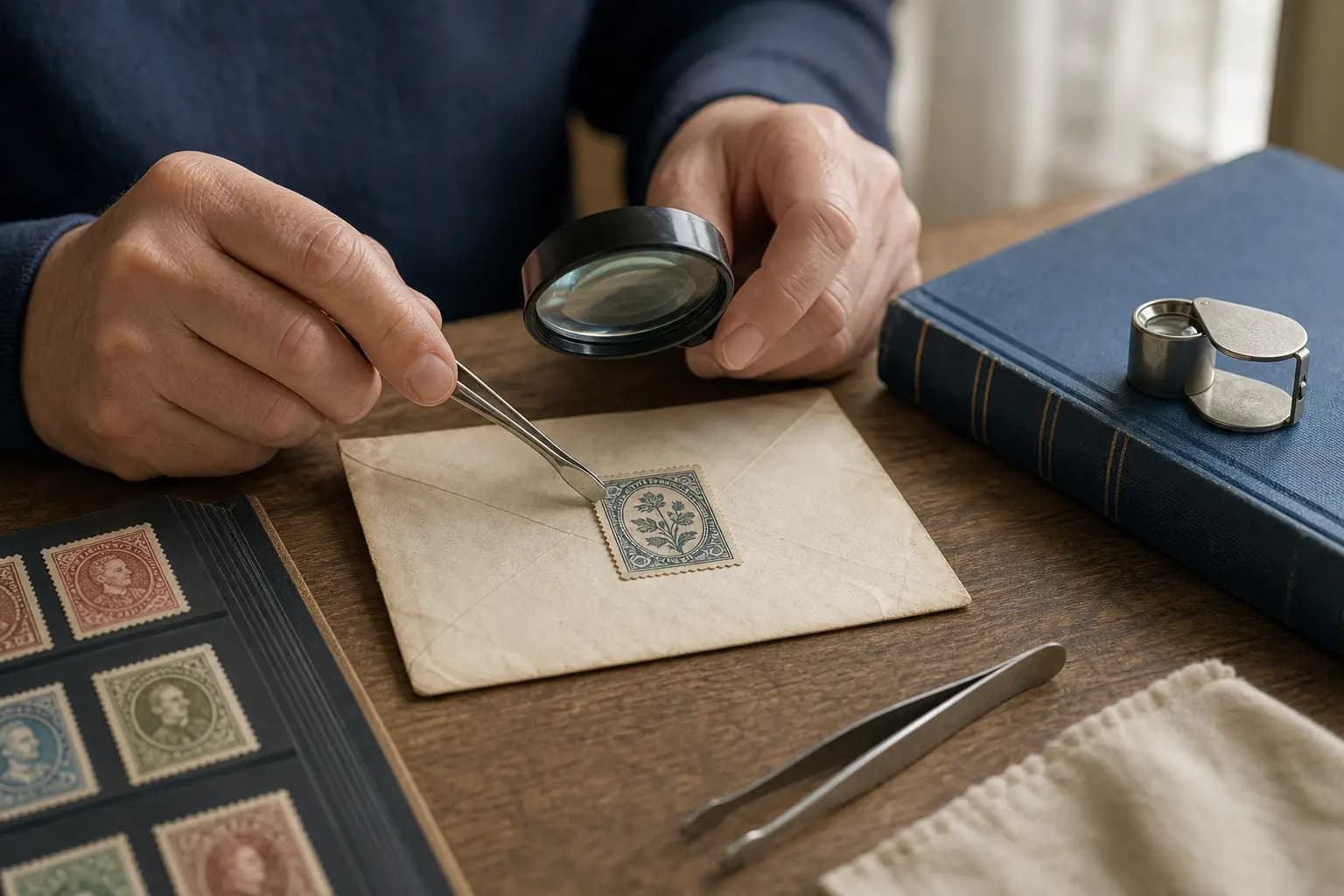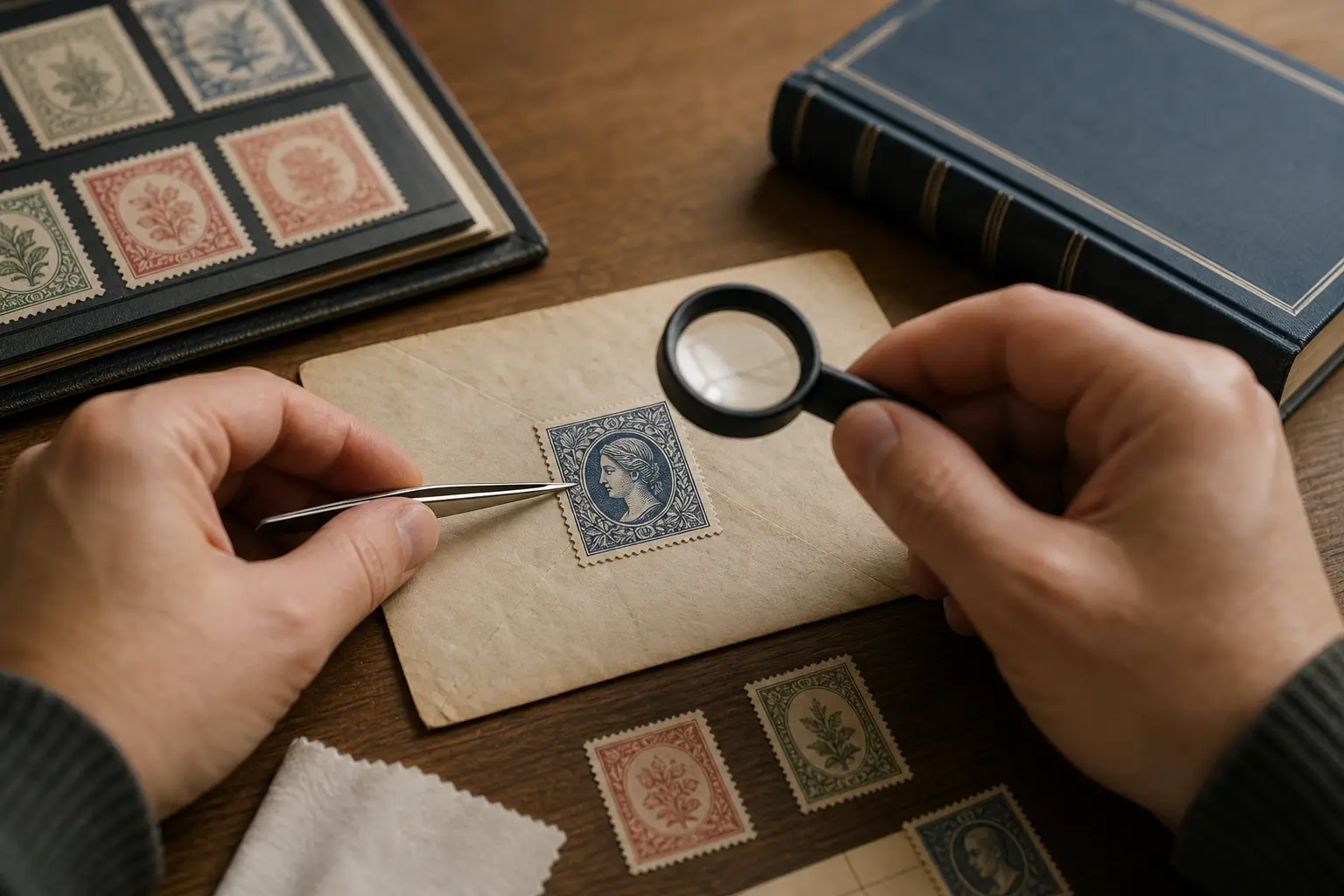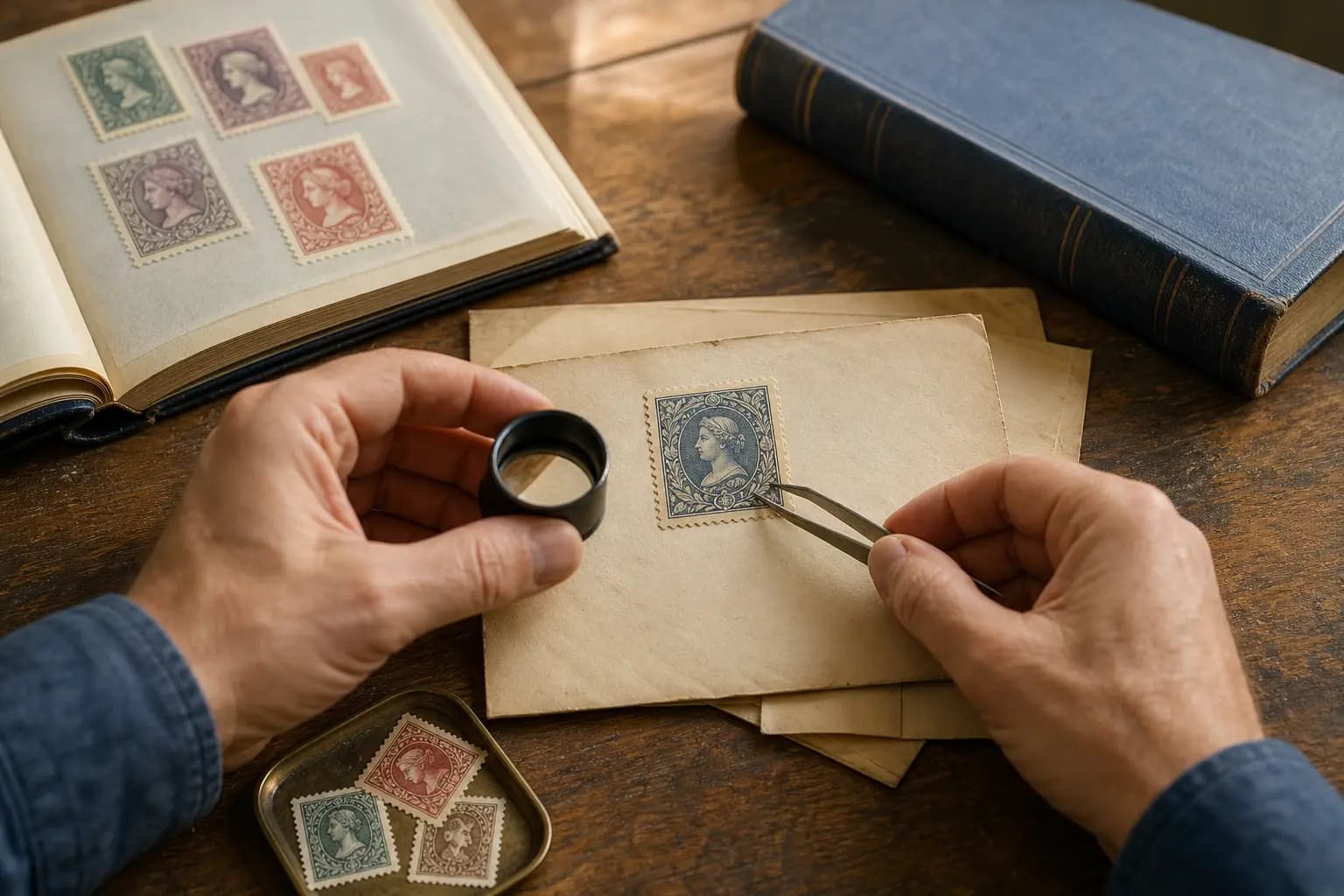
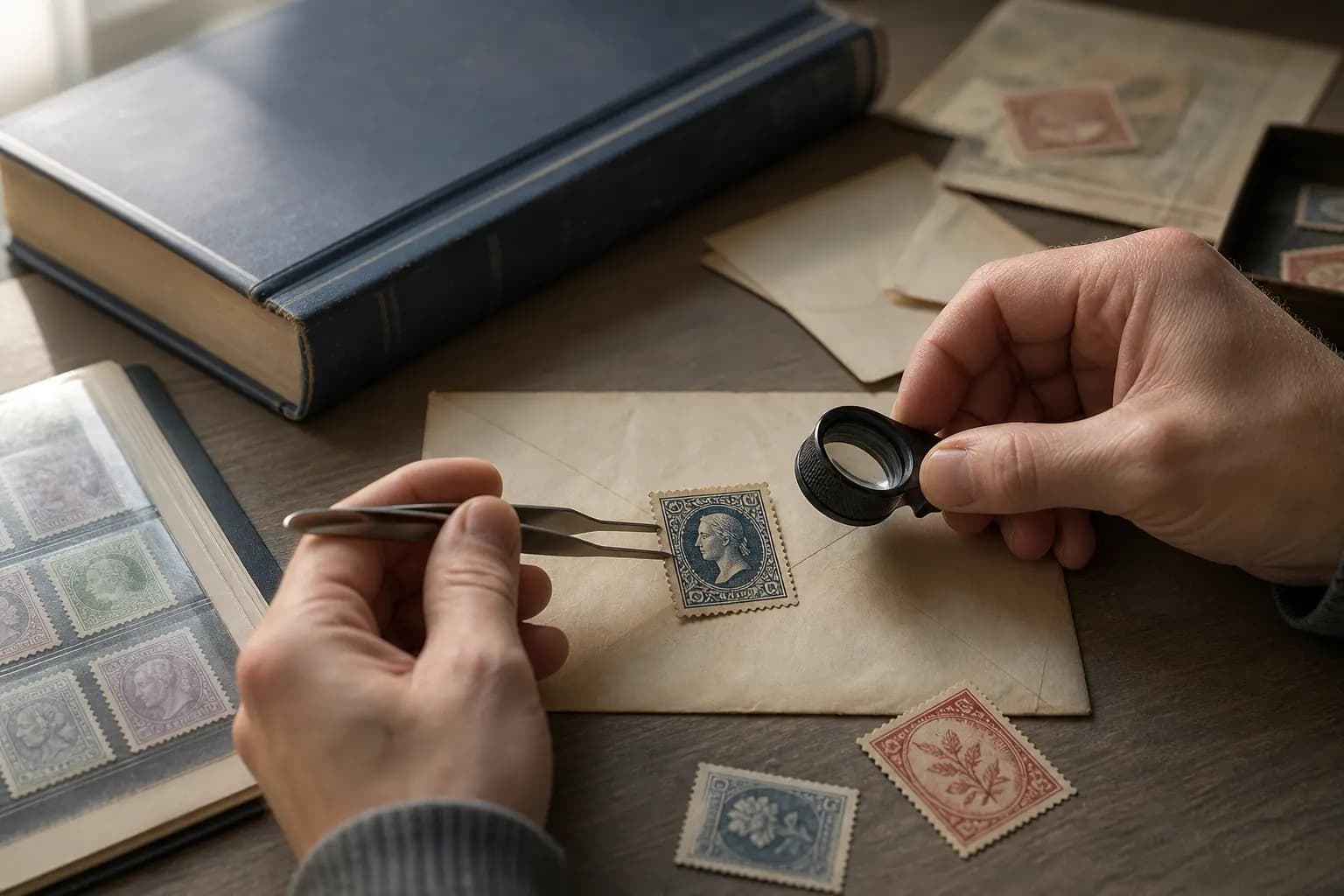
Short answer: sometimes a watermark changes value a lot
A watermark can make a stamp more valuable when it is the feature that separates one catalog listing from another. The American Philatelic Society notes that stamps with the same design but different paper, including the presence or absence of a watermark or a different watermark design, generally receive separate catalog numbers. In other words, the paper can be part of the identity of the stamp, not just a background detail.
That is why watermark study belongs in valuation, not only identification. If a catalog treats one paper type as a different listing, the market may treat it differently too. The APS also explains that a watermark may be the sole difference between a very common stamp and one valued in the hundreds or thousands of dollars, which is why collectors should check carefully before deciding a stamp is ordinary.
What a watermark is and why it matters
According to the APS, watermarks are a security measure incorporated in stamp paper to deter counterfeiting. They may be words, letters, symbols, or monograms, and they are formed from dies attached to the frame used to make paper from pulp. Those dies create thin places in the paper, which is why the mark can sometimes be seen by looking through the paper or bringing it up with proper tools.
For collectors, the important point is that a watermark is not just decoration. It may be part of the official paper specification, and the same stamp design can exist on unwatermarked paper, on watermarked paper, or even with different watermark designs. That means the stamp’s true identity and its value can depend on something that is easy to miss if you only look at the printed design.
How to check a watermark safely
The safest practical approach is to examine the stamp from the back in a controlled way. The APS says collectors refer to the appearance of watermarks as viewed from the back of the stamp, and recommends laying the stamp face down in a dark tray and moistening it with watermark fluid. The fluid brings up the watermark in dark lines against a lighter background and evaporates quickly, which should not impact the gum on an unused stamp.
The APS specifically recommends commercial watermark fluid rather than lighter fluid and notes that it helped develop and uses Clarity watermarking fluid. Other tools such as the Safe Signoscope and Morley Bright Watermark Detector can also help. If you are working with valuable material, use the least invasive method that will answer the question, and avoid shortcuts that could disturb gum, paper, or surface condition.
Why condition and paper type both affect valuation
Watermarks do not determine value by themselves. They matter because they can separate one issue from another, but a stamp’s condition still matters greatly in any valuation process. The APS content points out that some watermarks are easy to see, while others, especially single-line watermarks on U.S. stamps, can be particularly difficult to detect. A stamp that seems to match a common listing may still turn out to be a different and scarcer paper type once examined properly.
This is also why collectors should not assume that every faint mark, line, or shadow is a true watermark. Some stamps only show a portion of the watermark, sometimes a small part of a single letter. If the identification is not conclusive, it is better to record it as uncertain than to force a value conclusion. StampSnap can help you create a likely identification or collection record, but it should be treated as a cataloging aid, not as a final appraisal.
Examples of watermark differences in the sources
The APS gives specific examples from U.S. material. It notes that a double-line USPS watermark was used on U.S. postage stamps from 1895 to 1910, and a single-line USPS watermark was used from 1910 to 1916. It also states that U.S. philatelic material can include other watermarks such as USPOD, USA, various monograms and numbers on postal stationery, and USIR on revenue stamps. These examples show how the paper itself can help distinguish one listing from another.
The APS also explains that some countries such as Ireland and Italy have watermarks that often can be seen without other tools, while many others require more careful study. That means there is no one-size-fits-all rule for valuation. A stamp that is easy to read in one collection may be much harder in another, so the collector’s job is to verify the paper type instead of assuming it from the design alone.
A safe method for deciding whether the watermark matters to value
First, identify the design as fully as you can and note any obvious clues such as color, perforations or lack of perforations, and visible inscriptions. The APS emphasizes that careful review of these details helps narrow the search in a catalog. Then check the back of the stamp for a watermark using appropriate equipment. If the watermark appears clearly and matches a distinct listing, record that result and keep the stamp with its condition notes.
If the result is partial, unclear, or inconsistent, stop and document the uncertainty instead of over-interpreting the evidence. The APS notes that some stamps show only a portion of the watermark, so a partial view is not unusual. For collectors building a reference system, writing down the observed paper type, the method used, and the level of confidence can prevent later confusion and help you compare similar stamps more responsibly.
What not to do when a watermark might affect value
Do not use rough handling, improvised chemicals, or anything that could disturb the gum or paper surface. The APS specifically recommends commercial watermark fluid and says it evaporates quickly, which is a much safer approach than attempting to force visibility with unknown household products. Also avoid treating every stamp the same way, because not all papers react the same way and not all stamps need the same level of intervention.
If the stamp appears important, uncertain, or potentially scarce, keep the process conservative. Use a dark tray, good lighting, and patient comparison against known listings or trusted references. The goal is not to make the stamp look different; it is to determine whether its paper type changes the identification enough to affect its value.
Frequently asked questions
Do watermarks always make a stamp more valuable?
No. A watermark matters when it separates one catalog listing from another or changes rarity, but value still depends on the stamp’s condition, paper type, and exact identification.
How do I check a watermark without harming the stamp?
The APS recommends laying the stamp face down in a dark tray and using commercial watermark fluid. It says the fluid evaporates quickly and should not impact the gum on an unused stamp.
Can a stamp have more than one watermark type?
Yes. The APS says some stamps exist on unwatermarked and watermarked paper, and even on paper with different watermarks.
What if I can only see part of the watermark?
That can still be normal. The APS says many stamps show only a portion of the watermark, sometimes only a small part of a single letter, so partial evidence should be recorded carefully.
Can I use a watermark to identify a stamp by value alone?
No. A watermark is one important clue, but identification should also consider design details, color, perforations, and catalog context before any value judgment is made.