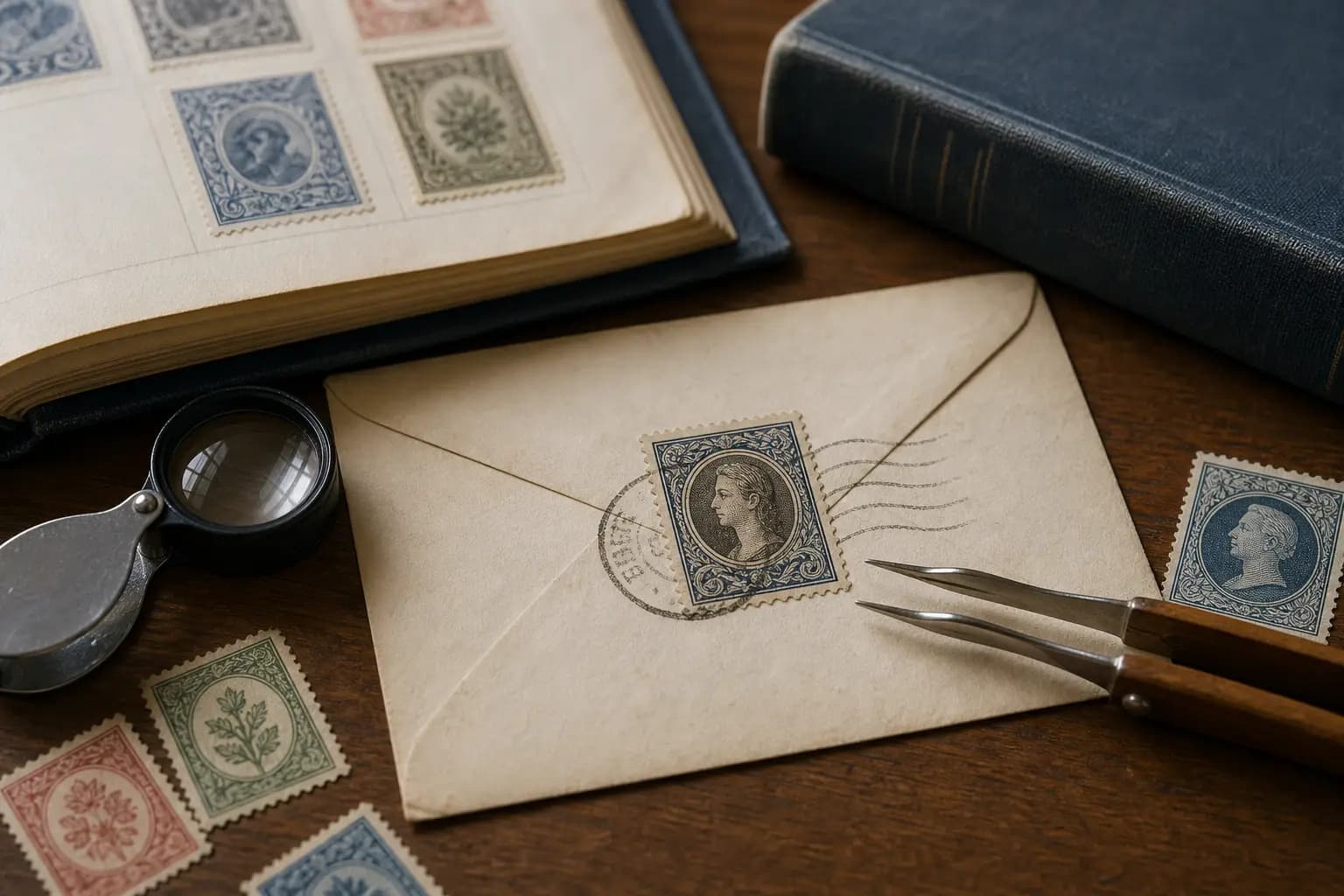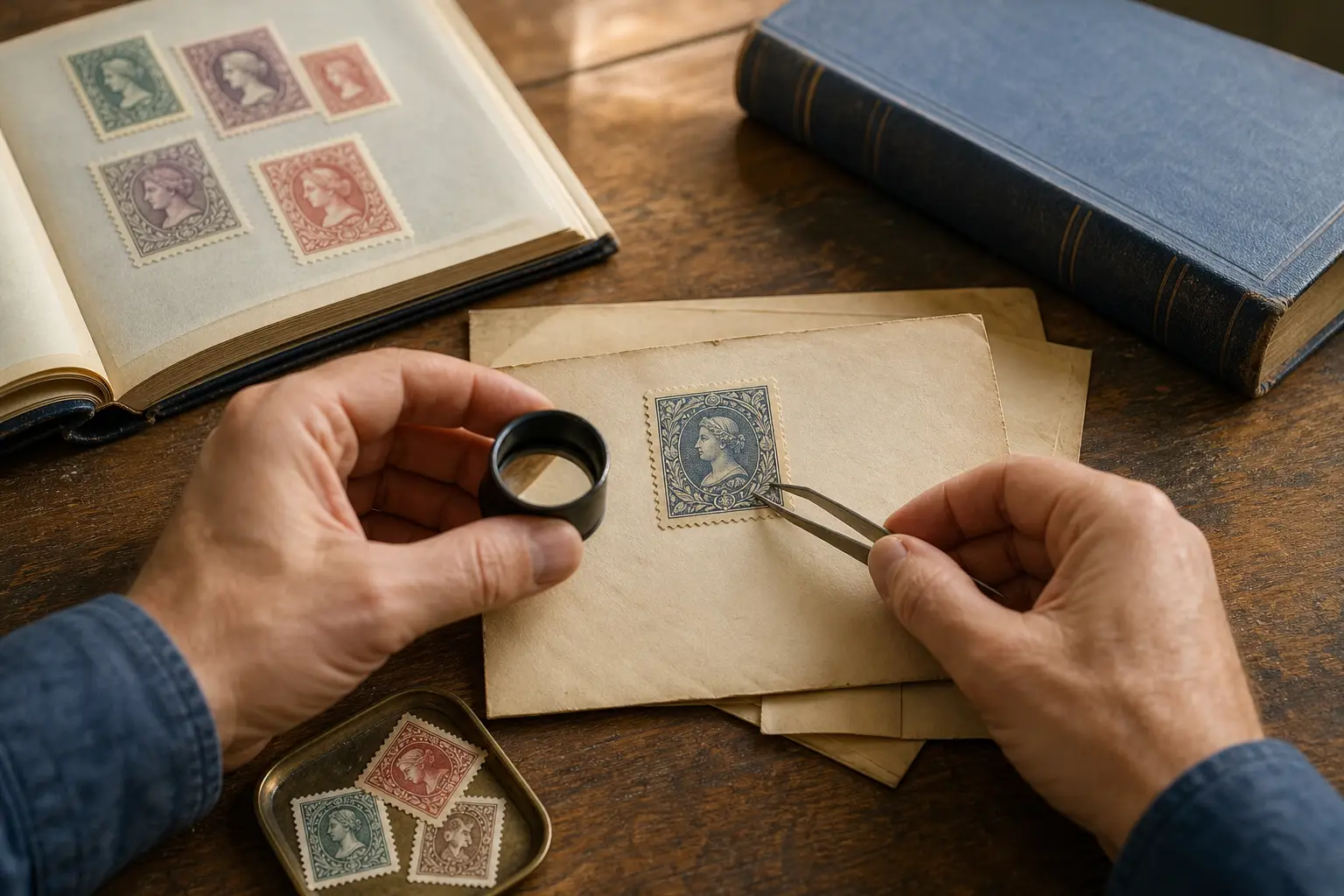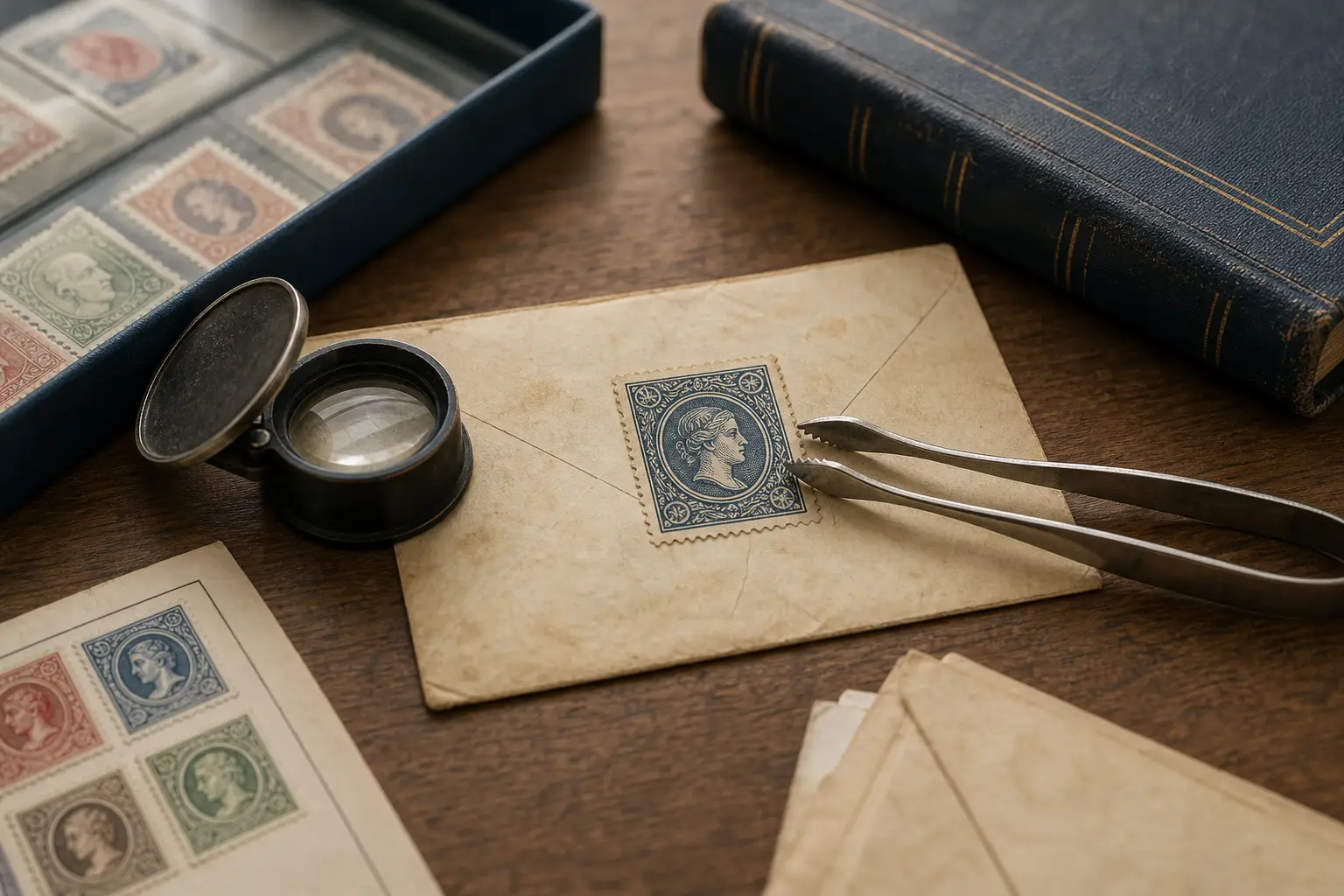
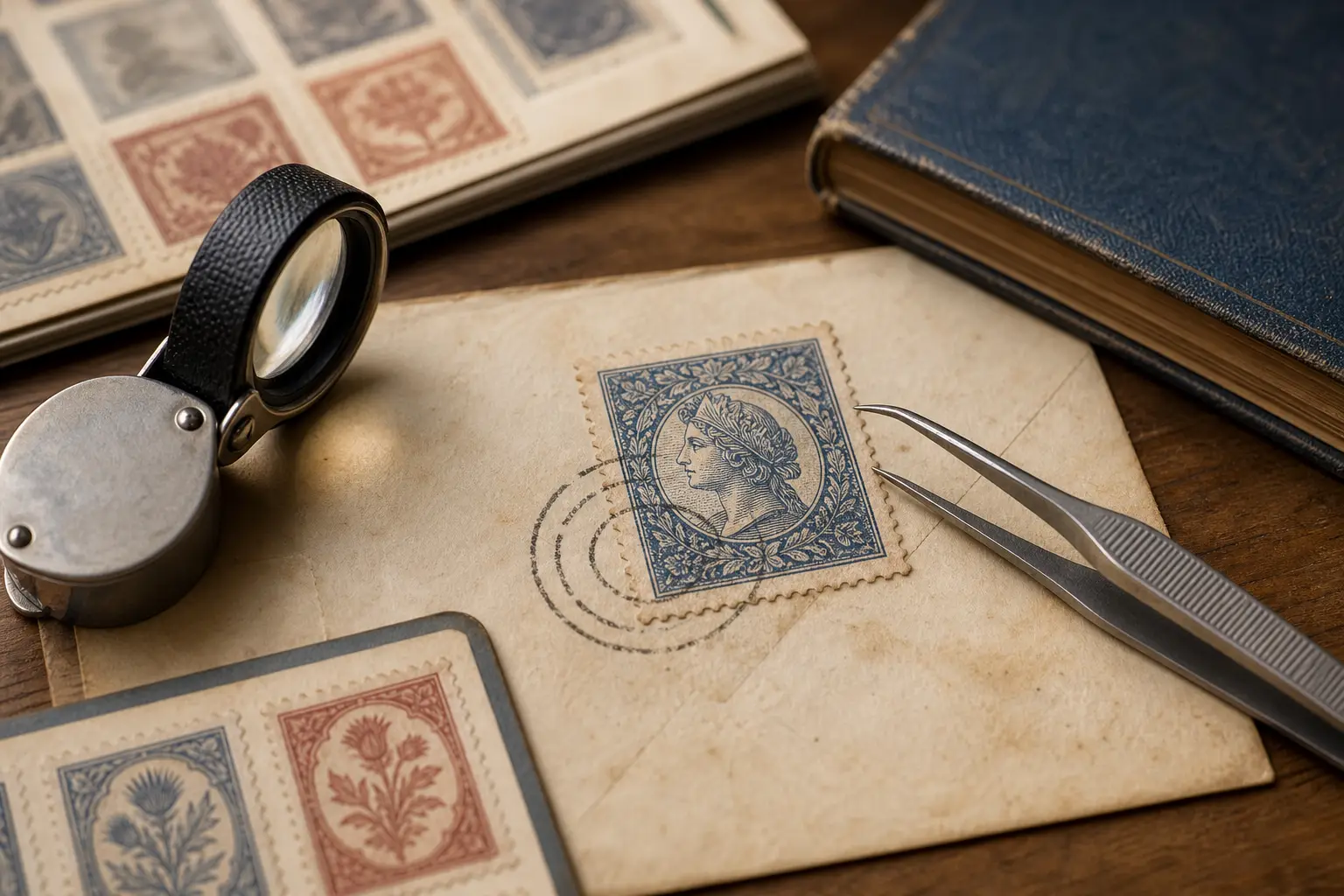
Short answer: small differences can change value a lot
Yes. When two stamps look almost the same, small differences can place them in different catalog listings and therefore different value ranges. The most important lesson is simple: do not assume a stamp is ordinary just because the design looks familiar. Watermarks, perforations or the lack of them, color, and tiny design changes can all be the clue that separates one issue from another.
The American Philatelic Society notes that look-alike definitives issued over decades can frustrate even experienced collectors, and that careful review of the stamp’s basic details is what narrows the search. In practice, that means value should be based on the exact issue, not on a general resemblance to another stamp. If the identity is still uncertain after safe checks, treat the stamp as unconfirmed until you can compare it against the right listing.
Why look-alike stamps can belong to different value groups
Two stamps with the same main design can still differ in the small features that catalogers use to separate issues. The APS gives examples where one version differs from another by wording in the design or by added date details in the corners. In one North Borneo example, the wording at the bottom changes between issues, and in a Liechtenstein example, corner dates distinguish a definitive from a commemorative. Those are not cosmetic differences; they are the details that identify the stamp.
That is why valuation starts with identification. A collector who stops at the country and the main portrait or emblem may miss the exact issue. Once the stamp is placed in the correct catalog group, the next step is to compare condition and completeness. But before any valuation judgment, the issue itself must be pinned down as carefully as possible.
Use a safe checklist before you compare value
Begin with a careful visual inspection under good light. Check the country name if present, the main design, any dates, lettering, the presence or absence of perforations, and the stamp’s color. The APS specifically recommends attention to watermark, perforations, and color as part of the identification process. If you are building a record in StampSnap, note these details so you can compare them later without handling the stamp repeatedly.
If the stamp is already separated and dry, handle it gently with appropriate tools rather than fingers. Avoid anything that could damage the paper or gum. The goal is to observe, not to test the stamp destructively. If you are unsure whether a stamp is valuable, uncertainty is not a problem; it is a reason to slow down and identify it more carefully.
How watermarks affect valuation when stamps look alike
Watermarks are a major reason two similar stamps can have different values. The APS explains that a watermark is a security feature built into stamp paper and that stamps with the same design may exist on unwatermarked paper, on paper with a different watermark, or with only part of a watermark visible. In many cases, the watermark is the sole difference between a common stamp and one cataloged much more highly.
Some watermarks are easy to spot, but many are not. The APS says the best method is to place the stamp face down in a dark tray and moisten it with watermark fluid so the design appears in dark lines against a lighter background. It also notes that commercial watermark fluid is preferred and that APS helped develop and uses Clarity watermarking fluid. This is a safer route than improvising with household products, and it preserves both the stamp and your ability to evaluate it later.
Perforations, color, and tiny design changes matter too
Watermarks are not the only feature that can shift value. The APS stresses that careful review of perforations, or the lack of them, is part of finding the correct catalog listing. A stamp that seems ordinary at first glance may belong to a different issue if it was perforated differently or issued without perforations. Color also matters, especially when similar designs were issued over time in slightly different shades.
Tiny wording changes can be equally important. One stamp may say one thing at the bottom of the design while another version adds a second purpose or changes corner details. These are the kinds of differences that separate catalog numbers. When a stamp appears nearly identical to another, the safest assumption is that it may be a different issue until you verify the details carefully.
A practical method for valuing look-alike stamps
First, identify the country and the general design. Next, compare the stamp against the nearest likely catalog group by checking the details the APS highlights: watermark, perforations, color, and the exact wording or corner features on the stamp itself. If the stamp appears to match more than one listing, keep both possibilities open until the evidence is clear.
Then assess condition after identification, because condition only helps once the issue is known. For valuation, the most important question is not “What does it resemble?” but “Which exact stamp is it?” A clear record of the front and back details, especially if you are organizing with StampSnap, can make later comparison easier and reduce the risk of repeating handling.
When to stop and seek more help
If the stamp’s identity depends on a watermark that is difficult to see, or if small design differences are unclear, stop before making a value assumption. The APS says some watermarks and some similar issues are hard to distinguish, even for experienced collectors. In those cases, uncertainty should be recorded rather than guessed. A cautious note such as “similar issue, not yet confirmed” is better than a confident but unsupported label.
If the stamp may be important, use careful, non-destructive methods and seek additional expert help when needed. The key point is that value follows identification, and identification follows evidence. Look-alike stamps reward patience, not shortcuts.
Frequently asked questions
Why do two stamps that look almost identical have different values?
Because small differences such as watermark, perforations, color, or tiny wording or corner changes can place them in different catalog listings.
What should I check first on a look-alike stamp?
Start with the country, main design, watermark, perforations or lack of them, color, and any small wording or date differences.
Can a watermark be the only difference in value?
Yes. The APS says some stamps with the same design differ only by the presence, absence, or type of watermark, and that can create separate catalog numbers.
How should I check a watermark safely?
Use a dark tray and commercial watermark fluid as described by the APS. Do not use improvisations that could harm the stamp or its gum.
What if I am not sure which issue I have?
Do not guess. Record it as uncertain, compare the visible details carefully, and only assign a value after the exact issue is identified.