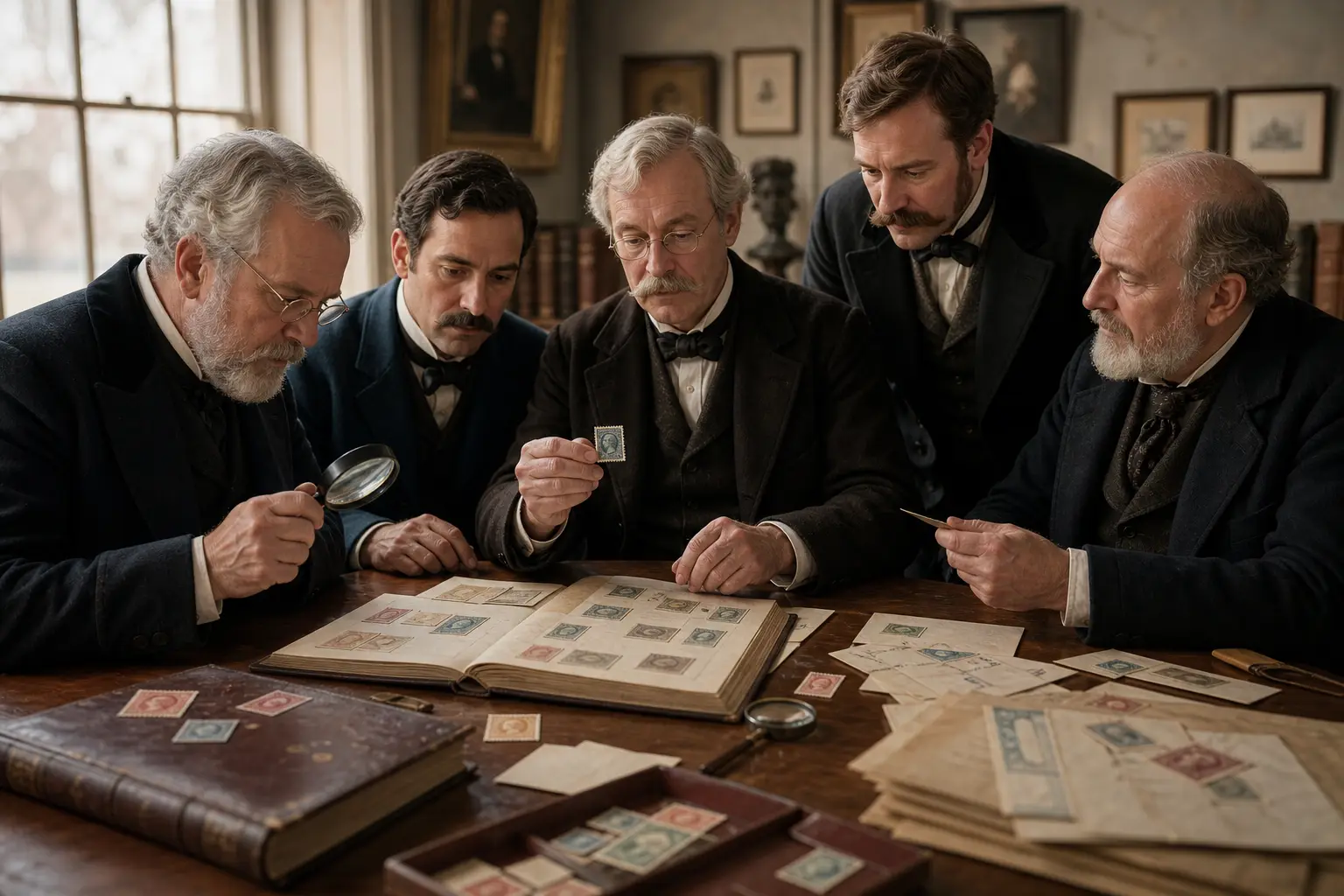
The short answer: stamp clubs helped make philately organized
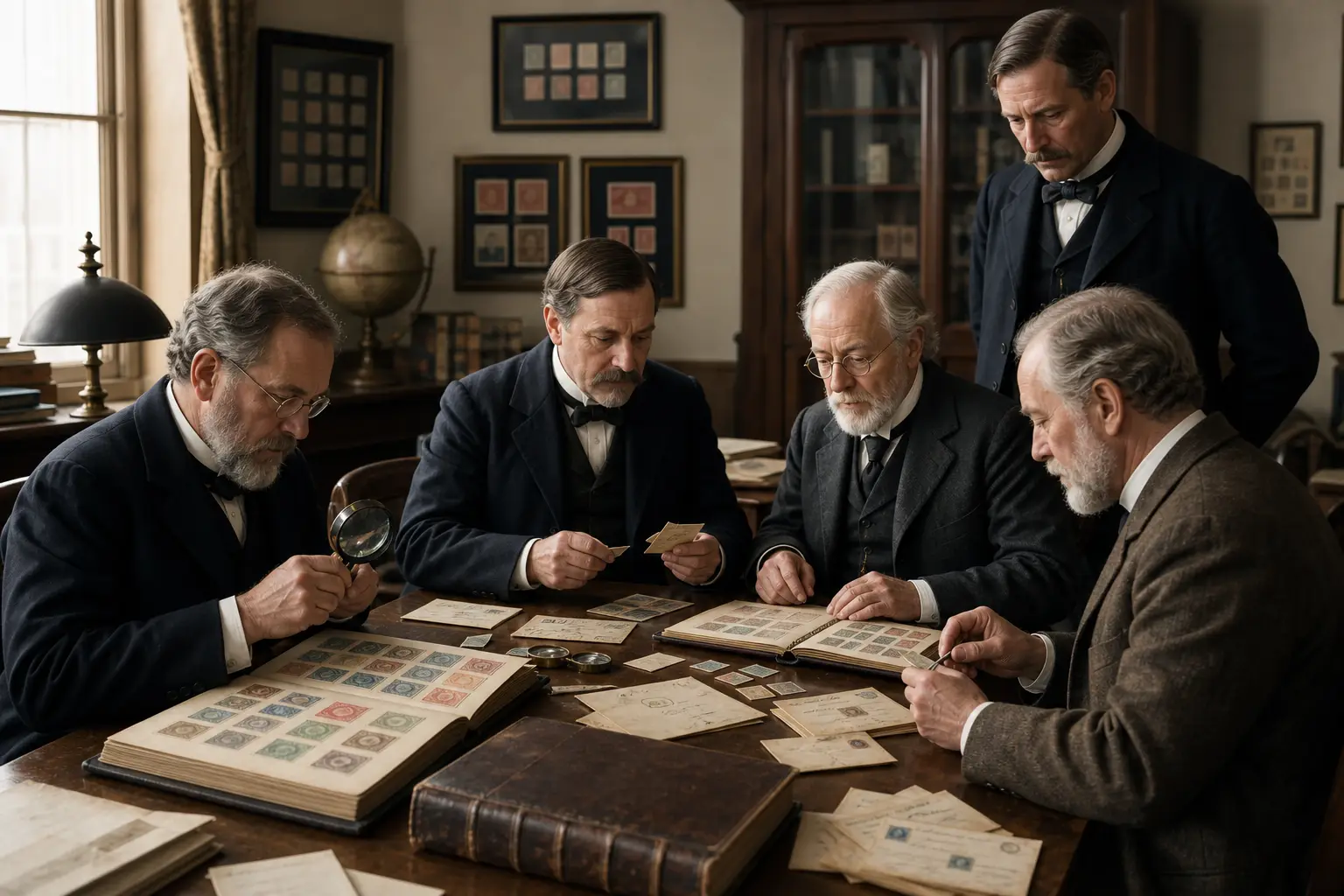
Stamp clubs helped transform stamp collecting from a solitary pastime into an organized hobby with study, exchange, and shared reference material. According to the Smithsonian National Postal Museum, organized philately grew from collectors gathering to compare, discuss, and exchange stamps, and those shared interests encouraged local clubs and societies devoted to particular countries, periods, or subjects.
That history matters because clubs were not only social meetings. The Smithsonian account says societies published research, created reference material, and helped collectors share specialist knowledge, while exhibitions gave participants a structured way to present collections and learn from other displays. In other words, the club was often where a collector learned how to think like a philatelist, not just how to accumulate stamps.
Why collectors formed clubs in the first place
The need for clubs became clearer as the hobby expanded. The American Philatelic Society says collecting began to build in the 1850s and grew steadily for three decades. By the 1880s, there were an estimated 25,000 stamp collectors in the United States, which meant there was now enough activity for people to want better ways to share knowledge, compare material, and build trust.
The same source shows that by April 1886 several prominent collectors were already discussing a national organization. They formed the Committee on National Organization, and some 400 collectors indicated they were willing to assist. A total of 219 sent proxies, paying twenty-five cents for the privilege of voting by proxy. That is a useful reminder for collectors today: organized philately developed because people wanted a practical framework for collaboration, not because collecting suddenly became formal overnight.
1886 to 1887: a dated turning point in organized philately
The American Philatelic Society provides a clear milestone. On September 13, 1886, a committee met in New York City and adopted the name American Philatelic Association for the newly formed organization. The following day, John K. Tiffany was elected president. The association’s stated objects were to help members acquire knowledge in philately, cultivate friendship among philatelists, and enable them to affiliate with members of similar societies in other countries.
The timeline continued in 1887. The first five issues of the association’s journal, The American Philatelist, were published in Altoona, Pennsylvania, starting January 10, 1887. For collectors, that matters because journals gave clubs a way to preserve discussion, record research, and keep ideas moving beyond a single meeting. When you are trying to understand a stamp’s history, that kind of printed record can be just as valuable as the object itself.
What early societies actually did for collectors
The American Philatelic Society’s early services show how a society could support serious collecting in practical ways. Its Purchasing Department helped members procure new issues or obsolete stamps at or near face value, with better prices possible when more members participated. Its Exchange Department was designed to facilitate the exchange of duplicate stamps, entire envelopes, and postal cards among members through exchange books and boxes.
The same historical record also notes a Library Department, which depended heavily on donations in its early stage, and a counterfeit detector position held by E. A. Holton without fee. Those details are important because they show how early philatelic organizations responded to real collecting problems: finding literature, sharing extras, and dealing with fraudulent stamps. Stamp clubs were not only friendly gatherings; they were problem-solving institutions.
How clubs helped with learning, research, and exhibitions
The Smithsonian National Postal Museum explains that societies did more than meet socially. They published research, created reference material, and helped collectors share specialist knowledge. That is especially relevant for history collectors, because the story behind a stamp often lives in context: who used it, when it appeared, what it commemorated, and how it fit into a wider postal system.
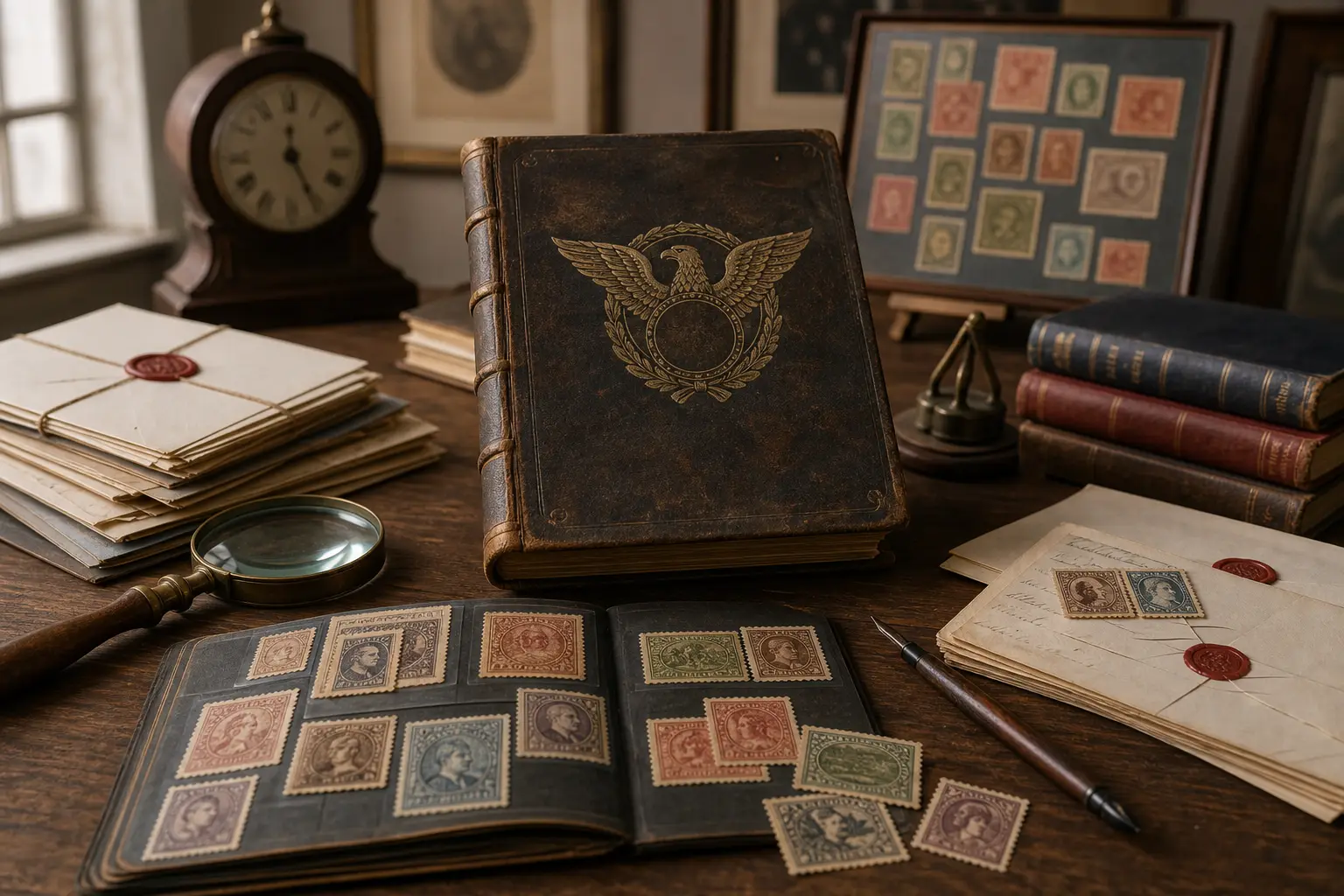
Exhibitions also mattered. The museum notes that exhibitions gave participants a structured way to present collections, learn from other displays, and compete for recognition. If you are documenting a collection, a club environment can help you test your descriptions, compare treatment of similar issues, and notice what evidence you still need before you can tell a reliable historical story.
How to use a stamp club safely and productively today
If you join a club now, use it as a learning environment first and a buying environment second. Ask whether the club has talks, displays, a library, or exchange opportunities, but remember that services vary by organization. The APS history and stamp club resource pages show that some clubs and societies emphasize meetings, programs, borrowing references, and member exchange, while others may focus more narrowly on local interests.
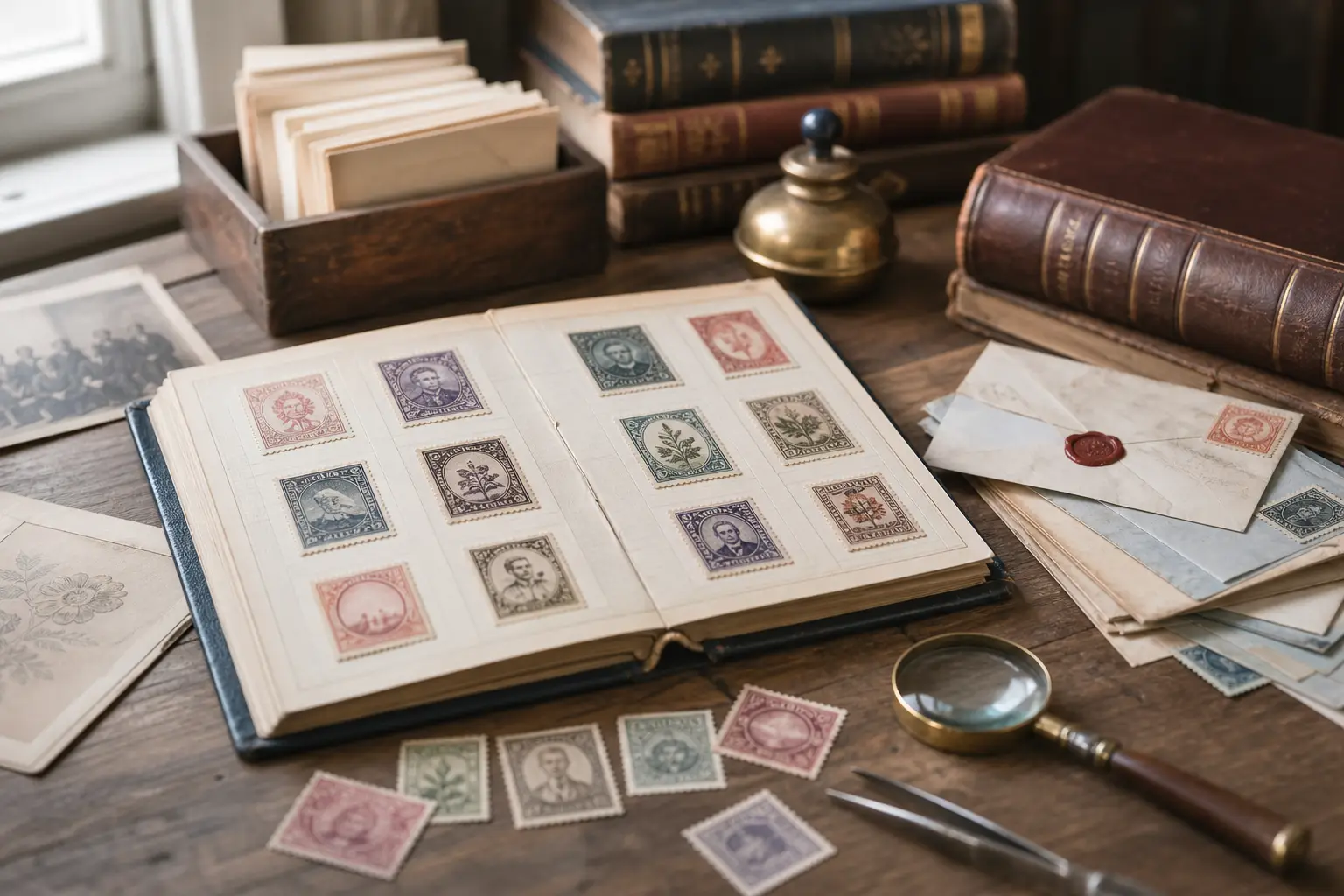
A careful approach is to bring notes, clear scans, or a record of items you want to understand, then compare them with published references and club knowledge. StampSnap can help create a likely identification or collection record, but it should be treated as a research aid rather than a final authority. For fragile or historically important material, keep handling minimal and use appropriate tools rather than improvising with household materials.
A practical collector takeaway from this history
The strongest lesson from stamp club history is that philately advanced through collaboration. In the 1850s the hobby was beginning to build; by the 1880s it had enough momentum for committees, proxies, journals, libraries, exchange systems, and expert help. That progression shows why clubs remain useful for history collectors: they connect objects to records, and records to people.
For anyone building a history-focused collection, the safest method is methodical and documented. Use club discussions to sharpen questions, compare published sources, and record what you learn before making conclusions. If a club helps you identify a stamp, use that as a starting point for your own notes, not as a substitute for careful verification.
Frequently asked questions
What did early stamp clubs do for collectors?
They helped collectors compare, discuss, and exchange stamps, and some societies also published research, created reference material, offered library access, and organized exhibitions.
When did organized philately begin to take shape in the United States?
The supplied evidence shows hobby growth from the 1850s, an estimated 25,000 collectors by the 1880s, and a major organizational step in 1886 with the Committee on National Organization and the American Philatelic Association.
Did early philatelic societies only host social meetings?
No. The Smithsonian source says they did more than provide social meetings: they published research, created reference material, and helped collectors share specialist knowledge.
Why were journals and libraries important to stamp clubs?
Journals preserved discussion and research, while libraries gave collectors access to reference material. The APS history also notes that its early Library Department depended heavily on donations.
How should I use club advice on an old stamp?
Use it as part of a careful review with published references and your own notes. Treat any identification aid as informational, handle fragile material minimally, and avoid improvised cleaning or separation methods.