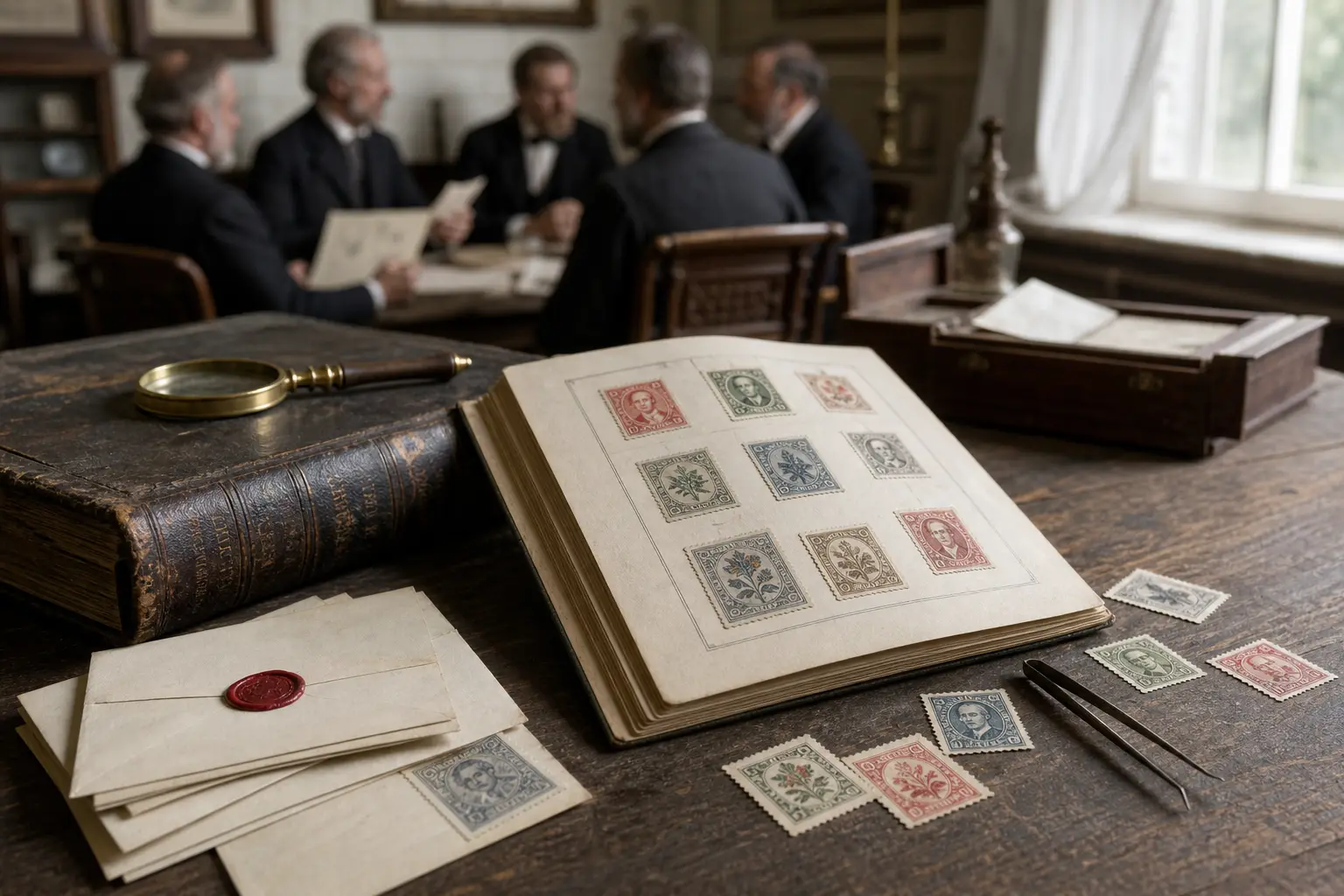
Short answer: stamp clubs became organised as collectors turned shared interest into formal
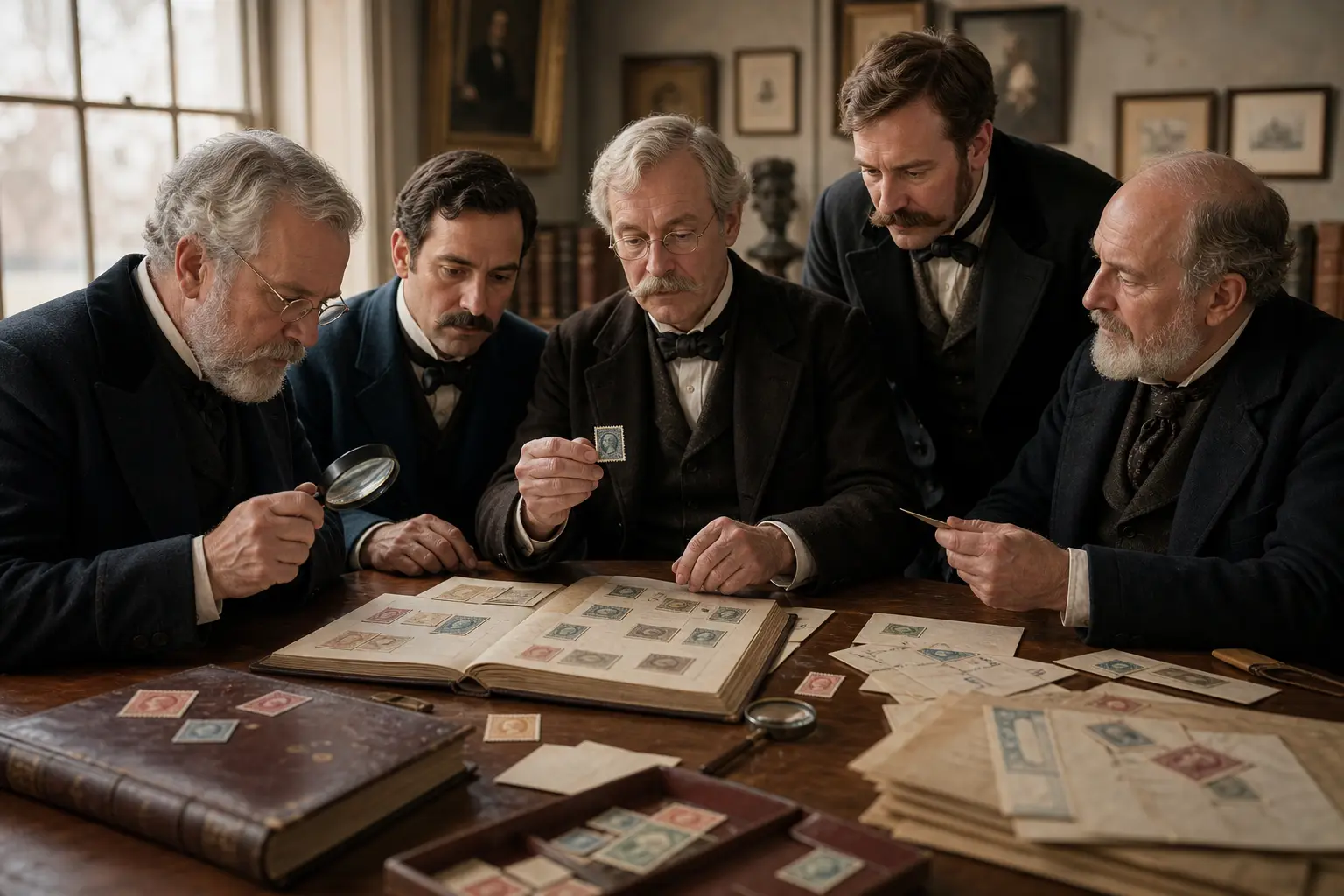
Stamp clubs became organised when collectors moved beyond private collecting and started meeting to compare, discuss, and exchange stamps. The Smithsonian National Postal Museum describes organised philately in exactly those terms, with local clubs and societies forming around particular countries, periods, or subjects. In other words, the shift was not a single invention; it was a gradual move from informal exchange to structured club life.
If you are asking for a practical date, one clear milestone is 1886 in the United States. That year, leading collectors discussed forming a national organisation, then adopted the name American Philatelic Association at a meeting in New York City on September 13, 1886. The history of that organisation shows how collectors were already building a more formal network by the late nineteenth century.
What changed from casual collecting to organised philately?
The key change was structure. According to the Smithsonian account, organised philately grew from collectors gathering to compare, discuss, and exchange stamps, and then extending that shared interest into local clubs and societies. Those groups did more than provide a place to socialise. They also supported research, created reference material, and helped collectors share specialist knowledge.
That history helps explain why clubs mattered so much. Once collectors had a regular forum, they could compare material, test ideas, and learn from others with similar interests. A club devoted to a specific country or period could become a practical study group, while a broader society could connect collectors across different interests. The result was a more organised hobby with clearer records, more exchange, and stronger education.
A dated milestone: 1886 and the American Philatelic Association
The American Philatelic Society’s history page gives a concrete timeline for organised collecting in the United States. In the 1850s, a few enthusiasts helped the hobby begin to build. By the 1880s, the society’s history estimates about 25,000 stamp collectors in the United States, showing how far the hobby had grown before formal national organisation took shape.
In April 1886, several prominent collectors began discussing the possibility of forming a national organisation of philatelists. A committee was formed and printed an announcement of the possible organisation. By September 13, 1886, a committee met in New York City and adopted the name American Philatelic Association. The following day, John K. Tiffany was elected president. Those dates mark an important transition from scattered enthusiasm to organised philatelic leadership.
What early club services tell us about organised collecting
The APS history also shows what organised collecting looked like in practice. The early association offered an Annual Convention, now known as StampShow, beginning with the first meeting on September 13, 1886 and held annually since. It also created a Purchasing Department to help members obtain new issues or obsolete stamps, and an Exchange Department to facilitate trading duplicate stamps, entire envelopes, and postal cards among members.
These services matter historically because they show organisation in action. The association did not just gather collectors under one name; it built systems for exchange, knowledge, and participation. It also developed a Library Department and appointed a counterfeit detector because fraudulent stamps were already a problem. That combination of social activity, research support, and practical problem-solving is a strong sign of an organised hobby rather than a loose pastime.
How clubs and societies helped preserve knowledge
The Smithsonian National Postal Museum notes that societies published research, created reference material, and helped collectors share specialist knowledge. That makes stamp clubs historically important as working institutions, not just meeting places. They preserved what members learned, and they helped make that knowledge usable for others who came later.
The APS material points in the same direction through its early library work and the launch of The American Philatelist, whose first issues began on January 10, 1887. A journal gives collectors a durable record of ideas, observations, and debates. For anyone researching a stamp today, that historical habit of recording and sharing is one reason club archives and publications can be so valuable.
How to research club-related material safely and methodically
If you are identifying a club item, exhibition entry, or society publication, start with the object itself before reaching for conclusions. Look for dates, club names, society logos, journal titles, meeting notices, and membership wording. If the item is fragile, keep it in place and make notes or photographs rather than bending, peeling, or separating attached pieces. If you use StampSnap, treat it as a way to create a likely identification or collection record, not as an official authentication.
For historical collecting, context matters as much as condition. A club card, programme, or journal can tell you when a society was active, what it valued, and how collectors worked together. Compare the wording against dated source material, especially where a club claims a founding year or a service such as exchange, exhibition, or library access. If the item is incomplete or uncertain, record that uncertainty rather than forcing a precise conclusion.
Why this history still matters to collectors now
The story of organised stamp clubs explains why philately developed into a shared research hobby. Collectors did not simply buy stamps in isolation; they met, compared, published, exhibited, traded, and built networks. The Smithsonian account shows the broader pattern, while the APS history supplies specific dates and services that show the pattern in one national organisation.
For modern collectors, that history is useful because it encourages careful documentation. A club label, exhibition note, or society publication can be as important as the stamp mounted with it. When you preserve those details, you keep the historical record intact and make later identification much easier for yourself or another collector.
Frequently asked questions
When did stamp clubs become organised?
They became organised gradually as collectors formed local clubs and societies to compare, discuss, and exchange stamps. A clear dated milestone in the supplied sources is 1886, when the American Philatelic Association was formed in the United States.
What made a stamp club different from casual collecting?
Organised clubs added structure: meetings, exchanges, research, exhibitions, publications, and in some cases libraries or purchasing services. The exact services varied by organisation, so it is safest to describe them only for the named society you are studying.
Did every philatelic society publish research and reference material?
No. The Smithsonian source says societies published research and created reference material as part of the organised philately pattern, but it also notes that not every organisation offers the same services.
What is one important date in stamp club history?
September 13, 1886, is an important date because a committee in New York City adopted the name American Philatelic Association. The next day John K. Tiffany was elected president.
How can I document a club item without damaging it?
Handle it as little as possible, keep it supported, and record details through notes or photographs. If the item is fragile, do not force it open, peel anything away, or use risky cleaning methods. Keep any identification provisional if the evidence is incomplete.