Why Collect Used Stamps?
Used stamps offer an accessible entry point to stamp collecting for hobbyists of all ages. According to the American Philatelic Society, most stamps cost less used than mint, making them ideal for those who want to build a diverse collection without significant expense. Used stamps have already served their purpose in the mail system, and many collectors enjoy the history reflected in their postmarks and cancellations.
Collecting used stamps also reduces concerns about preserving original gum or delicate mint surfaces. This allows collectors to focus on organizing, identifying, and enjoying stamps without the need for specialized preservation methods. The flexibility of collecting used stamps means you can start with stamps received in everyday mail or from inexpensive sources.
Choosing Your Focus: Types and Topics
Stamp collecting is highly personal—there is no single right way to collect. Beginners can choose to collect stamps from a particular country, era, or topic. The American Philatelic Society notes that topical collecting, such as focusing on animals, sports, or historical events, is popular and customizable. Used stamps often feature interesting cancellations that can add another layer of meaning to a topical collection.
Some collectors choose to specialize further by collecting only certain types of used stamps, such as airmail or postage due issues. Others may select stamps based on color, shape, or even cancellation style. The most important factor is personal enjoyment and curiosity. Start by sorting through stamps you already have, and notice what themes or designs appeal to you.
Safe Handling: Essential Tools for Used Stamps
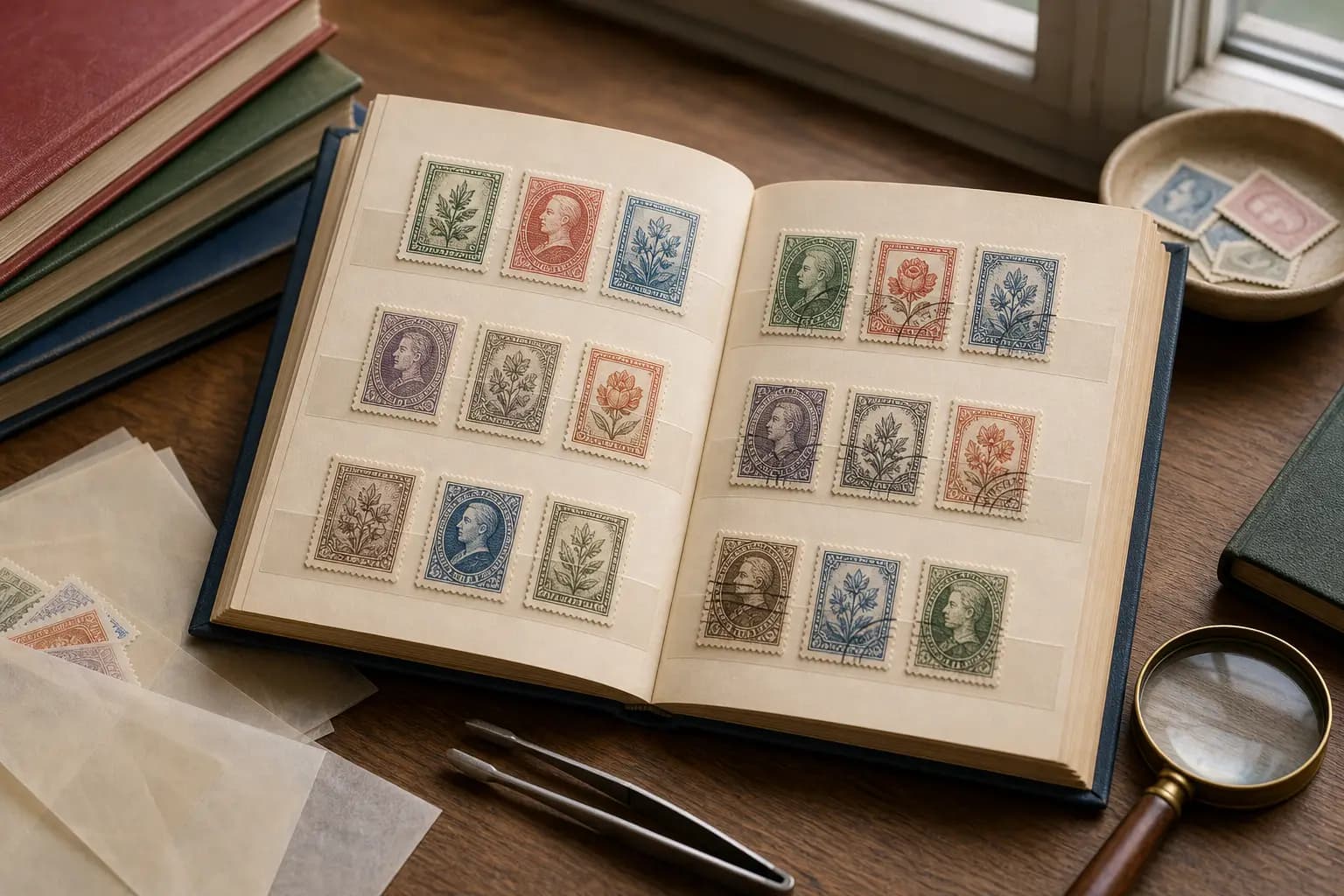
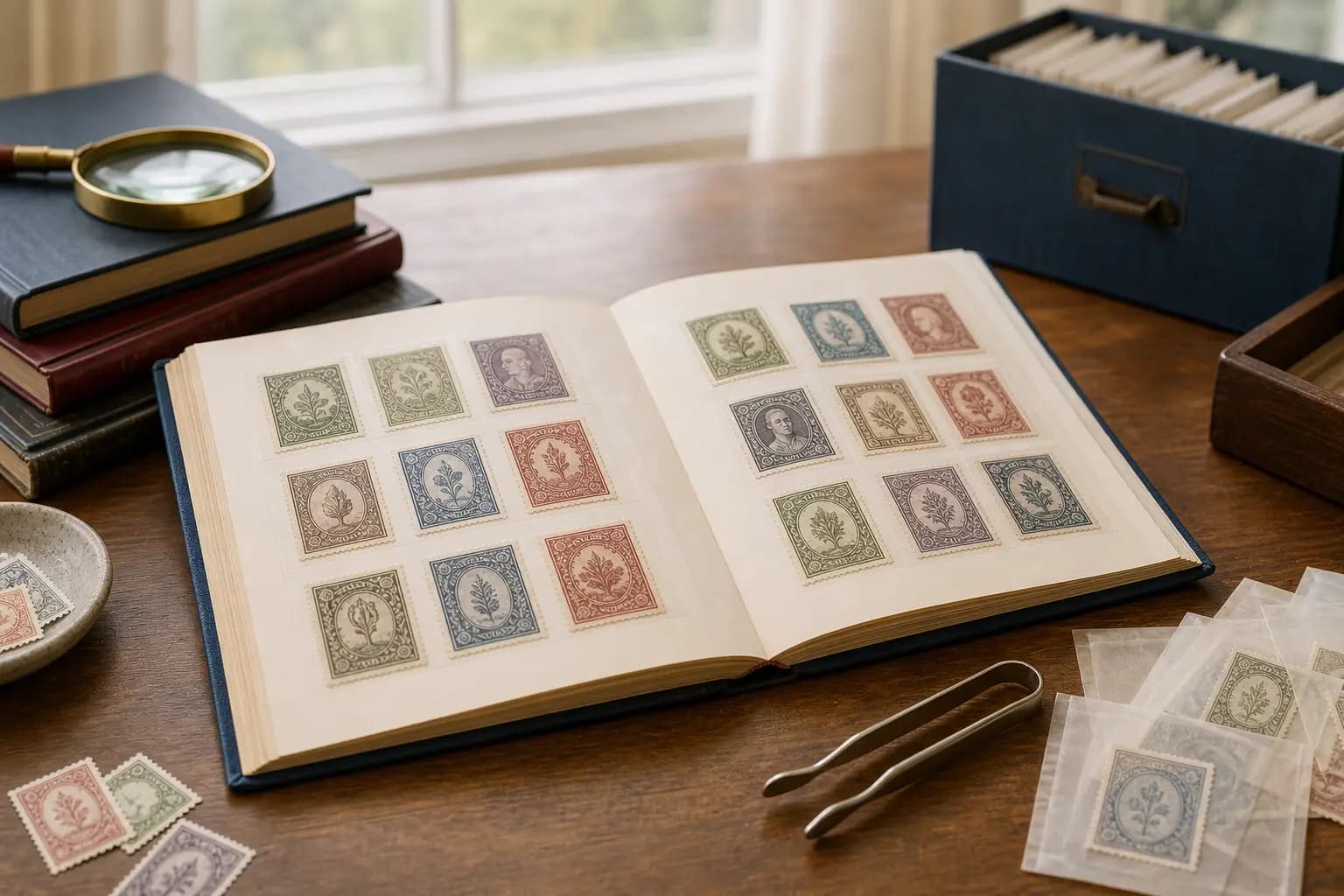
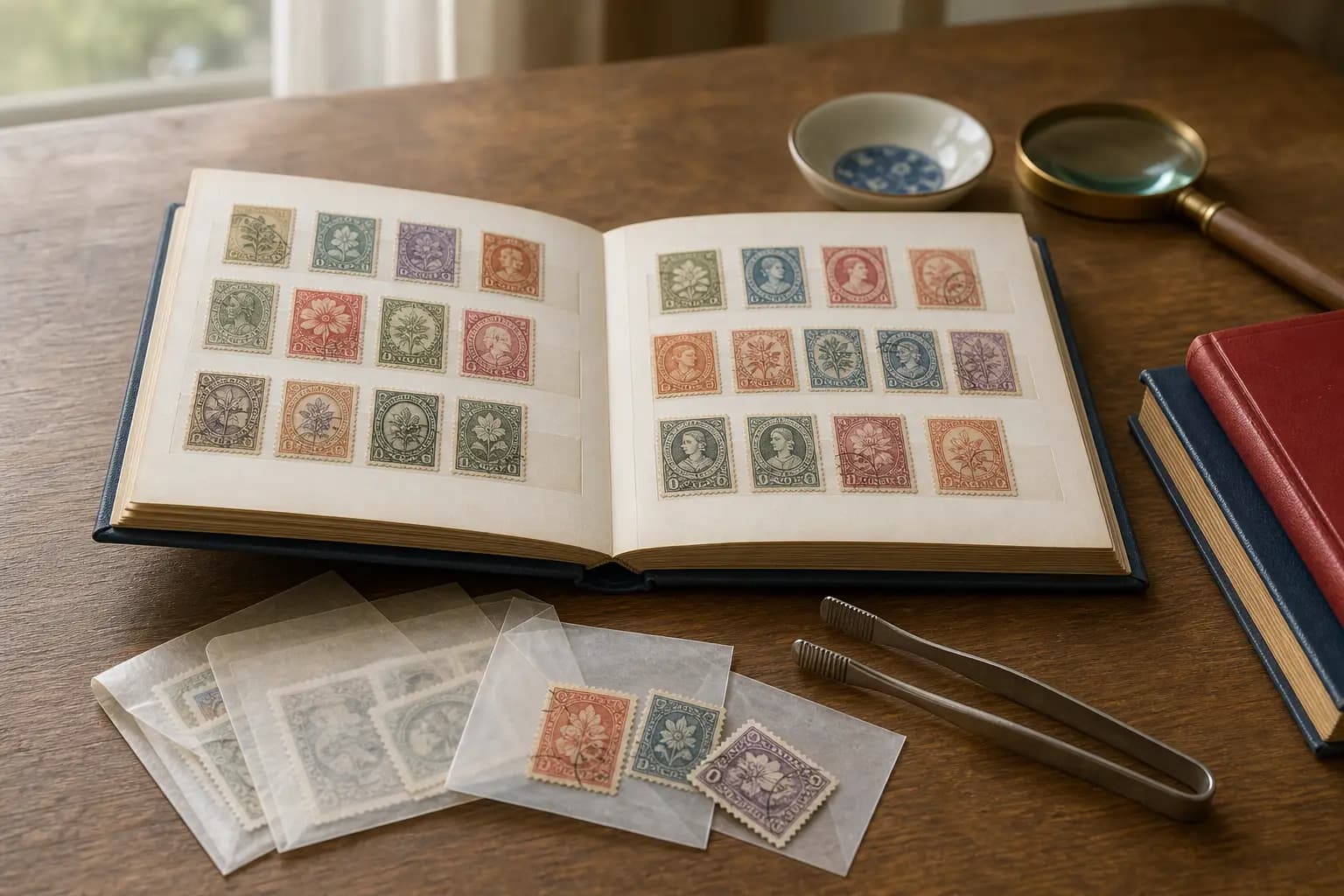
Proper handling is crucial to preserve the condition of used stamps. The Smithsonian National Postal Museum recommends starting with a simple pair of stamp tongs, which have smooth ends to pick up stamps without direct finger contact. This prevents oils and accidental creasing. A magnifying glass is helpful for examining small details, such as cancellation marks or fine print.
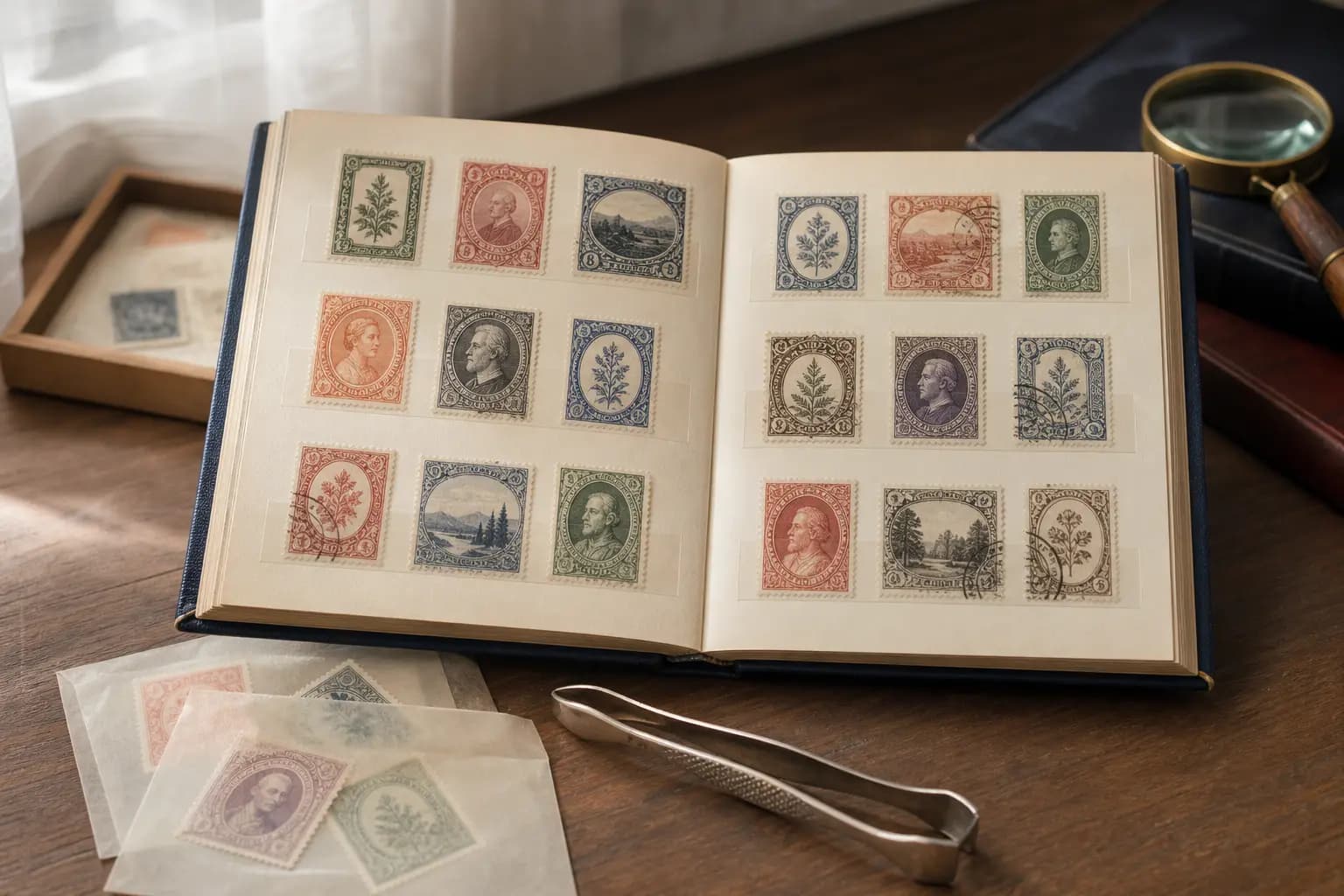
Albums and glassine envelopes are suitable for storing used stamps. Since gum preservation is not a concern with used material, inexpensive stamp hinges can be used to mount stamps on album pages. Always work on a clean, flat surface and avoid using household adhesives, tape, or glue, which can damage stamps. For valuable or delicate material, use appropriate archival tools and avoid unnecessary handling.
Identifying Used Stamps: Reliable Methods
Identification is a key part of collecting used stamps. Visual features such as design, denomination, and country name are starting points. The Smithsonian National Postal Museum suggests using a magnifying glass to observe fine details and a perforation gauge to measure perforations, which can distinguish similar issues.
Catalogs and reference books provide authoritative information about issue dates, printing methods, and varieties. Comparing your observations with reliable references is essential, as visual identification alone may not be conclusive. StampSnap can assist in creating a likely identification record, but always verify details with trusted catalog sources, especially when stamps appear similar or have unusual cancellations.
Sorting and Organizing Your Collection
Sorting used stamps can be done by country, topic, or era, depending on your chosen focus. Begin by grouping stamps with similar themes or origins. Glassine envelopes and albums help keep sorted stamps safe and organized. The American Philatelic Society emphasizes that organization is a personal choice—some collectors enjoy arranging stamps chronologically, while others prefer thematic groupings.
Labeling sections in your album or storage system aids in tracking your collection's growth. If you use StampSnap, you can record identification details and organize digital records alongside your physical collection. Regularly review and update your organization as your collection expands.
Where to Find Used Stamps
Used stamps can be sourced from everyday mail, friends, family, or local businesses. Many collectors also trade or purchase used stamps from dealers, clubs, or online platforms. The American Philatelic Society notes that stamp collecting is a hobby for everyone, and community resources such as clubs and societies can provide access to swaps and advice.
When acquiring used stamps, ensure they are free of adhesive residue or damage. Avoid removing stamps from covers unless you have proper tools and guidance, as improper removal can harm both the stamp and the postal history value of the cover. Seek stamps with clear cancellations and intact edges for best results.
Enjoying and Expanding Your Used Stamp Collection
Stamp collecting is meant to be enjoyable and educational. Used stamps often carry unique stories through their cancellations and postal history. As you become more familiar with your collection, you may choose to expand into new topics, countries, or types.
Participating in collector communities, attending exhibitions, or following educational resources can enhance your experience. The American Philatelic Society and the Smithsonian National Postal Museum offer guidance and support for collectors at all levels. Remember, the value of your collection lies in your enjoyment and the knowledge you gain.
Frequently asked questions
What are the advantages of collecting used stamps?
Used stamps are generally more affordable, do not require gum preservation, and often feature interesting cancellations. They are ideal for beginners and allow for flexible collection themes.
How should I handle and store used stamps safely?
Use stamp tongs to avoid direct contact, and store stamps in albums or glassine envelopes. Avoid tape, glue, or household adhesives, and use hinges for mounting if desired.
Can StampSnap help identify used stamps?
StampSnap can assist in creating a likely identification record for used stamps, but always verify details with reliable catalogs and reference books for accuracy.
Where can I find used stamps to start my collection?
Used stamps can be sourced from personal mail, friends, clubs, dealers, or online platforms. Community groups and societies often offer swaps and advice for beginners.
Is it safe to remove used stamps from envelopes?
Removing stamps from covers should only be done with proper tools and guidance. Improper removal can damage both the stamp and the cover, so seek advice before attempting.