Start with a simple, realistic collecting goal
The safest way to begin a worldwide collection is to decide what you actually want from the hobby before you buy or sort anything. The American Philatelic Society notes that there is no right or wrong way to collect, and that collectors may begin with worldwide material, a single country, a topic, mint stamps, used stamps, or even a special trait such as shape or color. If you start with a clear goal, you can make steady choices instead of accumulating random stamps that do not fit your interests.
Worldwide collecting is appealing because it lets you explore material from many places, but the same source also points out that collecting every stamp ever issued is usually unrealistic for most people. A practical plan is to choose whether you want broad coverage, a single country, a topic, or a narrower scope such as stamps from a certain time period. That keeps the collection manageable and makes later identification and organisation much easier.
Use basic tools before you rely on guesses
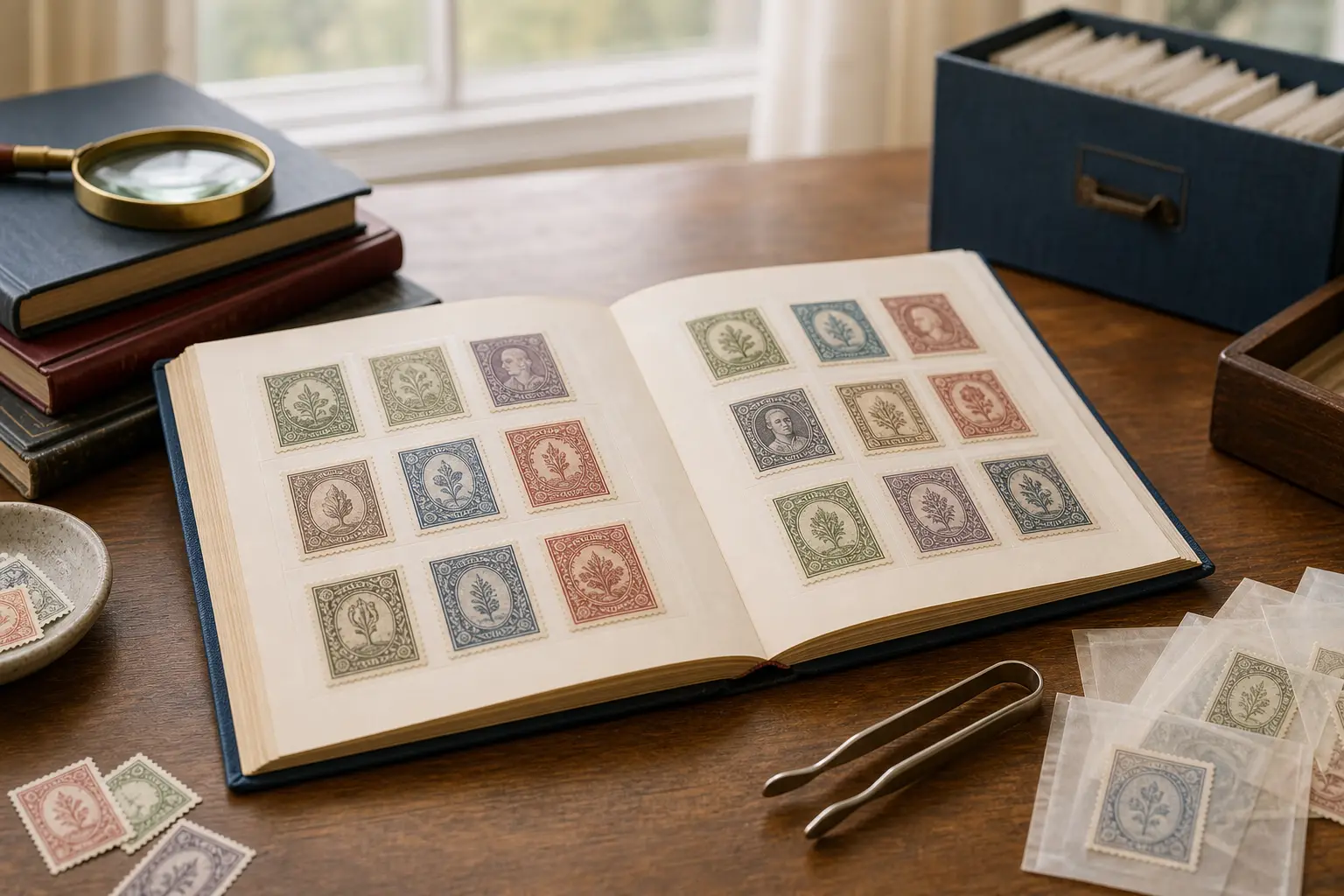
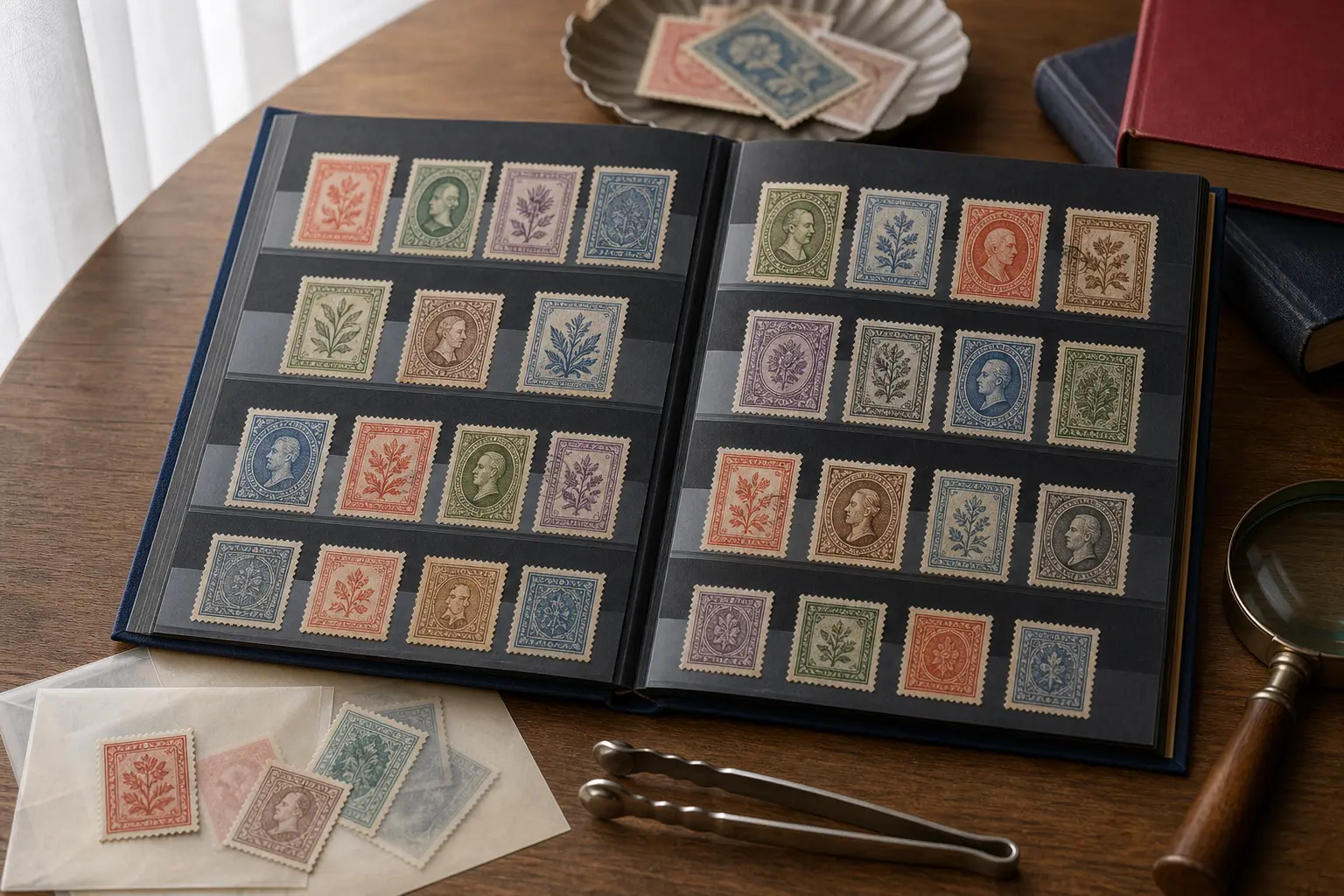
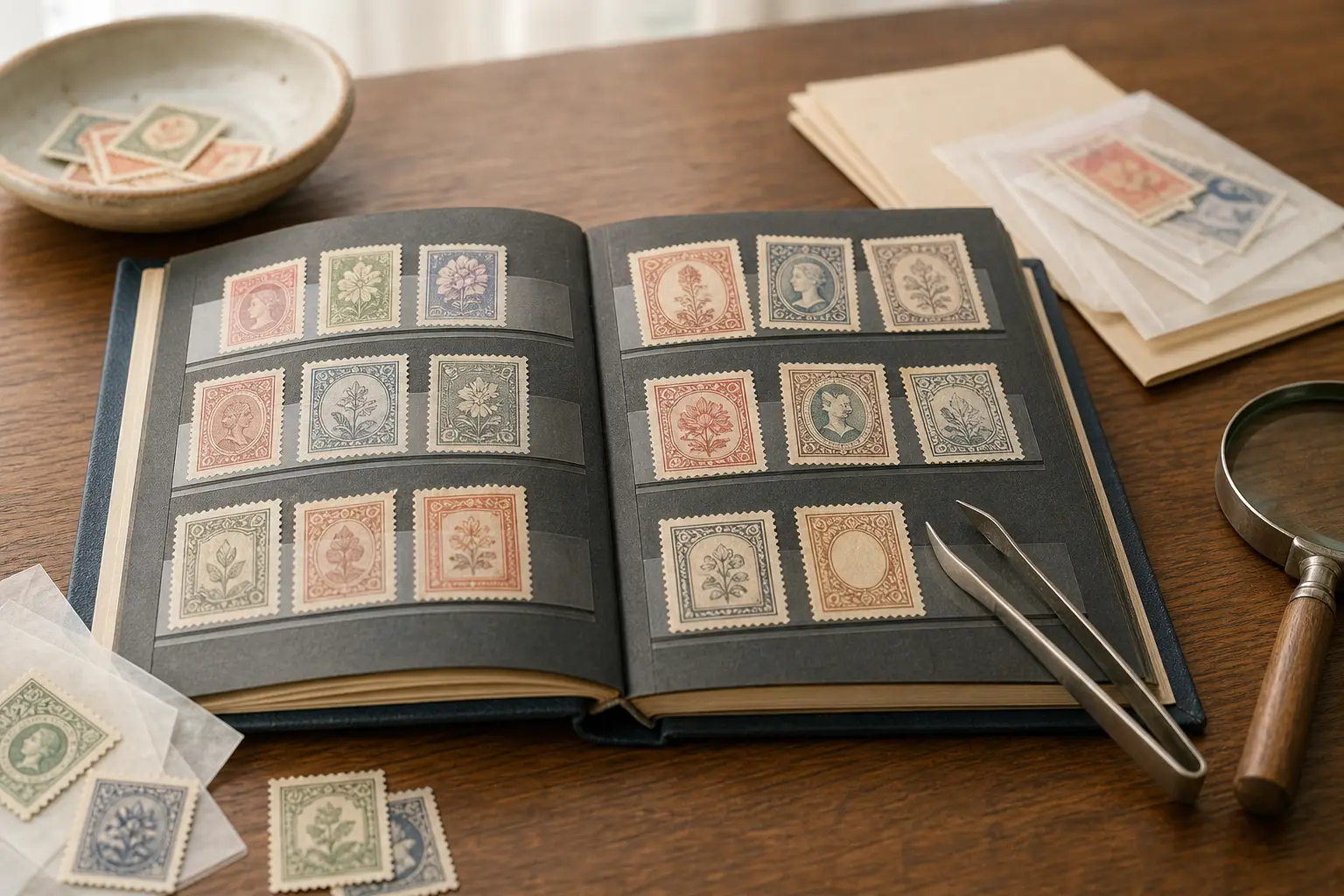
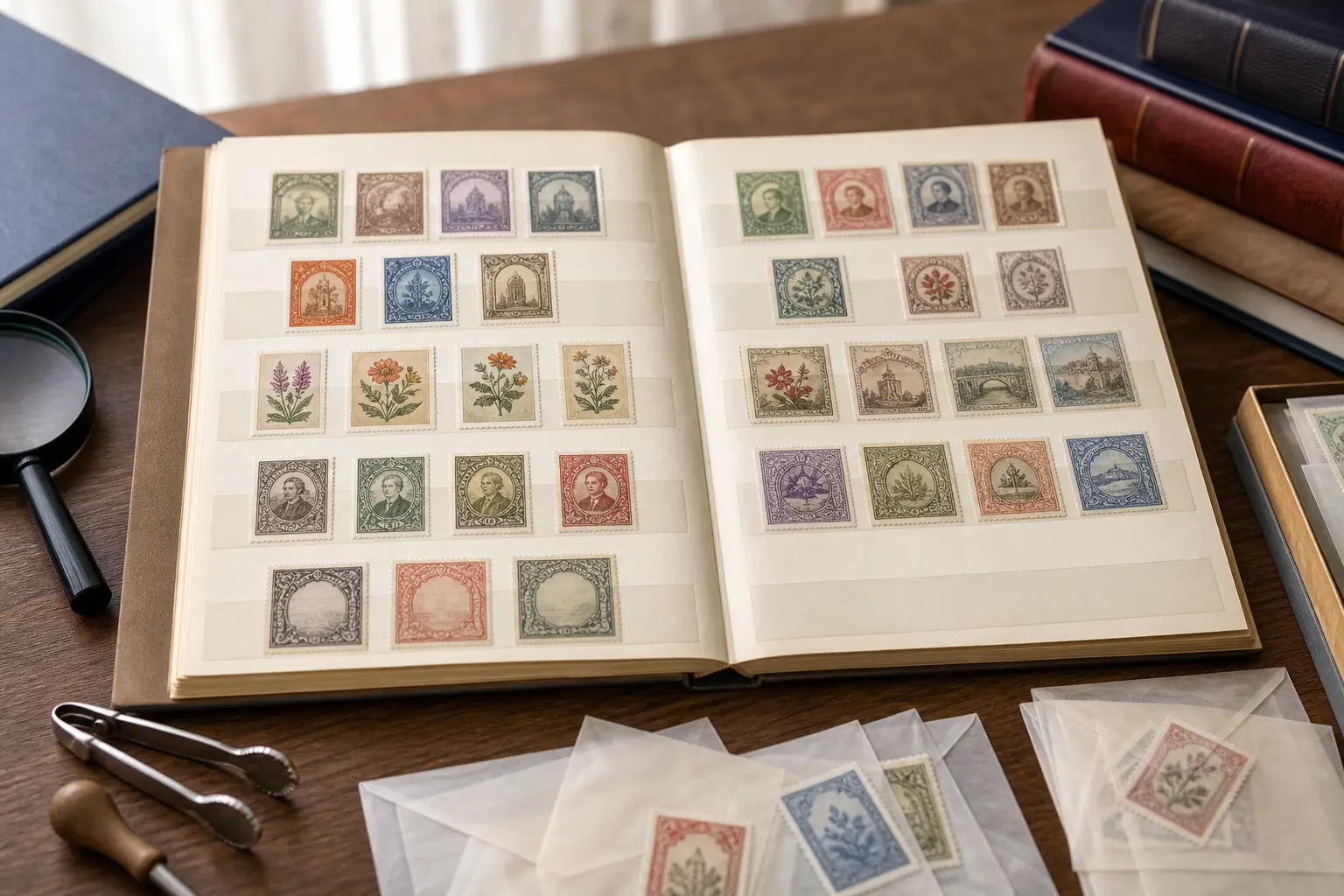
The Smithsonian National Postal Museum recommends a simple starter kit: stamp tongs, an album, and a general reference book. Tongs have smooth ends so you can pick up loose stamps without direct finger contact, which helps reduce handling damage. An album gives your collection a clear place to live, and a reference book gives you a starting point for comparing what you see with published information.
A magnifying glass can help reveal small design details, and a perforation gauge can help distinguish look-alike issues by measuring perforations. The museum also notes that watermark detectors, color guides, and catalogs are useful specialist aids. Even so, catalogs should be treated as references rather than proof on their own, because physical observations need to be compared with reliable sources instead of assumed to be conclusive.
Choose a collecting style that fits your time and space
A worldwide collection does not have to mean collecting everything. Many beginners do better when they set a narrow framework, such as stamps from their home country, stamps from a memorable vacation destination, or a topical collection built around something they already enjoy. The APS also notes that topical collecting can include related material such as special postmarks, first day covers, and postal stationery, which gives you room to build a collection around a theme rather than a nation list.
If time and storage space are limited, narrower collecting choices are usually easier to maintain. You may also want to focus on one kind of material at a time, such as used stamps or mint stamps, instead of trying to master every category at once. The important point is not to pick the most impressive scope, but the one you can keep organised and enjoy over time.
Handle stamps carefully from the moment you sort them
Good handling habits matter from the start because small mistakes can become permanent. Use tongs for loose stamps rather than fingers, and keep stamps in an album or other appropriate storage rather than leaving them loose on a desk. If you are sorting mixed material, work slowly and keep damp, delicate, or uncertain items separate until you know how they should be handled.
Do not force identification when the evidence is not clear. For example, a perforation gauge or magnifier may help you compare similar stamps, but a safe visual check is still only one part of identification. If the item looks fragile or unusually valuable, keep handling to a minimum and rely on references, clean tools, and careful observation instead of improvising with household materials or rough methods.
Build a collection you can actually maintain
A good worldwide collection grows by consistent habits, not by trying to cover everything at once. Sort new material into simple groups, note what you already have, and compare each stamp with a reliable reference before deciding where it belongs. Because the hobby can include traditional postage stamps, covers, envelopes that carried mail, and even other mail-related items, it helps to define your boundaries early so your collection stays coherent.
If you want to create a record as you go, you can note basic observations such as country, design features, and any visible differences in perforation or format. StampSnap can help create a likely identification or collection record, but it should still be paired with reference checking and careful handling. That approach keeps your collecting process orderly without assuming that one observation settles every question.
Know when identification is still uncertain
Some stamps are straightforward, but others are not. The Smithsonian National Postal Museum specifically advises comparing physical observations with reliable references, which is important because look-alike issues can differ in small details. A magnifier, perforation gauge, or catalog entry may narrow the possibilities, but they do not replace verification when the stamp has traits that are difficult to read.
If you cannot confirm a stamp confidently, treat it as an unresolved identification rather than forcing a conclusion. That is especially useful for beginners, because it keeps mistakes from spreading through your records and reduces the chance that you will mount or sort material under the wrong assumption. Careful uncertainty is better than a fast guess.
Make the hobby personal, not complicated
The APS describes stamp collecting as a hobby that suits nearly all ages and does not require special skills or great wealth. That is a helpful reminder for beginners: you do not need a complete system on day one. Start with material that interests you, use a few reliable tools, and build the habit of checking details before making final decisions about placement or identification.
Over time, your worldwide collection may become broader, narrower, or more specialised. You might shift from general stamps to a theme, or from worldwide material to one country or one type. That flexibility is one of the strengths of the hobby, and it also means there is no single correct path. The safest path is the one you can understand, maintain, and enjoy.
Frequently asked questions
Should a beginner start with worldwide stamps or one country?
Either is acceptable, because the APS says there is no right or wrong way to collect. Worldwide collecting is broad, but one country is often easier to organise.
What tools do I really need to begin?
The Smithsonian National Postal Museum says a simple start can be stamp tongs, an album, and a general reference book. A magnifying glass and perforation gauge are useful additions.
Can I trust a catalog description by itself?
No. The museum says catalogs can record details such as issue date and printing method, but physical observations should be compared with reliable references rather than treated as conclusive on their own.
What is the safest way to handle loose stamps?
Use tongs with smooth ends instead of direct finger contact. Work slowly, keep fragile or damp items separate, and store stamps properly once you sort them.
Is there a good way to keep a worldwide collection manageable?
Yes. Choose a clear scope, such as one country, one topic, or one type of material, and expand only as far as your time, space, and interest allow.