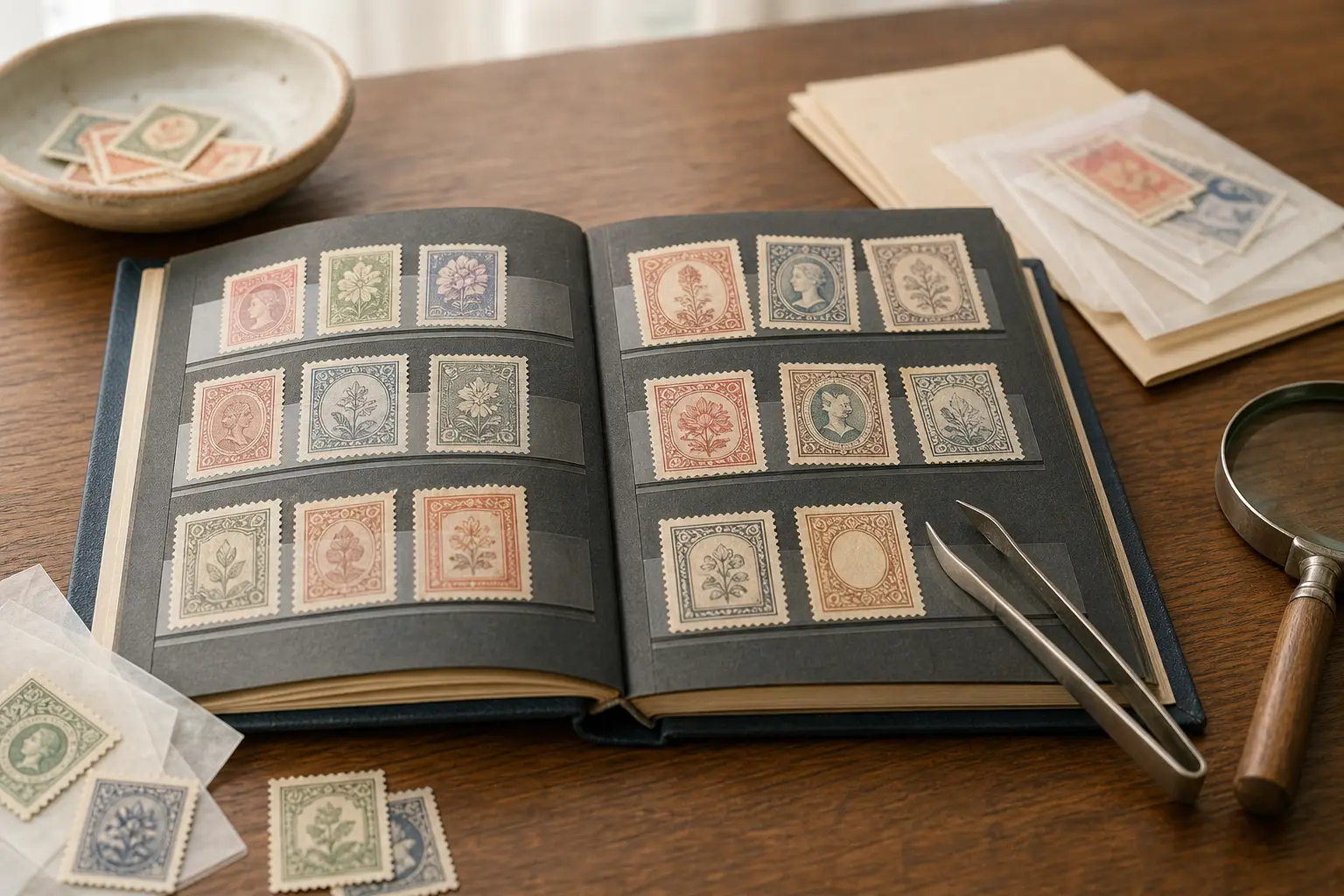
Start with one topic and everyday mail
The simplest way to begin a topical stamp collection is to pick one subject you genuinely enjoy, then watch for it on the mail you already receive. The American Philatelic Society says there is no right or wrong way to collect, and many people start with a topic that interests them. That makes topical collecting practical for beginners because it can grow slowly from ordinary mail rather than from a large initial purchase.
A topical collection can be very broad or very narrow. The same source notes that collectors may choose animals, birds, flowers, ships, space, scouts, Disney, or sports, and that even unusual themes have been collected. You do not need to commit to everything related to the theme; you can decide whether to include stamps only, or also covers, first day covers, postal stationery, and special postmarks that fit the subject.
Use simple tools before you sort
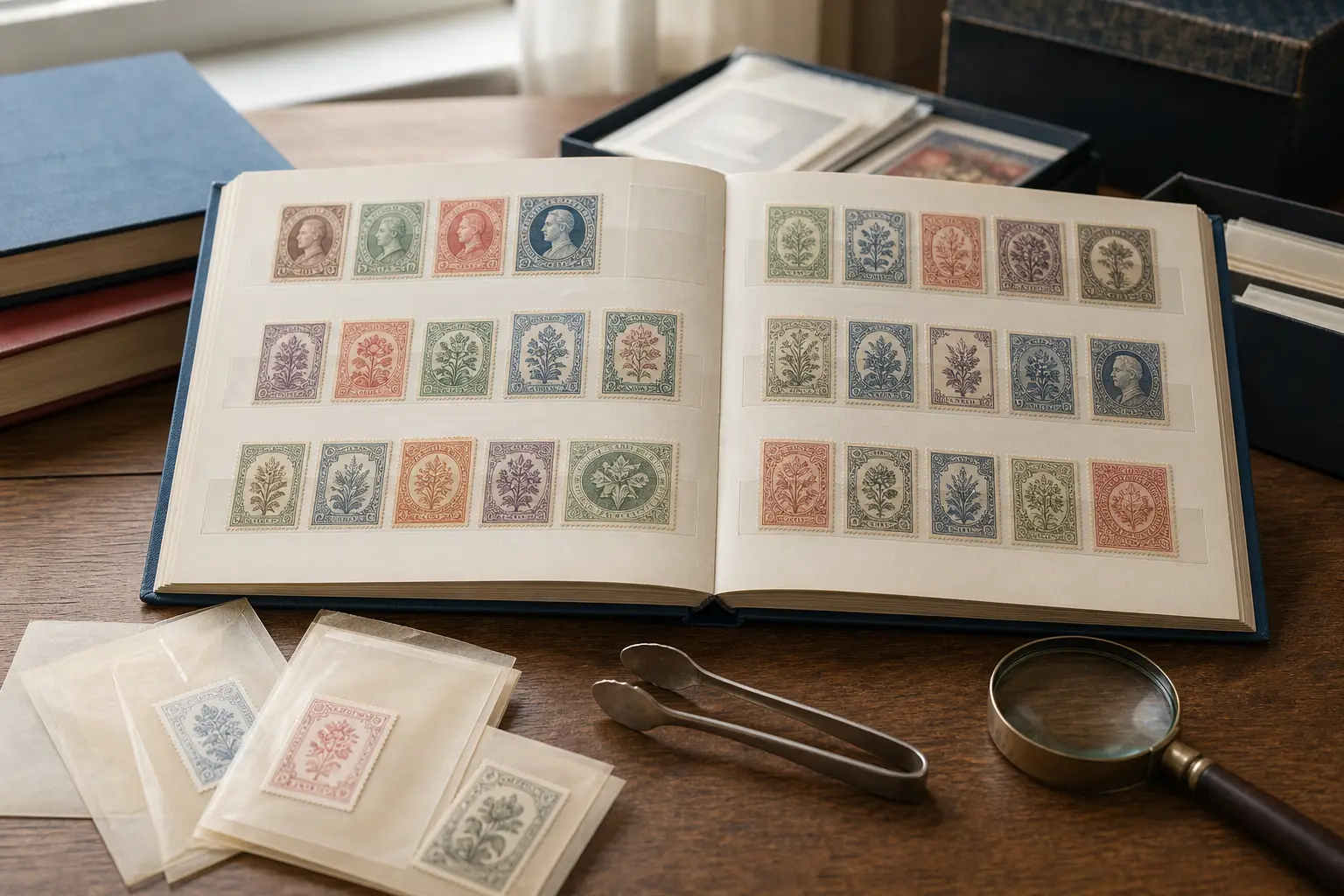
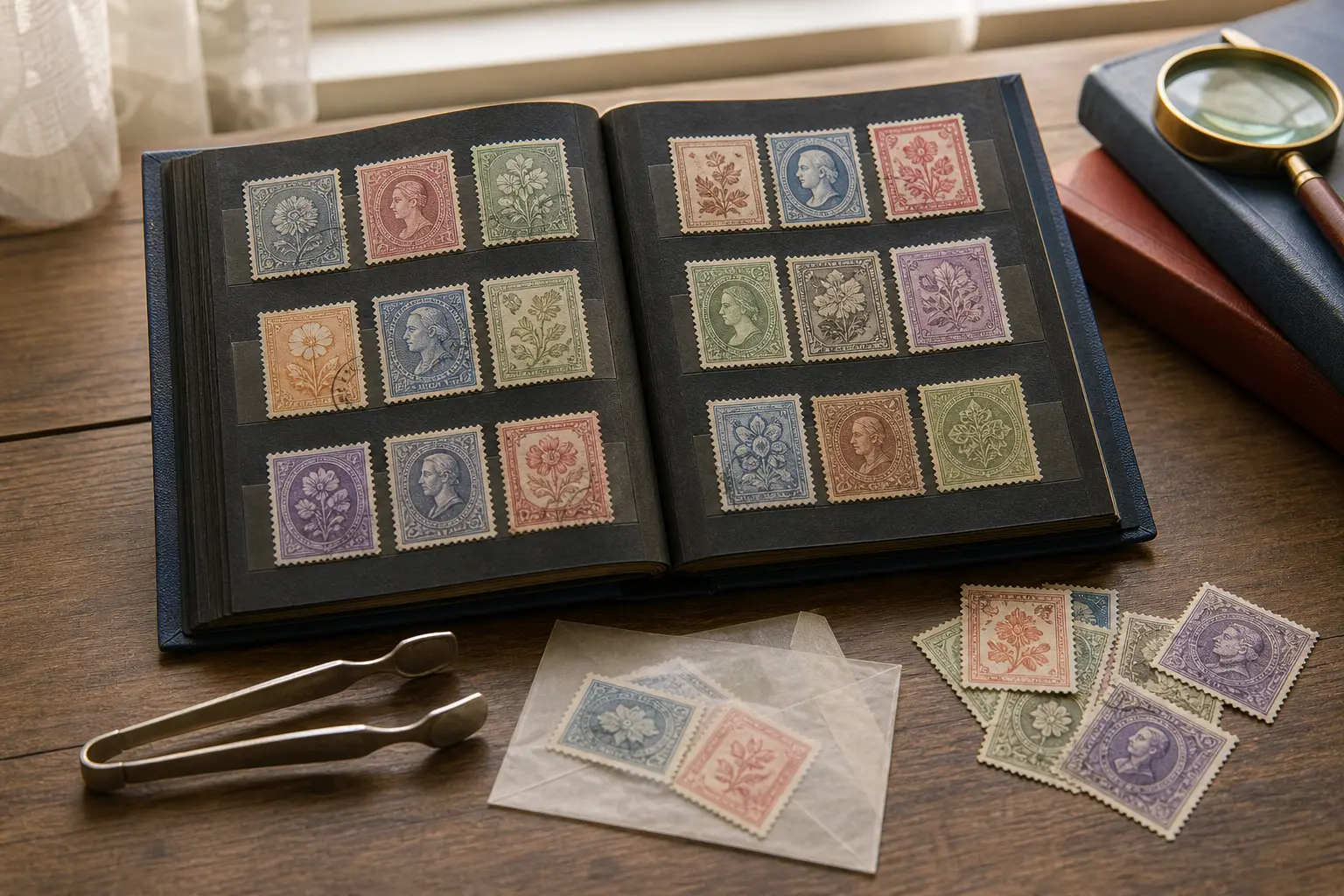
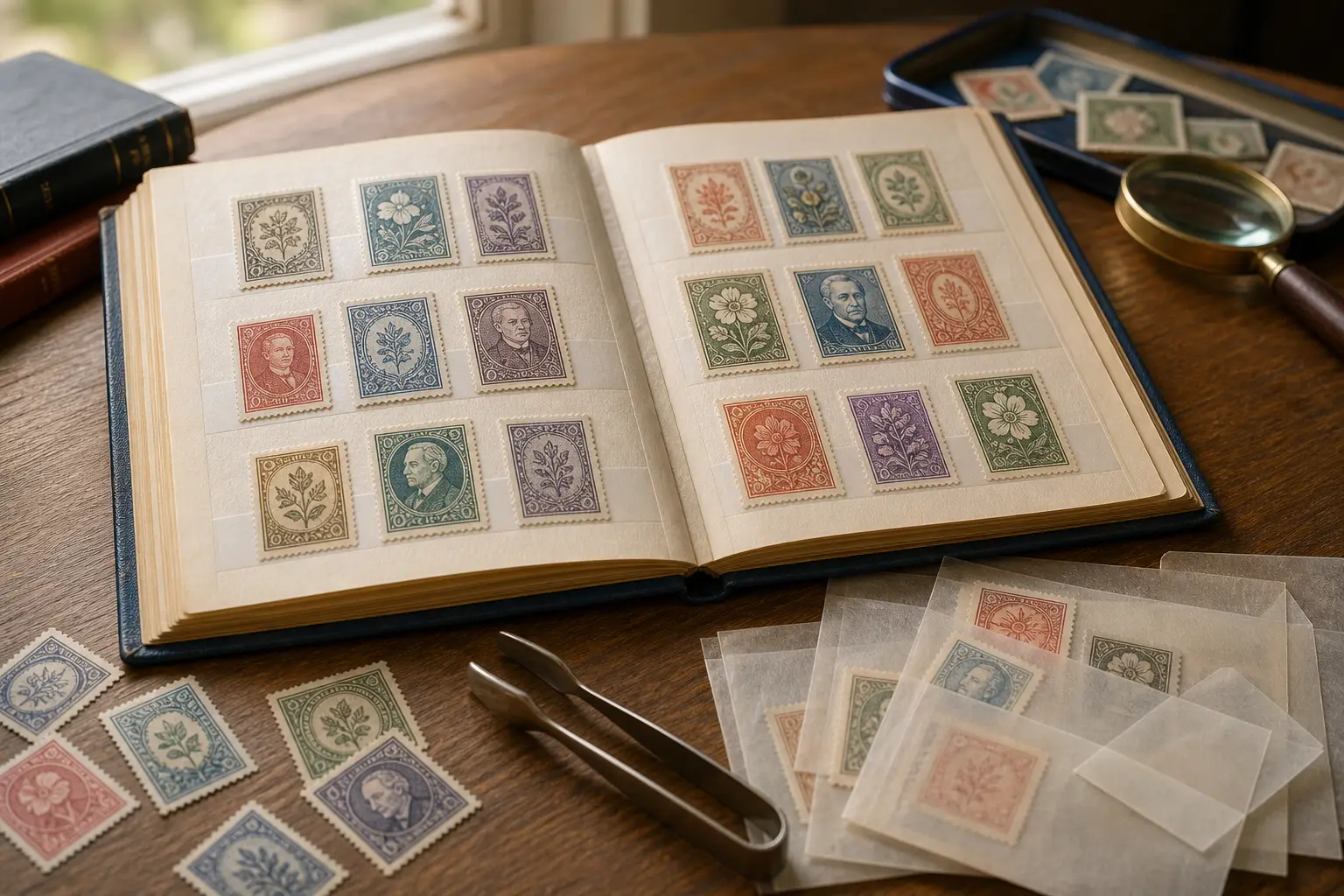
Before you begin arranging material, use basic tools that help protect the stamp and support careful observation. The Smithsonian National Postal Museum identifies stamp tongs, an album, and a general reference book as enough to start. Tongs let you pick up stamps without direct finger contact, which reduces the chance of bending, fingermarking, or other accidental damage.
A magnifying glass can help you see small design details, while a perforation gauge can be useful when two items look alike but differ in perforation measurement. The museum also mentions watermark detectors, color guides, and catalogs as specialist aids. Its guidance is important for beginners: physical observations should be compared with reliable references, not treated as conclusive on their own.
Decide what counts as part of your topic
One of the most useful early decisions is how strict you want your topic rules to be. The APS explains that topical collectors often include material beyond postage stamps, especially special postmarks, first day covers, and postal stationery. That flexibility helps you build a collection that feels complete to you, even when the same subject appears in different forms of mail material.
A good rule is to write down your choices before the collection grows. For example, you might include only stamps that clearly show your subject, or you might also include covers where the cancellation supports the theme. If a piece is close to your topic but not obviously related, keep the decision open until you can compare it with a reliable reference. StampSnap can help you create a likely identification or collection record, but it should not be treated as a final authority.
Sort in a way that stays manageable
Topical collections stay useful when they are easy to review, so organize material in a simple and repeatable way. You might sort first by subject relevance, then by format, such as mint stamps, used stamps, covers, or postal stationery. The APS notes that many collectors prefer used stamps because they often cost less than mint examples and do not require gum preservation, but your own choice should follow your collecting aim.
If you are collecting from mail, sorting soon after you receive items can save time later. Place uncertain pieces aside rather than forcing a quick decision. The main goal is not to own as many items as possible, but to keep a collection that matches your chosen theme and remains easy to maintain over time. A small, well-labeled group is often more useful than a large pile of unsorted material.
Check details carefully when stamps look similar
Topical collecting often brings together stamps that share the same subject but differ in small details. That is where careful checking matters. The Smithsonian National Postal Museum says a magnifying glass can reveal small design details, and a perforation gauge can separate look-alike issues by measuring their perforations. Catalogs can then help you compare what you see with recorded issue details such as issue date and printing method.
Because catalog information and physical clues work together, it is safest to treat your first impression as provisional. If a stamp seems to fit your topic but you are unsure about the exact issue, keep it in the collection as a probable match until you can verify it. This approach is especially useful when the design is familiar but the issue is not identical.
Store the collection safely from the beginning
Good storage habits matter even for a small starter collection. The APS describes collecting as something people can do year-round, and the Smithsonian’s recommended starter tools suggest a simple, low-risk approach. Use tongs when handling pieces, keep them in an album or other orderly storage, and avoid unnecessary touching that can damage surfaces or edges.
If you are working with covers, do not try to improve or alter them. Keep them intact and store them flat and clean in the way that best suits your album or reference system. The safest beginner habit is to preserve what arrived, sort it carefully, and make decisions from observation and reliable references rather than from guesswork or force.
Grow the collection at your own pace
A topical collection does not need to be finished quickly. The APS emphasizes that collecting is driven by personal enjoyment, and topical themes can be expanded or narrowed at any time. You can start with mail that already comes to you, then add items later from trades, exchanges, or other sources that fit your rules.
If the collection starts to feel too broad, narrow the subject. If it feels too narrow, widen it a little by adding related material such as special postmarks or postal stationery. The best topical collection is one you can keep organizing comfortably, understand clearly, and enjoy revisiting without damage or confusion.
Frequently asked questions
What is the easiest way to start a topical stamp collection?
Choose one subject you enjoy, save matching stamps or related postal items from everyday mail, and sort them with tongs, an album, and a reference book.
Can a topical collection include more than stamps?
Yes. The APS says topical collectors often include special postmarks, first day covers, and postal stationery in addition to stamps.
How do I avoid damaging stamps while sorting them?
Use stamp tongs to pick them up, handle them as little as possible, and store them in an album or other orderly system rather than leaving them loose.
What should I do if two stamps look almost the same?
Check small design details with a magnifying glass, compare perforations with a perforation gauge, and confirm your observation against a reliable catalog.
Should I trust a single visual clue when identifying a stamp for my topic?
No. The Smithsonian advises comparing physical observations with reliable references, because a single clue is not conclusive on its own.