Why Distinguishing Intaglio from Gravure Matters
Understanding whether a stamp was printed by intaglio (line-engraved) or gravure is important for collectors interested in cataloging, authenticating, or simply appreciating their stamps. These two printing methods are both forms of recess printing, but they produce different visual and tactile effects. Accurately identifying the printing process can help you match a stamp to catalog listings, understand its production history, and avoid confusion with similar designs.
Because some stamps exist in multiple printings using different methods, knowing the process can also affect how you organize your collection. However, no single visual clue is always conclusive. Safe, methodical examination is essential, and collectors should avoid making permanent alterations to their stamps during study.
What Is Line-Engraved Intaglio Printing?
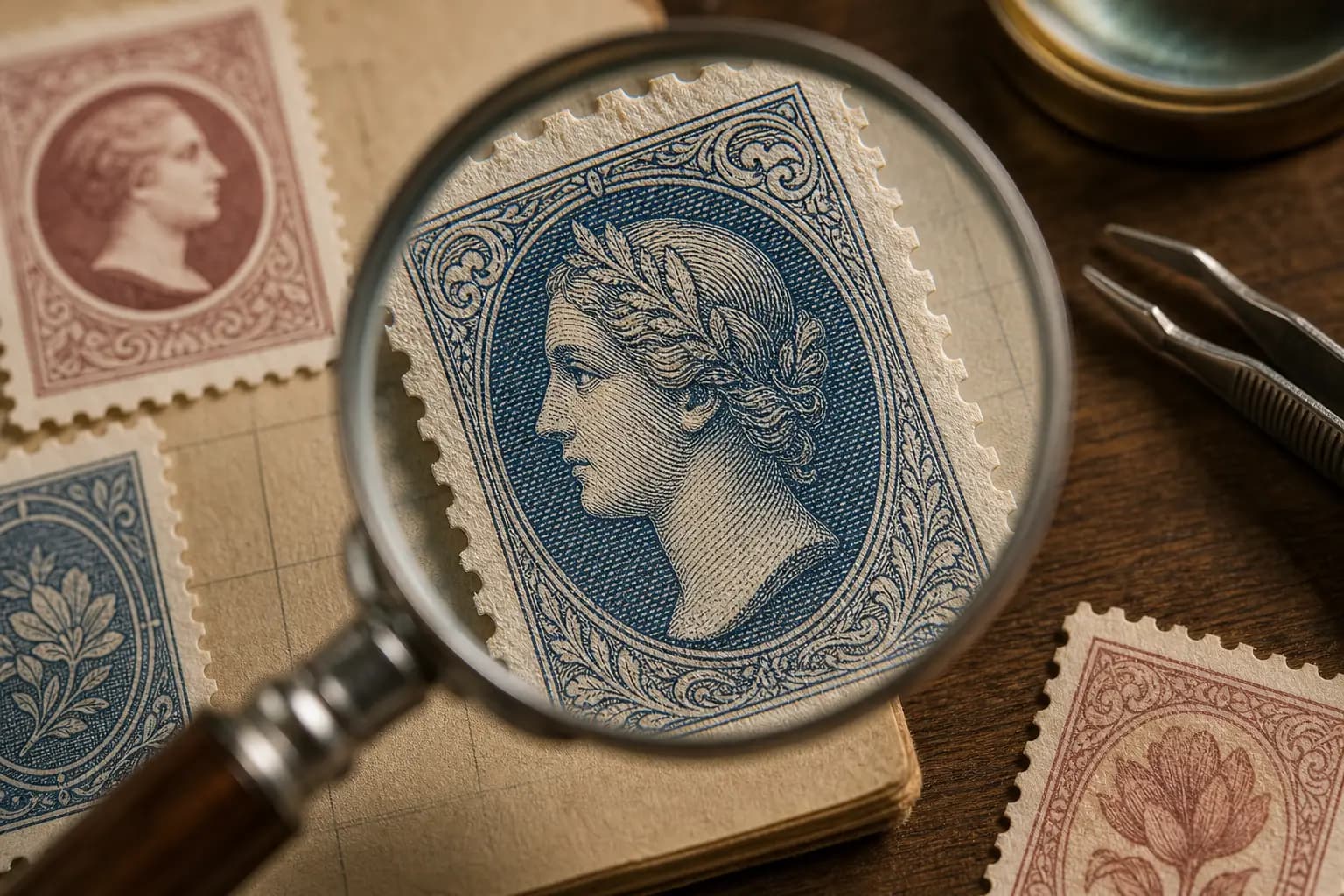
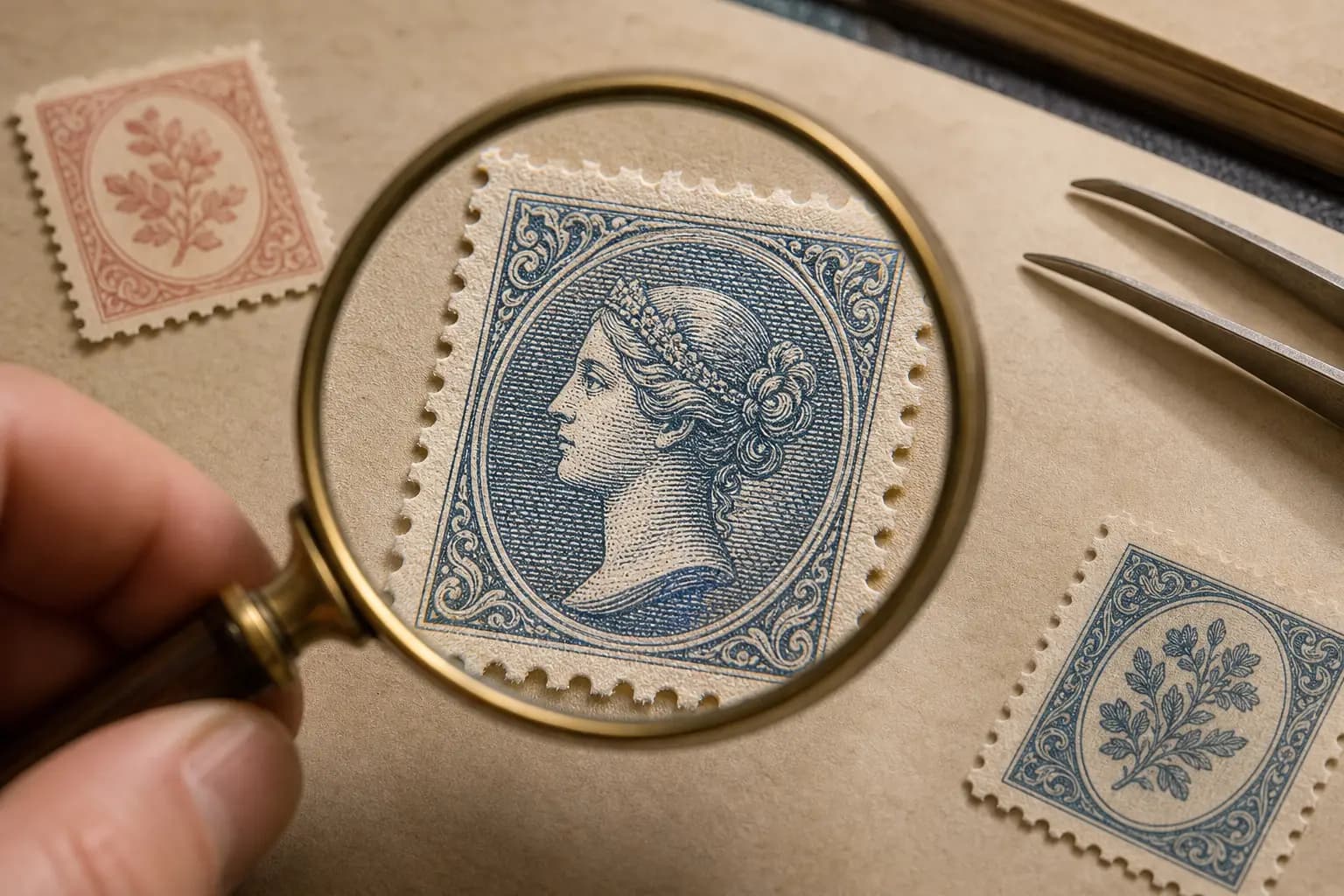
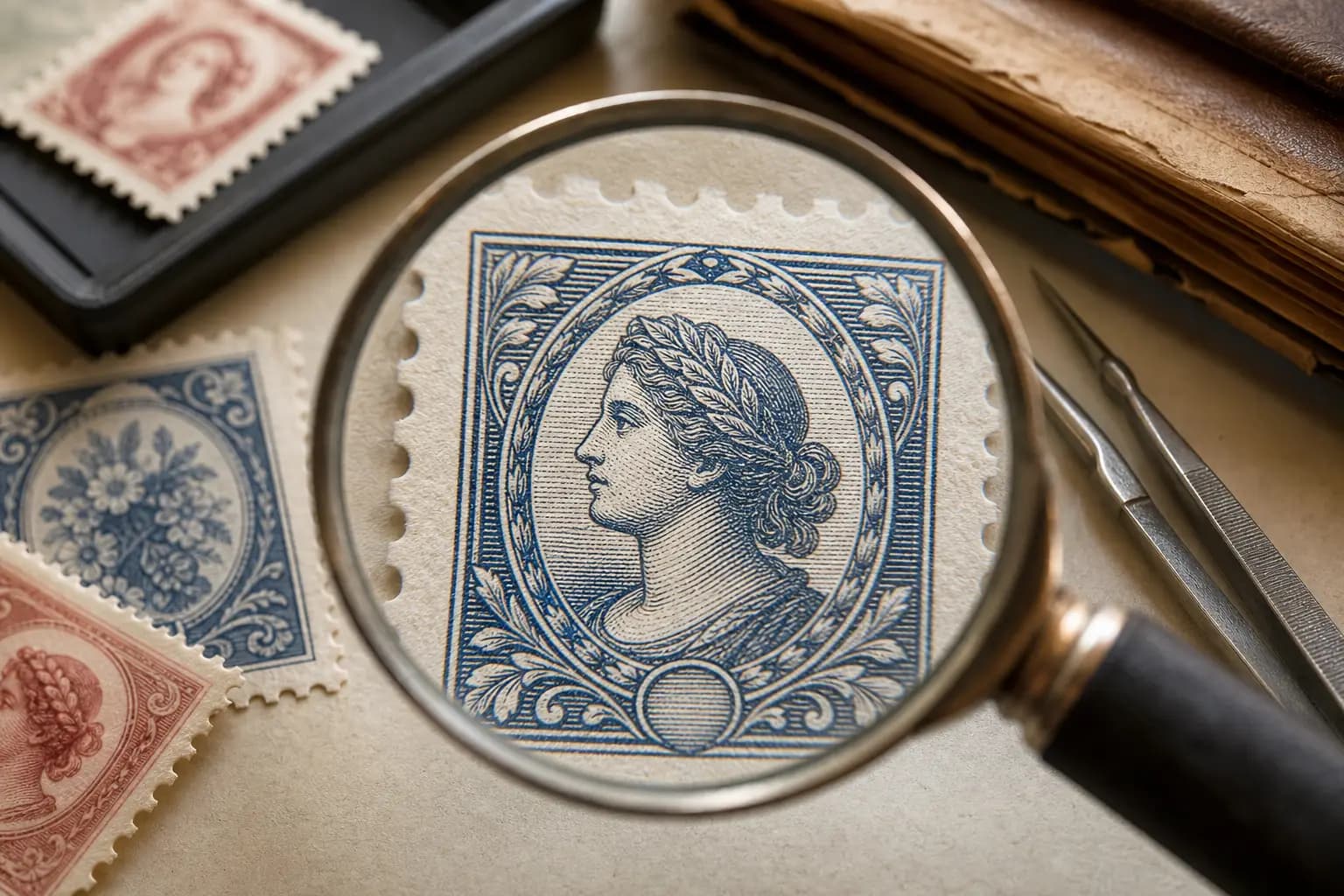
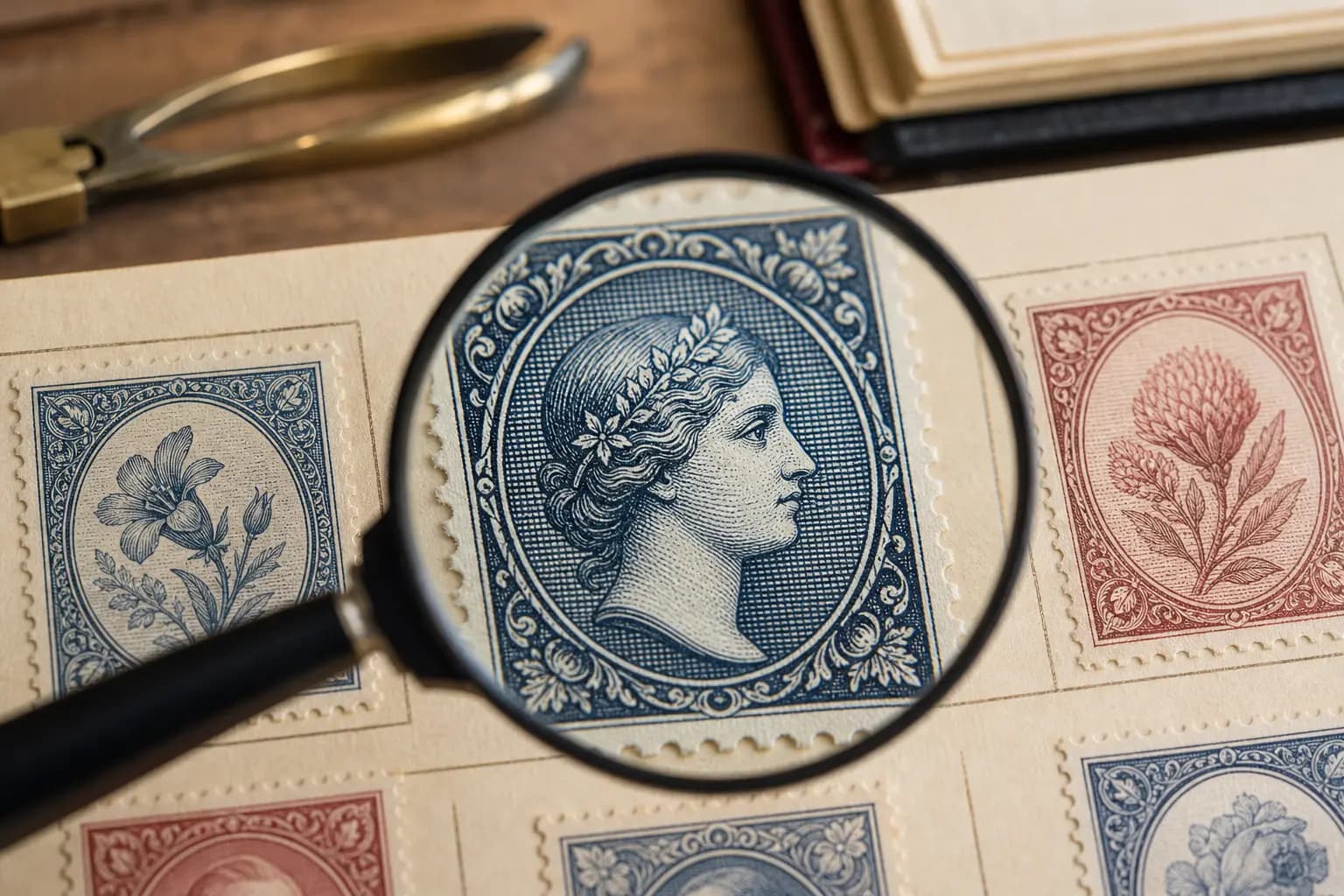
Line-engraved intaglio is one of the four major families of stamp printing identified by the American Philatelic Society. In this process, ink is transferred from lines that have been deliberately incised into a printing plate. The design is built up from fine lines, hatching, cross-hatching, and stippling. These lines are cut into the plate by hand or machine, and ink fills the grooves. When the plate is pressed onto paper, the ink is pulled out of the grooves, creating a raised image.
Under magnification and oblique light, you may see raised ink on the surface of the stamp, and sometimes a debossed (pressed-in) effect on the reverse side. However, these features are supporting clues rather than definitive tests, as other processes can sometimes mimic similar effects. Always combine multiple observations for best results.
What Is Gravure Printing?
Gravure is another type of recess printing, but it forms images from a pattern of tiny screened cells rather than continuous engraved lines. The design is etched or chemically transferred onto a cylinder, creating a series of small recesses. Ink fills these cells, and when the cylinder contacts the paper, the ink is transferred, forming the image.
Gravure printing can also produce a slightly raised effect and may show a dot or cell pattern under magnification. However, screened or raised effects are not exclusive to gravure, so collectors should avoid relying on a single feature. Instead, compare the overall appearance, texture, and structure of the printed image with known examples and production records.
Key Visual and Tactile Clues: A Step-by-Step Approach
To distinguish intaglio from gravure, start with a clean, dry stamp and use non-contact magnification, such as a loupe or digital microscope. Work in good, diffuse lighting and try viewing the stamp at an oblique angle to reveal surface texture.
For intaglio, look for: 1) distinct, crisp lines that build up the design, 2) signs of raised ink, especially in dark areas, and 3) possible debossing on the back of the stamp. For gravure, look for: 1) a pattern of tiny dots or cells forming the image, 2) a generally smoother surface, and 3) less pronounced raised ink. Remember, these clues are cumulative—no single feature is always diagnostic.
Never use solvents, adhesives, or tools that could damage the stamp. If you are unsure, compare your observations with reliable references or consult production records when available.
Why Dot Patterns and Edges Are Not Enough
It can be tempting to identify gravure solely by the presence of dot patterns, or to assume that soft or blurred edges indicate lithography. However, both the American Philatelic Society and the Smithsonian National Postal Museum caution that dot structures can appear in several printing methods, including gravure and modern lithography.
Sharpness or softness of image edges is not a dependable rule, especially for modern stamps. Always interpret dot patterns and edge quality in the context of other clues, and never base your identification on a single visual feature.
Combining Clues and Consulting References
Because more than one printing process may appear on a modern stamp, and visual features can overlap, collectors should combine all available clues. Use a checklist: examine the design under magnification, check for raised ink and debossing, and look for dot or cell patterns.
When in doubt, consult production records, specialized catalogs, or trusted philatelic organizations. StampSnap can help you create a likely identification or organize your collection, but always verify with authoritative sources if you need confirmation for cataloging or valuation.
Safe Handling and Best Practices
Handle stamps with clean, dry hands or stamp tongs to avoid transferring oils or causing creases. Always use non-contact magnification and gentle lighting—never press or rub the stamp surface. If you need to examine the reverse for debossing, do so carefully and avoid bending the stamp.
If your stamp is mounted or on cover, do not attempt to remove it for examination. Instead, study what is visible and consult references. Safe, methodical handling preserves both the stamp and its value for future collectors.
Frequently asked questions
How can I tell if my stamp is intaglio or gravure printed?
Examine the stamp under magnification and oblique light. Intaglio typically shows fine, engraved lines, raised ink, and sometimes debossing on the back. Gravure shows a pattern of tiny dots or cells forming the image. Use all clues together for best results.
Can dot patterns alone identify gravure printing?
No. Dot patterns can also appear in other processes, such as modern lithography. Always combine dot patterns with other visual and tactile clues before making an identification.
Is it safe to touch the stamp surface to feel for raised ink?
No. Avoid touching the stamp surface directly, as oils and pressure can cause damage. Use non-contact magnification and lighting to observe raised ink.
Can StampSnap tell me the printing method of my stamp?
StampSnap can help you create a likely identification or organize your collection, but always verify printing methods with authoritative references for cataloging or valuation.
What if my stamp seems to have features of both intaglio and gravure?
Some modern stamps use more than one printing process. If you observe mixed features, consult production records or expert references to clarify the methods used.