The Challenge of Similar Stamp Designs
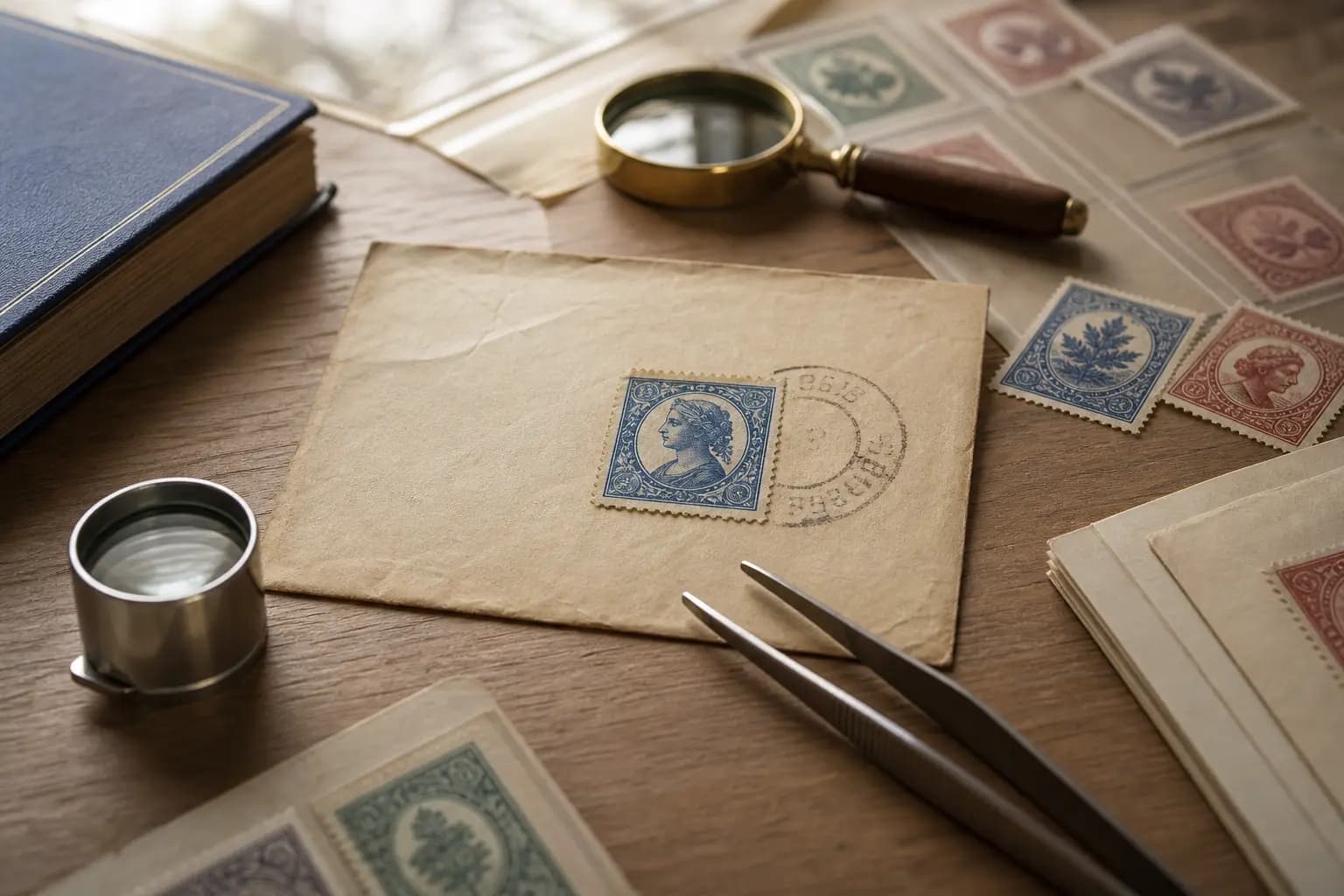
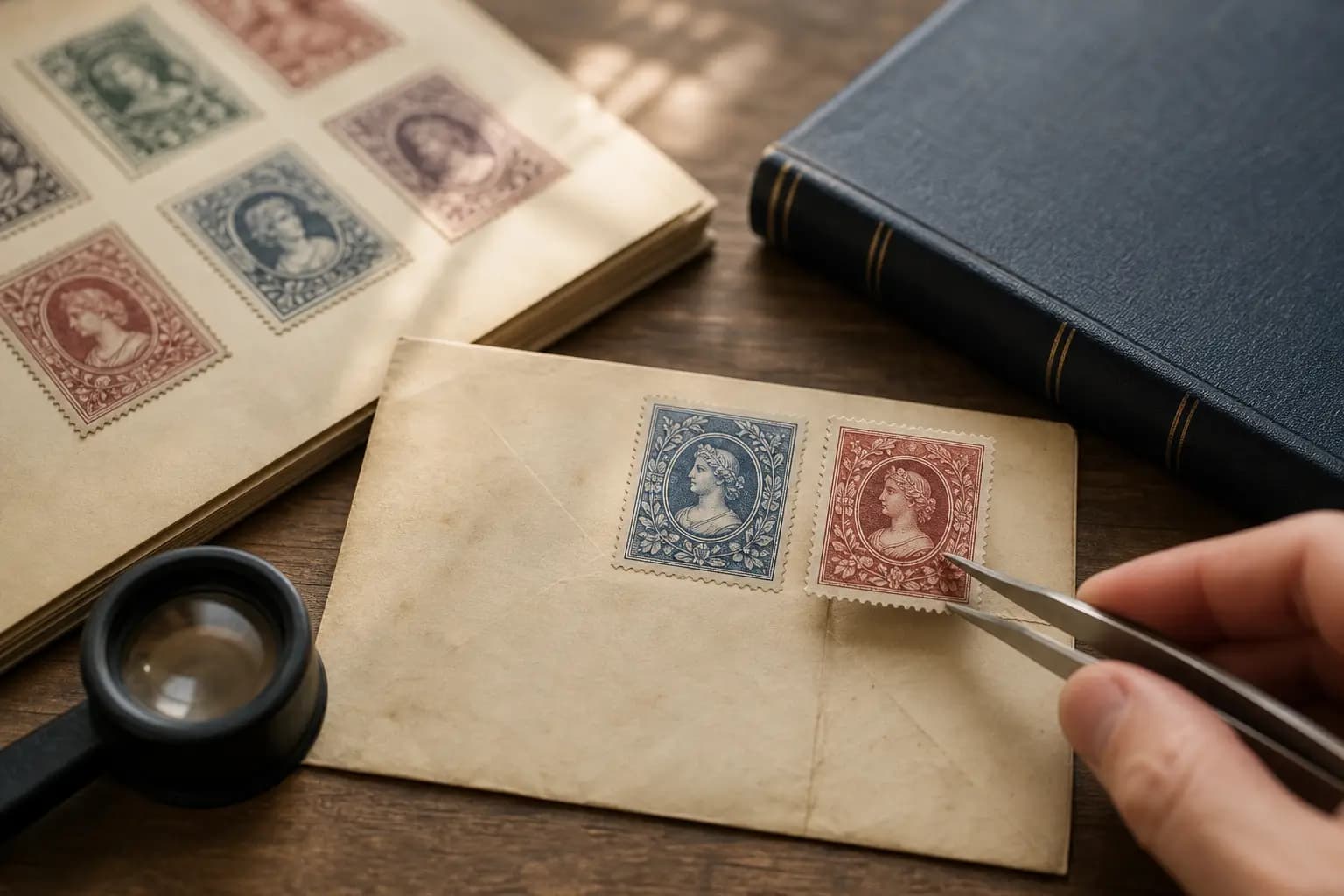
Identifying a postage stamp in a worldwide catalog can be highly challenging, especially when dealing with look-alike definitives printed over several decades. While finding the general design gets you to the right ballpark, minor changes in design, color, and text determine the true identity and value of a stamp. Collectors must develop a sharp eye for detail and a methodical process to distinguish these closely related varieties.
Utilizing digital tools like StampSnap can help you establish a helpful starting point by creating a likely identification or collection record. However, because visual identification alone is not always conclusive, you must perform a close physical inspection of the stamp's micro-design elements, inscriptions, and paper structure to confirm its exact catalog number.
Spotting Hidden Year-Dates in Corner Designs
Some look-alike stamps appear virtually identical at first glance but feature tiny date changes that mark historical milestones. A prime example occurred under Austrian administration between 1912 and 1918 with the early stamps of Liechtenstein. The 1917 to 1918 20-heller dark green stamp was issued as a standard definitive, cataloged as Scott 8, showing the profile of Prince Johann II.
On November 12, 1918, a highly similar stamp was released to commemorate the 60th anniversary of the accession of the Prince. This commemorative version, cataloged as Scott 10, replaced the upper corner designs of the definitive stamp with the specific year-dates of his reign. Because these dates are incredibly difficult to see with the naked eye, standard catalogs like Scott include a boldface note reading 'Dates in Upper Corners' to guide collectors.
Analyzing Inscriptions and Text Variations
Minor text variations are another common way postal administrations distinguished stamps intended for different purposes. For instance, the 1886 half-cent rose stamp of North Borneo, cataloged as Scott 25, features the word 'POSTAGE' near the bottom of the design. This stamp was strictly intended to pay postage fees.
In contrast, the 1887 version of the same half-cent rose design, cataloged as Scott 35, was updated to pay both postage and fiscal fees. This version features the text 'POSTAGE & REVENUE' inscribed on a scroll that spreads all the way to the edge of the design. Newcomers to collecting North Borneo material often miss this subtle difference, which completely changes the catalog classification of the stamp.
Uncovering Security Watermarks on Look-Alike Paper
When the printed designs of two stamps are completely identical, the paper itself often holds the key to their true identity. Watermarks are security measures incorporated into stamp paper during the manufacturing process to deter counterfeiting. These words, letters, or symbols are formed from dies attached to the paper-making frame, resulting in thin places in the paper pulp.
Many stamps exist on both watermarked and unwatermarked paper, or on paper featuring entirely different watermark designs. For example, United States postage stamps issued between 1895 and 1910 utilized a double-line 'USPS' watermark, cataloged as Scott watermark 191. From 1910 to 1916, the United States transitioned to a single-line 'USPS' watermark, cataloged as Scott watermark 190. Distinguishing these watermarks is critical, as they can be the sole difference between a common stamp and a highly scarce variety.
Safe Watermark Detection Techniques
To safely identify watermarks without damaging your stamps, you should use a methodical, non-destructive process. Lay the stamp face down in a dark, shallow tray and moisten it with a few drops of specialized watermark fluid. The American Philatelic Society recommends using commercial watermark fluid, such as Clarity, which is formulated to be safer for your health and your stamps than alternative solvents.
The watermark fluid will temporarily bring up the watermark as dark lines against a lighter background. This fluid evaporates quickly and will not damage the original gum on an unused stamp. While electronic devices like the Safe Signoscope or the Morley Bright Watermark Detector are available to assist in this process, traditional fluid dipping remains a highly reliable method. Additionally, dipping the stamp allows you to inspect the paper for hidden faults like thins, creases, or repairs.
Establishing a Methodical Inspection Routine
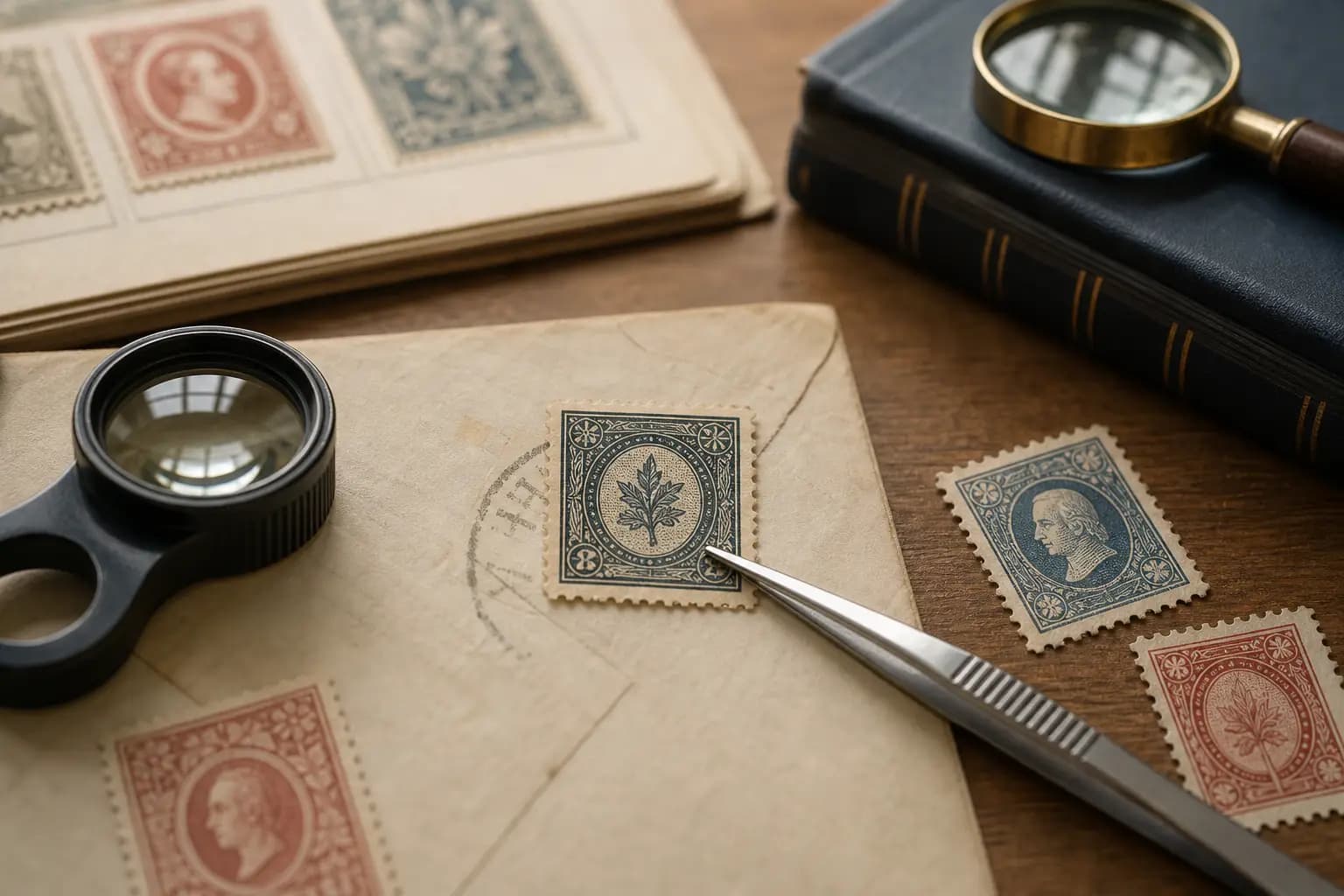
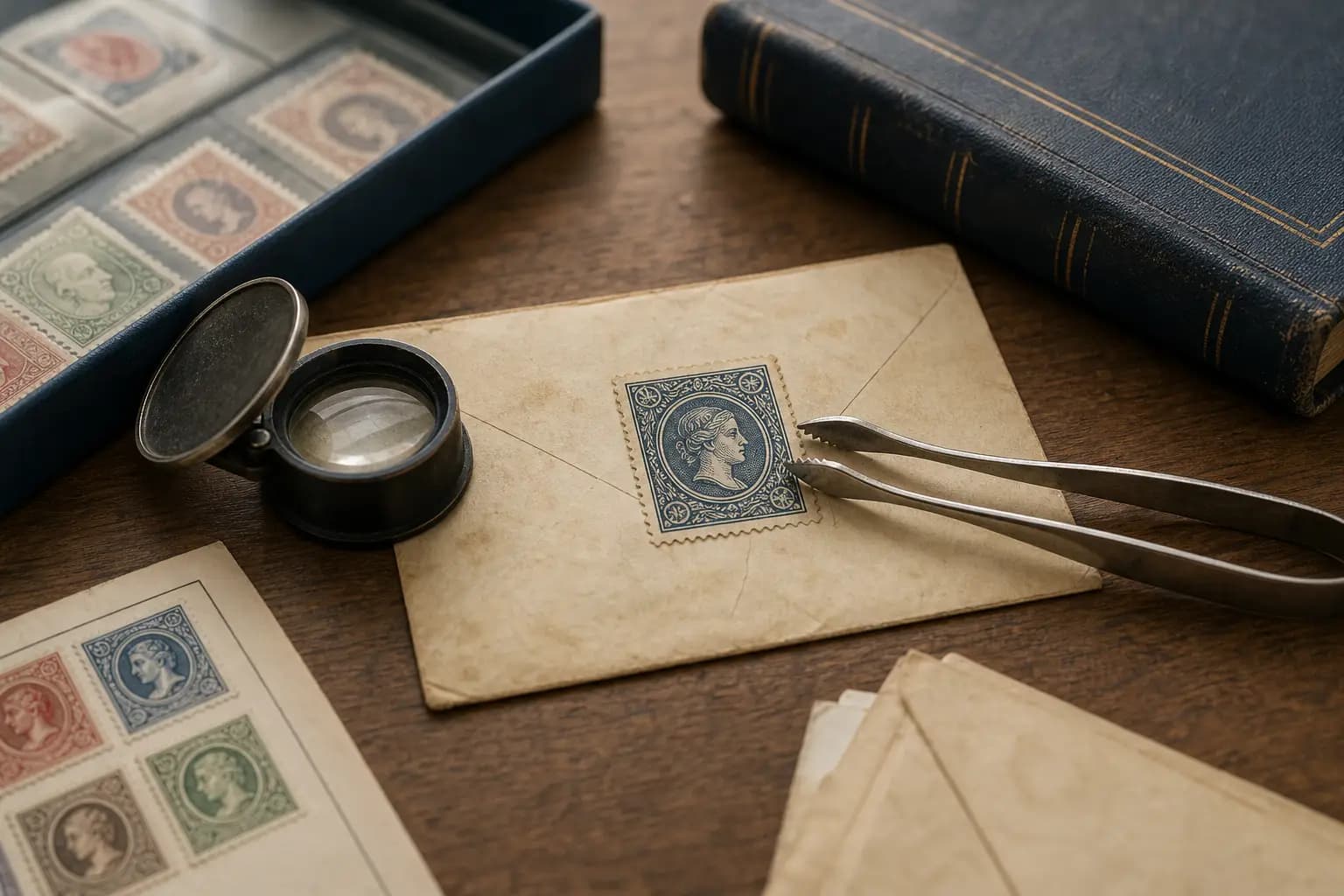
To successfully organize and value your collection, always approach look-alike stamps with patience and curiosity. Begin by using StampSnap to log your stamp and narrow down its country of origin and basic design era. Next, use a magnifier under strong, oblique light to inspect the corners, borders, and inscriptions for micro-text or date variations.
If the visual design elements match multiple catalog listings, proceed to check for watermarks using safe philatelic fluids. By systematically ruling out design, text, and watermark variations, you can confidently locate your stamp's exact catalog number and understand its place in postal history.
Frequently asked questions
How do I tell the difference between the 1886 and 1887 half-cent stamps of North Borneo?
The 1886 stamp (Scott 25) has 'POSTAGE' near the bottom, while the 1887 version (Scott 35) features 'POSTAGE & REVENUE' on a scroll extending to the edge of the design.
What is the difference between the Liechtenstein Scott 8 and Scott 10 stamps?
The 1917-18 definitive (Scott 8) shows the profile of Prince Johann II, while the November 12, 1918 commemorative (Scott 10) replaces the upper corner designs with the year-dates of his reign.
How do I distinguish double-line and single-line USPS watermarks?
The double-line 'USPS' watermark (Scott 191) was used on U.S. stamps from 1895 to 1910, while the single-line 'USPS' watermark (Scott 190) was used from 1910 to 1916. They can be safely detected by placing the stamp face down in a dark tray and applying watermark fluid.
Is it safe to use lighter fluid to detect watermarks on stamps?
While many collectors use lighter fluid, the American Philatelic Society recommends using specialized commercial watermark fluid, such as Clarity, which is safer for your health and your stamps and will not damage the gum on unused stamps.