The Challenge of Look-Alike Stamp Varieties
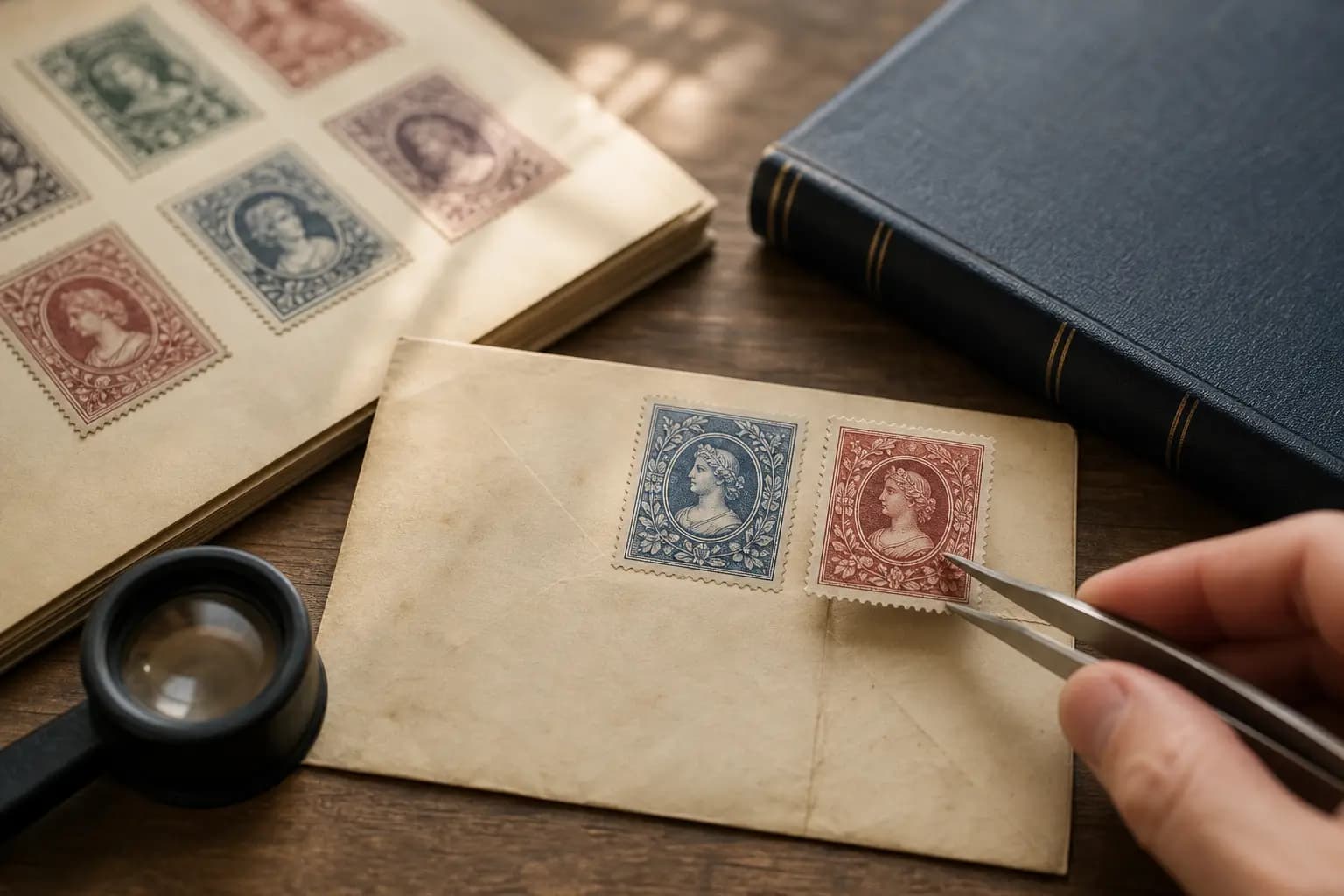
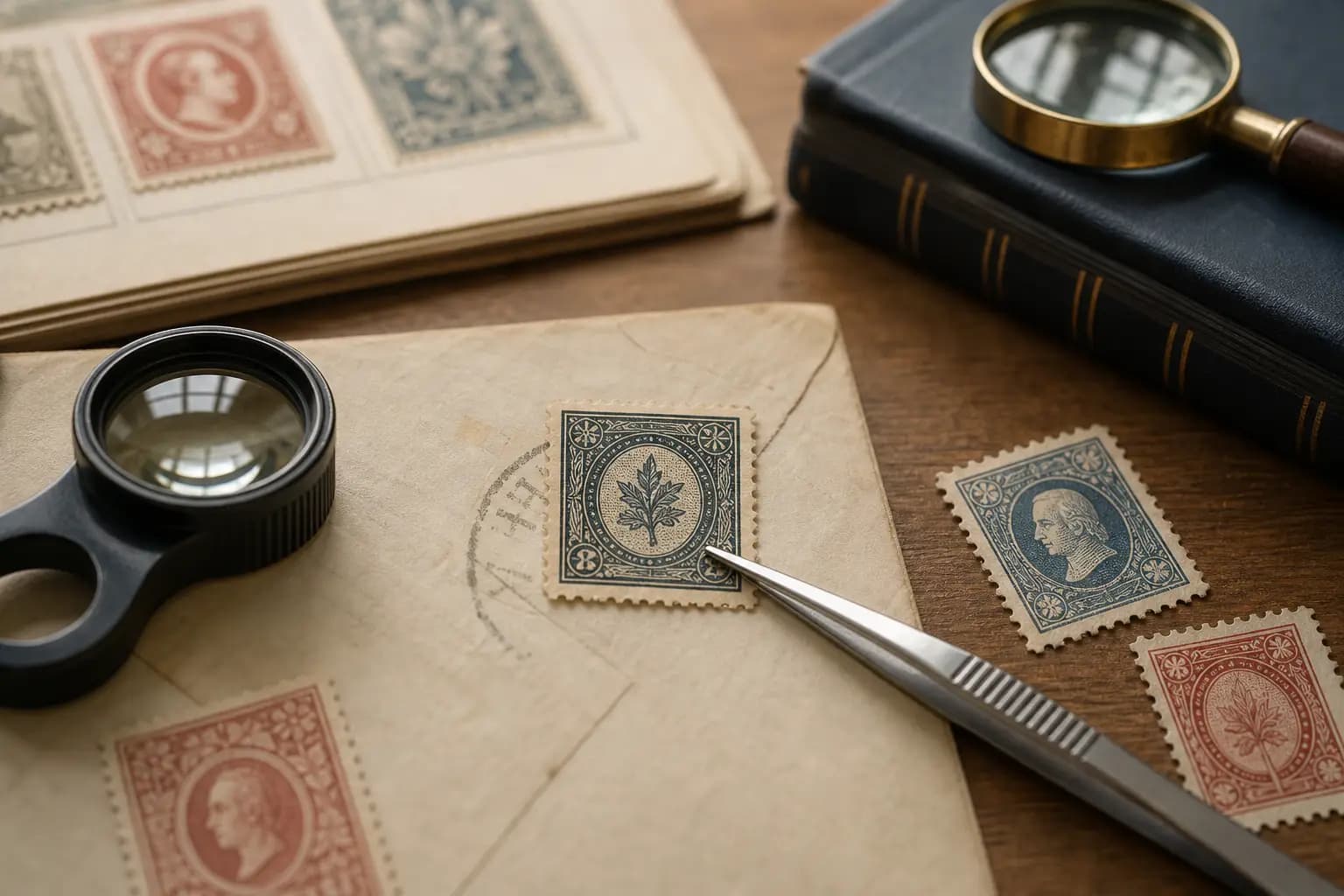
Identifying classic stamps can feel like finding a specific seat in an unfamiliar sports stadium. While identifying the issuing country gets you to the right city, and recognizing the basic design gets you to the stadium, pinpointing the exact variety requires a much closer look. Many stamps printed over several decades feature nearly identical designs, colors, and subjects, yet they carry vastly different catalog listings and values. To navigate these look-alikes successfully, collectors must develop a keen eye for detail and a methodical approach to physical inspection. By using tools like StampSnap to log your collection, you can keep track of these subtle varieties.
Spotting Corner Design and Date Variations
A prime example of how subtle design changes alter a stamp's identity can be found in the early issues of Liechtenstein under Austrian administration. Between 1912 and 1918, the country released several stamps featuring the profile of Prince Johann II. The 1917-18 20-heller dark green stamp was issued as a standard definitive. However, on November 12, 1918, a highly similar stamp was released to commemorate the 60th anniversary of the accession of the Prince. This commemorative version replaced the original upper corner designs with the specific year-dates of his reign. Because these dates are incredibly small and difficult to see with the naked eye, standard catalogs often include boldface notes to alert collectors to check the upper corners.
Analyzing Inscription Changes on Similar Designs
Another common area where minor design variations occur is in the text inscriptions. For instance, the 1886 half-cent rose stamp of North Borneo features a design that pays strictly for 'POSTAGE' near the bottom. Just one year later, in 1887, a new version of the half-cent rose stamp was released. This updated version paid fees for both 'POSTAGE & REVENUE,' with the new text inscribed on a scroll that spreads all the way to the outer edge of the design. While these two stamps look almost identical at a casual glance, noting the presence of the scroll and the expanded text is the key to identifying the correct catalog number.
Utilizing Watermarks to Distinguish Look-Alikes
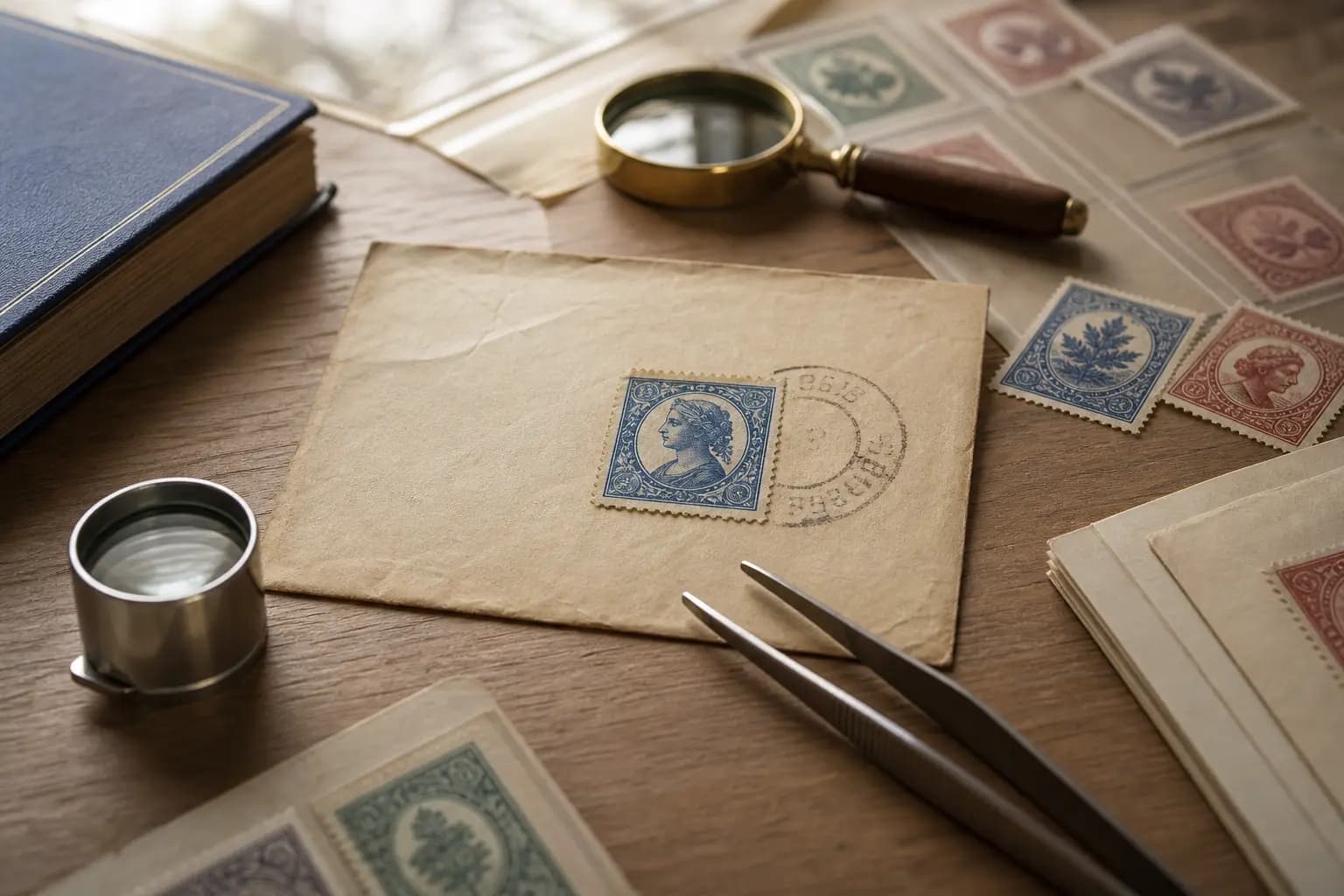
When visual design elements like corner dates or inscriptions are identical, the paper itself often holds the key to correct identification. Watermarks are security measures incorporated into stamp paper during manufacturing to deter counterfeiting. These thin areas in the paper can form words, letters, or symbols. For example, United States stamps issued between 1895 and 1910 used a double-line 'USPS' watermark, while those issued from 1910 to 1916 transitioned to a single-line 'USPS' watermark. Because a stamp's watermark can be the sole difference between a common variety and a highly valuable one, verifying these hidden marks is a critical step in the valuation process.
Safe Watermark Detection and Fault Inspection
To safely detect watermarks without damaging the stamp's paper or original gum, collectors should use a methodical, non-destructive process. The preferred method is to place the stamp face down in a specialized dark tray and gently moisten it with a few drops of commercial watermark fluid, such as Clarity. This fluid temporarily brings up the watermark as dark lines against a lighter background before evaporating quickly. Beyond watermark identification, dipping a stamp in watermark fluid is also an excellent way to inspect the paper for hidden faults, such as thins, creases, or repairs, which heavily impact the overall condition and value.
Organizing Your Discoveries Safely
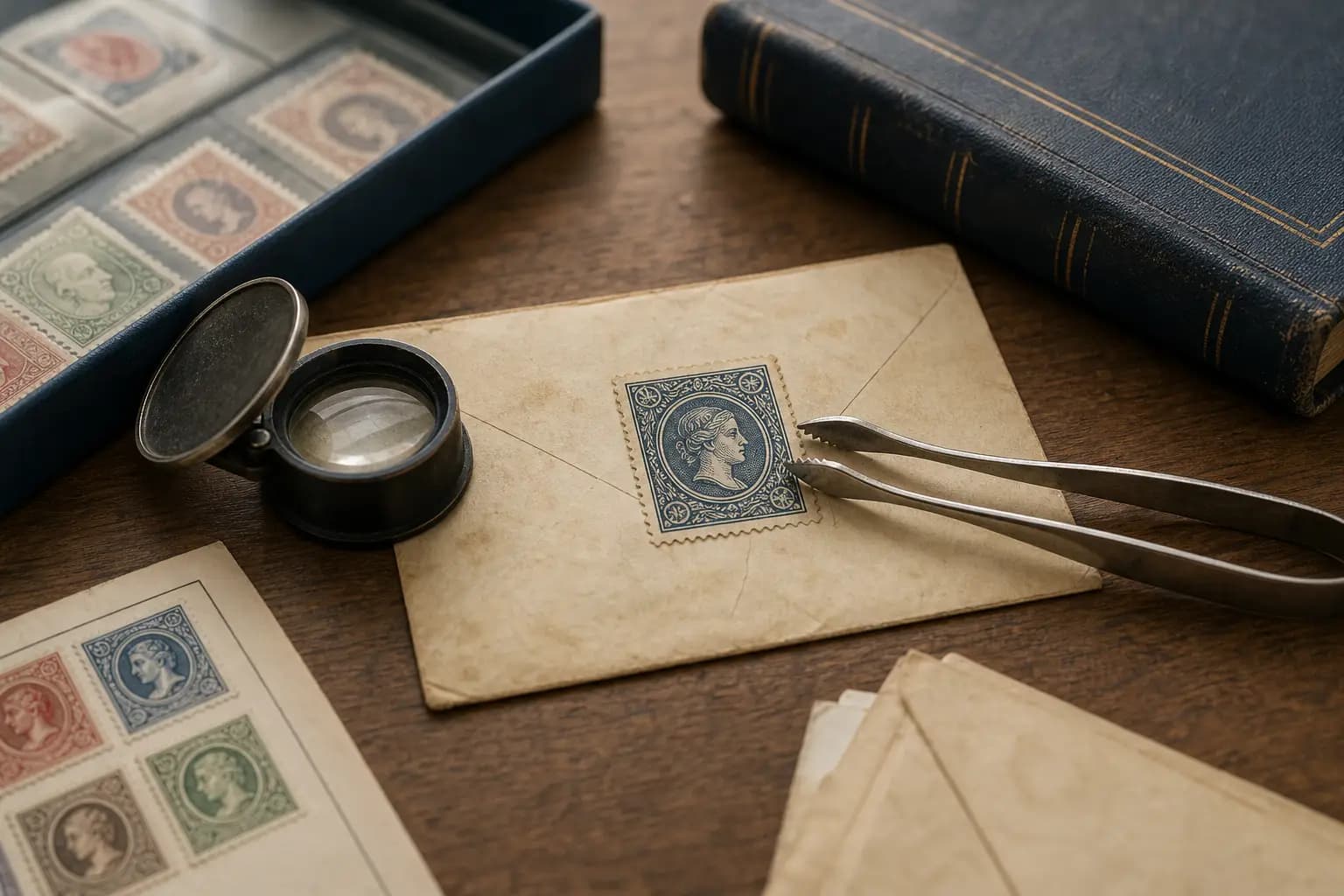
Once you have carefully inspected your stamps for corner dates, inscription changes, and watermarks, keeping an organized record is essential. Utilizing digital tools like StampSnap can help you catalog your findings and create a likely identification or collection record for future reference. Always handle your stamps with professional tongs to prevent skin oils from transferring to the paper, and store your identified varieties in high-quality albums or stock books. By combining careful physical examination with proper digital logging, you can confidently build and preserve a highly accurate philatelic collection.
Frequently asked questions
How do I tell the difference between the 1917 and 1918 Liechtenstein Prince Johann II stamps?
The 1917-18 20-heller dark green stamp is a definitive with standard corner designs, while the November 12, 1918 commemorative version features the accession dates (1858-1918) printed in the upper corners.
What is the difference between the 1886 and 1887 North Borneo half-cent rose stamps?
The 1886 stamp features the word 'POSTAGE' near the bottom of the design, whereas the 1887 version features 'POSTAGE & REVENUE' on a scroll that extends to the outer edge of the design.
Why are watermarks important when identifying look-alike stamps?
Watermarks are security features created during paper manufacturing that result in thin areas in the paper. Because stamps with identical designs may be printed on different watermarked papers, detecting the watermark is often the only way to distinguish a common variety from a rare one.
What is the safest way to detect a watermark on a classic stamp?
Place the stamp face down in a dark watermark tray and apply a few drops of a commercial watermark fluid, such as Clarity. This fluid temporarily highlights the watermark without damaging the stamp's paper or original gum.