Understanding Mint and Used Postage Stamps
When entering the world of philately, one of the first choices a collector faces is deciding whether to collect mint stamps, used stamps, or a mixture of both. According to the American Philatelic Society, a mint stamp has never been used to pay postage and retains the physical appearance it had when sold at the post office counter. In contrast, a used stamp has served its primary purpose of carrying mail through the postal system, often bearing a postmark or cancellation stamp.
Philately extends beyond basic adhesives. Stamp collecting is broadly defined as the accumulation of material related to postage payment and mail carriage. Beyond unused and cancelled stamps, collectors often assemble covers—which are entire envelopes that carried mail—as well as postage meter labels, revenue stamps, Christmas Seals, and related postal ephemera.
The Features of Collecting Mint Stamps
Mint stamps attract collectors who appreciate clean visual designs free from postal markings. Because a mint stamp retains its original state, the printed image on the front remains unobscured, allowing full view of the miniature artwork and fine line details.
However, collecting mint items comes with specific preservation responsibilities. The reverse side of a mint stamp usually features original gum. Preserving this original gum requires delicate handling and specialized storage methods. Damp conditions or improper handling can damage the gum, so mint collectors must take extra care to protect their items from moisture and direct finger contact.
The Practical Advantages of Used Stamps
Used stamps offer distinct practical advantages for collectors of all experience levels. In most cases, used stamps cost less than their mint counterparts, though occasional exceptions exist depending on scarcity or historical interest. Because the stamp has already passed through the post, preserving back gum is no longer a concern.
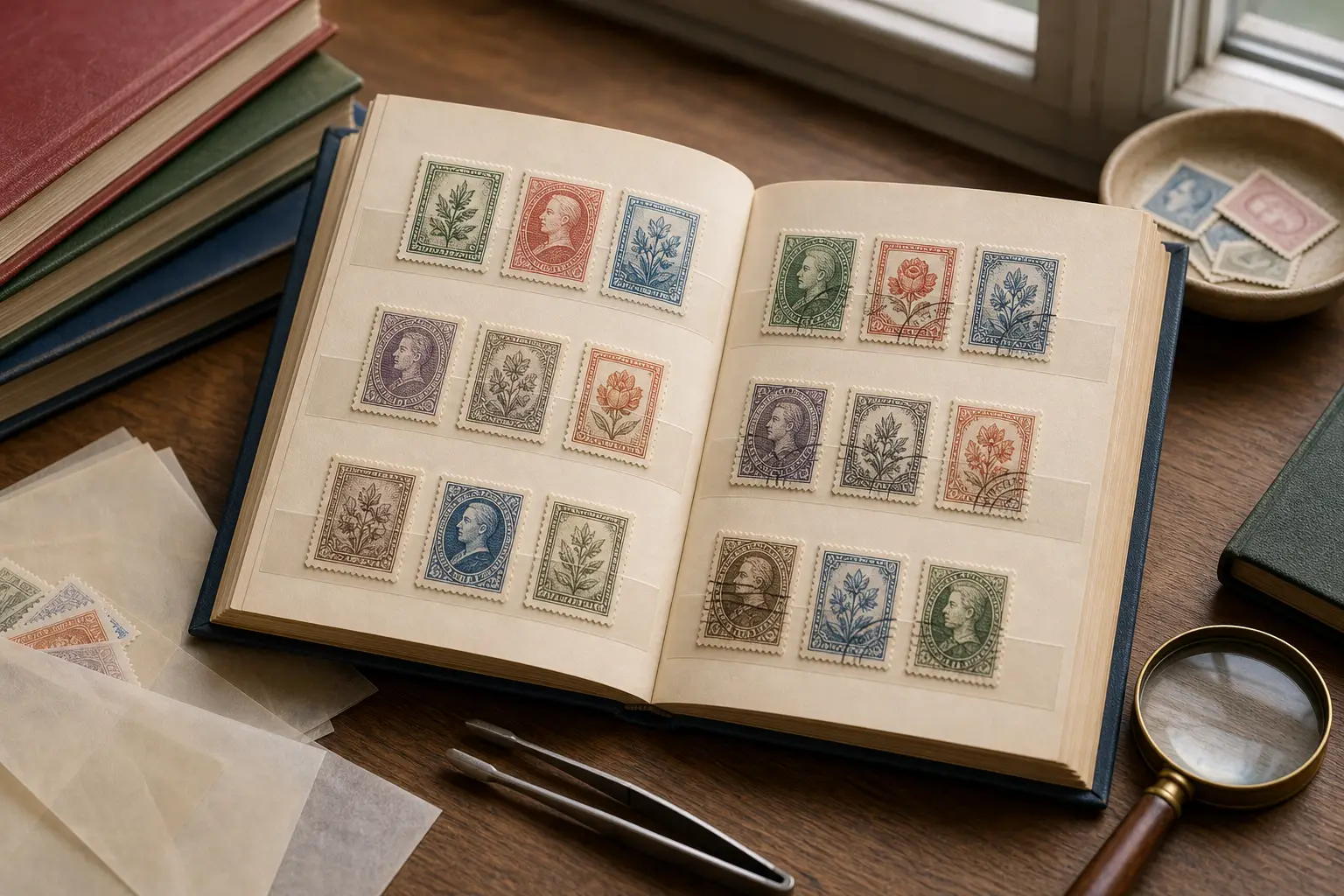
This freedom allows collectors to mount used stamps on paper album pages using simple, inexpensive stamp hinges. Furthermore, used stamps carry physical proof of their journey through the mail. Many collectors actively seek out clear, complete, or unusual cancellation marks, turning a standard used stamp into a unique piece of postal history.
Exploring Covers, Postal Stationery, and Special Types
Collectors are not limited to standard rectangular adhesives detached from envelopes. Many philatelists specialize in covers, which show the full context of how mail traveled, including transit markings, destination addresses, and original franking. First day covers and postal stationery offer additional avenues for building detailed historical displays.
Other collectors organize their holdings by functional stamp categories, such as airmail issues, coil stamps, special delivery stamps, or postage due adhesives. Others choose visual or thematic themes, collecting stamps by specific colors, unusual shapes, or topical subjects ranging from birds and space exploration to historic ships. You can log your physical finds into a digital reference app like StampSnap to keep track of individual covers and specialized stamp types as your assembly expands.
Essential Tools for Handling Mint and Used Material
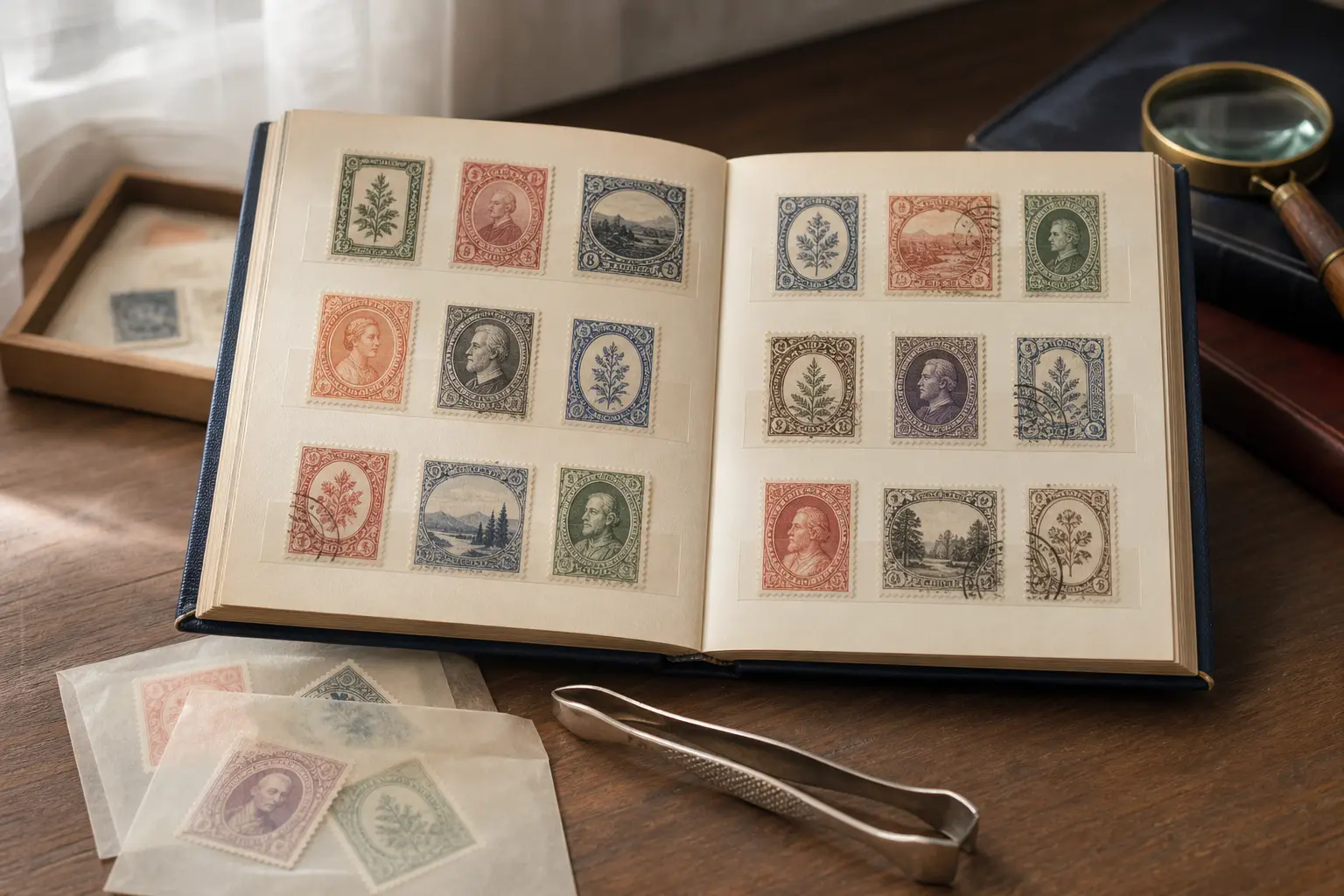
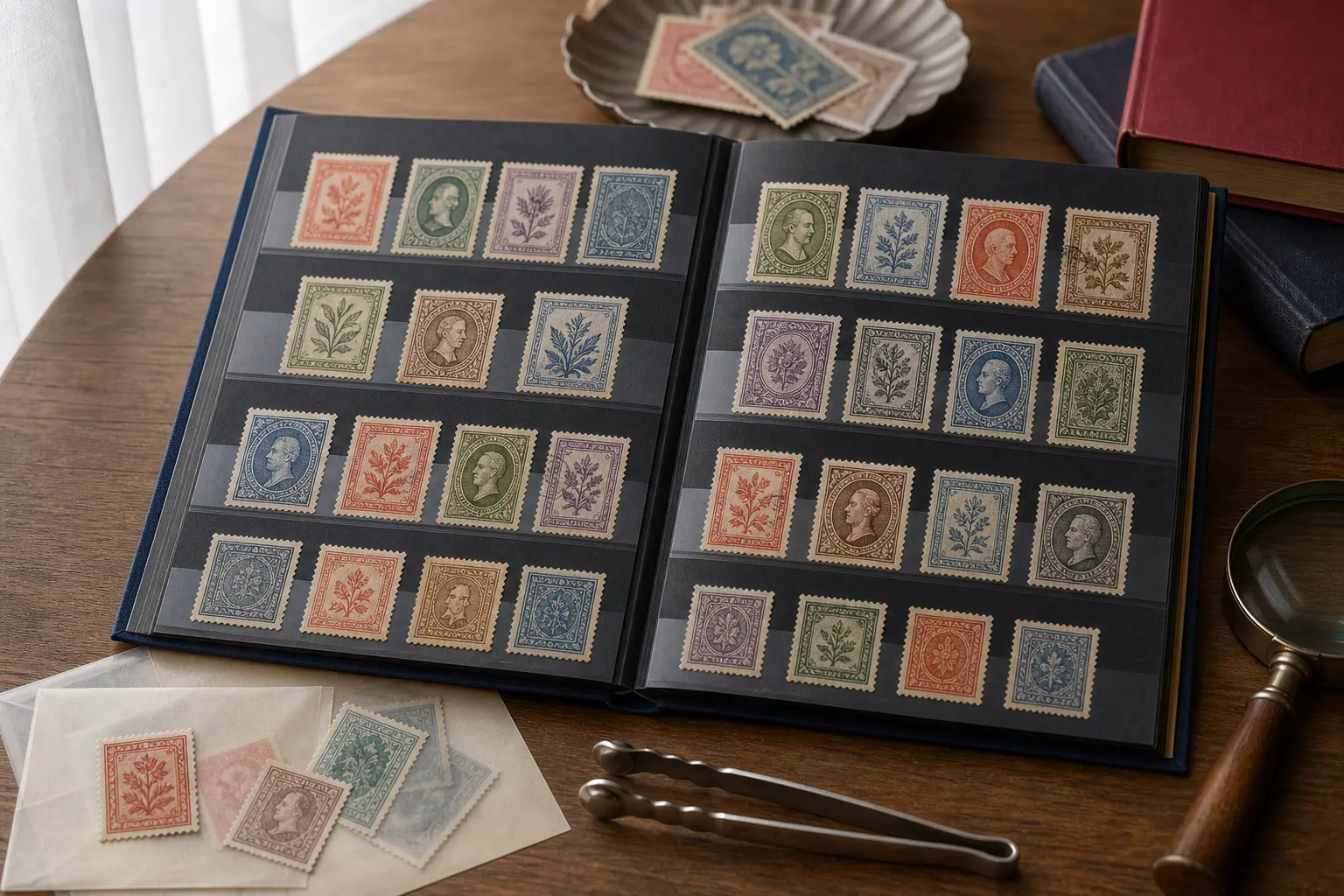
Handling paper items safely requires basic philatelic equipment. The Smithsonian National Postal Museum identifies a simple pair of smooth-ended stamp tongs, a protective album, and a general reference book as an ideal starting toolkit. Tongs allow you to pick up loose mint or used stamps without transferring natural skin oils or moisture to the paper.
To inspect fine details, collectors rely on optical magnifiers to examine subtle design features, while perforation gauges help separate look-alike issues by measuring tooth spacing. Specialist aids such as watermark detectors, color guides, and reference catalogs allow collectors to match physical observations against published issue dates and printing methods. Using catalog databases alongside digital organization tools like StampSnap helps ensure your physical inventory remains correctly cataloged.
Building a Collection That Suits Your Goals
The American Philatelic Society highlights that stamp collecting is a flexible hobby suitable for almost any age and budget, with no single correct way to collect. Whether you choose to collect worldwide issues, specialize in a single home country, build a topical narrative, or mix mint and used specimens, personal enjoyment is the primary objective.
By understanding the physical differences between mint condition paper, cancelled used stamps, and intact postal covers, you can select the mounting methods and reference tools that best protect your collection for years to come.
Frequently asked questions
What is the main physical difference between a mint stamp and a used stamp?
A mint stamp has never been used for mail and appears as it did when originally issued at the post office. A used stamp has traveled through the mail system and usually displays a postal cancellation mark.
Why is it often easier to mount used stamps than mint stamps?
Used stamps no longer require original gum preservation, allowing collectors to mount them securely onto album pages using basic, inexpensive stamp hinges without worrying about damaging reverse adhesives.
Are used stamps always less valuable than mint stamps?
While used stamps generally cost less than mint stamps, there are exceptions. Certain rare postmarks, historical cancellations, or scarce used issues can carry higher interest than standard mint copies.
What tools are recommended for starting a stamp collection safely?
The Smithsonian National Postal Museum recommends smooth-ended stamp tongs to avoid direct skin contact, a safe storage album, and a general reference catalog. Magnifying glasses and perforation gauges provide additional help when inspecting fine details.