The Valuation Impact of Self-Adhesive Backings
Modern self-adhesive stamps represent a significant and highly popular segment of modern philately. However, determining the value of these issues requires careful attention to their physical condition, which is heavily influenced by how they are processed. For self-adhesive stamps, the primary risk to their condition—and consequently their market value—occurs when collectors attempt to separate them from their original paper backing or envelope clippings. Using an incorrect separation method can cause irreversible tearing, thinning, or staining, which severely degrades the stamp's grade.
Utilizing tools like StampSnap can assist collectors in identifying the stamp's release year and catalog details, helping to establish a safe handling strategy before any physical processing begins. Because condition is a primary driver of philatelic value, understanding the adhesive chemistry of your stamps is a fundamental skill for any modern collector.
Identifying Pre-2007 Water-Soluble Backings
To safely handle self-adhesive stamps, collectors must first identify the era in which the stamp was produced. According to the American Philatelic Society (APS), until 2007, almost all United States self-adhesive stamps were manufactured with water-soluble backings.
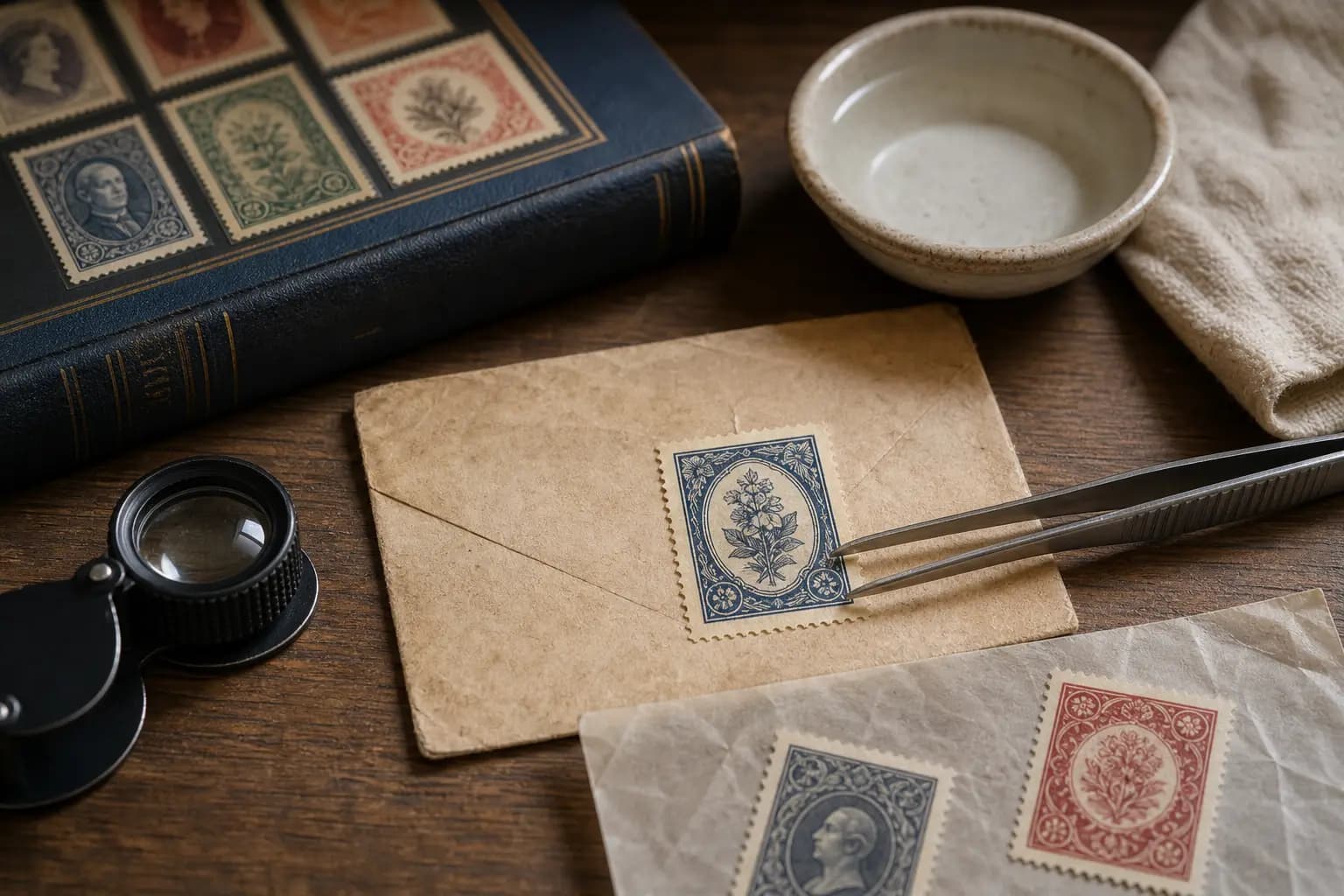
These early self-adhesives can be safely removed from their paper backing by soaking them in water for extended periods of time, typically about 20 minutes. Because the adhesive layer dissolves in water, traditional soaking methods are highly effective and pose minimal risk to the stamp's paper fibers, allowing collectors to preserve the stamp's original condition and market value.
Identifying Post-2007 Oil-Based Backings
The processing landscape changed significantly in 2007 when the United States Postal Service (USPS) updated its printing specifications. Most current U.S. self-adhesive stamps issued after this transition feature an oil-based backing rather than a water-soluble one.
Consequently, these modern stamps will not simply soak off paper when placed in water, no matter how long they are left to submerge. Attempting to soak post-2007 stamps in water can lead to waterlogging, paper warping, or color degradation without actually releasing the adhesive, which can permanently ruin the stamp's condition and destroy its potential value.
Safe Separation Methods for Oil-Based Backings
Because post-2007 self-adhesives feature an oil-based backing, an oil solvent is required to help remove them from paper safely. Collectors should use specialized, philatelically safe oil solvents to dissolve the adhesive layer without harming the stamp paper or the printed design.
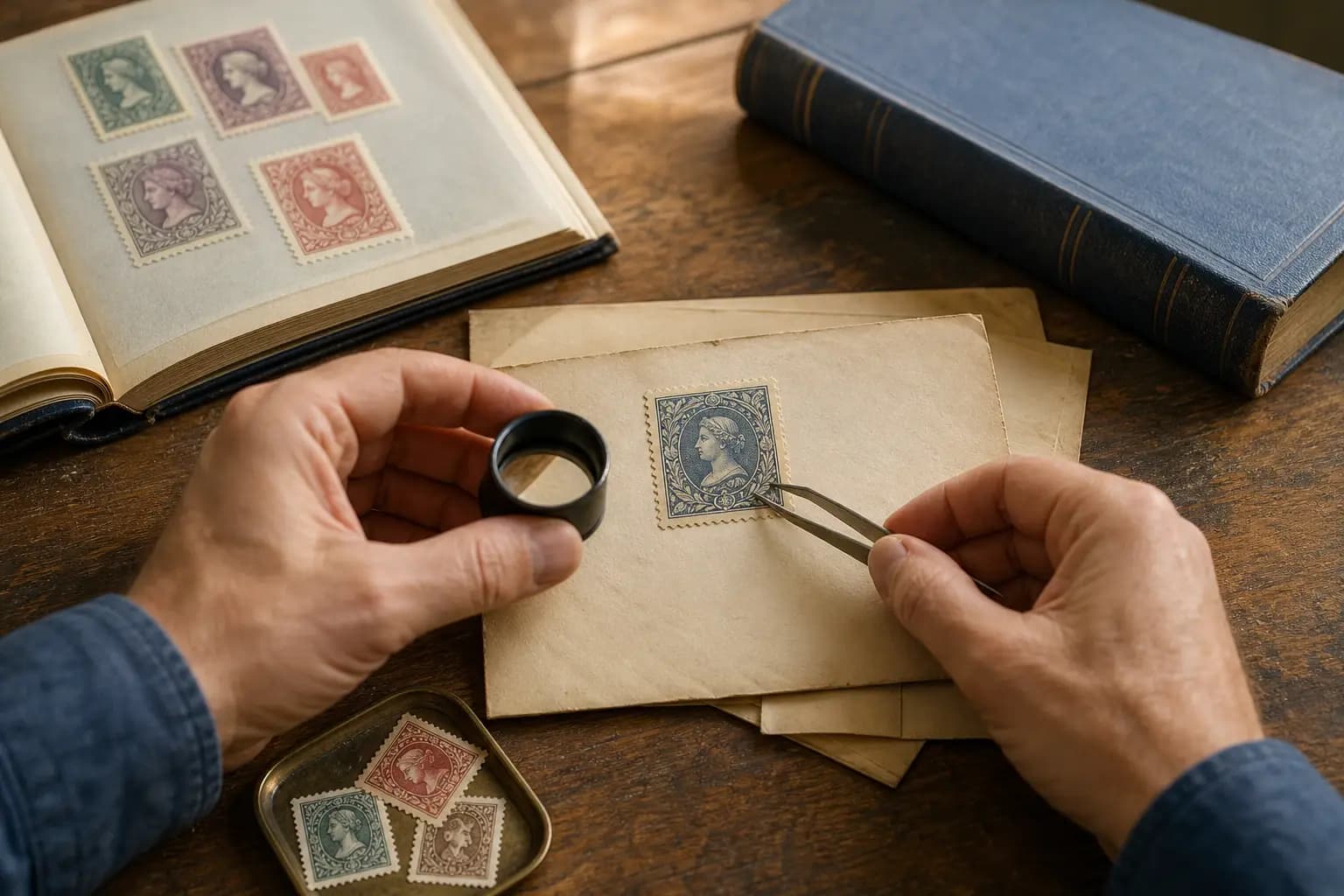
As demonstrated in educational resources like Graham Beck's video 'How to Separate Self-Adhesive Stamps,' using the correct solvent ensures the stamp separates cleanly from the paper without tearing. Collectors should avoid using harsh household solvents, tape, or glue, and should always handle the fragile wet paper gently using appropriate stamp tongs to prevent physical damage.
Detecting Paper Faults and Verifying Value
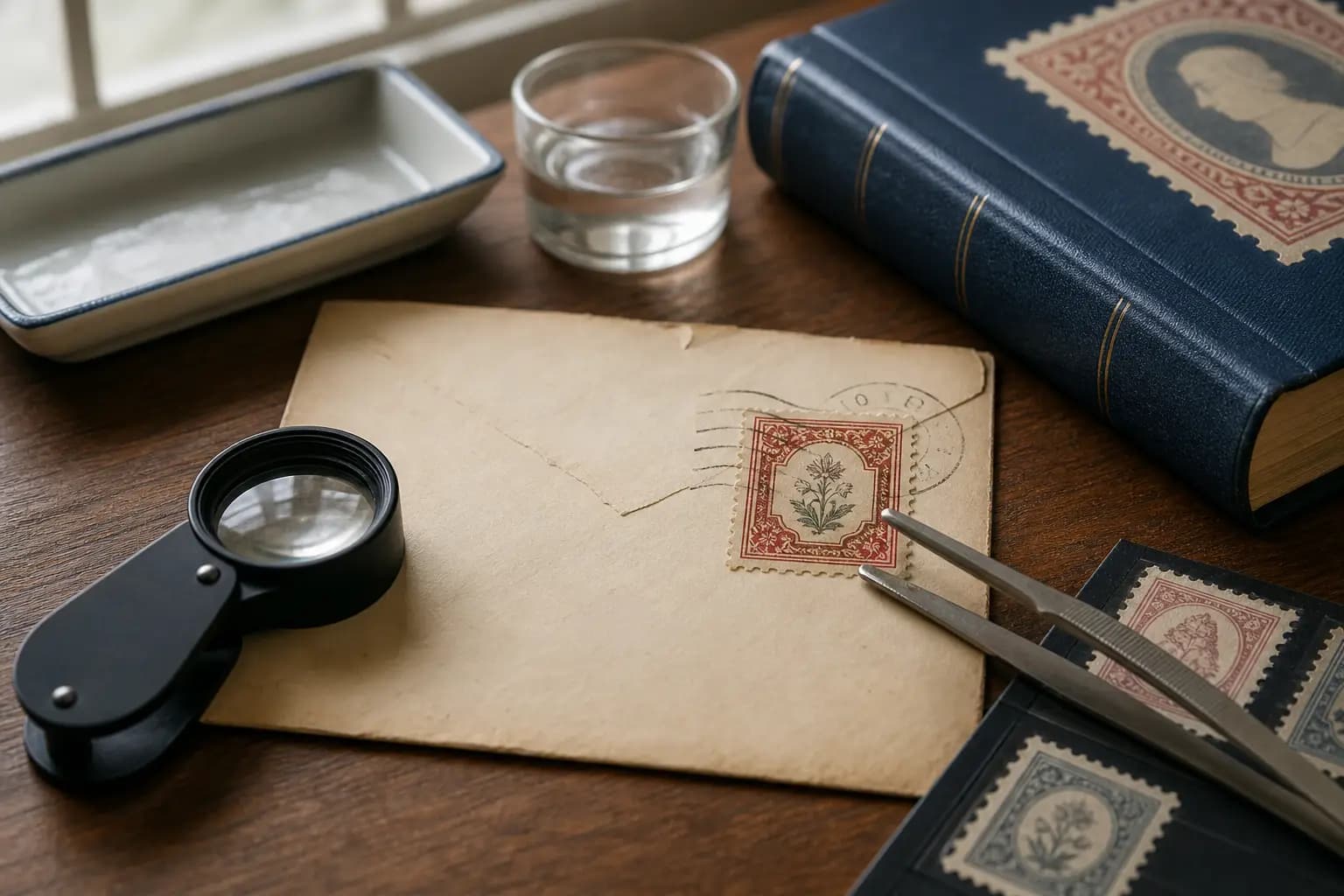
Once a self-adhesive stamp has been separated and dried, it is critical to inspect it for hidden damage that could negatively impact its valuation. To verify if a stamp has suffered damage during the separation process, collectors often use watermark fluid.
According to the American Philatelic Society, stamps are frequently 'dipped' in watermark fluid to look for thins, creases, and other paper faults that might not be visible under normal lighting. Detecting these faults early is essential, as even a minor thin or crease can significantly reduce a stamp's market value. Identifying these issues helps collectors maintain accurate records of their collection's overall quality.
Best Practices for Organizing Modern Self-Adhesives
Proper storage is the final step in preserving the value of your self-adhesive stamps. Once separated, dried, and inspected, these stamps must be stored in a way that prevents any residual adhesive from sticking to album pages or other stamps. Many collectors choose to store modern self-adhesives in high-quality glassine envelopes or specialized albums that protect the paper from environmental humidity.
Alternatively, some collectors prefer to keep modern self-adhesives on their original paper backing (on-paper) to avoid the risks of separation entirely. Whichever method you choose, maintaining a systematic organization system, such as a digital collection record in StampSnap, ensures your stamps remain protected and easy to reference.
Frequently asked questions
Can all self-adhesive stamps be soaked off paper using water?
No. While almost all United States self-adhesive stamps issued before 2007 can be removed by soaking in water for about 20 minutes, most post-2007 U.S. self-adhesives feature an oil-based backing. These modern stamps will not soak off in water and require an oil solvent for safe separation.
How can I check if a self-adhesive stamp was damaged during separation?
You can inspect the stamp by dipping it face down in a dark tray with watermark fluid. According to the American Philatelic Society, this process helps bring up thins, creases, and other paper faults that might have occurred during separation, which is critical for determining the stamp's true condition and value.
What should I use to separate post-2007 U.S. self-adhesive stamps?
You should use a specialized oil solvent designed for philatelic use to safely dissolve the oil-based backing. Avoid using harsh household solvents, tape, or glue, and always handle the wet stamp carefully using stamp tongs to prevent tearing.