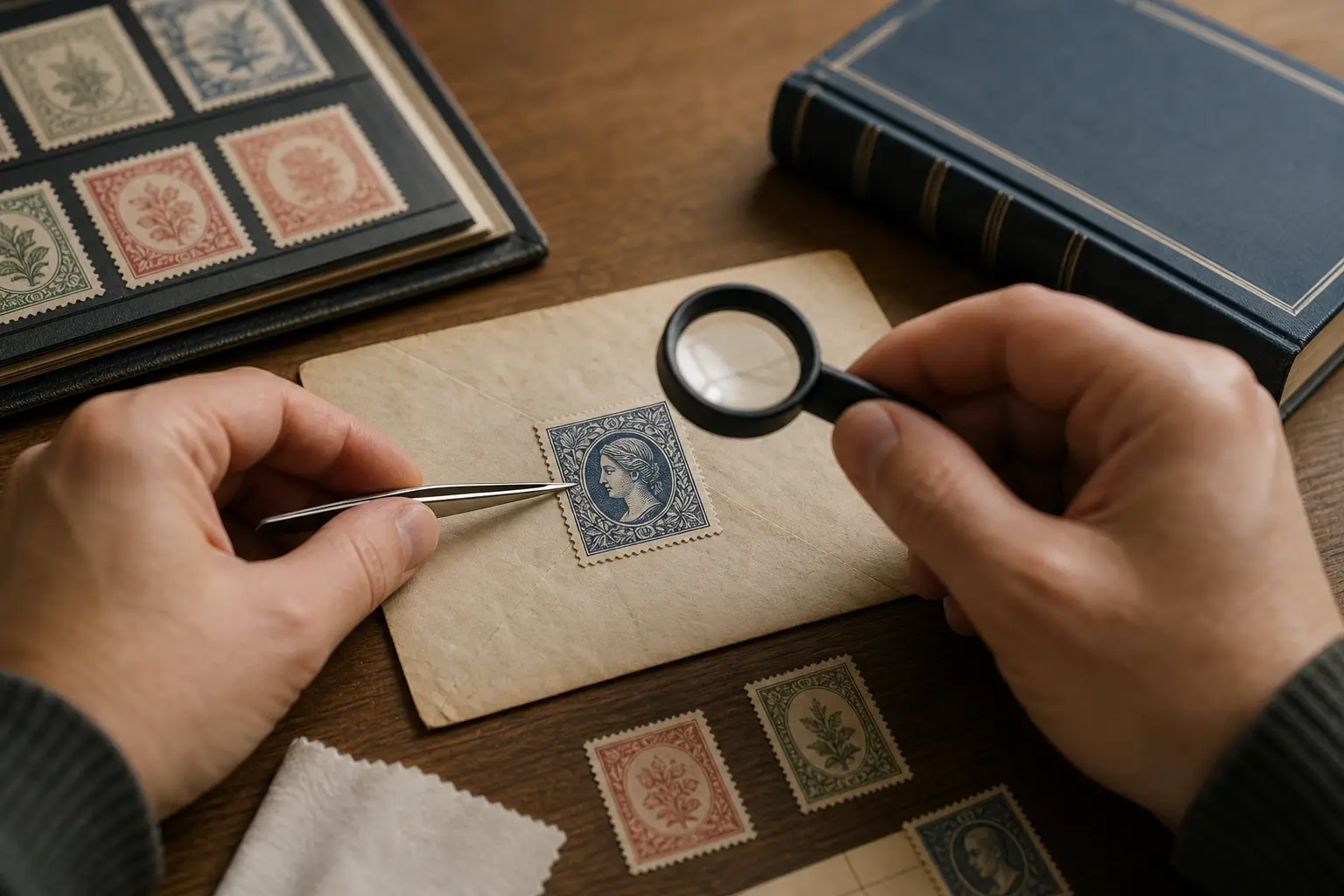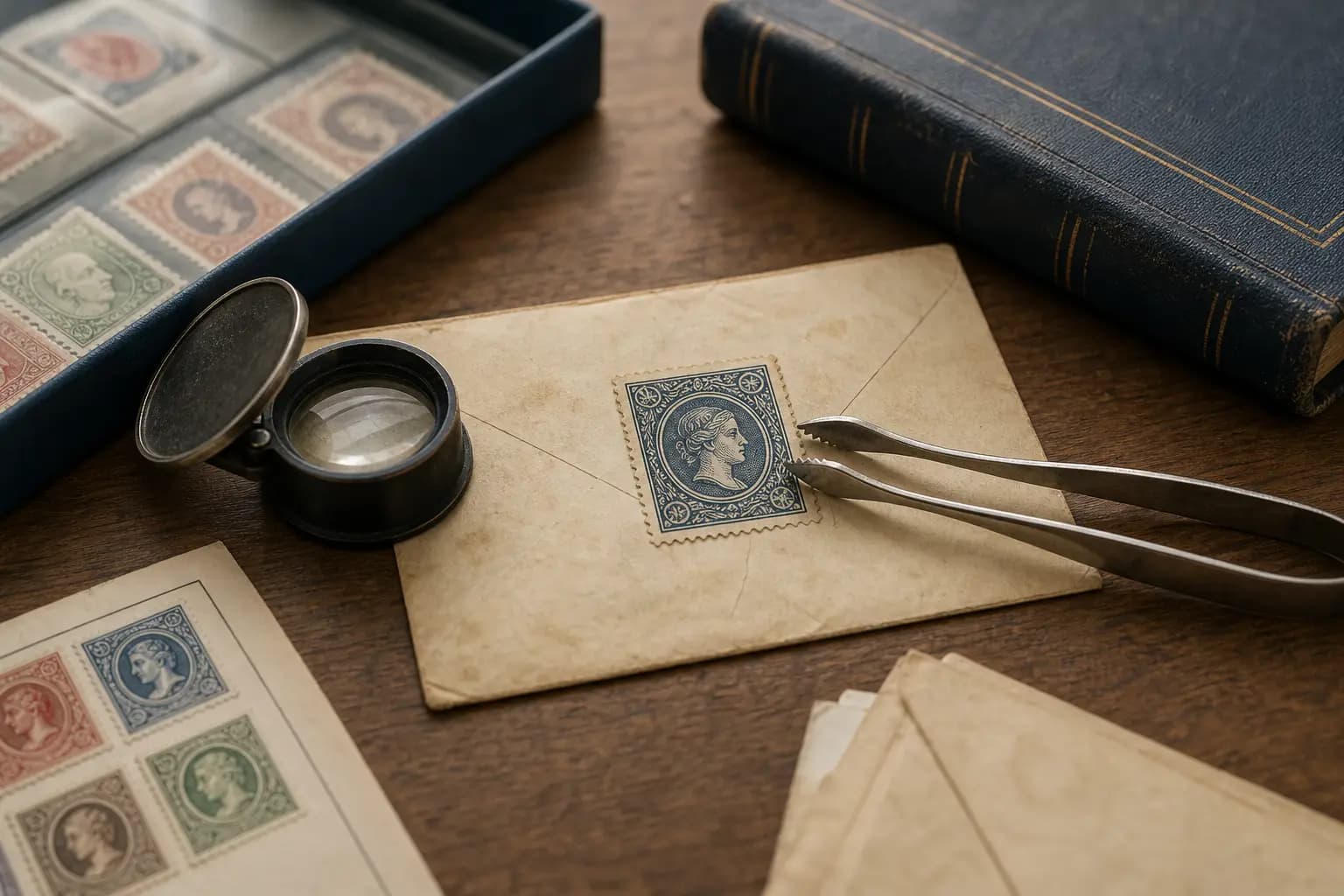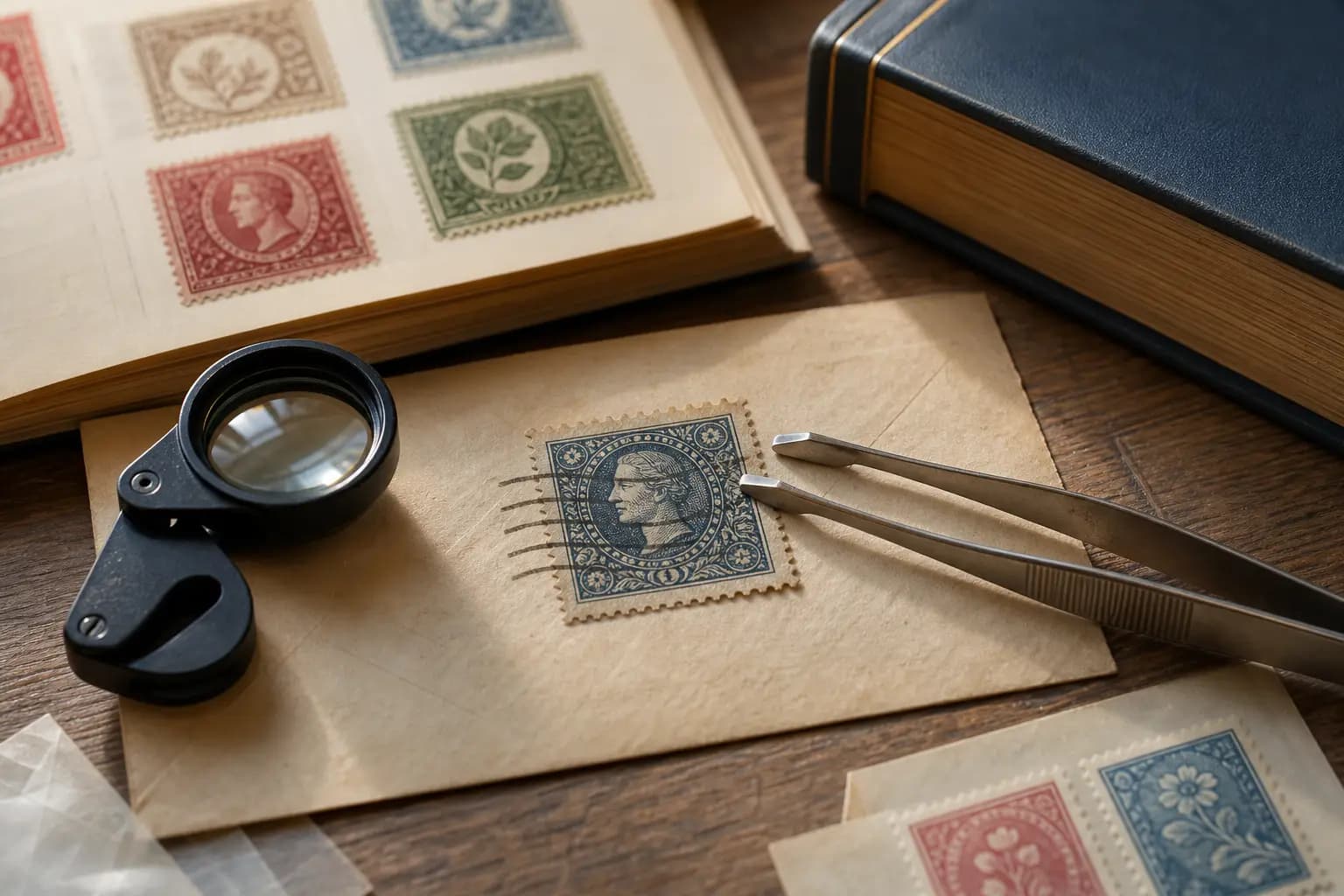
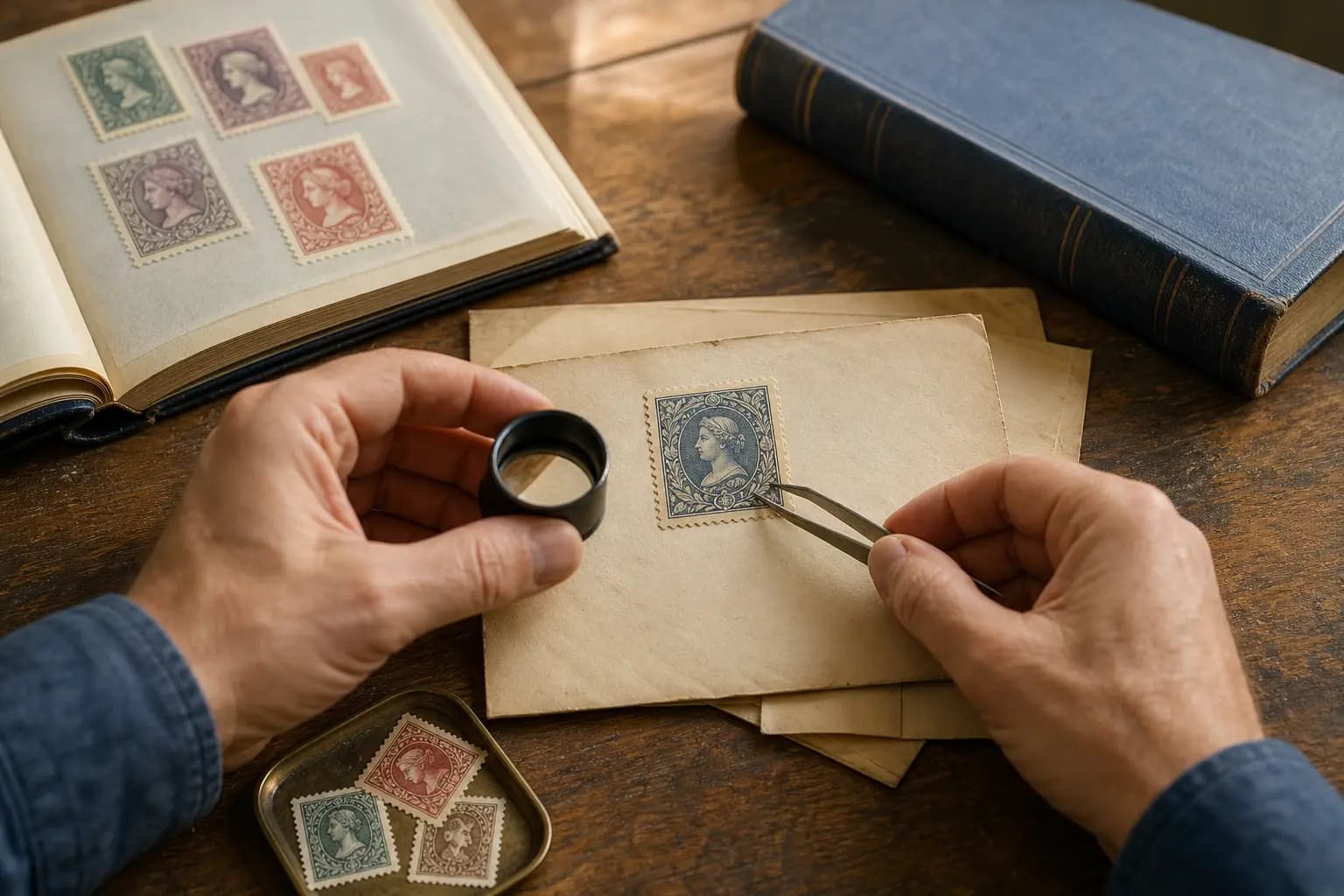
The short answer: yes, a watermark can change value a lot
A watermark can be the only difference between a very common stamp and one valued much higher, because stamps with the same design may receive separate catalog numbers when they differ by watermark or by the absence of one. That means value is not determined by design alone; the paper can matter just as much as the image.
The American Philatelic Society notes that watermarks are a security measure built into stamp paper to deter counterfeiting. They may be words, letters, symbols, or other marks formed in the paper-making process. For collectors, the practical lesson is simple: if two stamps look alike at a glance, the watermark may still place them in different collecting and valuation categories.
Why watermarks matter in valuation
When you identify a stamp for valuation, a watermark can change the catalog entry, the issue being examined, and therefore the collector interest attached to it. The APS explains that some stamps exist on unwatermarked paper and watermarked paper, and some even exist with different watermarks. Those differences can be more important than minor color or design wear if you are trying to decide what you actually have.
This is especially relevant with look-alike definitives that were printed over decades with few visible changes. The APS advises collectors to review every part of the stamp, including watermark, perforations or lack of perforations, and color, because the design alone may not be enough to reach the right catalog entry. In valuation work, that means you should treat the watermark as a key identification clue, not an optional extra.
How to check a watermark safely
The safest method described by the APS is to lay the stamp face down in a dark tray and moisten it with watermark fluid, which helps the watermark appear as dark lines against a lighter background. The APS recommends commercial watermark fluid rather than household alternatives, and notes that the fluid evaporates quickly and should not affect the gum on an unused stamp when used properly.
For stamps that are difficult to interpret, a detector such as a Safe Signoscope or Morley Bright Watermark Detector may help. Even then, the result may be partial rather than complete, because many stamps show only part of a watermark and sometimes only a small section of a letter. If you are not certain, record the watermark as uncertain rather than forcing an identification.
Do not value a stamp from the front alone
The APS gives examples showing why front-side similarity can be misleading. North Borneo stamps with very similar designs can differ in the wording that appears on the stamp, and Liechtenstein stamps can look close while one issue has dates in the upper corners and another does not. The point is not that every near match has a dramatic value difference, but that small details can separate different catalog listings.
This is why a valuation process should be methodical. First, confirm the country or issuing authority if possible. Then compare the design, wording, watermark, perforations, and color against a catalog or other trusted reference. If any of those details are unreadable, note the uncertainty. A careful provisional record is more useful than a confident but unsupported guess, and StampSnap can be used to create that kind of working identification note.
What to do when the watermark is only partly visible
Partial watermarks are normal, not a failure of the method. The APS states that many stamps show only a portion of the watermark, sometimes only a small part of a single letter. That means a collector may need to combine the visible watermark fragment with other clues instead of expecting a full emblem every time.
If you can see only a fragment, compare it with other evidence already visible on the stamp: the design wording, the color, and the perforation pattern. If those clues still do not produce a firm match, stop there and label the stamp as pending confirmation. In valuation work, a cautious note is better than overstating what the stamp is.
How condition and handling affect the value conversation
Condition is always part of valuation, and the same is true when you are checking a watermark. The APS warns that collectors sometimes dip stamps in watermark fluid to look for thins, creases, and other faults, which is a reminder that the paper can already be fragile or imperfect. Handle stamps gently, use tools that reduce touch, and avoid unnecessary repeated testing.
For unused stamps, the APS states that watermark fluid should not impact the gum when used properly, but that does not mean you should overwork the stamp. If the item is valuable, hard to identify, or especially delicate, it is reasonable to pause and seek more evidence before trying again. A careful collector protects both the stamp and the eventual valuation.
A safe, repeatable valuation workflow
Start with a clean visual review, then compare the stamp to a catalog entry or other reference using the widest set of clues you can see. Check whether the stamp has a watermark, whether the watermark is complete or partial, whether the design has small wording differences, and whether the perforations and color fit the same issue. Only after those steps should you narrow the possible catalog listing.
If the watermark remains unclear, document what you do know and stop short of a final claim. That approach is especially useful when creating an inventory or collection record, because it preserves what you observed without turning uncertainty into fact. In practical terms, valuation begins with identification, and identification begins with careful evidence, not assumptions.
Frequently asked questions
Can a watermark really change a stamp’s value?
Yes. The APS says watermarks may be the sole difference between a very common stamp and one valued much higher, because stamps with different watermarks can receive separate catalog numbers.
What is the safest way to check a watermark?
The APS recommends placing the stamp face down in a dark tray and using commercial watermark fluid so the watermark appears as dark lines against a lighter background.
What if I can only see part of the watermark?
That is normal. The APS notes that many stamps show only part of a watermark, sometimes only a small section of a single letter, so you should combine that clue with design, color, and perforations.
Should I guess the catalog number if the watermark is unclear?
No. If the watermark is not conclusive, record the stamp as uncertain and keep checking other clues rather than forcing a final identification.
Can StampSnap tell me the official value?
No. Use it only to build a likely identification or collection record; value remains informational and depends on the exact stamp and its condition.