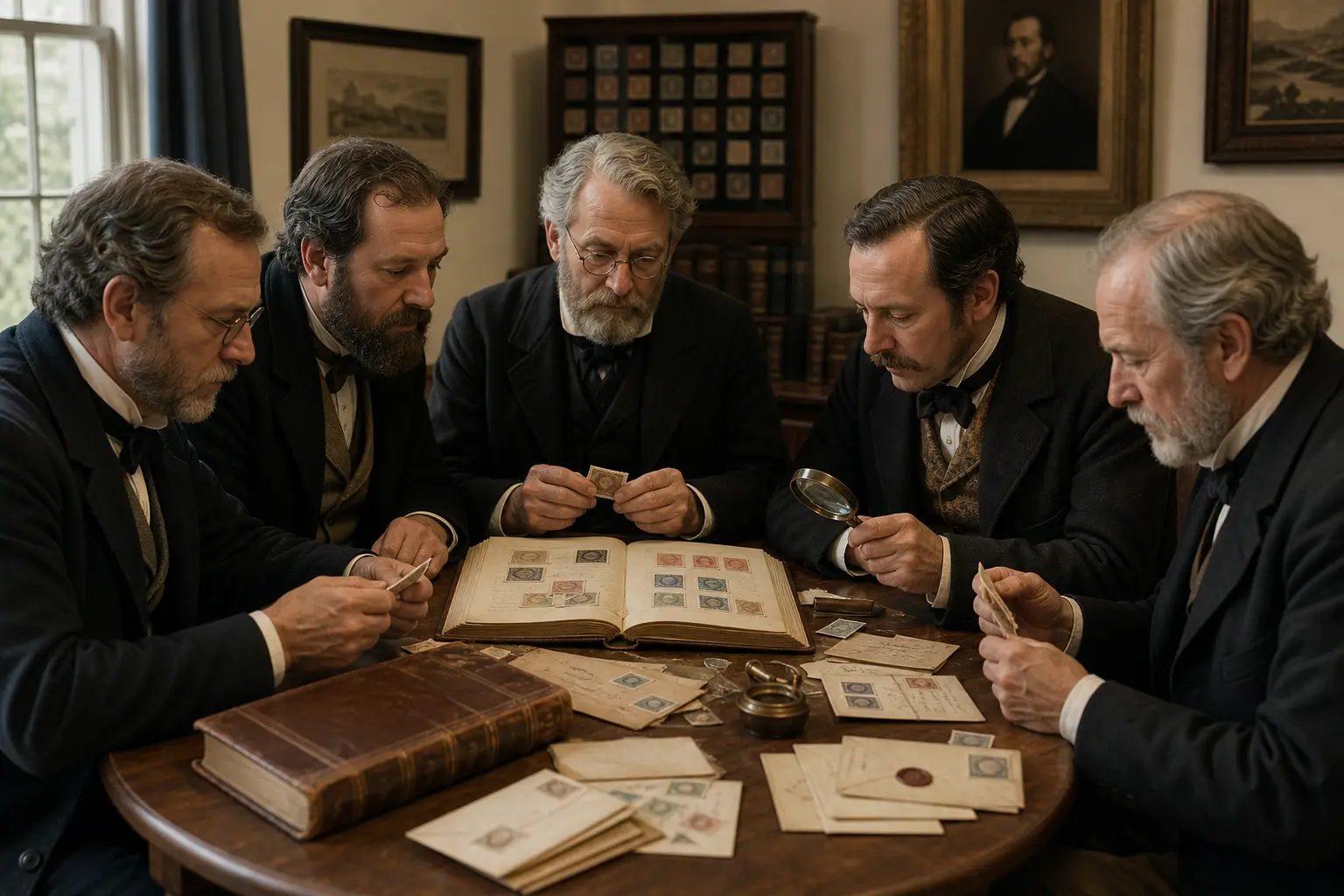
Short answer: early stamp clubs turned a hobby into a shared discipline
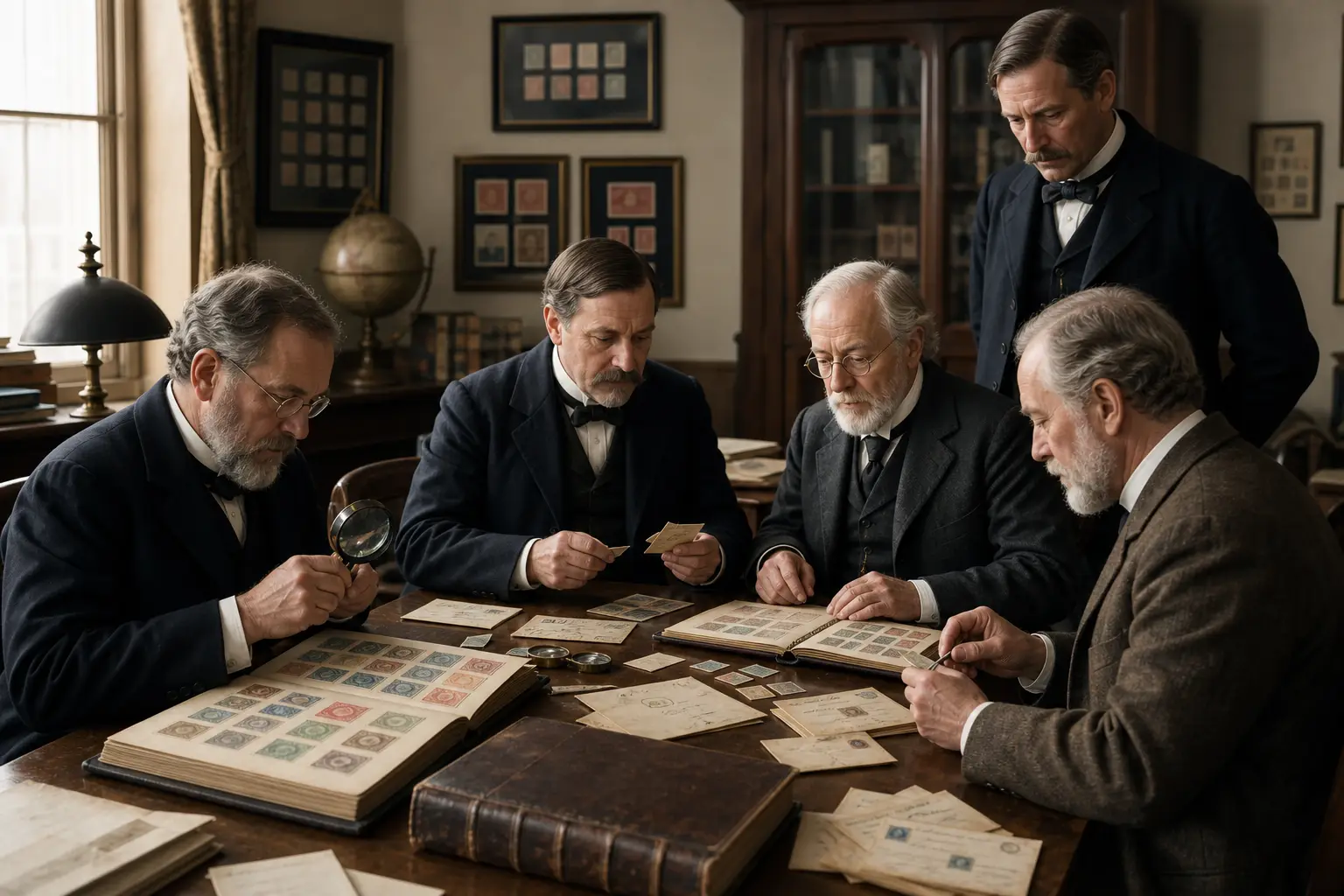
Early stamp clubs mattered because they helped collectors move from private accumulation to organised philately. According to the Smithsonian National Postal Museum, collectors gathered to compare, discuss, and exchange stamps, and those shared interests encouraged the formation of local clubs and societies devoted to particular countries, periods, or subjects.
That shift was important in history because clubs did more than provide social meetings. The museum notes that societies published research, created reference material, and helped collectors share specialist knowledge. In practice, that meant a collector could learn from others’ experience instead of depending only on a single album, dealer, or family collection.
How the American Philatelic Association shows that change in 1886
The history of the American Philatelic Society gives a concrete dated example of how rapidly organised philately developed. Its history page says that by the 1880s there were an estimated 25,000 stamp collectors in the United States, and that in 1886 several prominent collectors discussed forming a national organisation. By April 1886, the Committee on National Organization had been formed and an announcement had been printed.
The same source says that 219 collectors sent proxies to vote, and that a committee met in New York City on September 13, 1886, adopting the name American Philatelic Association. The next day, John K. Tiffany was elected president. Those milestones matter because they show collectors building a formal structure for knowledge sharing, recognition, and cooperation rather than relying only on informal correspondence.
What clubs actually did for collectors
The APS history page is especially useful because it lists early services in a way that matches collector needs. The Association offered annual conventions, a purchasing department, an exchange department for duplicate stamps, entire envelopes, and postal cards, a library department, and a counterfeit detector. Each of those services answered a practical problem faced by collectors: where to meet, how to acquire material, how to move duplicates, where to find references, and how to respond to fraudulent material.
The Smithsonian account supports the broader historical pattern: clubs and societies became places for exchange, education, research, and exhibiting. That does not mean every local club offered all of those features, but it does explain why the club model spread. A good club reduced isolation, made specialist knowledge easier to share, and gave collectors a place to present collections and learn from other displays.
Why exchange and library functions were so valuable
For many collectors, the exchange function was one of the most practical reasons to join. The APS history describes an exchange department meant to facilitate the exchange of duplicate stamps, entire envelopes, and postal cards among members using exchange books and boxes. That kind of service helped collectors turn surplus material into better-fitting items for their own interests, while also keeping collecting active and collaborative.
The library function mattered for a different reason. The APS history says the Library Department was still developing in the early days, but that progress had been made and the organisation expected to depend greatly on donations at first. In collector history, that is important evidence of how reference collections and literature grew alongside the hobby itself. Today, that same principle still applies: reliable notes, exhibits, and records are often more useful than memory alone.
How club history shaped safer collecting habits
Early clubs also helped establish habits that remain useful today: compare before concluding, record what you see, and seek more than one source when something looks unusual. The APS history notes that the organisation appointed E. A. Holton as a counterfeit detector because fraudulent stamps plagued the early days. That detail shows that even at the start of organised philately, collectors knew material could be deceptive and that specialist review was needed.
That lesson still matters for modern collectors. A club discussion can suggest an identification, but it does not authenticate a stamp or replace careful checking. If you are handling fragile material, use tongs and a clean work surface, and avoid tests that could damage the item. If you want to keep a collection note or a likely identification together with a scan, StampSnap can help you create a record, but the final judgement should remain cautious and evidence-based.
Why exhibitions and published research changed collector culture
The Smithsonian account notes that exhibitions gave participants a structured way to present collections, learn from other displays, and compete for recognition. That was more than entertainment. Exhibiting encouraged collectors to arrange material logically, describe it clearly, and think about what evidence supported their choices. Those are still core philatelic skills, especially when studying history or explaining a collection to others.
The same source also says societies published research and created reference material. That matters because philatelic history is not just about owning stamps; it is also about preserving the information that helps future collectors understand them. Clubs therefore became part social network, part classroom, and part historical archive. Even when a local group is small, it can still follow that tradition by sharing notes, exchanging knowledge, and encouraging careful documentation.
A safe method for using club history in your own collecting
If you want to use club history well, start with a simple question: what was the group trying to solve for collectors? In the APS history, the answer included access to material, knowledge, reference help, and protection against fraud. In the Smithsonian account, the answer included exchange, research, and exhibitions. Those are the historical functions worth looking for when you compare societies, newsletters, or club programs.
A safe modern workflow is straightforward. Read the club or society description, note any dated milestones, compare material with trusted references, and write down what is known versus what is only likely. That approach helps you build a collection record without overstating certainty. It also keeps the historical lesson intact: the best clubs did not replace individual judgement, but they made better judgement possible.
Frequently asked questions
Why did early stamp clubs become important in philatelic history?
They gave collectors a place to exchange material, share knowledge, publish research, and build reference resources, which helped the hobby become organised rather than purely private.
What dated milestone shows early organised philately forming in the United States?
The APS history says a committee formed in April 1886, 219 collectors sent proxies, and a committee in New York City adopted the name American Philatelic Association on September 13, 1886.
Did every stamp club offer the same services?
No. The Smithsonian source explicitly says clubs and societies varied, and it advises describing them by the services they actually offered rather than assuming every organisation did the same things.
Were early clubs only social groups?
No. The sources show they were also places for education, research, library building, exchanges, exhibitions, and responses to fraudulent material.
Can a club opinion prove a stamp is genuine?
No. A club can help you compare and learn, but the APS history shows only that early organisations used counterfeit detection; it does not make every club an authentication authority.