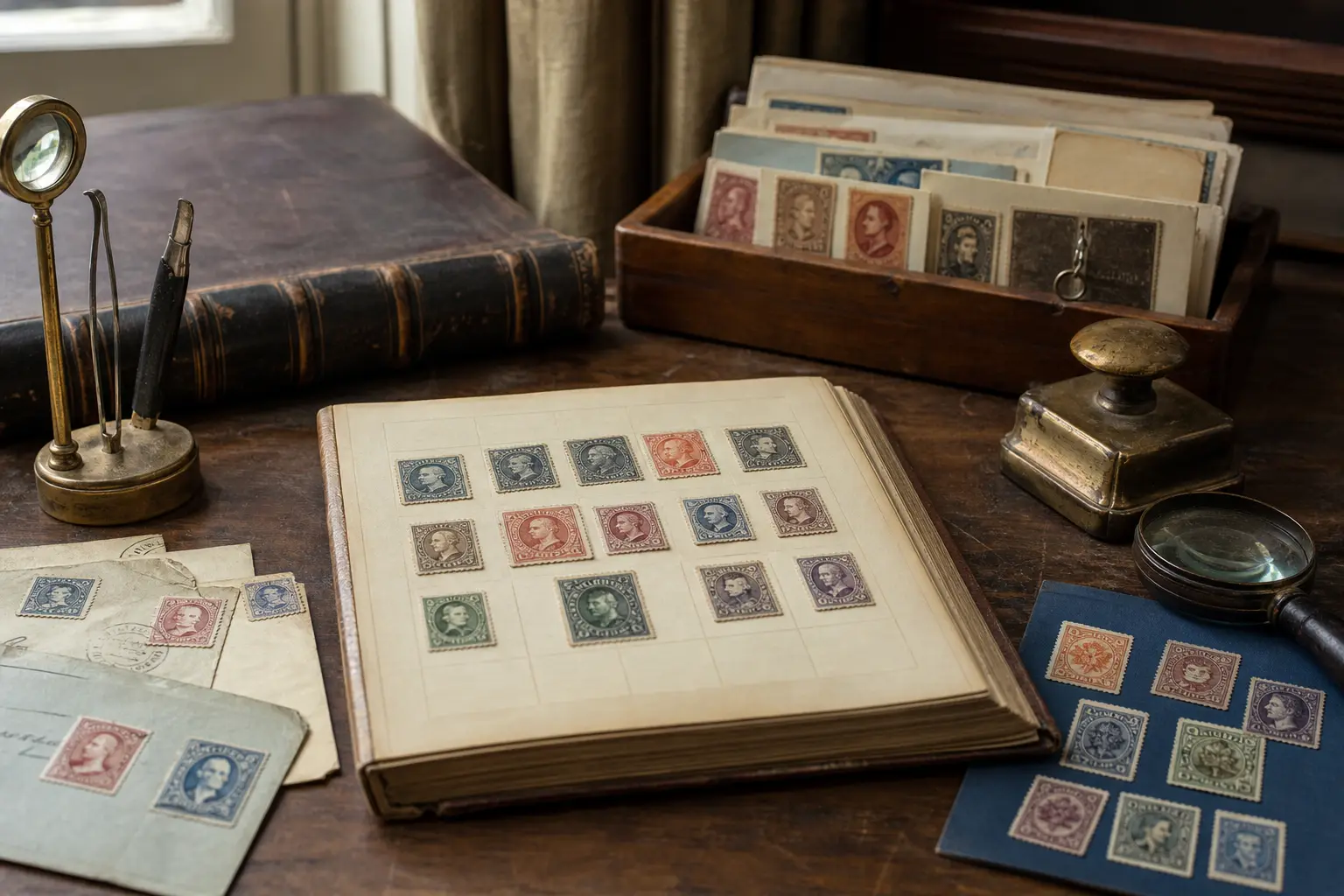
The Rise of Organized Philately
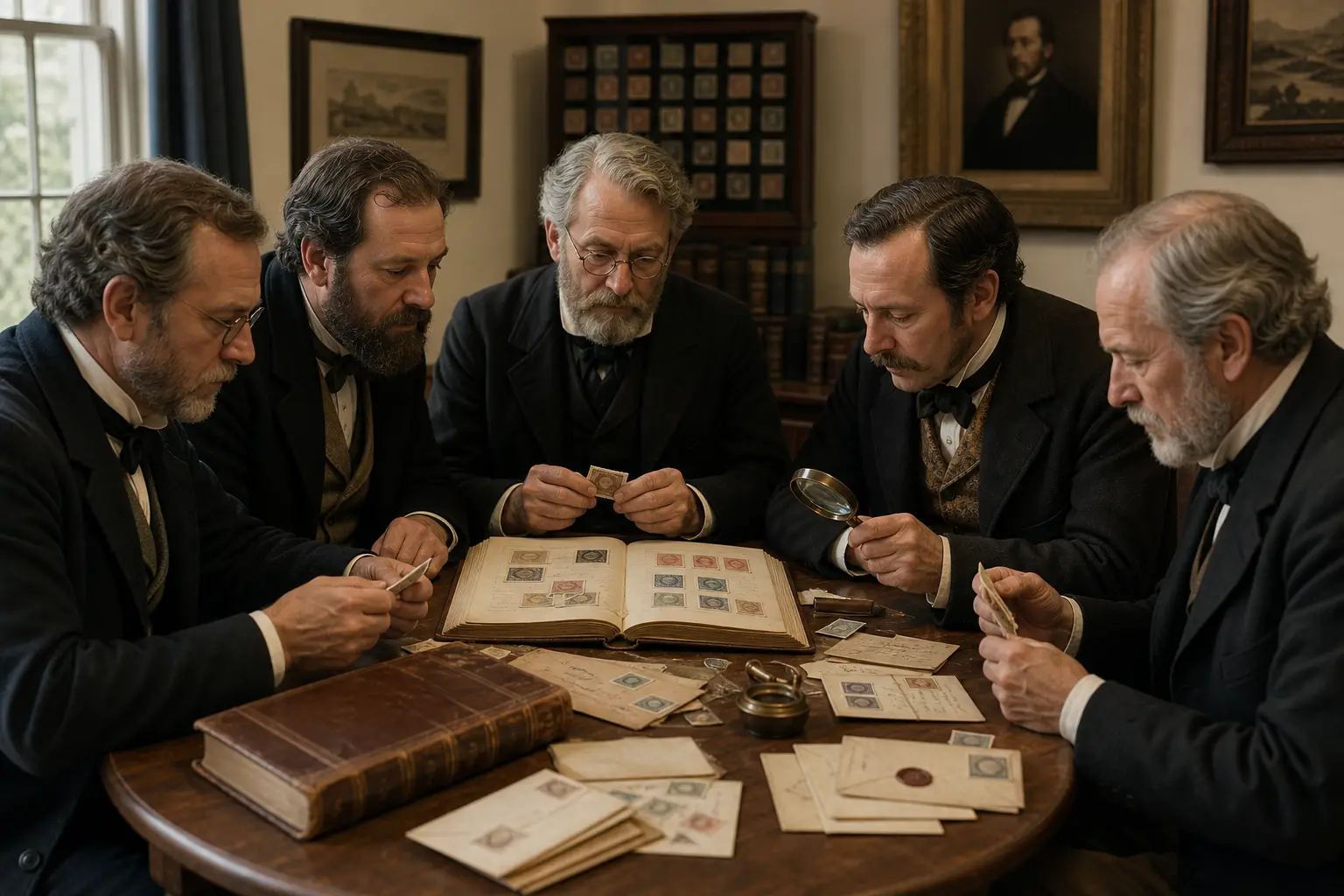
Organized philately grew out of a simple desire among early stamp enthusiasts to compare, discuss, and exchange their specimens. According to historical records from the Smithsonian National Postal Museum, early collectors gathered in informal groups, which eventually encouraged the formation of local clubs and societies focused on specific countries, historical periods, or subjects. In the United States, this enthusiasm began to build steadily in the 1850s. By the 1880s, the number of stamp collectors in the country had grown to an estimated 25,000 individuals, creating a clear need for structured national coordination to support the growing hobby.
The Founding of the American Philatelic Association in 1886
To address the needs of this expanding community, several prominent collectors began discussing a national organization in early 1886. In April of that year, S.B. Bradt, O.S. Hellwig, and R.R. Shuman formed The Committee on National Organization and printed an announcement to gauge interest. Some 400 collectors expressed willingness to assist, and 219 sent in their proxies to vote. On September 13, 1886, a committee met in New York City and officially established the American Philatelic Association (APA). The following day, John K. Tiffany, an attorney from St. Louis, was elected as the association's first president, serving in this role until 1896. The APA's constitution outlined its core objects: assisting members in acquiring philatelic knowledge, cultivating friendship among collectors, and enabling affiliation with similar societies internationally.
Facilitating Acquisitions: The Purchasing and Exchange Departments
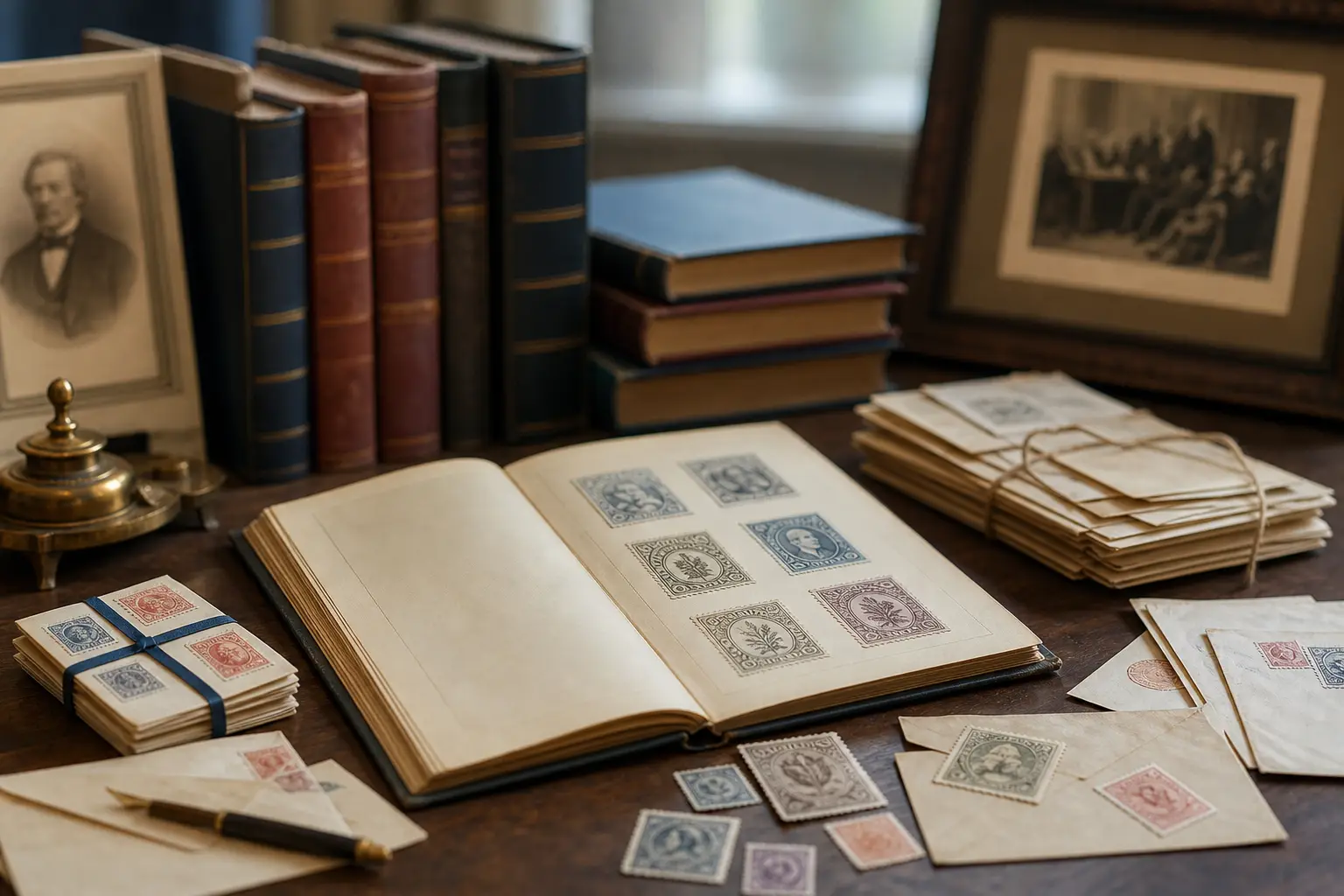
To help members build their collections systematically, the APA established dedicated service departments. One of the most practical was the Purchasing Department, where a designated purchasing agent procured new issues or obsolete stamps at or near face value. By pooling their purchasing power, participating members could secure better prices on new stamp issues. Additionally, the APA organized an Exchange Department, which is known today as the Sales Division. The primary objective of this department was to facilitate the exchange of duplicate stamps, entire envelopes, and postal cards among members. This exchange system relied on specialized exchange books and boxes sent between participants, allowing collectors to safely trade material without relying solely on commercial dealers.
Protecting Collectors: The Counterfeit Detector Service
In the early days of organized philately, the regular appearance of fraudulent and counterfeit stamps plagued collectors and threatened the integrity of the hobby. To combat this issue, the APA took prompt action by establishing a dedicated counterfeit detector service. The association elected E. A. Holton, a prominent stamp dealer from Boston, to serve in this role. Operating as a forerunner to modern expertizing agencies, Holton examined submitted specimens to verify their authenticity and served the membership without charging a fee. This service provided early collectors with a vital layer of security when evaluating scarce or questionable stamps. Today, while physical expertizing remains the standard for official authentication, collectors can use modern tools like the StampSnap mobile application to quickly create a likely identification and organize their digital collection records.
Sharing Knowledge: The Library Department and Early Publications
Education and research were central to the APA's mission from its inception. The association established a Library Department to compile reference materials, initially relying heavily on donations from members to grow its holdings. To disseminate research and news, the association launched its official journal, The American Philatelist. The first five issues were published in Altoona, Pennsylvania, starting on January 10, 1887, under the editorship of W. R. Fraser. Although a subsequent mail vote in June of 1887 temporarily selected The Western Philatelist as the official publication, these early publishing efforts laid the groundwork for sharing specialized research, plating studies, and member directories across the country.
The Evolution of Local and National Philatelic Resources
Beyond national organizations, local stamp clubs played a crucial role in developing educational resources. As noted by the Smithsonian National Postal Museum, local societies published research, created reference materials, and hosted exhibitions that gave collectors a structured way to present their displays and compete for recognition. Over the decades, organizations like the American Philatelic Society (APS) published guidebooks to help local clubs thrive, such as Building Better Stamp Clubs in 1996 and Developing a Local Stamp Club Speakers' Program in 1994. Other classic guides, including Elaine Durbin Boughner's Linn's Stamp Club Handbook from 1983, provided instructions on running local shows and producing newsletters, ensuring that the educational legacy of early philately continued at the grassroots level.
Methodical Steps for Modern Collectors
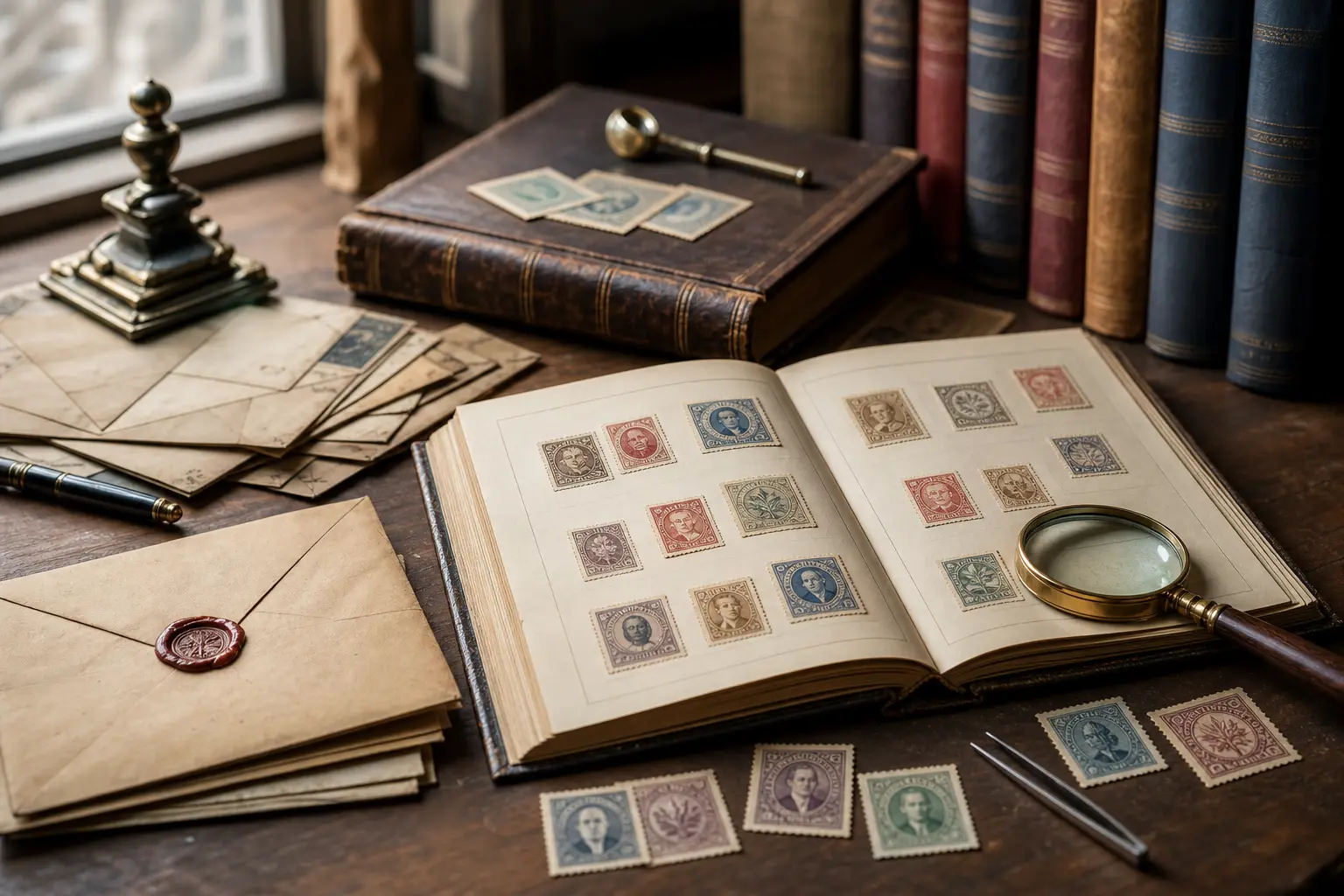
Modern collectors can learn from the structured approach of early philatelic societies when organizing their own material. First, always handle your stamps with appropriate tools, such as professional stamp tongs, to prevent damage from skin oils. Second, keep detailed records of your duplicates and reference material. You can use the StampSnap app to capture images of your stamps and establish a likely identification, helping you catalog your collection before participating in club exchanges. Finally, consider joining a local club or national society to access shared libraries, expertizing services, and structured exchange programs, continuing the collaborative tradition established by early philatelists in 1886.
Frequently asked questions
What was the primary purpose of the Exchange Department established by the American Philatelic Association in 1886?
The Exchange Department was created to facilitate the exchange of duplicate stamps, entire envelopes, and postal cards among members using specialized exchange books and boxes.
Who was the first counterfeit detector for the American Philatelic Association?
E. A. Holton, a stamp dealer from Boston, was elected as the association's first counterfeit detector in 1886, serving the membership without a fee.
When was the first official journal of the American Philatelic Association published?
The first issue of The American Philatelist was published on January 10, 1887, in Altoona, Pennsylvania, under editor W. R. Fraser.