Understanding Your Stamp Storage Options
When starting your philatelic journey, deciding how to store and display your stamps is one of the most critical decisions you will make. Proper storage protects your stamps from physical wear, dust, and environmental hazards. The two primary physical storage methods used by collectors are traditional stamp albums and stock books. Each system offers distinct advantages depending on how you prefer to organize, view, and expand your collection.
While some collectors prefer the structured, illustrated layout of a dedicated stamp album, others enjoy the flexible, pocket-based system of a stock book. Understanding the structural differences between these two options will help you preserve your stamps safely. You can also use StampSnap to create a likely identification or collection record of your items before deciding which physical storage system fits your current goals.
The Features of Traditional Stamp Albums
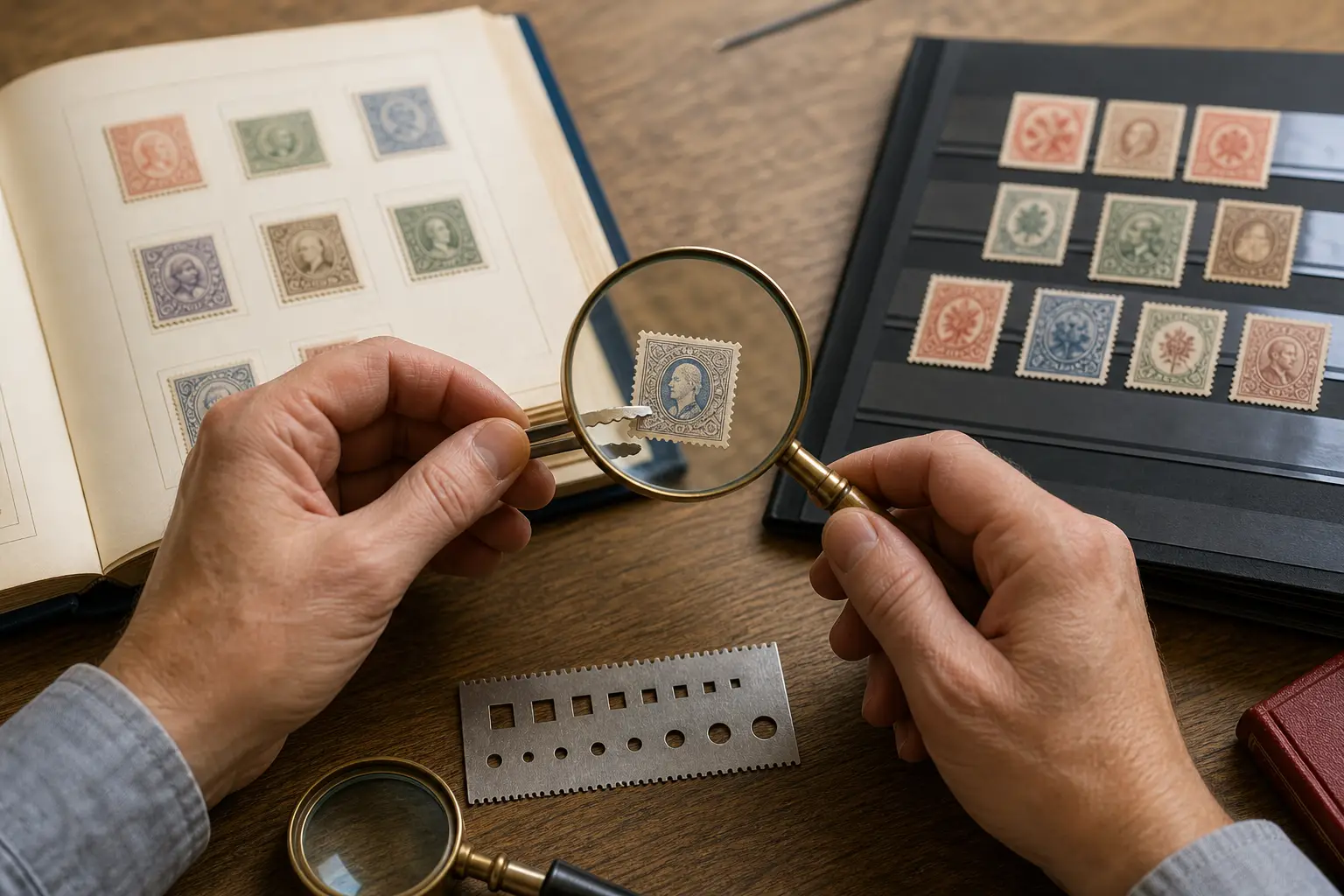
Traditional stamp albums are designed with specific layouts in mind. Many commercially purchased albums feature designated categories and printed pictures of the specific stamps that should appear on each page. This structured format is highly beneficial for collectors who enjoy a systematic approach, as it provides a clear visual checklist of which stamps are missing from a particular series or country.
To secure stamps inside a traditional album, collectors use specialized accessories such as stamp hinges or clear plastic mounts. It is critical to avoid using household tape or glue, as these adhesives cause permanent damage and decrease a stamp's value. Instead, hinges—which are small, thin, folded pieces of translucent paper or plastic with special gum on one side—or clear plastic sleeves called mounts should be used to keep stamps safely in place.
The Flexibility of Stock Books
A stock book is a different type of album that features horizontal plastic or paper pockets on each page instead of printed stamp illustrations. Because stock books do not pre-determine where each stamp must go, they offer complete organizational freedom. You can arrange your stamps by country, topic, or color without being restricted by pre-printed spaces.
Stock books are highly convenient because they do not require the use of hinges or mounts to hold the stamps. You simply slide the dry stamps gently into the protective pockets. This makes stock books an excellent choice for storing duplicate stamps, holding newly acquired items before they are permanently sorted, or organizing a rapidly growing topical collection.
Selecting Safe Materials for Your Collection
Regardless of whether you choose a stamp album or a stock book, the safety of the materials is paramount. If you choose to make your own album or use a commercial binder, always ensure you use acid-free paper. Acidic paper can cause yellowing and deteriorate the fragile paper fibers of your stamps over time, leading to irreversible damage.
Additionally, you must never use photo albums with sticky pages. The adhesive on these sticky pages is highly destructive and will permanently damage your stamps when you attempt to remove them. Stick to dedicated philatelic products, stock books with safe plastic pockets, or verified acid-free materials to ensure your collection remains in excellent condition.
Matching Storage to Your Collecting Goals
Your choice between an album and a stock book often depends on your collecting style. If you are building a highly focused, country-specific collection, a printed stamp album provides a satisfying, historical roadmap. It guides your search and helps you visualize your progress as you fill the designated spaces.
On the other hand, if you enjoy collecting a wide variety of topics, or if you prefer a flexible layout that can change over time, a stock book is often the more practical choice. Many collectors use both systems: a stock book for temporary storage and sorting, and a structured album for their finalized displays. Before mounting your stamps, you can use StampSnap to log your finds and maintain a digital inventory of your growing collection.
Best Practices for Handling and Placing Stamps
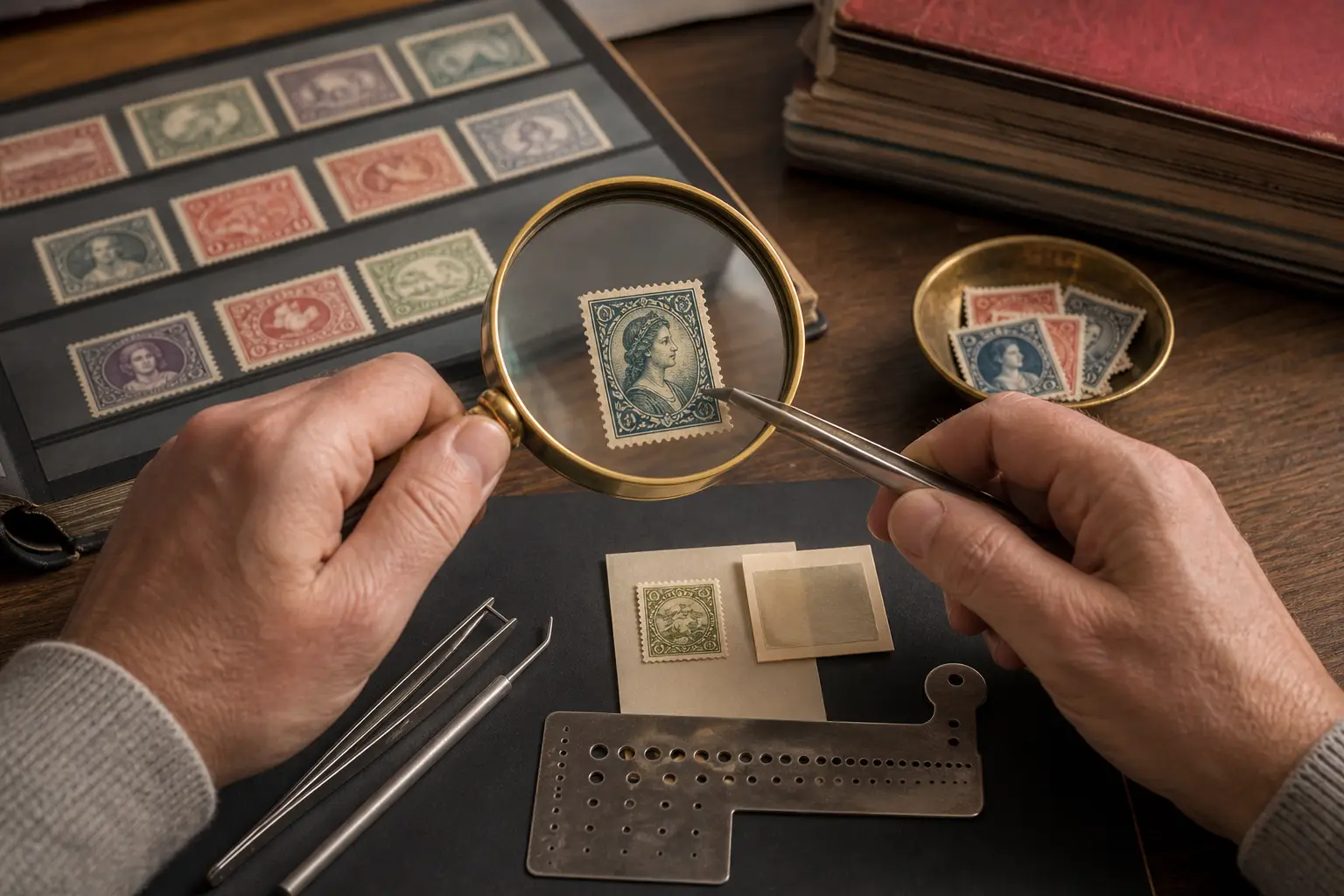
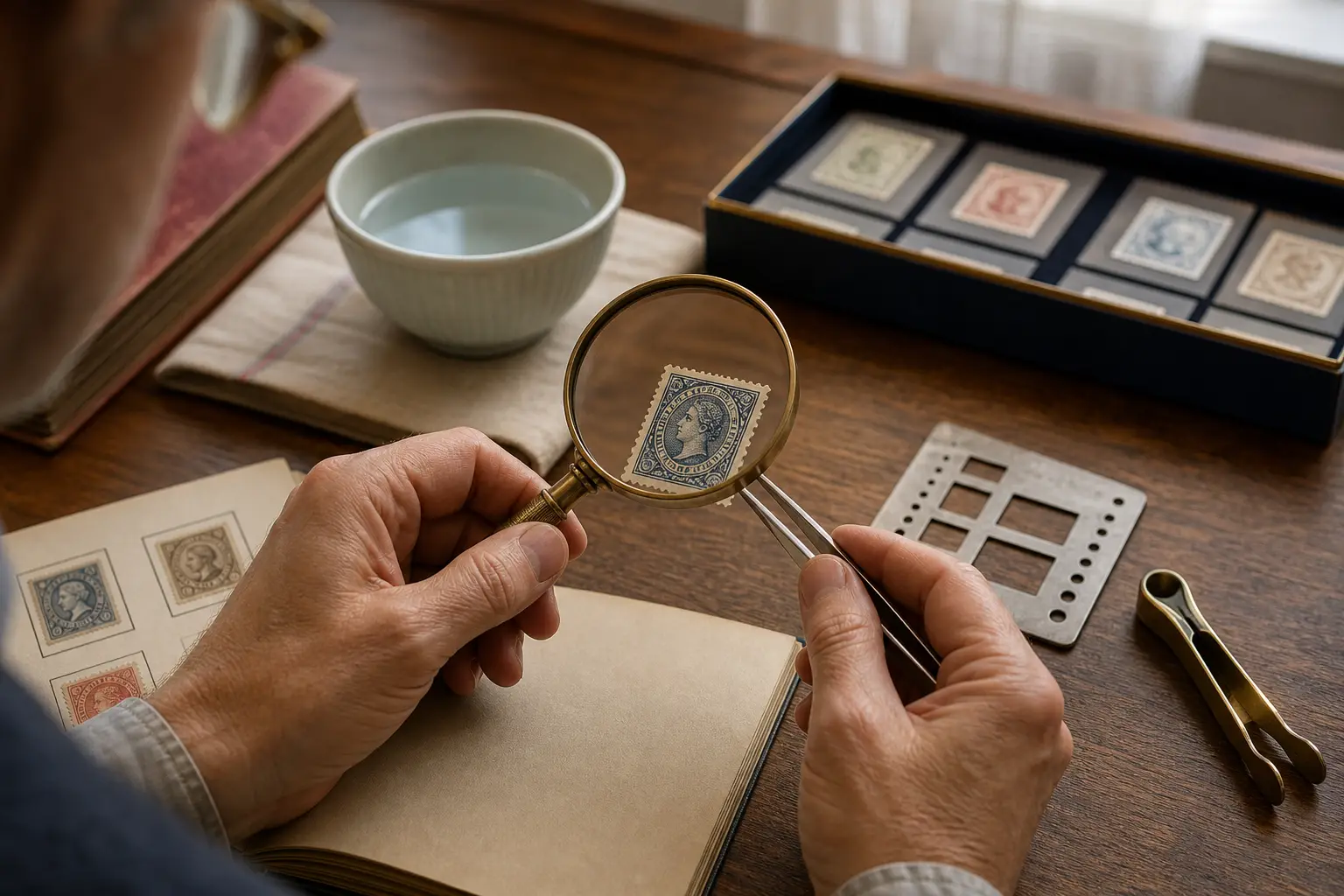
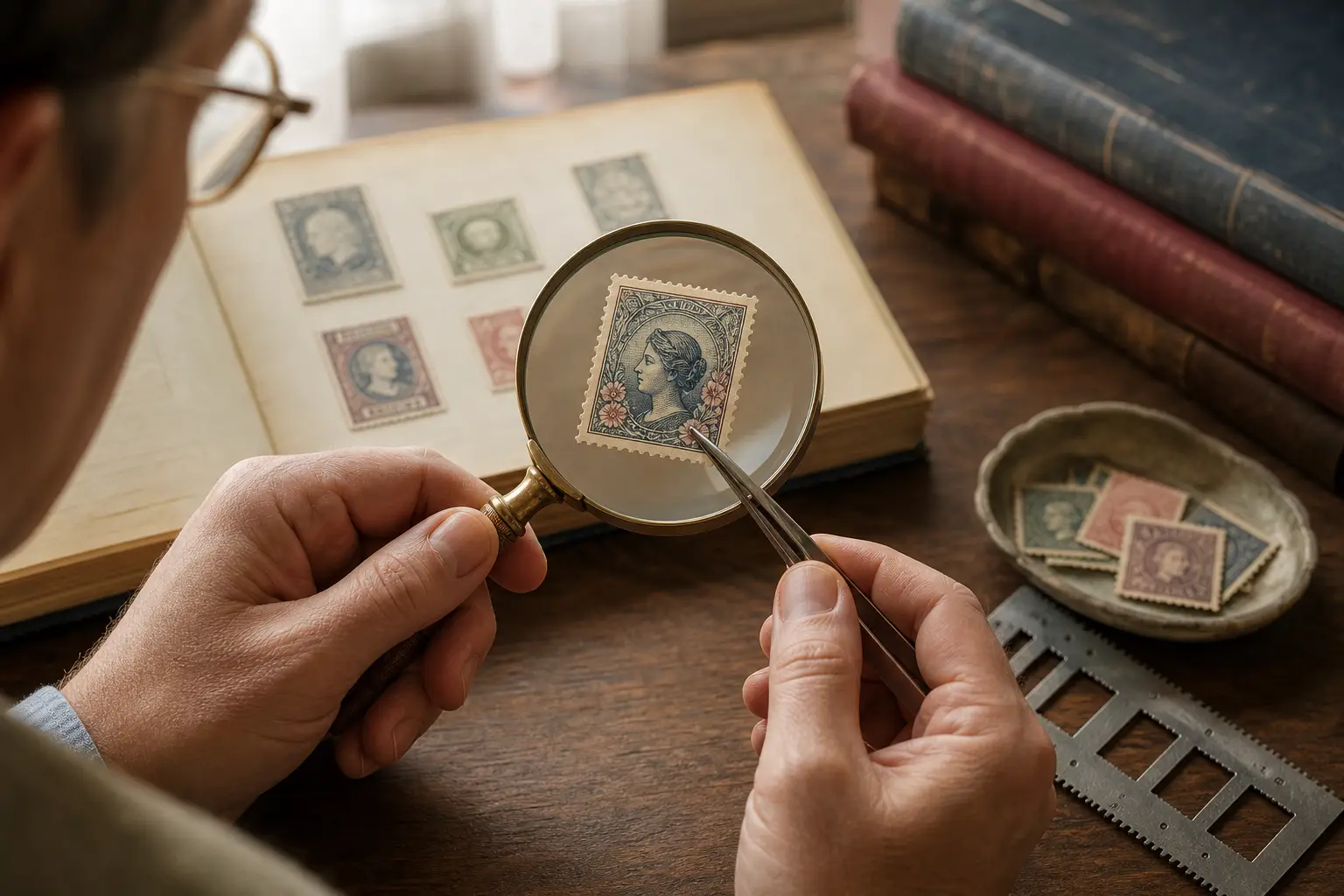
When transferring stamps into your chosen album or stock book, safe handling practices are essential. Always use professional stamp tongs rather than your fingers. Tongs look similar to tweezers but feature a smooth gripping surface specifically designed to handle delicate paper without leaving marks or tears.
Handling stamps with your bare hands transfers natural skin oils to the paper, which can cause gradual staining and degradation over time. By using tongs and avoiding harmful adhesives like tape or glue, you protect the physical integrity and historical value of your collection.
Frequently asked questions
Can I use a regular photo album to store my stamp collection?
No, you should never use a photo album with sticky pages. The adhesive on these pages is highly destructive and will permanently damage your stamps when you attempt to remove them. If you make your own album, ensure you use acid-free paper to prevent yellowing and paper deterioration.
What is the main difference between a stamp album and a stock book?
A stamp album typically features printed pictures or designated spaces for specific stamps, requiring hinges or mounts to secure them. A stock book contains horizontal plastic or paper pockets on each page, allowing you to slide stamps in and organize them freely without using hinges or mounts.
Why should I use stamp tongs instead of my fingers to handle stamps?
Even if you wash your hands thoroughly, natural oils from your skin will transfer to the stamps and cause gradual damage over time. Stamp tongs have a smooth gripping surface designed to handle stamps safely without leaving marks or tearing the paper.