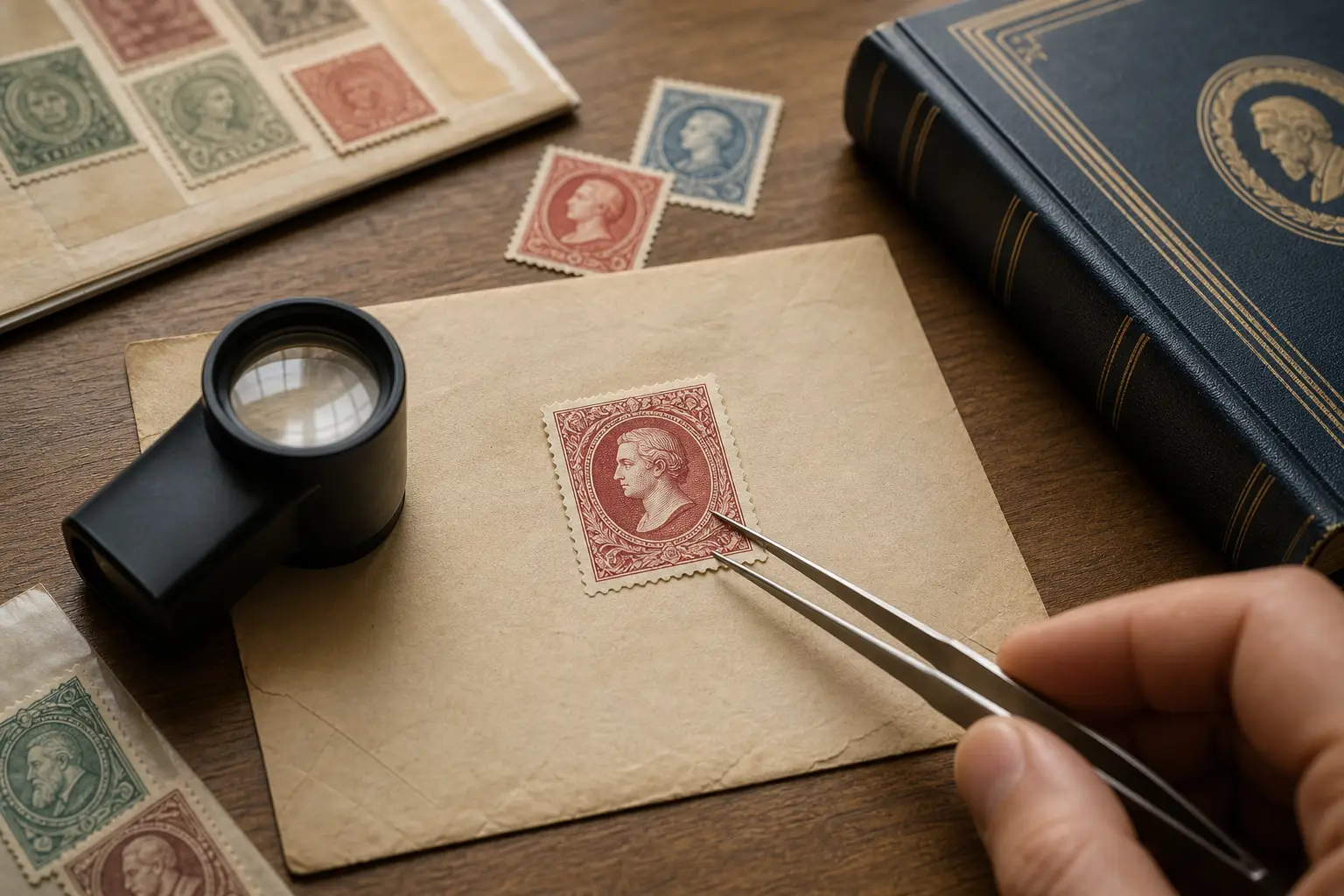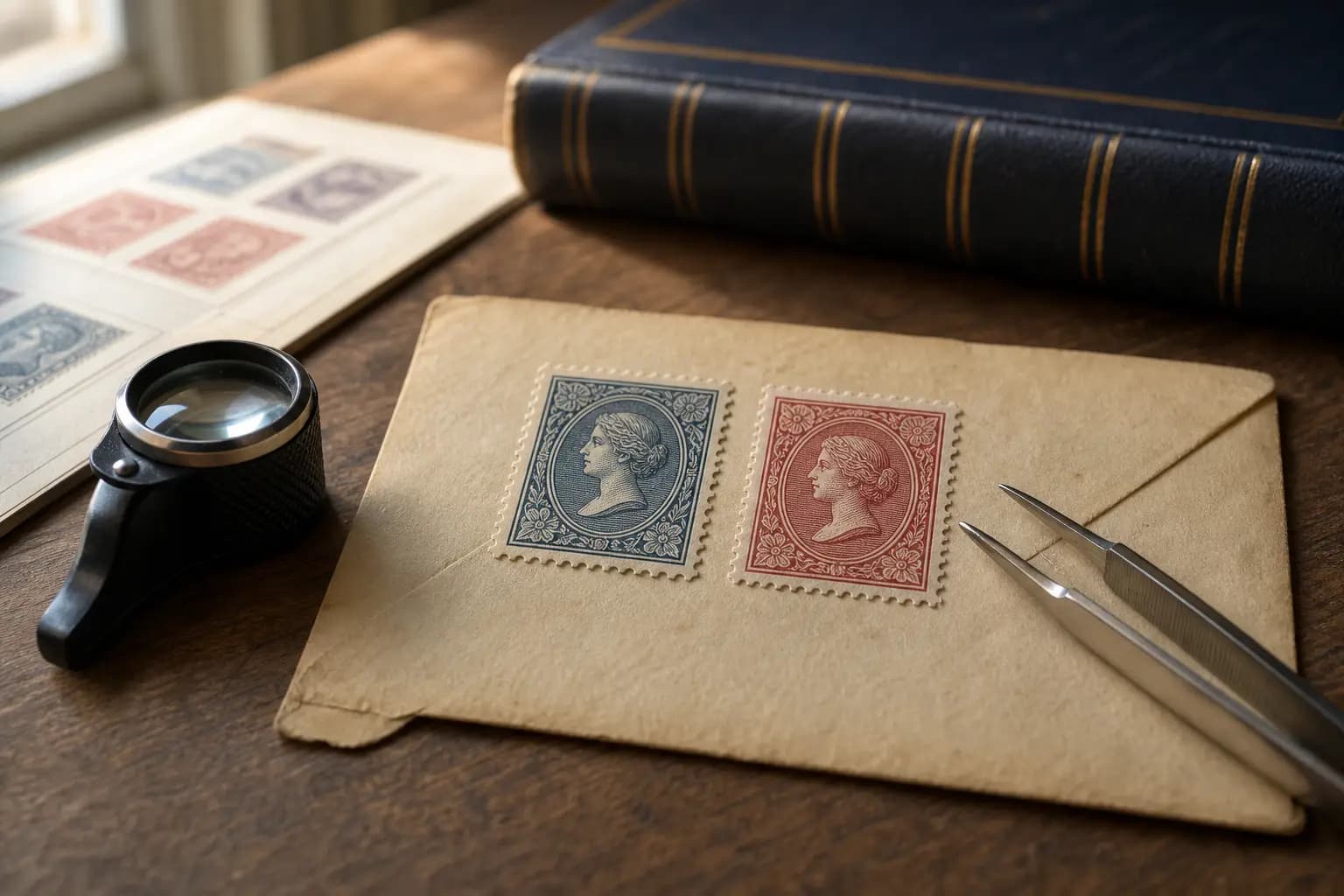

Short answer: yes, a watermark can create a different value
Yes. Watermarks can create separate stamp values when the same design exists on different paper, or on paper with no watermark versus one with a specific watermark. The American Philatelic Society notes that stamps with the same design but different watermark status generally receive separate catalog numbers, and that the watermark may be the only difference between a very common stamp and one valued much more highly.
That is why a watermark matters in valuation, not just identification. If two stamps look alike but one has a watermark and the other does not, they may not belong in the same catalog listing. For a collector, that means the paper itself can change how a stamp is described, compared, and valued.
Why watermarks matter in catalog and price work
Watermarks are a security measure built into stamp paper to deter counterfeiting. The APS explains that they are formed by dies attached to the frame used to make paper from pulp, creating thin areas in the paper that show as words, letters, symbols, or other shapes. Because they are part of the paper rather than the printed design, they can separate otherwise similar stamps into different catalog entries.
In practical terms, that means a watermark can be the key detail that changes your valuation research. A stamp that appears ordinary at first glance may turn out to belong to a different listing once the watermark is checked. The reverse is also true: a stamp may seem special until the paper is identified correctly. When a watermark is the sole difference, careful checking is essential before any selling, buying, or collection decision.
How to check a watermark safely
Start with the least invasive method. Some watermarks can be seen by holding the paper up to light, and some are visible from the back of the stamp. But the APS notes that many stamps require a more reliable method. Their recommended approach is to place the stamp face down in a dark tray and moisten it with watermark fluid, which reveals the watermark as dark lines against a lighter background.
Use commercial watermark fluid rather than improvised household products. The APS says watermark fluid evaporates quickly and should not affect the gum on an unused stamp, and it specifically recommends commercial fluid. The article also mentions safer specialist tools such as the Safe Signoscope and Morley Bright Watermark Detector. If you use any tool, work slowly and avoid forcing the stamp to stay in fluid longer than needed. StampSnap can help you keep a record of what you observed, but it does not replace careful visual checking.
Why some watermarks are easy and others are not
Not every watermark is equally easy to see. The APS notes that watermarks on some material, including examples from Ireland and Italy, may be visible without special tools, while many others require more careful study. It also explains that some stamps include only a portion of the watermark, sometimes just a small part of a single letter. That means an incomplete image is still useful evidence, but it may not be conclusive on its own.
This is one reason valuation should stay cautious. A partial mark, a faint outline, or a glance under light may suggest a watermark, but it may not prove which one is present. When the difference matters to value, use a methodical approach and compare the stamp against reliable references or a specialist if needed. If the stamp is from a group known for difficult single-line watermarks, expect closer examination rather than a quick answer.
Use the watermark together with other details
A watermark should not be used in isolation. The APS advises collectors to review every aspect of a stamp, including watermark, perforations or lack of perforations, and color, because similar designs can hide multiple catalog numbers. Their examples show that careful attention to small differences is what gets a collector to the correct listing, not a single clue by itself.
This matters in valuation because two stamps may look nearly identical but still belong to different issues. A watermark can separate them, yet the final identification usually improves when it is checked alongside the design, perforations, and shade. The safest method is to build a full description before assuming value. If you are uncertain, note the stamp as unconfirmed rather than treating a possible watermark as proven.
What to do after you identify the watermark
Once you have a likely watermark identification, record exactly what you saw and how you saw it. Note whether it was visible by light, from the back, or with watermark fluid or a detector. Also record whether the mark was complete or only partial. That kind of documentation helps you compare the stamp later and reduces the risk of mixing similar items together.
If the watermark appears to be the key difference, keep the stamp in safe storage and avoid repeated handling. Watermark checking is useful, but unnecessary repetition increases the chance of bending or surface wear. If the result would change how you describe the stamp in a collection or sale listing, treat it as a candidate identification until you have enough evidence to be confident.
A collector’s valuation rule of thumb
The practical rule is simple: a watermark can absolutely create a separate value, but only when it is confirmed correctly. The APS source shows that the presence, absence, or design of a watermark may justify separate catalog numbers, and that this difference can be substantial. That makes watermark checking one of the most important steps when two stamps appear to be the same.
At the same time, a cautious collector should avoid overclaiming. Watermarks can be faint, partial, or hard to read, and the best result often comes from combining careful light inspection, safe watermark fluid, and comparison with the design and perforations. If you cannot confirm it, say so. That is better than assigning a value to the wrong stamp.
Frequently asked questions
Do watermarks always change a stamp’s value?
No. A watermark changes value only when it creates a different catalog listing or distinguishes one issue from another. The APS says some stamps with the same design but different watermark status receive separate catalog numbers.
How can I check a watermark without damaging the stamp?
Use light first if possible, then a dark tray with commercial watermark fluid or a specialist detector. The APS recommends commercial watermark fluid and says it should evaporate quickly without affecting the gum on an unused stamp.
What if I can only see part of the watermark?
A partial watermark can still be useful, but it may not be conclusive. The APS notes that many stamps show only part of a watermark, sometimes just a small part of one letter, so compare it with other details before deciding.
Should I rely on watermark alone to identify a stamp?
No. The APS advises reviewing watermark, perforations, and color together because look-alike stamps can differ in several small ways. Watermark evidence is important, but it is strongest when used with other physical clues.
Can StampSnap confirm a watermark for me?
No. StampSnap can help you create a likely identification or collection record, but it does not authenticate a stamp or provide an official appraisal.