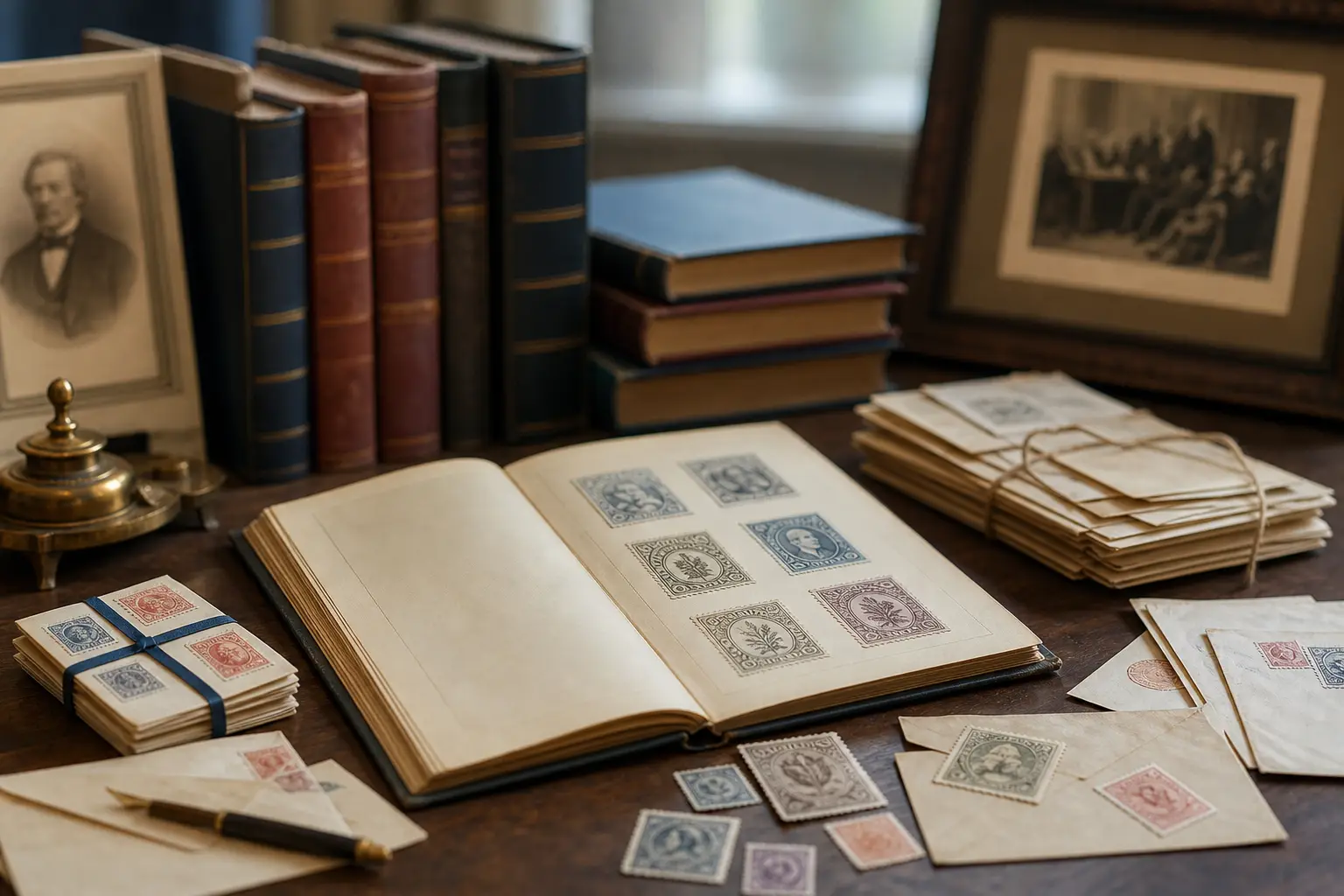
The Foundation of Philatelic Knowledge Sharing
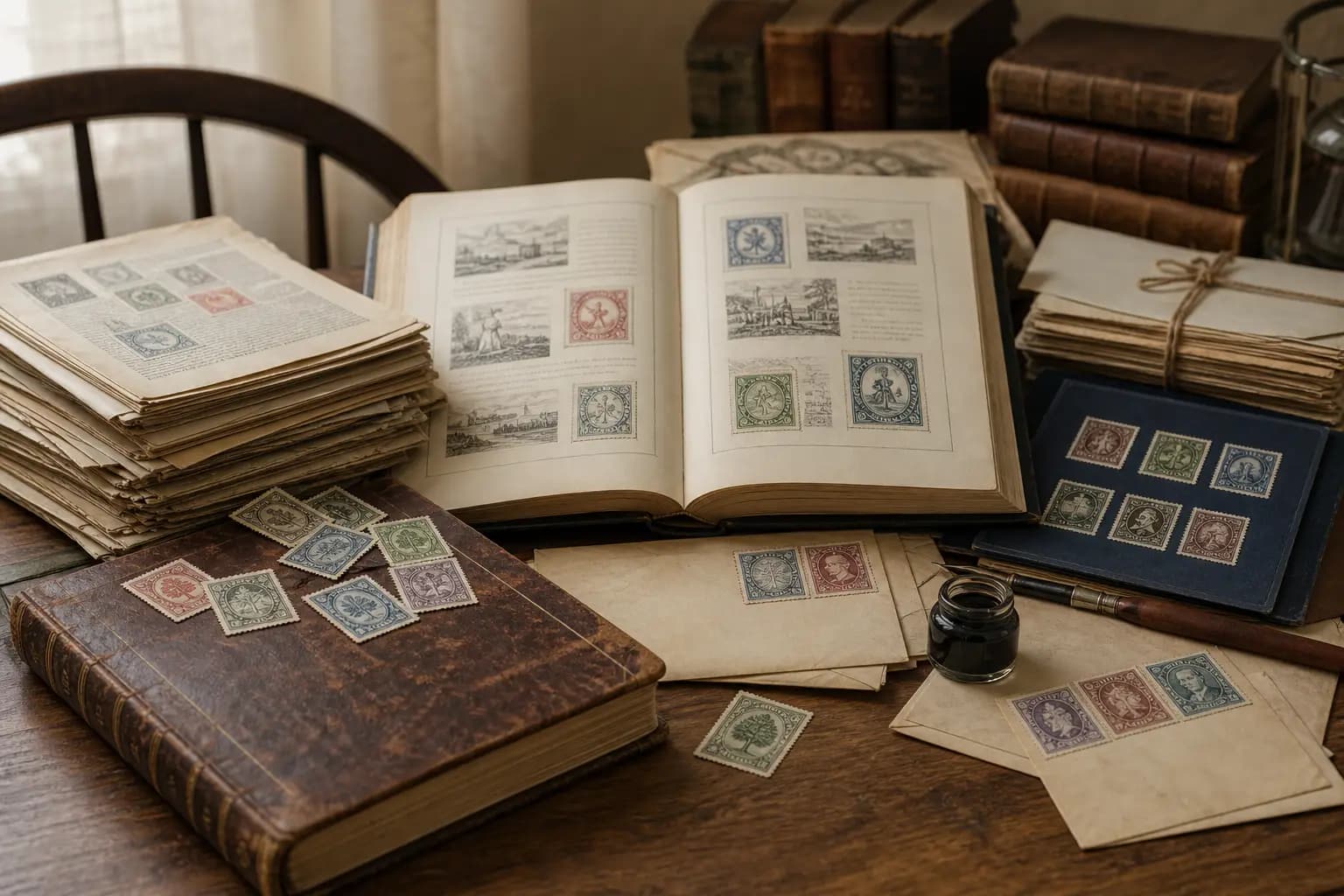
Organized philately began with informal gatherings of collectors who met to compare, discuss, and exchange stamps. According to the Smithsonian National Postal Museum, these shared interests naturally encouraged the formation of local clubs and societies devoted to specific countries, historical periods, or subjects. Rather than serving merely as social circles, these organizations quickly became vital institutions for exchange, education, research, and exhibiting.
To support these activities, early societies published research and created reference materials. This structured approach helped collectors share specialist knowledge and move beyond basic accumulation. However, as the volume of published articles, handbooks, and journals grew, early philatelists faced a new challenge: organizing and preserving this literature so that members could access it reliably.
The 1886 Founding of the APA and Its Educational Mission
In the United States, the desire for a centralized national organization culminated in 1886. By April of that year, a Committee on National Organization consisting of S.B. Bradt, O.S. Hellwig, and R.R. Shuman printed an announcement proposing a national society. Following this, approximately 400 collectors expressed their willingness to help, with 219 sending in proxies and paying twenty-five cents each for the privilege of voting.
On September 13, 1886, a committee met in New York City and officially adopted the name "American Philatelic Association" (APA). The next day, John K. Tiffany was elected president. The preamble to the APA constitution explicitly stated that the objects of the Association were to assist its members in acquiring knowledge in regard to Philately, cultivate friendship, and enable affiliation with foreign societies. To fulfill this educational mandate, the founders immediately prioritized the creation of a dedicated Library Department.
Early Challenges of the APA Library Department
Establishing a physical library in the late 19th century was a slow and difficult process. In Volume I of the association's official journal, The American Philatelist (which commenced publication on January 10, 1887, under editor W. R. Fraser), the organization reported on the status of its new literature repository. The report noted that while the Library Department was not yet in a condition for members to take full advantage of it, considerable progress had been made.
Because the association was in its infancy, the Library Department had to depend to a great extent on donations for its growth. Early members were encouraged to donate duplicate journals, auction catalogs, and handbooks to build a shared reference collection. This cooperative model allowed the APA to accumulate specialized literature that individual collectors could rarely afford on their own, laying the groundwork for future research initiatives.
From Early Repositories to Modern Philatelic Libraries
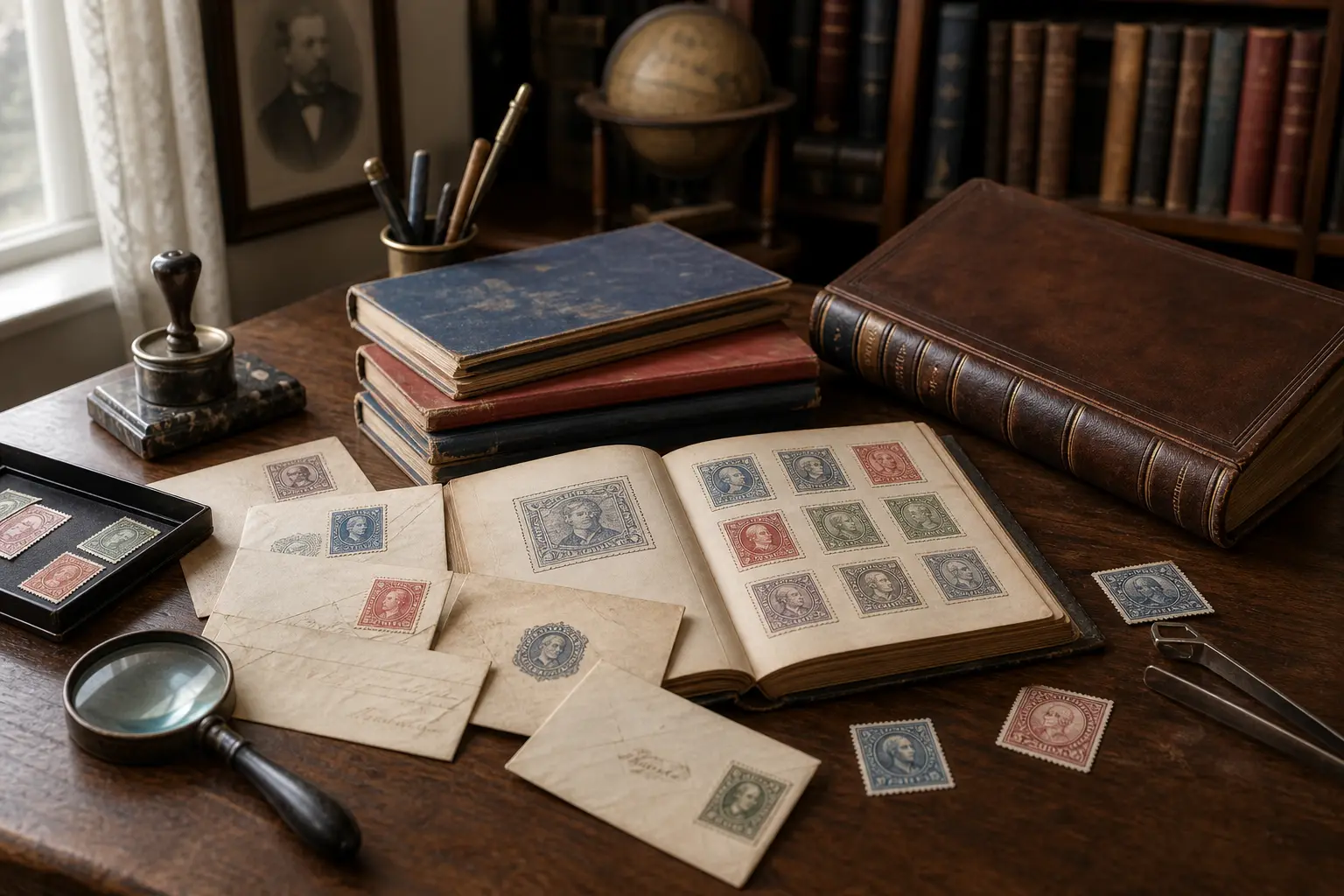
The modest donation-based libraries of the 19th century eventually evolved into highly structured modern institutions. Today, the American Philatelic Research Library (APRL), located in Bellefonte, Pennsylvania, serves as a premier resource for collectors worldwide. Modern collectors can borrow historical materials, bibliographies, and specialized guides directly from the APRL, continuing the tradition of shared knowledge established over a century ago.
These modern libraries preserve historical guidebooks that trace the development of organized collecting. Resources such as Linn's Stamp Club Handbook by Elaine Durbin Boughner (1983) and the American Philatelic Society's Building Better Stamp Clubs (1996) provide invaluable insights into how local clubs structured their meetings, managed finances, and promoted the hobby. By studying these texts, contemporary club organizers can implement proven educational programs.
Integrating Historical Literature with Modern Tools
For the modern collector, historical literature remains indispensable for verifying stamp varieties, watermarks, and printing methods. While digital tools like the StampSnap app can help you quickly scan a specimen to create a likely identification or organize a digital collection record, consulting physical or digitized library reference materials is often necessary to confirm rare varieties or plate positions.
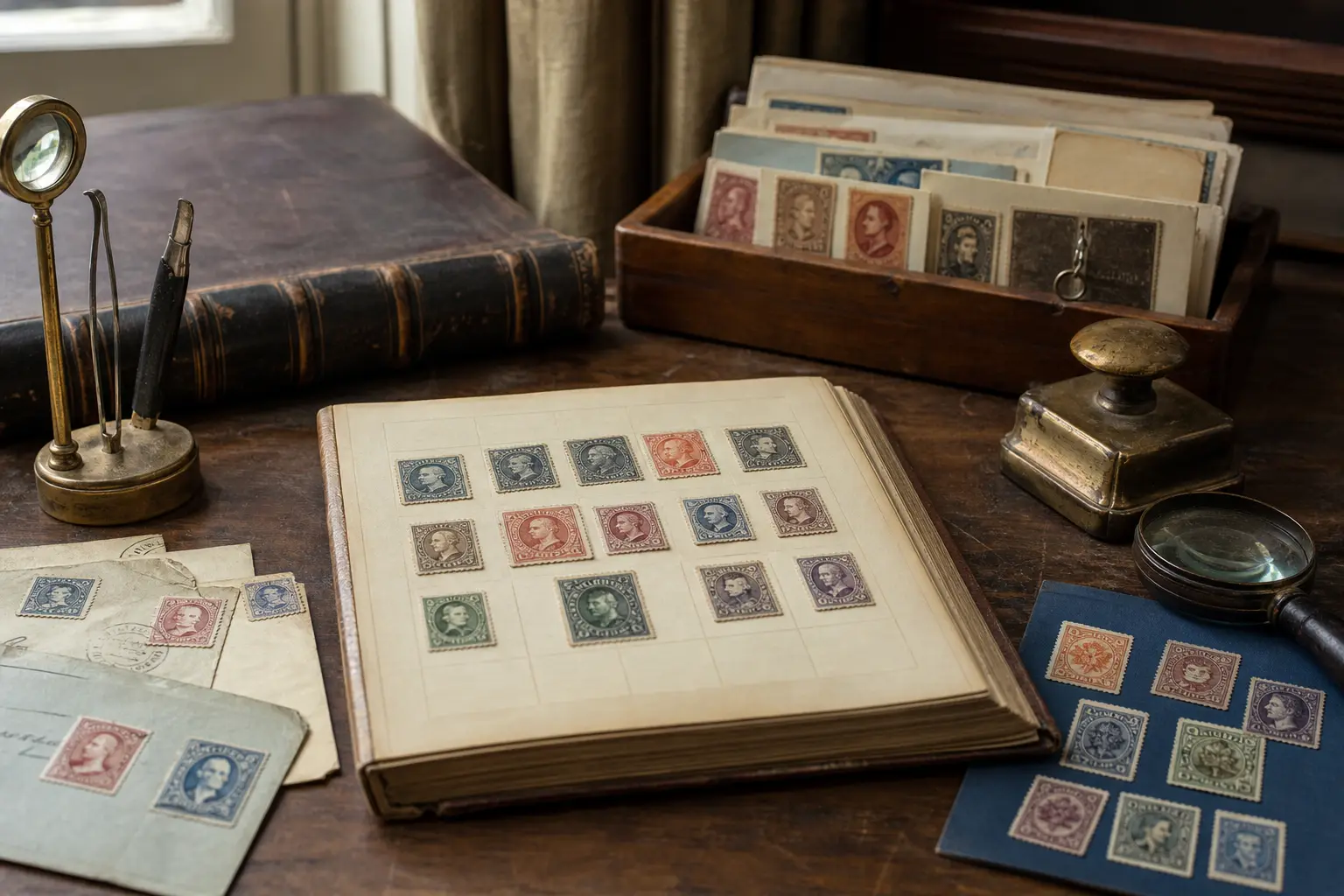
When researching a stamp, collectors should handle fragile paper with care, using professional stamp tongs rather than fingers to prevent skin oil damage. By combining modern digital organization tools like StampSnap with the deep historical resources preserved in philatelic libraries, collectors can safely build their expertise and contribute to the ongoing preservation of postal history.
Frequently asked questions
When was the American Philatelic Association (APA) Library Department first established?
The APA was established in September 1886, and its Library Department was formed shortly thereafter. As reported in the inaugural volume of The American Philatelist in January 1887, the department initially relied heavily on donations from members to build its reference collection.
How did early philatelic societies acquire books for their libraries?
Early organizations, including the APA, depended primarily on donations of books, journals, and auction catalogs from their members. Because these societies were newly formed, they lacked the funds to purchase large collections outright, making member generosity critical to their early growth.
What resources are available in modern philatelic libraries like the APRL?
Modern repositories like the American Philatelic Research Library (APRL) house thousands of books, journals, show programs, and historical guidebooks. Collectors can borrow materials such as Linn's Stamp Club Handbook (1983) or Building Better Stamp Clubs (1996) to learn about club management, research, and postal history.
Why did early stamp clubs prioritize building libraries?
Early clubs and national societies prioritized libraries to assist members in acquiring philatelic knowledge, sharing specialist research, and identifying counterfeits. Access to reliable reference literature was essential for collectors to study printing varieties, watermarks, and postal history accurately.