The Rise of Philatelic Communication
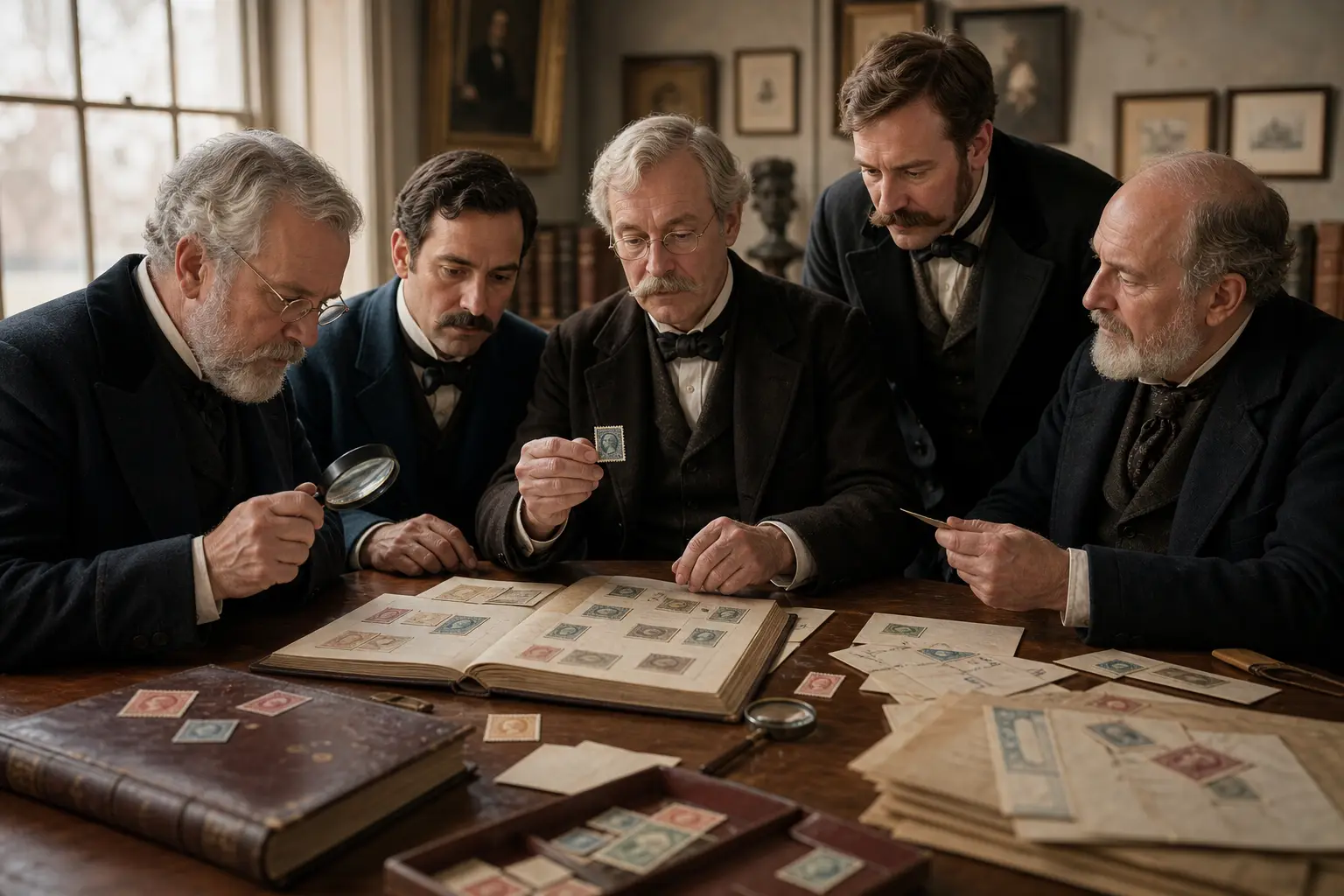
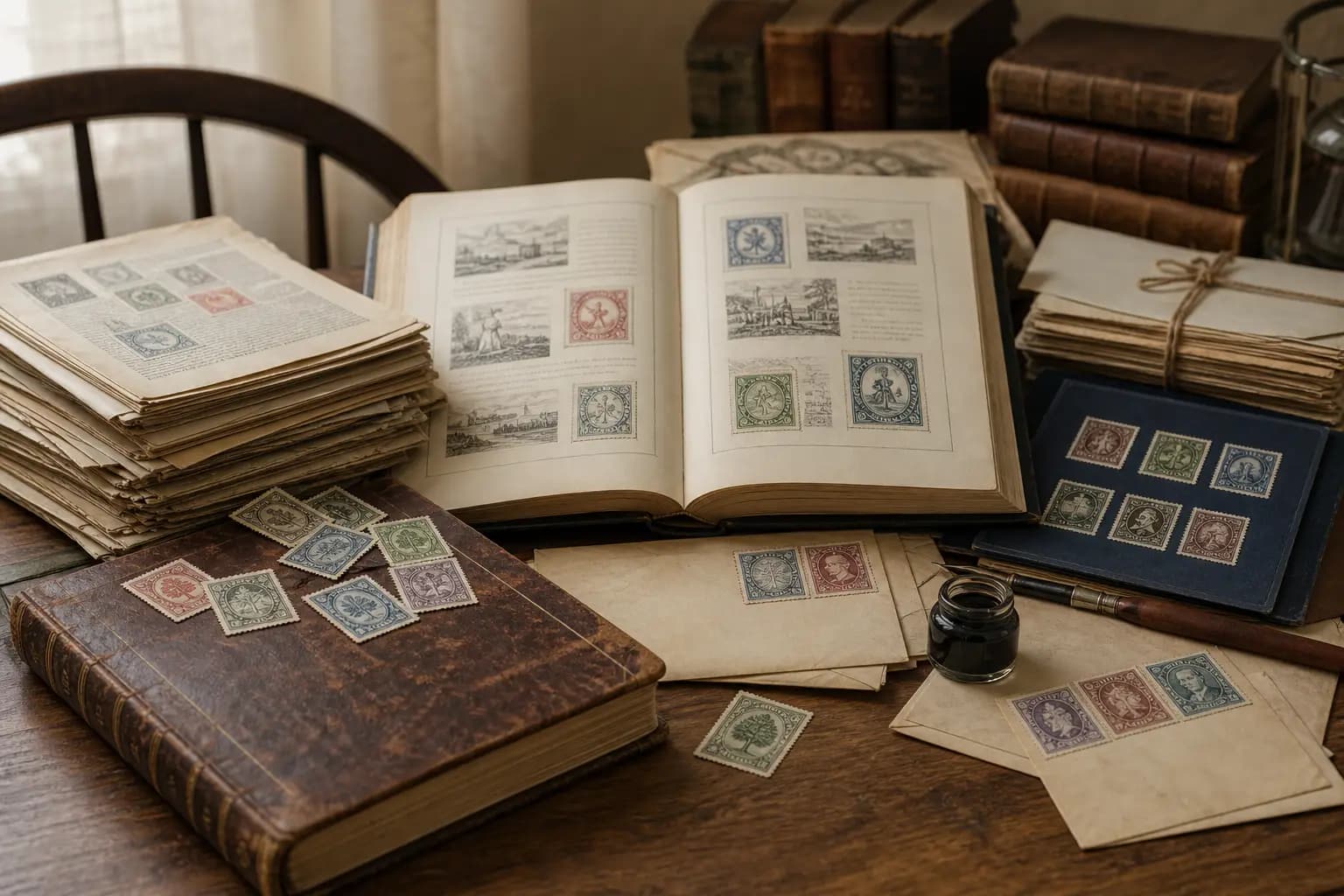
Organized philately began with informal groups of collectors gathering to compare, discuss, and exchange stamps. According to the Smithsonian National Postal Museum, these shared interests naturally encouraged the formation of local clubs and societies. However, as the hobby expanded, physical meetings were not enough to connect collectors across vast distances. To bridge this gap, early philatelic organizations turned to printed media, establishing official journals and newsletters.
These publications became the primary vehicle for sharing research, distributing reference material, and cultivating a unified community. While modern collectors can use digital tools like StampSnap to quickly identify a stamp and create a preliminary collection record, early philatelists relied entirely on the printed page to build and verify their specialized knowledge.
The Rapid Expansion of American Philately
The demand for structured communication grew alongside the hobby's rapid expansion in the United States. Starting with just a few dedicated enthusiasts in the 1850s, stamp collecting grew steadily for three decades. By the 1880s, there were an estimated 25,000 stamp collectors scattered across the country.
This rapid growth highlighted the limitations of purely local gatherings. Without a centralized method to exchange findings, collectors struggled to verify varieties or share research. The need for a national network became undeniable, prompting prominent collectors to discuss forming a national organization to facilitate the acquisition of knowledge and cultivate friendships.
The Founding of the APA and The American Philatelist
In April of 1886, the Committee on National Organization, consisting of S.B. Bradt, O.S. Hellwig, and R.R. Shuman, printed an announcement proposing a national society. This effort culminated on September 13, 1886, when a committee met in New York City to establish the American Philatelic Association (APA). The next day, John K. Tiffany was elected president, a role he held until 1896.
To fulfill the constitutional goal of helping members acquire philatelic knowledge, the association launched its official journal. The first five issues of The American Philatelist were published in Altoona, Pennsylvania, beginning on January 10, 1887, under the editorial direction of W. R. Fraser. This milestone established a formal, regular channel for scholarly philatelic communication.
Democratic Choice and the Evolution of Official Organs
Early philatelic publishing was highly dynamic and responsive to the membership's voice. The APA demonstrated this democratic approach in June 1887, when a mail vote was held to determine the future of the society's official publication. The vote resulted in the selection of The Western Philatelist as the society's official publication, replacing the initial run of The American Philatelist.
This shift highlighted how early national organizations adapted their publishing strategies to match the preferences and logistical realities of their growing membership, ensuring that the distributed literature remained relevant, accessible, and financially sustainable for the collectors of the era.
Local Club Newsletters and Editorial Standards
As national societies matured, local stamp clubs also recognized the necessity of maintaining their own printed records. Producing a regular newsletter became a hallmark of a successful local club. Over the decades, experienced philatelists documented best practices for these local publications.
For example, Elaine Durbin Boughner's 1983 guide, Linn's Stamp Club Handbook, provided clubs with practical advice on producing newsletters to keep members informed and engaged. Additionally, George Hentzell's 1980 book, Editing stamp club journals, offered specialized guidance on the technical and editorial aspects of running a local philatelic publication, proving that clear communication was vital at both the local and national levels.
How Printed Literature Shaped Modern Philatelic Research
The journals and newsletters established during the late nineteenth and twentieth centuries laid the foundation for modern philatelic scholarship. The Smithsonian National Postal Museum notes that these early publications did more than provide social updates; they published deep research and created reference materials that remain valuable today.
Modern collectors benefit immensely from this legacy of documented knowledge. When identifying an unusual stamp, a collector might first use StampSnap to help identify the country of origin or issue year, and then consult historic club journals or library archives to study the plate varieties and postal history documented by early philatelic writers.
Frequently asked questions
When was the first official journal of the American Philatelic Association published?
The first five issues of the APA's journal, The American Philatelist, began publication on January 10, 1887, in Altoona, Pennsylvania, with W. R. Fraser serving as editor.
How did early collectors vote on their official publication?
In June 1887, the members of the American Philatelic Association participated in a mail vote, which resulted in choosing The Western Philatelist as the society's official publication.
Why did early philatelic societies prioritize publishing journals and research?
According to the Smithsonian National Postal Museum, societies published research and created reference materials to help collectors share specialist knowledge, compare findings, and discuss their collections beyond local physical meetings.
What resources exist for collectors interested in editing stamp club newsletters?
Historical guidebooks such as George Hentzell's Editing stamp club journals (1980) and Elaine Durbin Boughner's Linn's Stamp Club Handbook (1983) provide practical advice on producing newsletters and managing club publications.