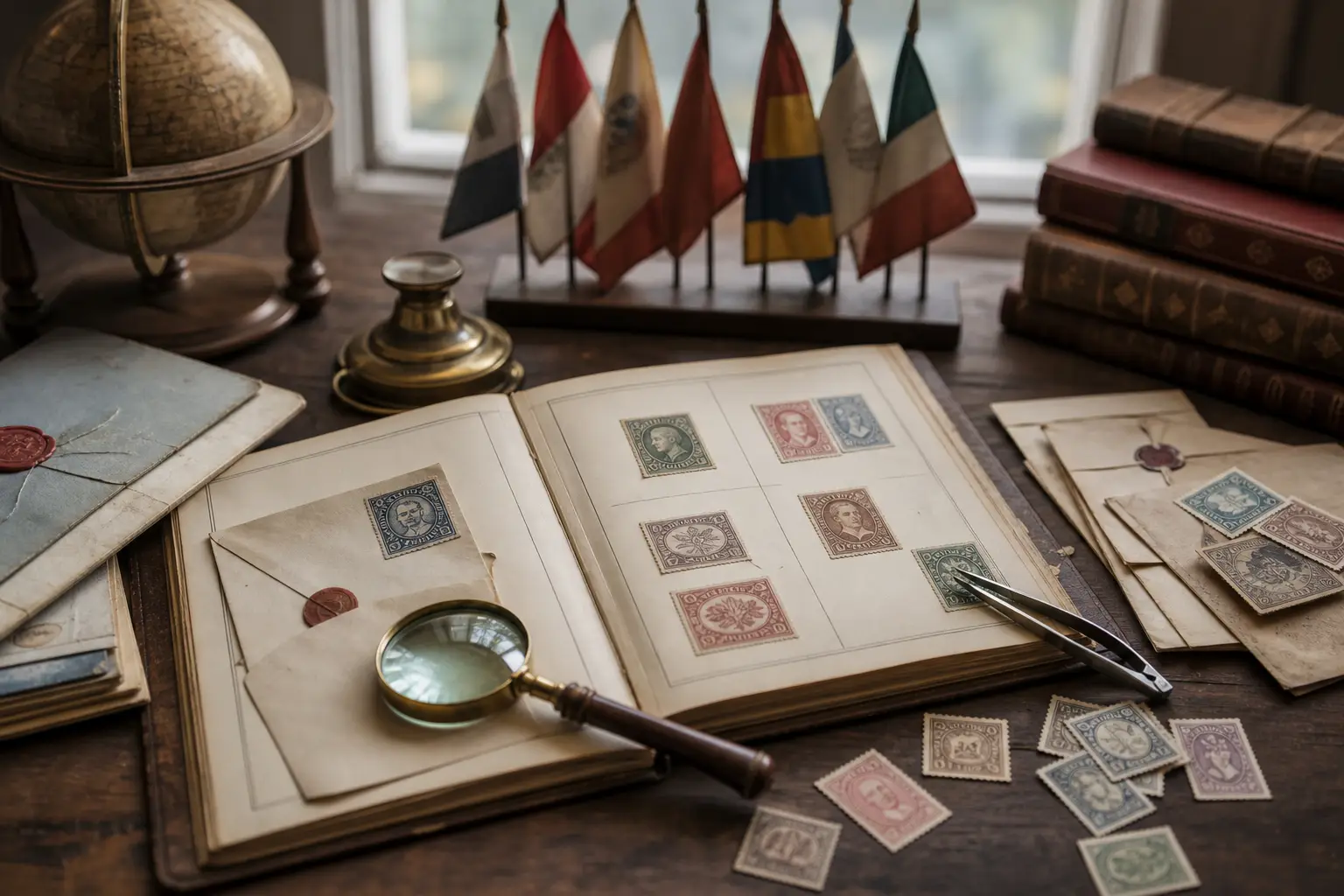
The Foundations of Organized Philately
Early philatelic organizations, such as the American Philatelic Association founded in 1886, fostered international affiliation and collector relations by establishing formal constitutional objectives, exchange systems, and shared reference materials. This structured approach transformed an isolated hobby into a connected global community. By establishing clear guidelines and cooperative departments, early societies allowed collectors to transcend local boundaries and collaborate with philatelists worldwide.
The Constitutional Vision of 1886
The formalization of national philately in the United States reached a major milestone on September 13, 1886, when a committee met in New York City and adopted the name American Philatelic Association. The following day, John K. Tiffany, a prominent attorney from St. Louis and an ardent philatelist, was elected as the association's first president, a position he held until 1896.
The founders drafted a clear preamble to the Association's constitution, outlining three core objectives: assisting members in acquiring philatelic knowledge, cultivating friendship among philatelists, and enabling members to affiliate with similar societies in other countries. To support these operations, annual dues were established, with a pro-rated dues basis so new members paid only for the remaining balance of the year.
Identity and Recognition in Early Societies
To foster a sense of belonging and facilitate personal connections, the American Philatelic Association provided membership cards and authorized a unique button badge. Sold to members for a nominal fee, this badge allowed philatelists to recognize one another at public gatherings and during their travels.
The design of this early badge remains in use today as the official logo of the American Philatelic Society. These physical symbols of membership played a crucial role in building a cohesive community, transforming individual hobbyists into recognized representatives of a larger national and international movement.
The Role of Early Philatelic Literature
To maintain communication and share knowledge across distances, early organizations relied heavily on official publications. The American Philatelic Association commenced publication of its official journal, The American Philatelist, on January 10, 1887, in Altoona, Pennsylvania, under editor W. R. Fraser.
Although the journal's first five issues were published there, a mail vote in June of 1887 resulted in the choice of The Western Philatelist as the society's official publication. These early publishing efforts provided a critical channel for members to receive updates, study research, and coordinate activities across different regions.
Facilitating Exchange and Purchasing
Beyond social connection, early organizations recognized that collectors needed practical methods to acquire and trade material. The American Philatelic Association established an Exchange Department, the forerunner of today's Sales Division, specifically to facilitate the exchange of duplicate stamps, entire envelopes, and postal cards among its members.
This system relied on exchange books and boxes sent between participants. Additionally, the Association introduced a Purchasing Department, where members paid a purchasing agent to procure new issues or obsolete stamps at or near face value. By pooling their resources, members could secure better prices, demonstrating the tangible economic benefits of cooperative philately.
The Role of Local Clubs and Research
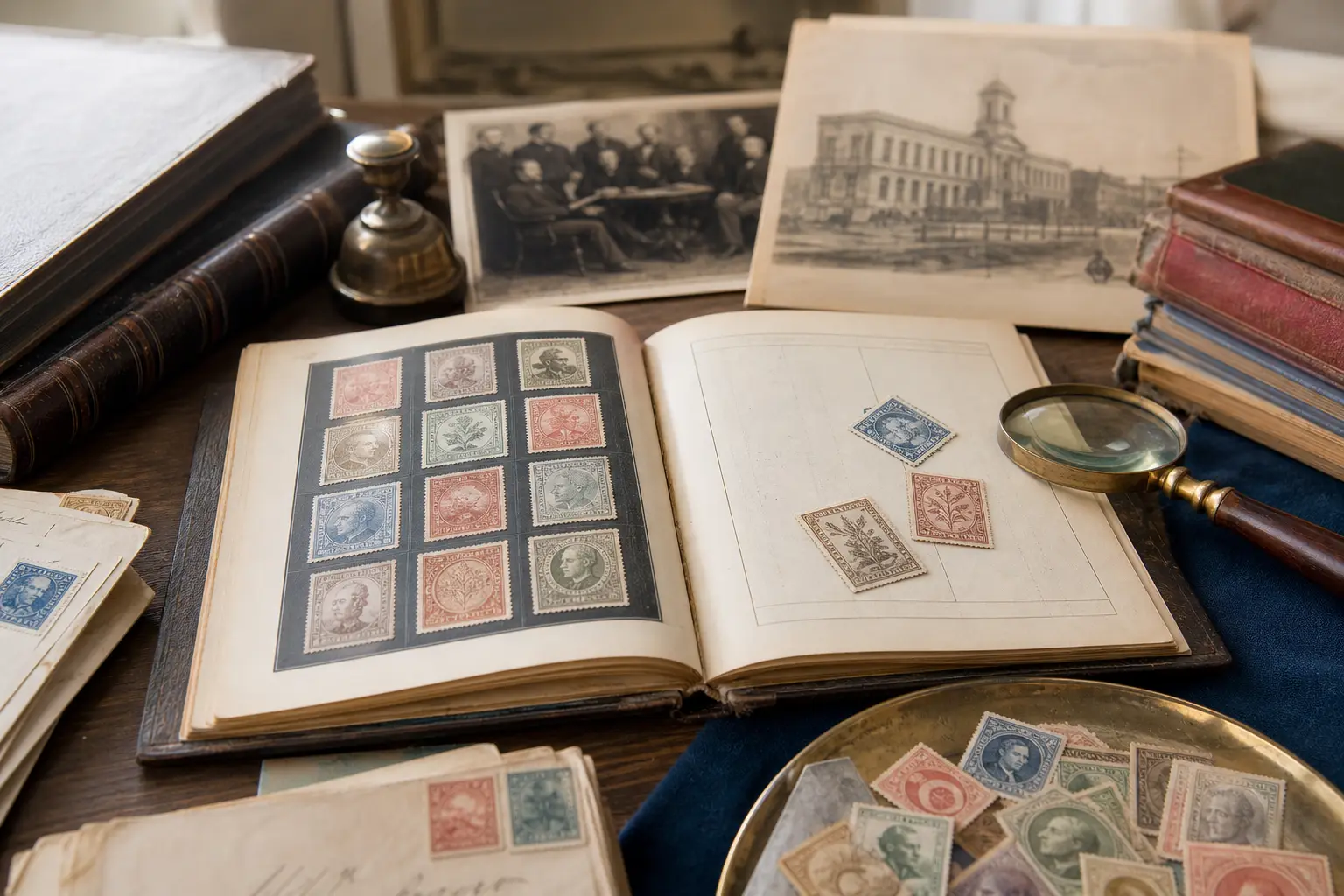
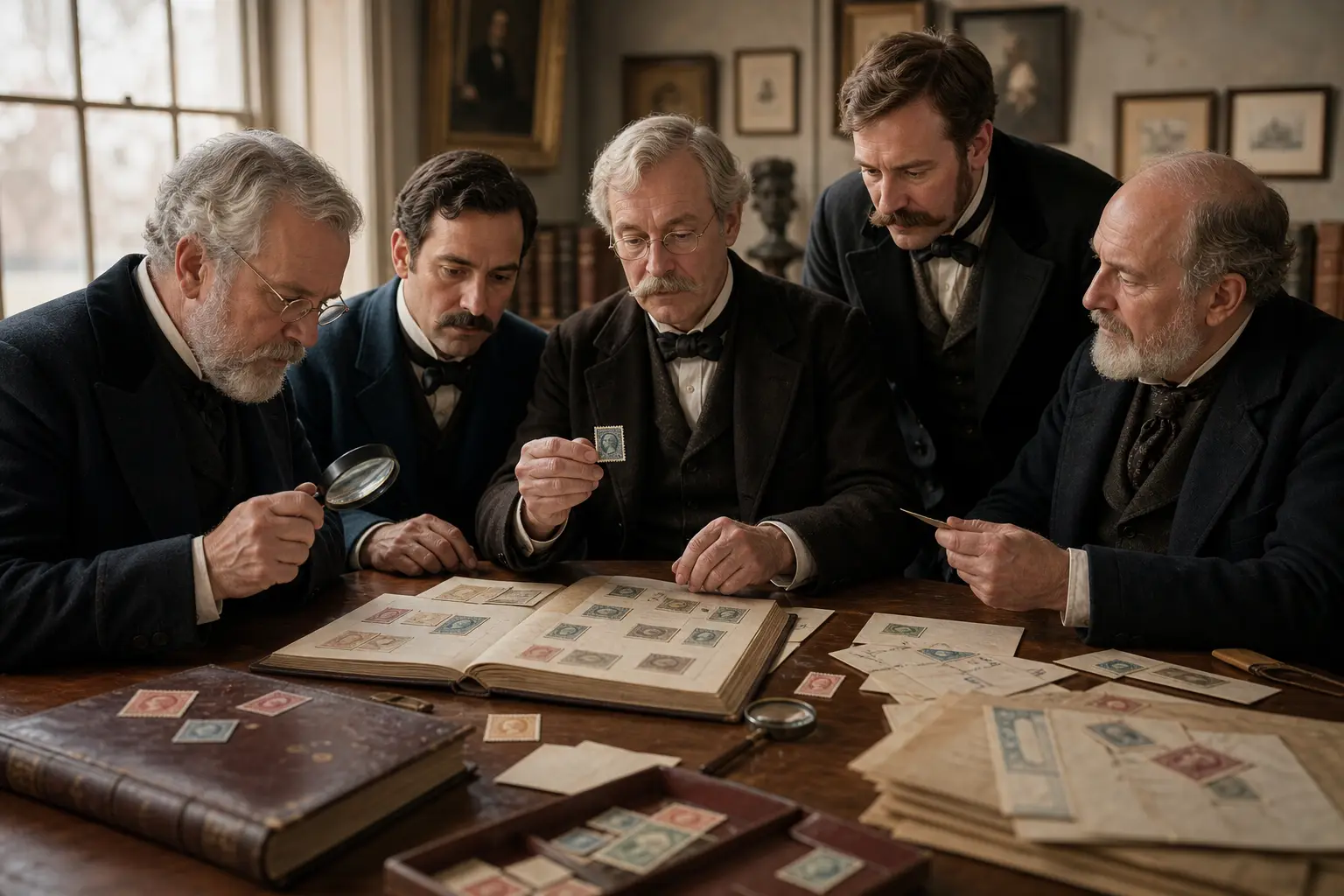
According to the Smithsonian National Postal Museum, organized philately is historically traced to informal gatherings where collectors met to compare, discuss, and exchange stamps. As these shared interests grew, they encouraged the formation of local clubs and societies devoted to particular countries, historical periods, or subjects.
The museum notes that these organizations did far more than host social meetings; they published original research, created reference materials, and helped collectors share specialist knowledge. Exhibitions also provided a structured way for participants to present their collections, learn from other displays, and compete for recognition.
Structuring Modern Club Programs
To maintain a flourishing hobby group today, modern clubs rely on historical models of leadership and active participation. Resources available from the American Philatelic Research Library, such as the 1996 workshop book Building Better Stamp Clubs by the American Philatelic Society and the 1983 Linn's Stamp Club Handbook by Elaine Durbin Boughner, offer practical ideas for recruiting, promotion, and record-keeping.
Additionally, clubs can utilize educational tools like Bill Olcheski's 100 Trivia Quizzes for Stamp Collectors, published in 1982, to create engaging, team-based programs. Balancing social interaction with structured philatelic activities ensures that meetings remain interesting and educational for all members.
Safe Handling and Digital Documentation
As collectors engage with local clubs or international affiliates, protecting the physical integrity of their collections remains paramount. Philatelists should always handle stamps using specialized stamp tongs to prevent damage from skin oils, and avoid using household adhesives, tape, or glue.
Before presenting items to a club or sharing them with international contacts, collectors can use the StampSnap app to create a digital record and obtain a likely identification of their stamps. This digital documentation allows collectors to share and study their material safely, minimizing the risk of physical wear to fragile, historic paper.
Frequently asked questions
What were the primary goals of the American Philatelic Association when it was founded in 1886?
According to its 1886 constitution, the primary goals of the American Philatelic Association were to assist members in acquiring knowledge about philately, cultivate friendship among philatelists, and enable members to affiliate with similar societies in other countries.
How did early philatelic societies help members trade stamps?
The American Philatelic Association established an Exchange Department that used exchange books and boxes to help members trade duplicate stamps, entire envelopes, and postal cards. They also created a Purchasing Department where an agent procured new or obsolete issues at or near face value.
What role did early publications play in collector relations?
Early publications like The American Philatelist, first published on January 10, 1887, and later The Western Philatelist, served as official organs of communication. They allowed members to share research, receive organizational updates, and coordinate activities across different regions.
Where can modern stamp clubs find historical resources to improve their meetings?
Modern clubs can borrow resources from the American Philatelic Research Library, including historical guidebooks like Linn's Stamp Club Handbook (1983) and Building Better Stamp Clubs (1996), which offer practical advice on club operations and programs.