Short answer: clubs used journals and libraries to turn collecting into shared knowledge
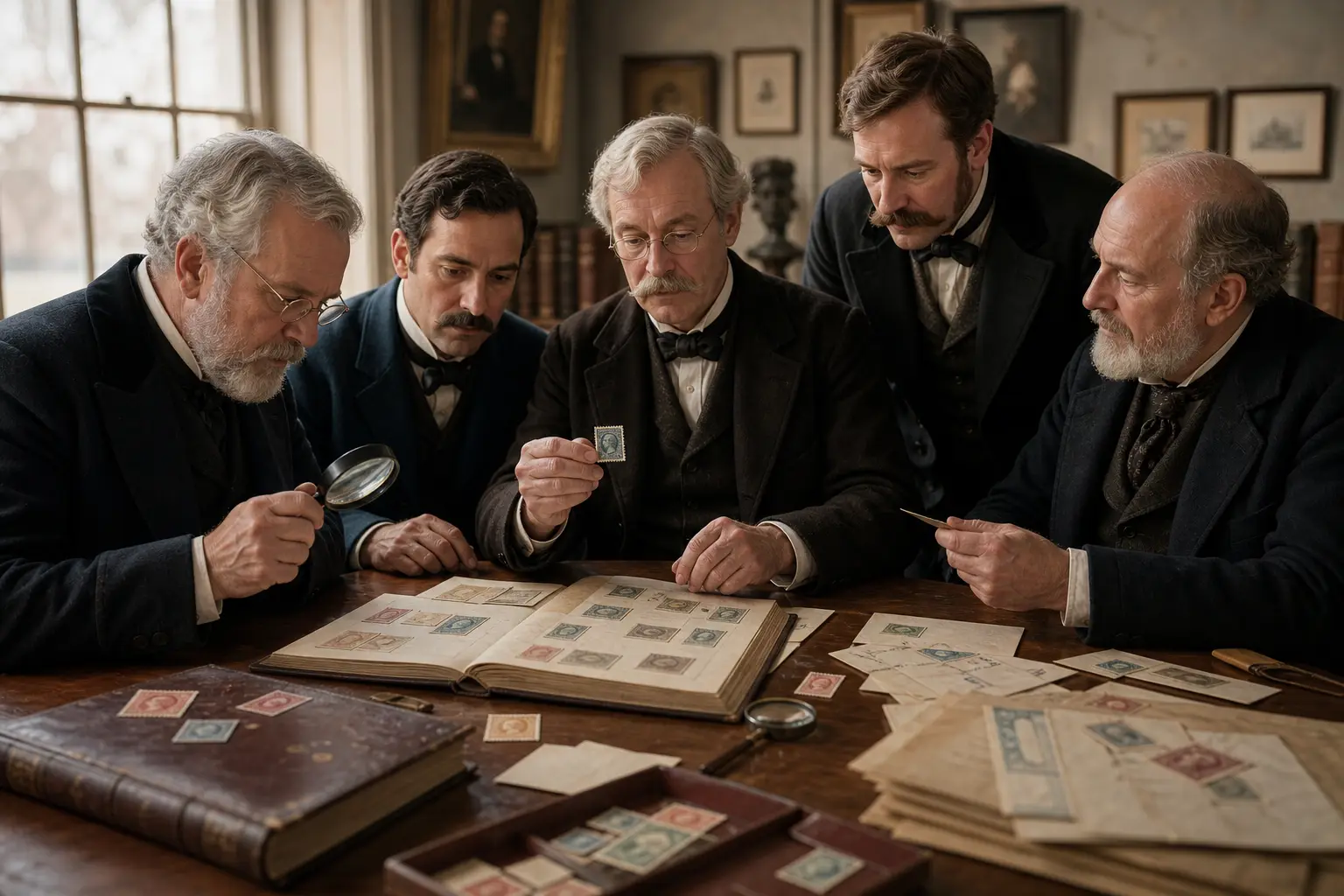
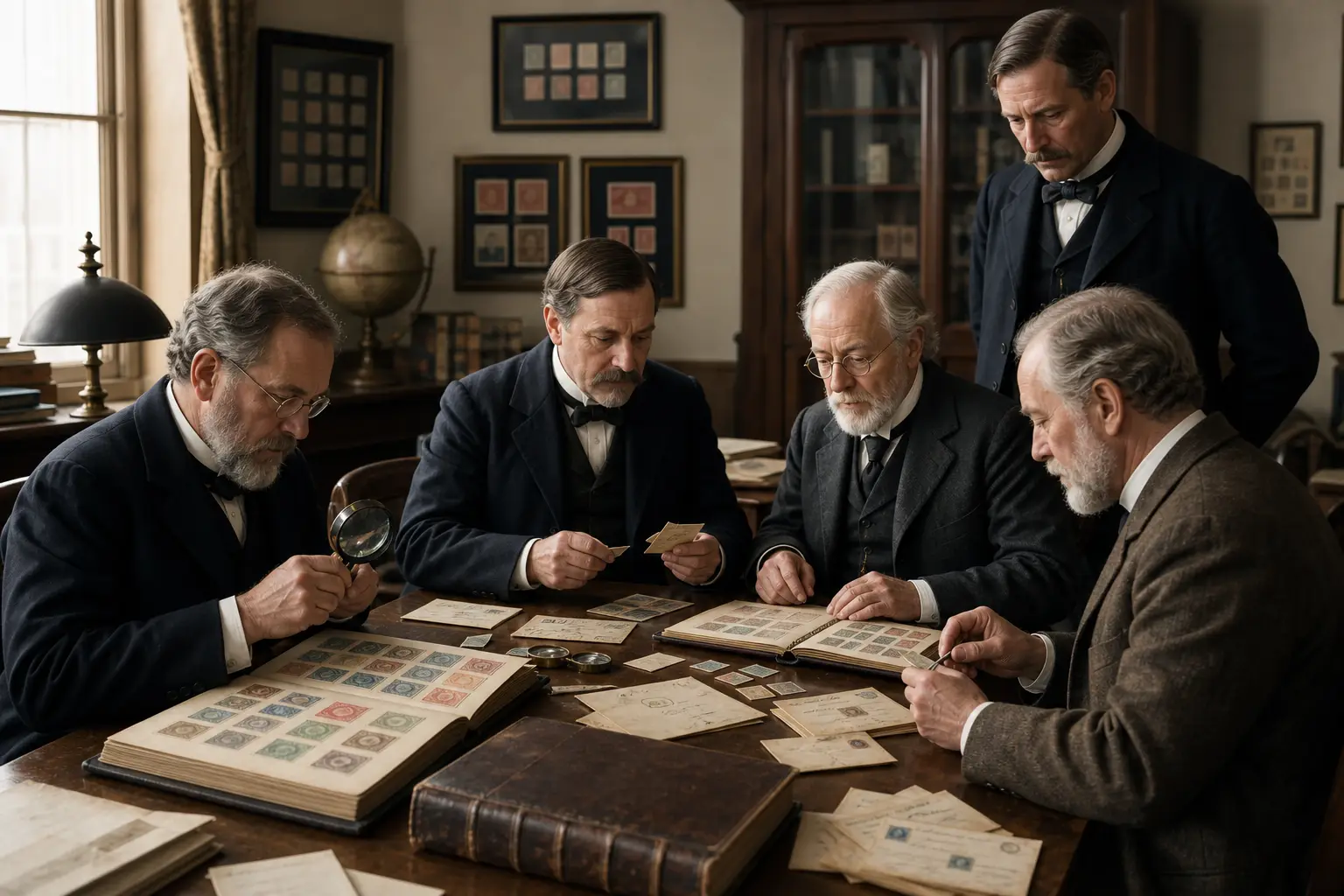
Stamp clubs published journals and built libraries so members could compare material, exchange knowledge, and keep useful information together in one place. In the historical record supplied here, the Smithsonian National Postal Museum describes organized philately as collectors gathering to compare, discuss, and exchange stamps, with local clubs and societies then creating reference material and publishing research. That makes journals and libraries part of how the hobby became more than private collecting.
The same pattern appears in the American Philatelic Society’s early history. In 1886, the new association described its objects as helping members acquire knowledge in regard to philately, cultivate friendship among philatelists, and connect with similar societies in other countries. A library department was already envisioned in those early reports, which shows that printed knowledge was considered a practical club service rather than an afterthought.
A growing hobby needed records, not just meetings
The society history supplied here says that stamp collecting began to build in the 1850s and grew steadily for three decades. By the 1880s, there were an estimated 25,000 stamp collectors in the United States. As a hobby expands that quickly, collectors need ways to keep track of stamps, varieties, club decisions, and research notes. Journals and libraries help meet that need because they preserve information that would otherwise remain scattered across individual collections.
The same history also shows how early philatelists relied on print to organize themselves. In April 1886, several prominent collectors formed the Committee on National Organization and printed an announcement about the possible formation of a national organization. Some 400 collectors indicated willingness to help, and 219 sent proxies to vote. That sequence matters for collectors today because it shows that written notices, journals, and shared reference material were part of philatelic infrastructure from the start.
What the American Philatelic Association offered in its first years
The APS history gives concrete examples of early services that depended on organized information. The association established annual conventions, then known today as StampShow, beginning with the first meeting on September 13, 1886. It also created a Purchasing Department for members who wanted new issues or obsolete stamps at or near face value, an Exchange Department to facilitate the exchange of duplicate stamps, entire envelopes, and postal cards, and a Library Department that was already expected to grow through donations.
These services were not random extras. They worked together to make collecting easier to study and document. Exchange books and boxes helped move material between members, while the library gathered reference material that members could consult. The association also appointed a counterfeit detector because fraudulent stamps were already a problem. That detail is important: journals and libraries were not only for interest, but also for practical verification work and shared caution.
Journals helped clubs teach, announce, and standardize
The supplied evidence shows that the APS issued The American Philatelist beginning January 10, 1887, with the first five issues published in Altoona, Pennsylvania. Even when a club journal is simple, it can do several jobs at once: announce meetings, report society decisions, publish research, and give members a stable way to compare information. The Smithsonian account likewise notes that societies published research and created reference material, which means journals were one of the main tools for turning individual observations into shared philatelic knowledge.
For collectors, that is the historical reason club journals remain useful. They help preserve local research, meeting notes, and specialist discussion that might not appear in a general catalog. If you are recording a likely identification or building a personal collection record in StampSnap, a club journal can be one of the references you consult alongside your own notes. The key is to treat the journal as evidence to compare, not as a substitute for careful examination.
Libraries made specialist knowledge easier to keep and reuse
The early APS history says the Library Department was not yet in a condition for members to take advantage of it, but progress had been made and the organization expected to depend greatly on donations for its growth. That detail is revealing. A club library did not have to be large to matter; it had to be organized, accessible, and built from material members were willing to contribute. In philately, a well-kept library can become a memory system for the whole club.
The Smithsonian source reinforces this broader pattern by explaining that societies created reference material and helped collectors share specialist knowledge. Some groups were devoted to particular countries, periods, or subjects, which means their libraries could support focused study instead of only general reading. For collectors, the lesson is to use libraries methodically: note what source was consulted, compare descriptions with the stamp in hand, and avoid making a conclusion from one reference alone.
Why this history still matters to collectors now
Club journals and libraries matter today because they show how philately grew through cooperation. The APS history records a society founded in 1886, a journal beginning in 1887, and early services built around knowledge sharing, exchange, and reference work. The Smithsonian source adds that organized philately developed through compare, discuss, and exchange activity, with clubs also supporting exhibitions and recognition. Together, these sources explain why philatelic history is not just about stamps themselves, but about the systems collectors built around them.
If you belong to a club now, the safest approach is still the same: use the journal, the library, and the meeting record to confirm what you see, and keep your own notes in a way you can revisit later. A tool such as StampSnap can help you create a likely identification or collection record, but the historical habit that matters most is careful comparison. Good club resources do not replace judgment; they support it.
A practical way to use club resources without overclaiming
Start with the question you are trying to answer, then look for the right kind of source. If you want a basic description, a club journal may be enough to point you in the right direction. If you need a broader context, a library book, society reference, or a research article may be better. If the material is important, compare at least two independent references before you settle on a conclusion.
Keep your handling cautious while you research. Use tongs for dry stamps, do not improvise cleaning methods, and do not remove material from covers unless preserving the cover is not the better historical choice. Clubs and libraries are strongest when they help you learn methodically, not when they encourage quick guesses. That is the same lesson the early societies seem to have understood when they paired meetings with print, reference material, and exchange services.
Frequently asked questions
Why did stamp clubs bother publishing journals?
They used journals to share research, announce society matters, preserve specialist knowledge, and help members compare information over time.
Why did early stamp clubs build libraries?
They built libraries so members could access reference material, support research, and keep philatelic knowledge available beyond a single meeting.
What did the American Philatelic Association do in its early years?
According to the supplied history, it began in 1886, held its first meeting on September 13, 1886, launched The American Philatelist in 1887, and offered services including a library department and exchange support.
Were club journals and libraries the same in every society?
No. The Smithsonian source says clubs and societies varied, so journals and libraries were common forms of support, but not every organization offered the same services.
How should I use club references safely when identifying a stamp?
Compare the stamp with more than one source, record your observations carefully, and treat any identification as a likely conclusion rather than a final guarantee.