The Rise of Organized Stamp Collecting in the United States
Stamp collecting emerged as a popular hobby in the United States during the 1850s, with interest steadily growing over the following decades. By the 1880s, the number of collectors had increased significantly, and the need for a national organization became apparent. Collectors sought ways to share knowledge, exchange stamps, and build a sense of community. This environment set the stage for the founding of the American Philatelic Association (APA), which would later become the American Philatelic Society (APS).
The APA’s creation marked a turning point in American philately, providing structure and resources to a previously informal network of enthusiasts. Its founding reflected broader trends in the hobby, as collectors worldwide began forming clubs and societies to facilitate research, education, and social interaction.
Founding of the American Philatelic Association in 1886
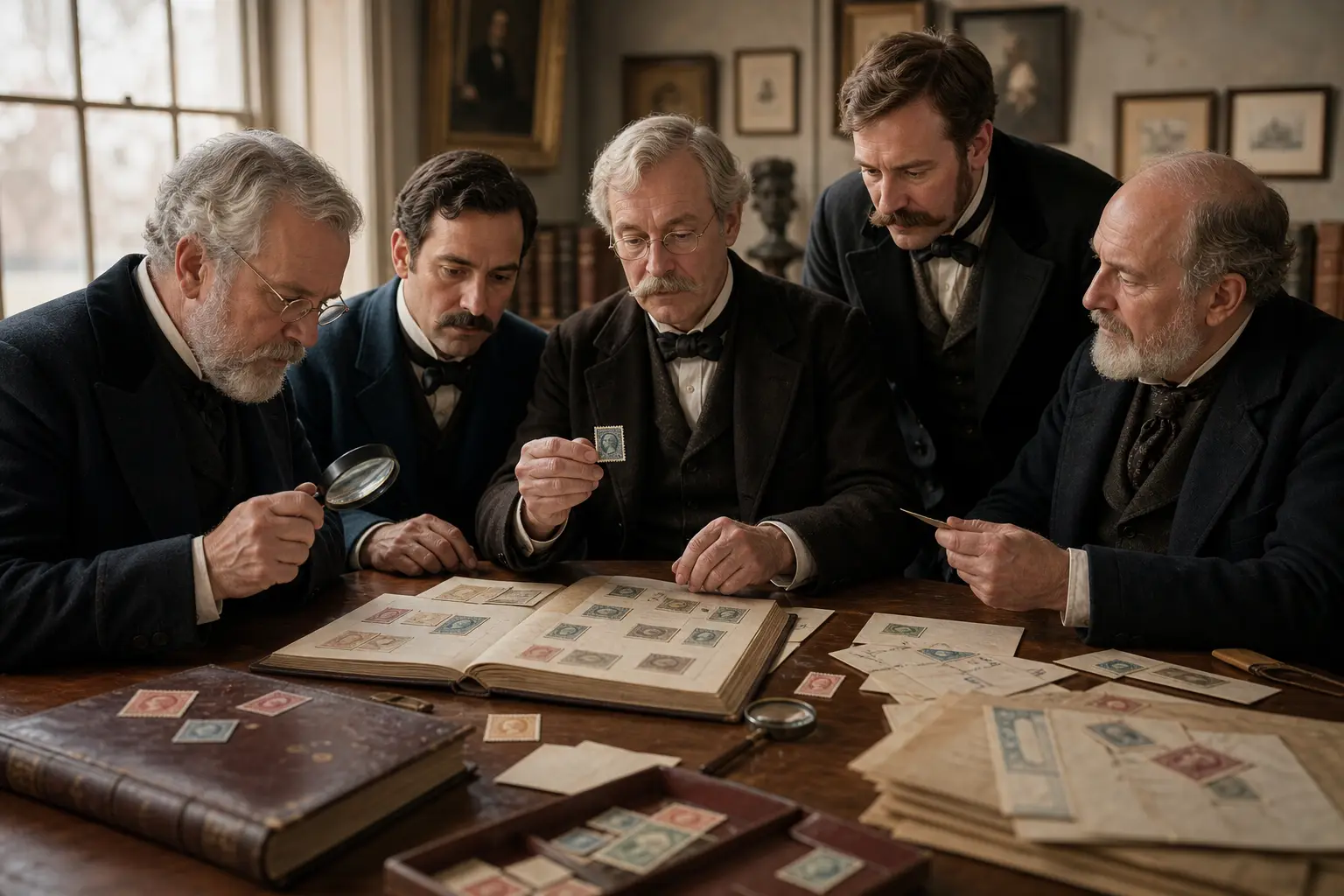
In 1886, several prominent U.S. stamp collectors began discussing the formation of a national organization. Their efforts led to the creation of the Committee on National Organization, which printed an announcement inviting collectors to participate. Approximately 400 collectors expressed interest, and 219 sent in their proxies, each paying a small fee for the privilege of voting.
On September 13, 1886, a committee met in New York City and officially adopted the name 'American Philatelic Association.' The following day, John K. Tiffany, a respected attorney and passionate collector, was elected as the first president. The APA’s constitution established its primary goals: to assist members in acquiring philatelic knowledge, foster friendships among collectors, and facilitate connections with similar societies abroad.
Early Services and Innovations
From its inception, the APA introduced several practical services for its members. Annual conventions, now known as StampShow, began with the first meeting in 1886 and have continued each year since. These gatherings provided opportunities for collectors to meet, exchange ideas, and participate in exhibitions.
The APA also established a Purchasing Department, allowing members to acquire new or obsolete stamps at or near face value. By pooling resources, participants could often obtain better prices. The Exchange Department, which evolved into today’s Sales Division, enabled members to swap duplicate stamps, envelopes, and postal cards using exchange books and boxes.
A Library Department was initiated to support philatelic research, although its early growth relied heavily on donations. The APA also addressed the issue of counterfeit stamps by appointing E. A. Holton as 'counterfeit detector,' a role that prefigured modern expertizing services.
The Launch of The American Philatelist Journal
In January 1887, the APA published the first five issues of its journal, The American Philatelist, in Altoona, Pennsylvania. Edited by W. R. Fraser, the journal provided a platform for sharing research, news, and educational articles. After a member vote, The Western Philatelist was briefly chosen as the official publication, demonstrating the organization’s commitment to democratic participation.
The establishment of a society journal was a significant milestone, as it encouraged scholarly communication and helped document the evolving history of American philately. Today, The American Philatelist remains a respected resource for collectors.
Community, Education, and Research
The APA’s early activities reflected the broader role of philatelic societies in fostering education and research. According to the Smithsonian National Postal Museum, such organizations provided more than social opportunities; they published reference material, organized exhibitions, and helped collectors share specialist knowledge.
By supporting research and offering educational resources, the APA helped raise the standards of collecting and encouraged members to pursue in-depth study of stamps and postal history. These traditions continue to influence the structure and mission of stamp clubs and societies today.
Annual Conventions and Exhibitions
The APA’s annual conventions, now known as StampShow, have been held every year since 1886. These events offer collectors a structured environment to display their collections, learn from other exhibits, and compete for recognition. Exhibitions remain a central aspect of organized philately, promoting both education and friendly competition.
Participation in conventions and exhibitions helps collectors gain new perspectives, discover rare material, and build lasting connections within the hobby. These gatherings also provide a venue for society business and the introduction of new services.
Legacy and Continuing Influence
The American Philatelic Association’s early initiatives laid the groundwork for the modern American Philatelic Society, which continues to serve collectors worldwide. Its emphasis on education, research, and community remains central to organized philately in the United States.
Collectors today can benefit from the resources and traditions established by the APA, including access to research libraries, expertizing services, and annual conventions. Tools like StampSnap can help collectors identify and organize their stamps, complementing the educational mission of societies like the APS.
Safe Handling and Responsible Collecting
As collectors study the history of organizations like the APA, it is important to remember safe handling practices. Use appropriate tools such as stamp tongs and archival materials to protect your collection. Avoid removing stamps from covers or using adhesives that could cause damage.
When researching or cataloging stamps, consider using digital tools like StampSnap to create records and aid identification, but always consult expert resources for authentication or appraisal. Responsible collecting helps preserve both individual collections and the shared history of the hobby.
Frequently asked questions
When was the American Philatelic Association founded?
The American Philatelic Association was founded in September 1886, following efforts by leading U.S. collectors to create a national organization.
What services did the APA offer to early members?
Early services included annual conventions, a purchasing department for acquiring stamps, an exchange department for trading duplicates, a library for research, and a counterfeit detector to address fraudulent stamps.
Who was the first president of the American Philatelic Association?
John K. Tiffany, a prominent St. Louis attorney and collector, was elected as the first president in 1886.
How did the APA contribute to philatelic research and education?
The APA published The American Philatelist journal, supported a research library, and organized exhibitions, helping members share knowledge and advance philatelic study.
Are the APA’s traditions still reflected in stamp collecting today?
Yes, the APA’s focus on education, research, and community continues to influence the structure and mission of modern stamp societies and clubs.