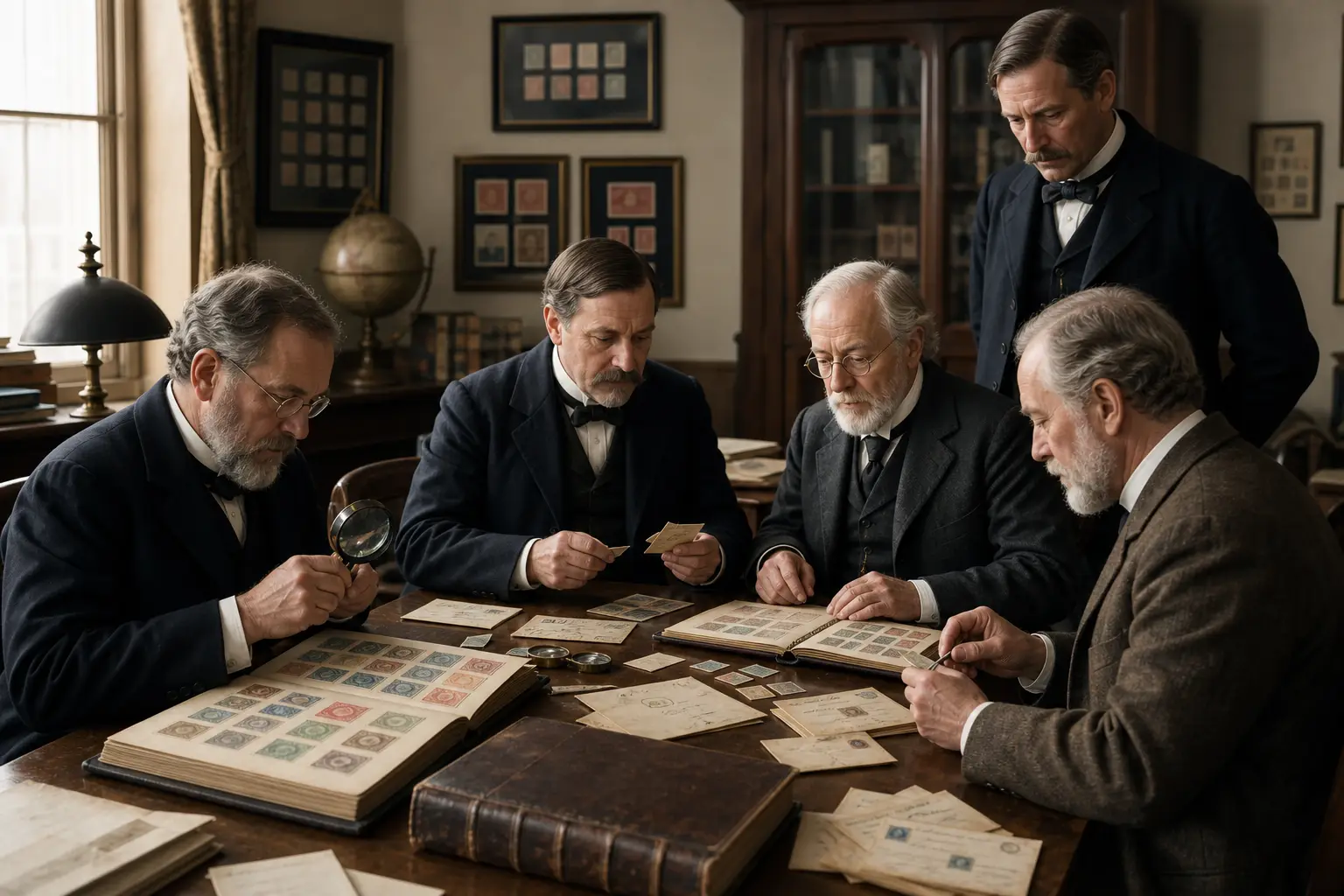
The short answer: stamp clubs turned collecting into a shared historical activity
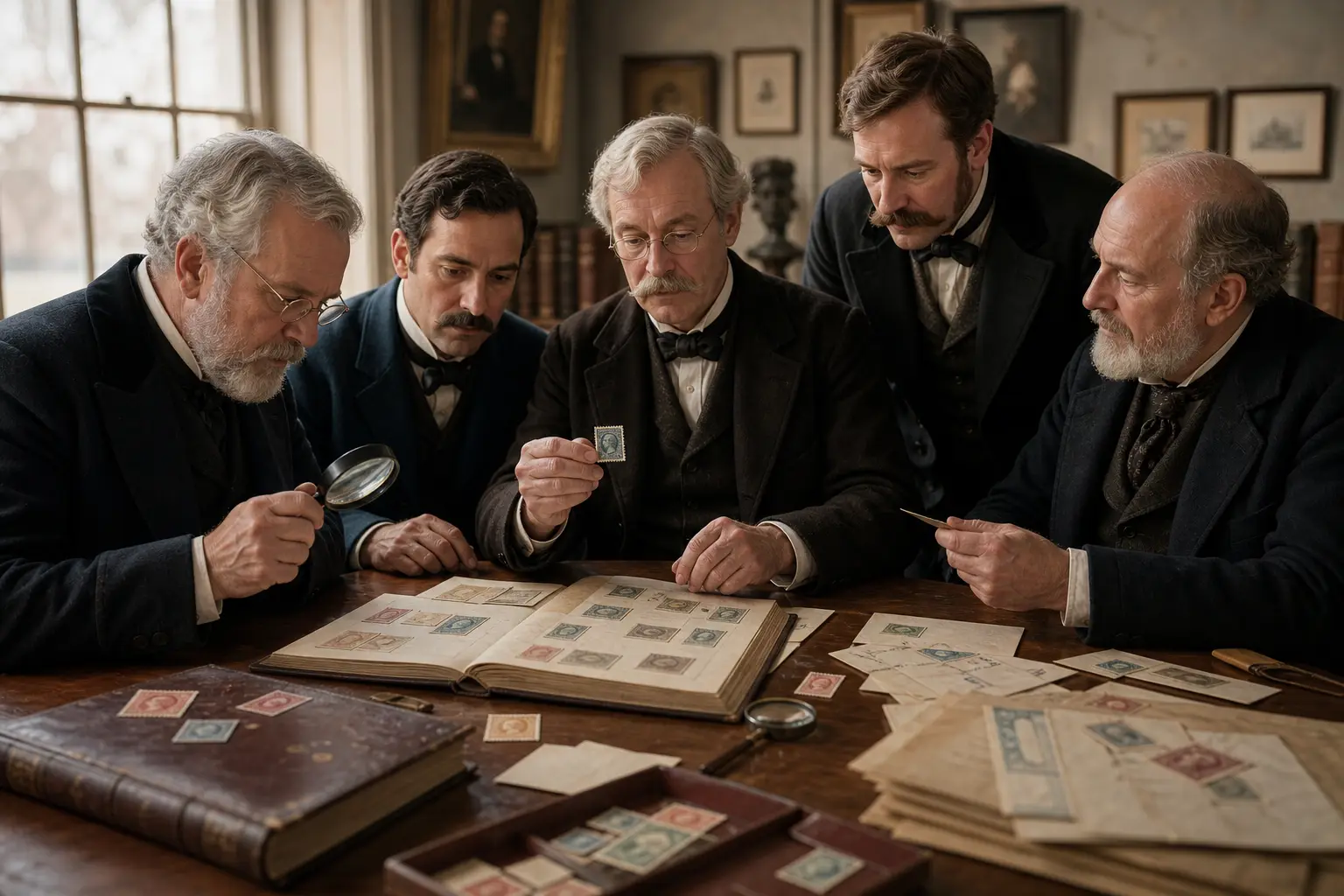
Stamp clubs became important in philatelic history because they gave collectors a place to compare material, exchange knowledge, and build reference resources together. The Smithsonian National Postal Museum describes organized philately as growing from collectors gathering to compare, discuss, and exchange stamps, with local clubs and societies forming around countries, periods, and subjects. That is the core historical shift: collecting moved from private accumulation into shared study and record-making.
This mattered because clubs did more than host social meetings. According to the Smithsonian, societies published research, created reference material, and helped collectors share specialist knowledge, while exhibitions gave collectors a structured way to present material and learn from other displays. Not every club offered the same services, but the historical pattern is clear: clubs helped convert scattered interest into an organized hobby with memory, methods, and records.
How the hobby grew into organized philately
The American Philatelic Society’s history shows that stamp collecting was already expanding in the United States by the 1850s, when enthusiasm began with a few collectors and then grew steadily for three decades. By the 1880s, the Society estimates there were about 25,000 stamp collectors in the United States. That scale helps explain why clubs and national structures began to appear: once a hobby reaches that size, collectors need regular ways to meet, compare notes, and solve identification problems together.
The same source places a major milestone in 1886, when prominent collectors discussed forming a national organization of philatelists. By April of that year, The Committee on National Organization had formed, and some 400 collectors indicated willingness to assist. The historical record then shows 219 proxies sent in, each paying twenty-five cents for the privilege of voting by proxy. This was not just administration; it shows collectors were already thinking in terms of shared governance, representation, and a durable philatelic community.
1886 and 1887: the practical services that made clubs matter
The American Philatelic Association was established in New York City on September 13, 1886, and the next day John K. Tiffany was elected president. The Association’s constitution stated that its objects were to assist members in acquiring knowledge in regard to philately, cultivate friendship among philatelists, and enable affiliation with similar societies in other countries. Those goals explain why clubs became historically important: they were designed to teach, connect, and link collectors across borders, not merely to meet occasionally.
The early service model was equally revealing. The Association’s Annual Conventions began on September 13, 1886 and have been held annually since. It created a Purchasing Department to help members obtain new issues or obsolete stamps at or near face value, an Exchange Department to facilitate the exchange of duplicate stamps, entire envelopes, and postal cards, and a Library Department that depended heavily on donations in its early growth. It also appointed E. A. Holton as counterfeit detector because fraudulent stamps were already a serious problem. These services show how clubs and associations became practical history-making institutions: they organized learning, access, and safeguards around the hobby.
Libraries, journals, and counterfeits: how clubs preserved stamp history
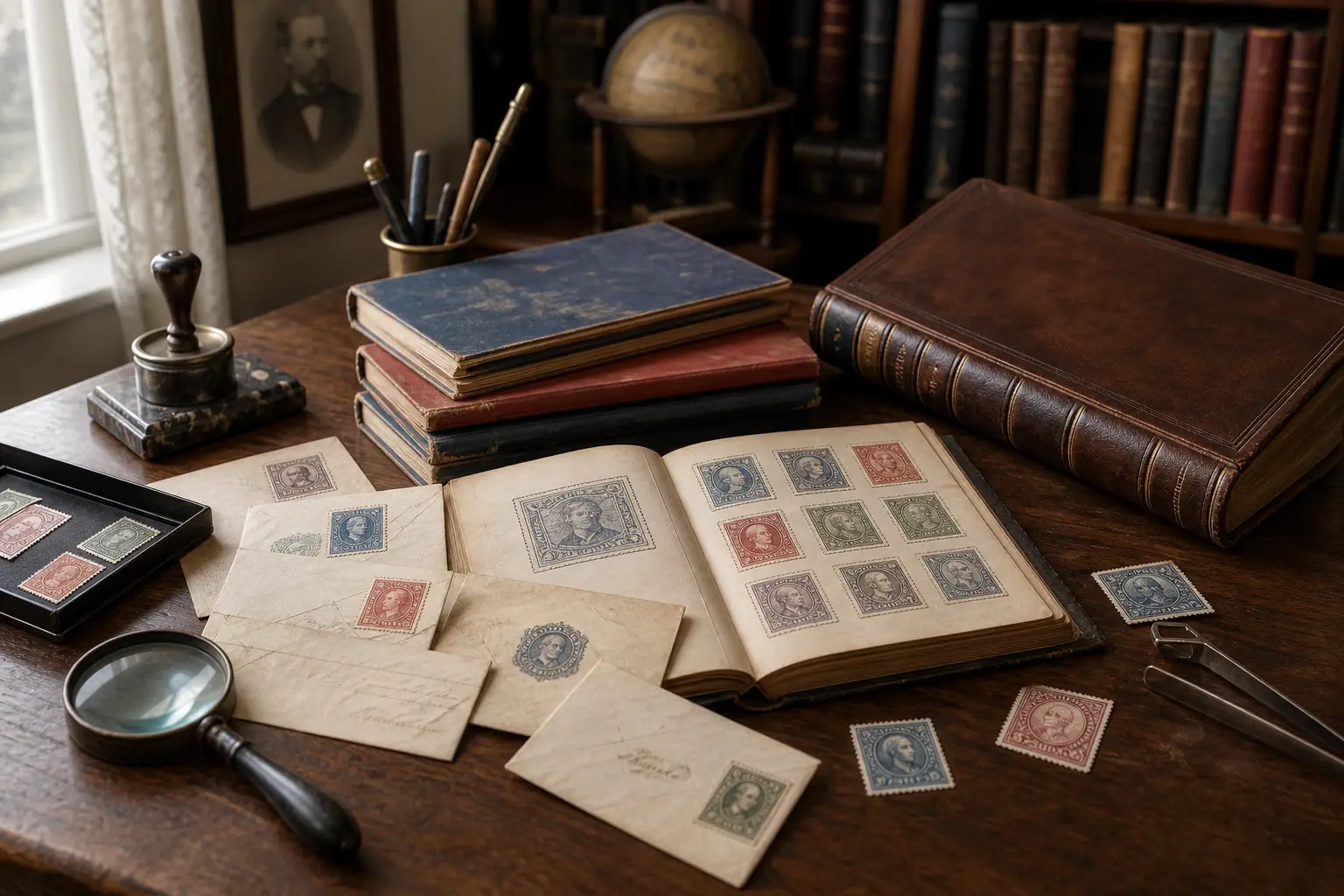
Philatelic clubs were not only places to trade or socialize; they helped preserve information. The American Philatelic Society records that its Library Department was still developing in the early days and depended to a great extent on donations for growth. That detail matters historically because it shows collections were supported by texts, handbooks, and reference material, not just by specimens. In 1887, the first five issues of The American Philatelist were published in Altoona, Pennsylvania, beginning on January 10, 1887, under editor W. R. Fraser. A journal like that gave collectors a way to share findings and maintain continuity across distance.
The Smithsonian’s description of societies publishing research and creating reference material fits this pattern. Clubs could turn private observations into shared written knowledge, which is one reason they became central to philatelic history. The American Philatelic Society’s appointment of a counterfeit detector also shows another historical function: clubs helped members respond to fraudulent material with organized expertise. That role should be understood as educational and protective, not as a guarantee that any individual item is genuine.
What this means for collectors using clubs today
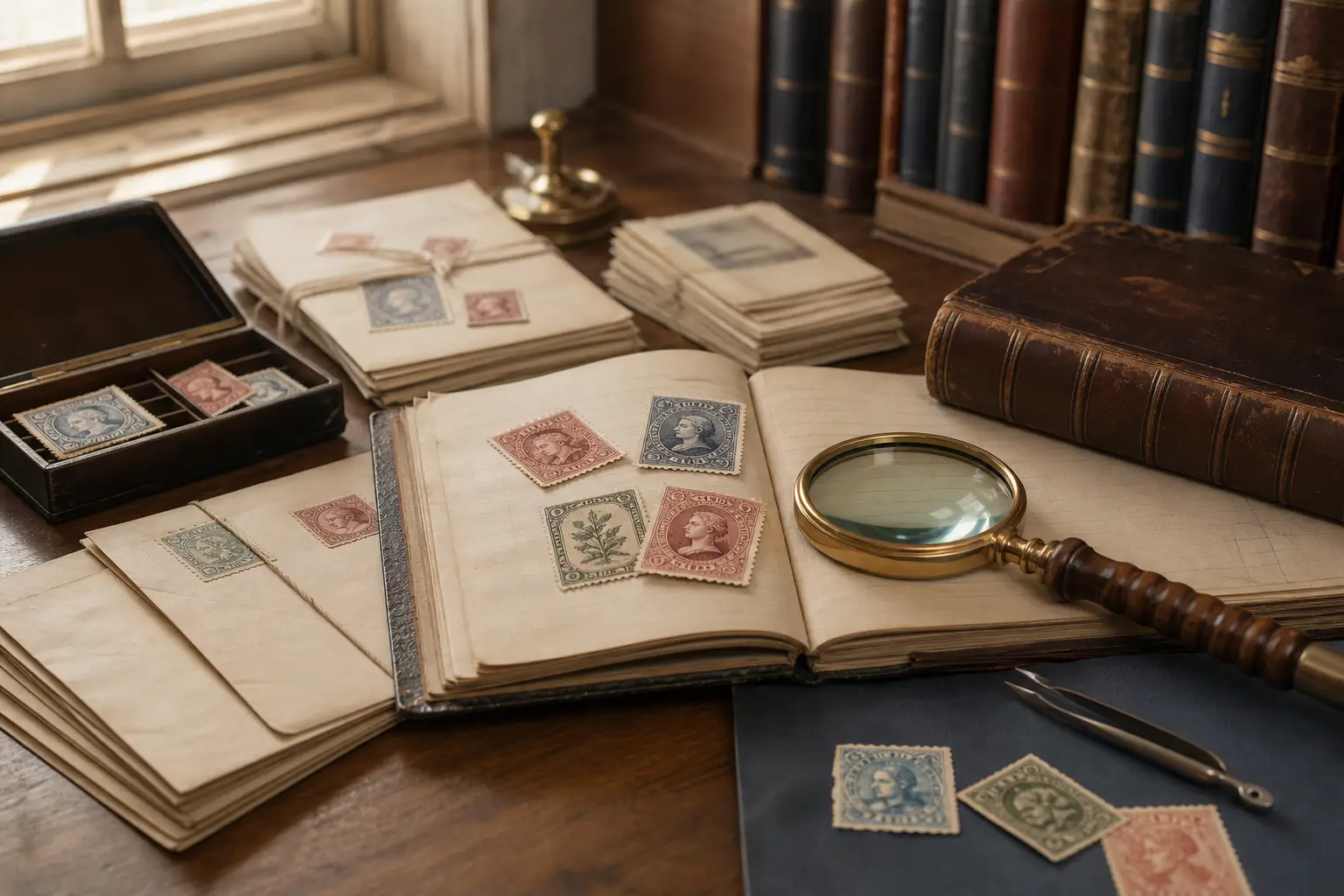
If you join a club today, the safest way to use it is as a learning and record-making environment. Bring stamps in a protective format, such as stock cards or envelopes, and ask for opinions as historical guidance rather than final authentication. If you use StampSnap to create a likely identification or collection record, treat that record as a starting point for further comparison with club literature, catalogs, and experienced collectors. Do not remove stamps from covers unless you already know that preserving the cover is not important for your collecting purpose.
Choose clubs that balance social activity with philatelic activity, because the APS notes that successful clubs have strong leadership and maximum participation, and that programs should reflect member interests. That practical advice still matches the historical record: clubs thrived when they served real collector needs, such as exchange, study, and speakers. A club is most useful when it helps you document what you own, understand why it matters, and compare your material with dated sources and published references.
A methodical way to learn from club resources without damaging material
Start by separating questions of history, condition, and value. History tells you when a design, society, or service began; condition describes the physical state of the item; value depends on many factors and is not fixed by a club meeting alone. When showing material, handle it with appropriate tools and avoid direct contact with fingers, tape, glue, or household chemicals. If a stamp is on cover, keep the cover intact until you have a reasoned collecting decision about it, because the postal context may be historically important.
Next, compare your item with the club’s reference books, journals, and displays. The Smithsonian account supports this approach because exhibitions allow collectors to learn from other displays, while societies create reference material and share specialist knowledge. Use that structure: observe, compare, note differences, and record uncertainty. This method is safer than rushing to a conclusion, and it respects the historical role clubs have played since the 1880s in building philatelic knowledge.
Why the history still matters now
The most important lesson from stamp club history is that philately advanced when collectors organized their knowledge. From the 1850s growth of the hobby, through the 1886 national organizing effort, to the 1887 journal and early library development, the record shows collectors building institutions so information would not vanish with one person’s collection. That is why clubs remain historically significant: they preserve continuity between material evidence and collector memory.
For modern collectors, the safest mindset is collaborative and cautious. Use clubs to learn how others document, compare, and describe material; use dated sources to anchor your conclusions; and treat uncertain identifications as provisional. The historical model set by early philatelic societies still works because it is methodical, communal, and evidence-based.
Frequently asked questions
Why were stamp clubs historically important?
They helped collectors compare stamps, share specialist knowledge, publish research, create reference material, and organize exchanges and exhibitions that strengthened philatelic study.
What dated milestones show the rise of organized philately?
The supplied evidence notes hobby growth from the 1850s, about 25,000 collectors in the United States by the 1880s, the 1886 organizing committee and proxies, the September 13, 1886 founding of the American Philatelic Association, and the January 10, 1887 start of The American Philatelist.
Did early stamp clubs only socialize?
No. The evidence shows they also supported purchasing, exchanges of duplicates and postal items, libraries, journals, and counterfeit detection. Those functions made them practical educational institutions.
Can a club confirm that a stamp is genuine?
Not as an official guarantee. Clubs can offer historical context and collector opinions, but any identification should be treated as guidance only and checked against references and careful examination.
How should I bring material to a club meeting safely?
Keep stamps in protective holders, avoid fingers on the face or gum, and do not use tape, glue, or household solvents. If a stamp is on cover, preserve the cover unless you have a specific collecting reason to separate it.