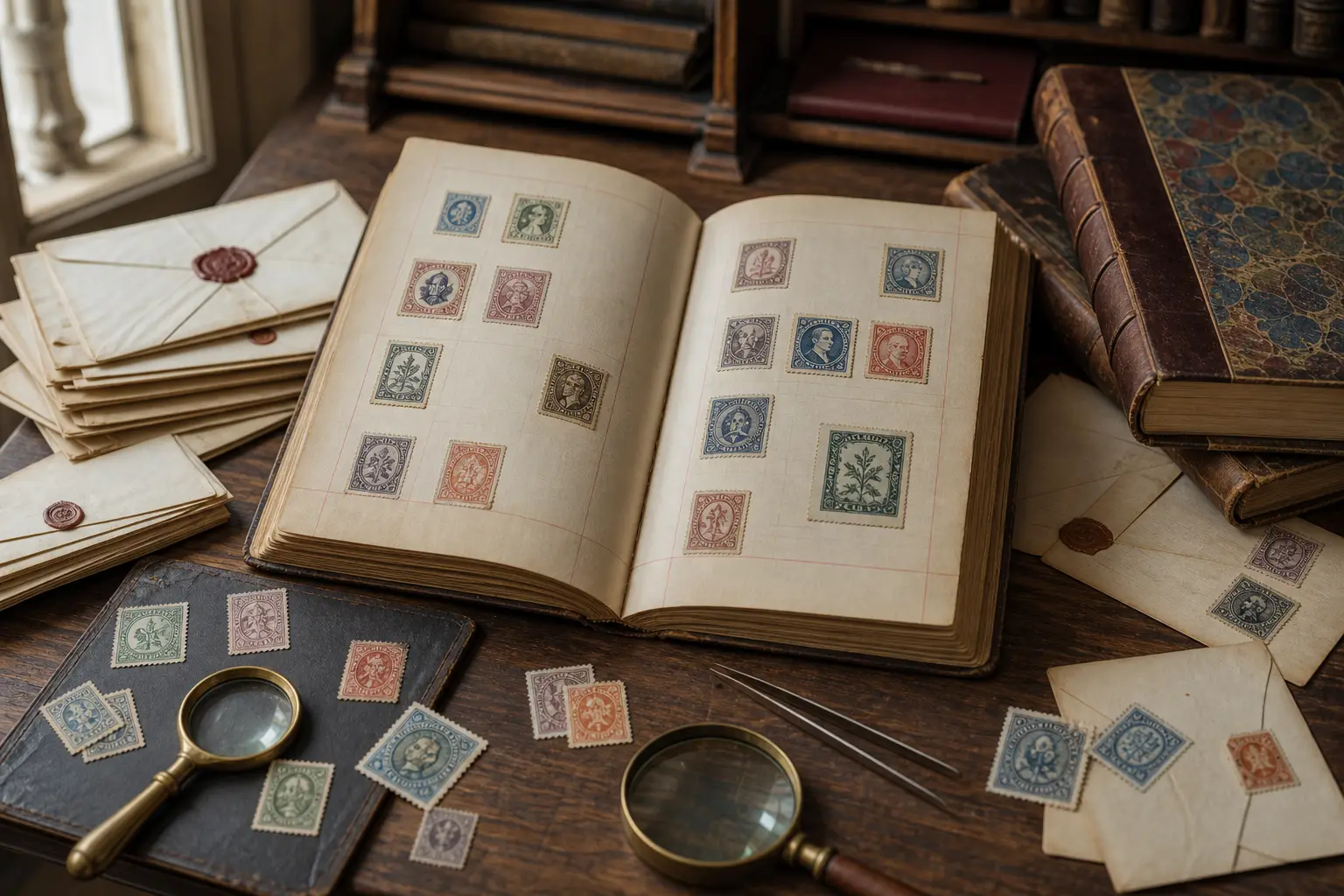
Short answer: clubs turned collecting into recorded knowledge
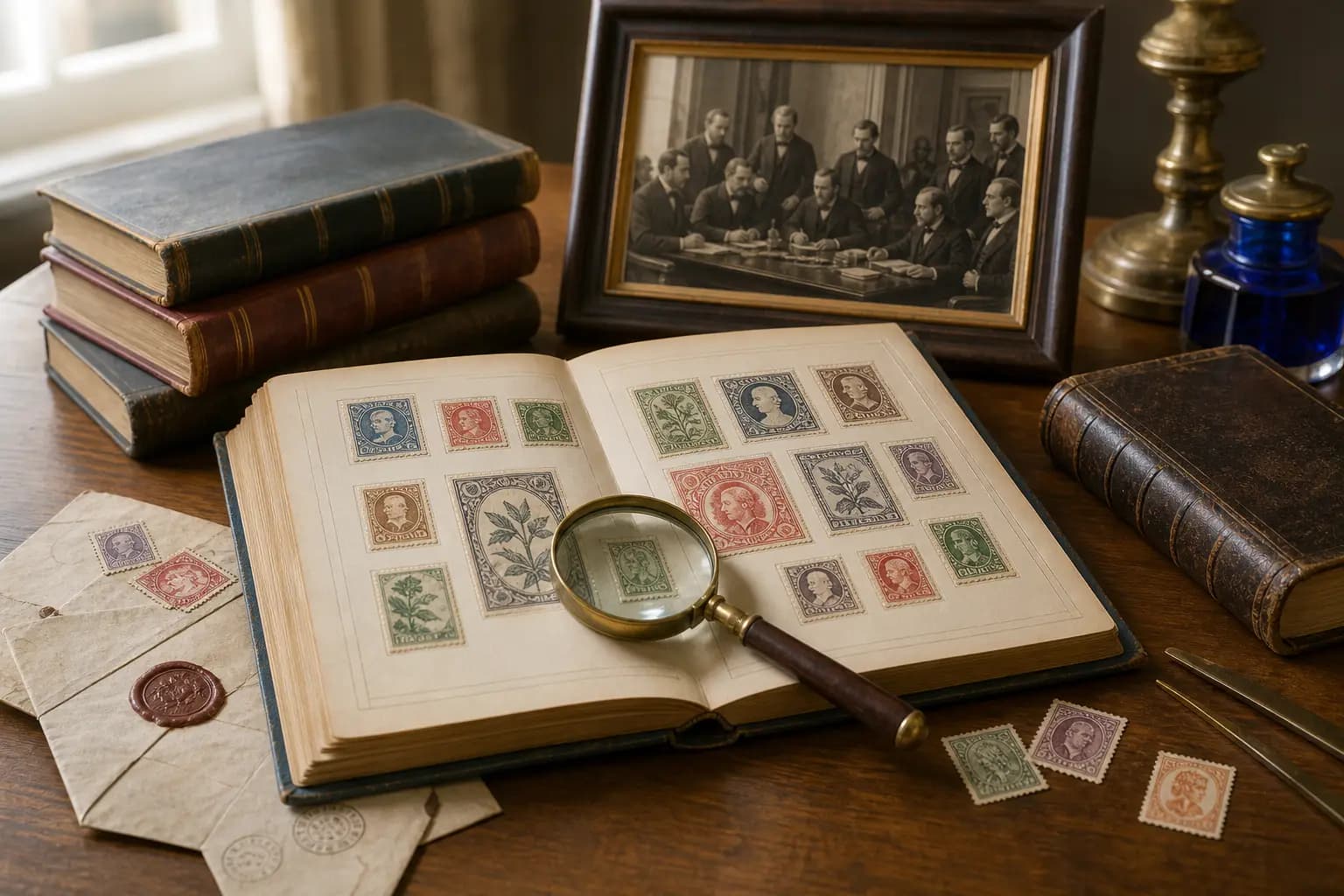
Philatelic clubs created the historical record of stamp collecting by giving collectors a place to compare, discuss, and exchange material, then turn that shared activity into publications, reference tools, and organized knowledge. The Smithsonian National Postal Museum describes organized philately as growing from collectors meeting to compare, discuss, and exchange stamps, with local clubs and societies forming around countries, periods, or subjects. Those groups did more than meet socially; they published research, created reference material, and helped collectors share specialist knowledge.
That matters historically because stamp collecting did not only grow through private cabinets and albums. It also grew through records made by societies, journals, libraries, conventions, and exhibitions. In other words, clubs did not simply reflect the hobby; they documented it. If you are trying to understand an old collection, club publications and society records can be as useful as the stamps themselves, especially when you need context for issues, varieties, or collecting practices in a given period.
A dated milestone: the 1880s and the founding of the APA
The American Philatelic Society states that stamp collecting grew steadily for three decades after starting with a few enthusiasts in the 1850s, and by the 1880s there were an estimated 25,000 collectors in the United States. In 1886, several prominent collectors began discussing a national organization, formed The Committee on National Organization in April, and circulated an announcement about the possible new body. Later that year, on September 13, 1886, a committee in New York City adopted the name American Philatelic Association.
This timeline is important because it shows a transition from scattered enthusiasm to formal record-making. The association’s constitution said its objects were to help members gain knowledge in philately, cultivate friendship among philatelists, and enable affiliation with similar societies in other countries. That combination of education, community, and international contact helped create durable records, not just local interest. A club can be social, but once it starts collecting minutes, issuing notices, and publishing journals, it becomes part of the historical archive of the hobby.
How clubs preserved history through journals, libraries, and exchanges
The American Philatelic Society’s early services show how a society can preserve history in practical ways. Its Exchange Department was designed to facilitate the exchange of duplicate stamps, entire envelopes, and postal cards among members using exchange books and boxes. Its Library Department was already being developed in the early days, with the society noting that it would depend greatly on donations while it was being established. Those are not just club conveniences; they are record-building tools because they keep material moving, described, and available for study.
The APS also published The American Philatelist beginning in January 1887, with the first five issues appearing in Altoona, Pennsylvania. Journals like that recorded what collectors were discussing, studying, buying, and exchanging at the time. The society also appointed a counterfeit detector because fraudulent stamps were already a concern. That detail shows another historical function of clubs: they helped collectors separate reliable information from misleading material, even in the hobby’s early years. For today’s collector, those older journals and library holdings may help explain how a stamp was understood in its own period.
Why club records matter more than club meetings
Meetings are temporary; records endure. The Smithsonian source notes that societies published research, created reference material, and helped collectors share specialist knowledge. That means the historical value of a club is often measured by what it leaves behind: journals, handbooks, program notes, exhibition lists, membership records, and research articles. Some organizations also focused on particular countries, periods, or subjects, which makes their surviving material especially useful when you are tracing the history of a niche collecting area.
Exhibitions also helped build the historical record by giving participants a structured way to present collections, learn from other displays, and compete for recognition. A display may be temporary, but the write-ups, catalogue notes, and discussion around it can remain useful long after the event. That is one reason philatelic history is not just the history of stamps; it is also the history of collectors explaining their material to one another in written form.
What this means for identifying and documenting your own collection
If you are researching a stamp or a group of stamps, start with context before you start with conclusions. Note the country, design type, cancellation, watermark if visible by safe observation, and any information already written on envelopes, album pages, or stock cards. Then compare those notes with society publications, exhibition catalogues, and specialist references where available. A tool such as StampSnap can help you create a likely identification or collection record, but it should be treated as a working record, not an official determination.
Be careful with material that could be fragile or valuable. Do not remove stamps from covers just to make them easier to study, and do not use household solvents, tape, or glue. If you are dealing with a damp or delicate item, let it dry safely and handle it with appropriate tools. The aim is not only to identify the stamp but also to preserve the evidence around it, because that evidence is often part of the history you are trying to reconstruct.
A safe method for researching club history and stamp history together
A methodical approach works best. First, record what you can see without altering the item. Second, compare those observations with published society material, especially journals and historical notes from organizations that covered the relevant country, period, or subject. Third, separate what is directly supported by evidence from what is only a reasonable guess. If a club publication mentions an issue, a variety, or a collecting trend, treat that as period evidence; if it does not, do not force the connection.
This is where philatelic clubs remain historically important even now. Their publications and archives help collectors understand when a knowledge point was current, how it was discussed, and what evidence was considered persuasive at the time. That makes club history useful far beyond nostalgia. It is a practical research tool that helps collectors build better records, avoid unsupported assumptions, and preserve the context that gives stamps their historical meaning.
The bigger historical lesson
The big lesson is simple: philatelic clubs did not merely host collectors, they helped turn collecting into a documented field. The APS history shows a clear path from 1850s enthusiasm, to an estimated 25,000 U.S. collectors in the 1880s, to the 1886 formation of a national association and the 1887 launch of a society journal. The Smithsonian account adds the broader pattern: clubs and societies published research, created reference material, and enabled specialist exchange.
So when you look at the history of philately, you are also looking at the history of its institutions. Clubs preserved what collectors knew, how they learned it, and how they passed it on. That is why their records still matter to anyone who wants to understand stamps in historical context rather than as isolated objects.
Frequently asked questions
What did philatelic clubs actually do for stamp history?
They brought collectors together to compare and exchange stamps, then turned that activity into journals, research, reference material, libraries, and exhibition records.
When did organized philately begin to take shape in the supplied sources?
The Smithsonian source traces organized philately to collectors gathering to compare, discuss, and exchange stamps, while the APS source gives a dated U.S. milestone in 1886 with the formation of the American Philatelic Association.
Why are journals and libraries so important in philately?
Because they preserve what collectors were studying and discussing at the time, making them historical evidence rather than just club paperwork.
Can a club publication help me identify a stamp?
Yes, if it directly discusses the relevant country, period, design, or variety. Use it as supporting evidence, and keep the identification tentative if the source does not clearly match your item.
Should I alter a stamp to research its history more easily?
No. Do not remove stamps from covers or use household solvents, tape, or glue. Preserve the item and its context first, then research it safely.