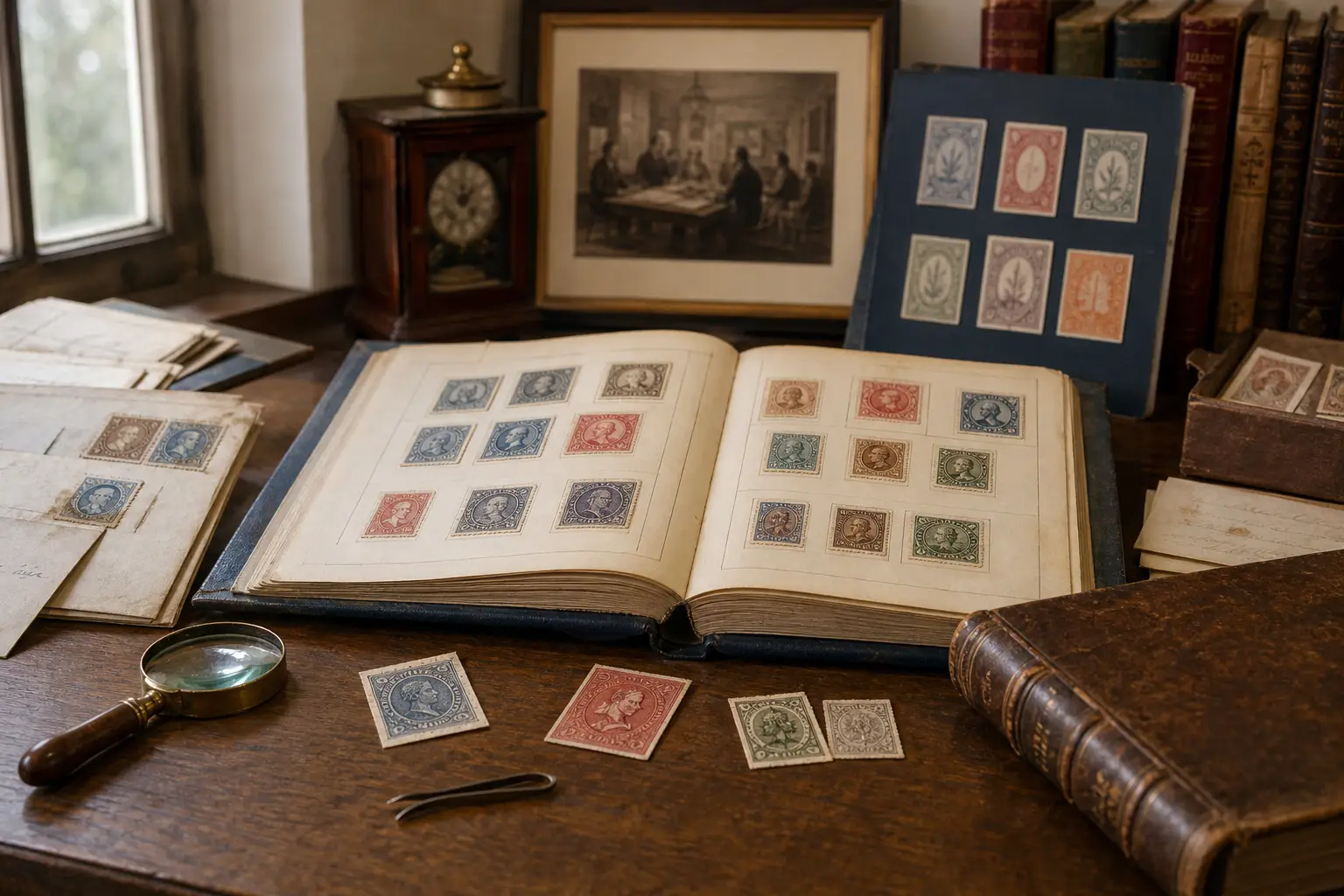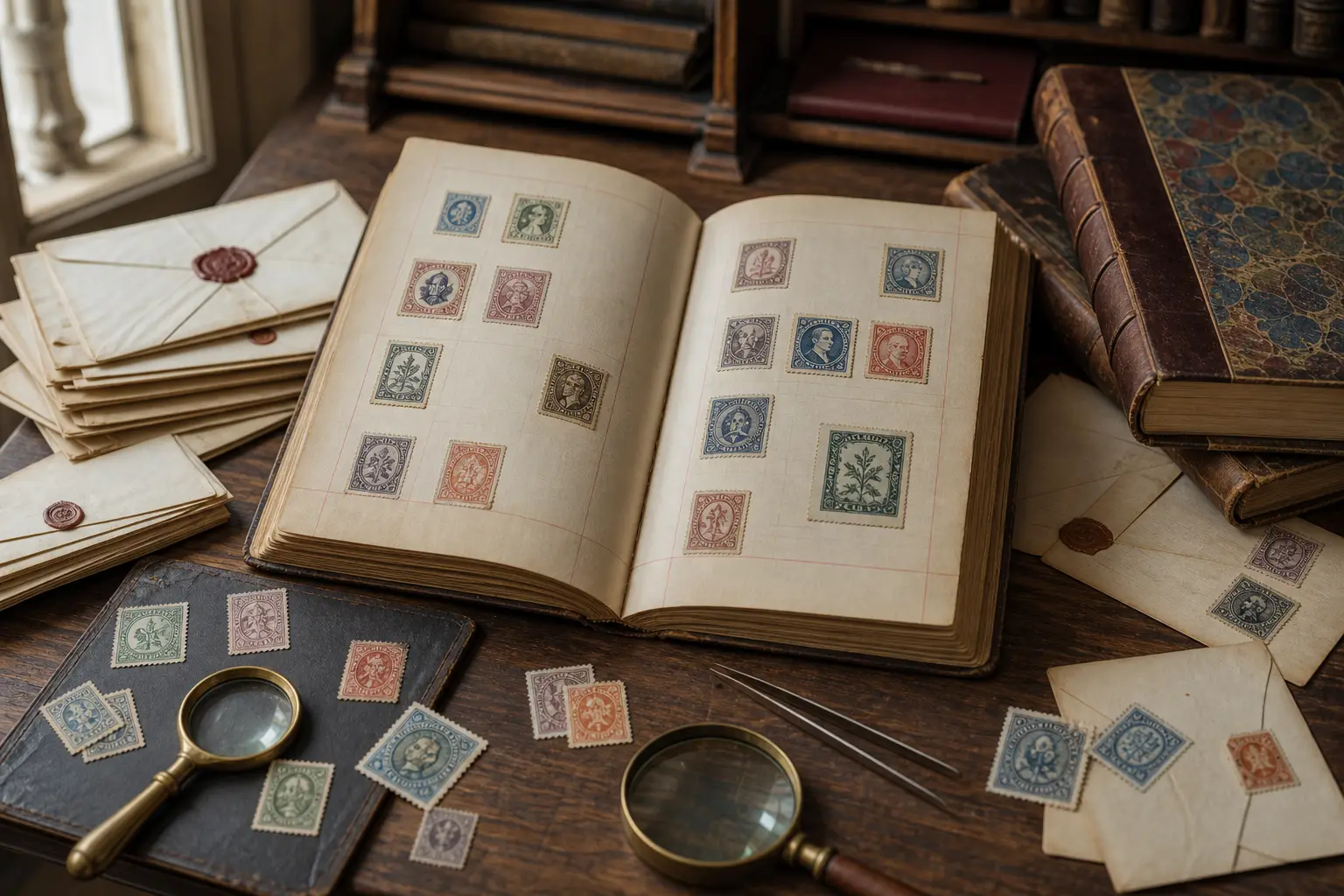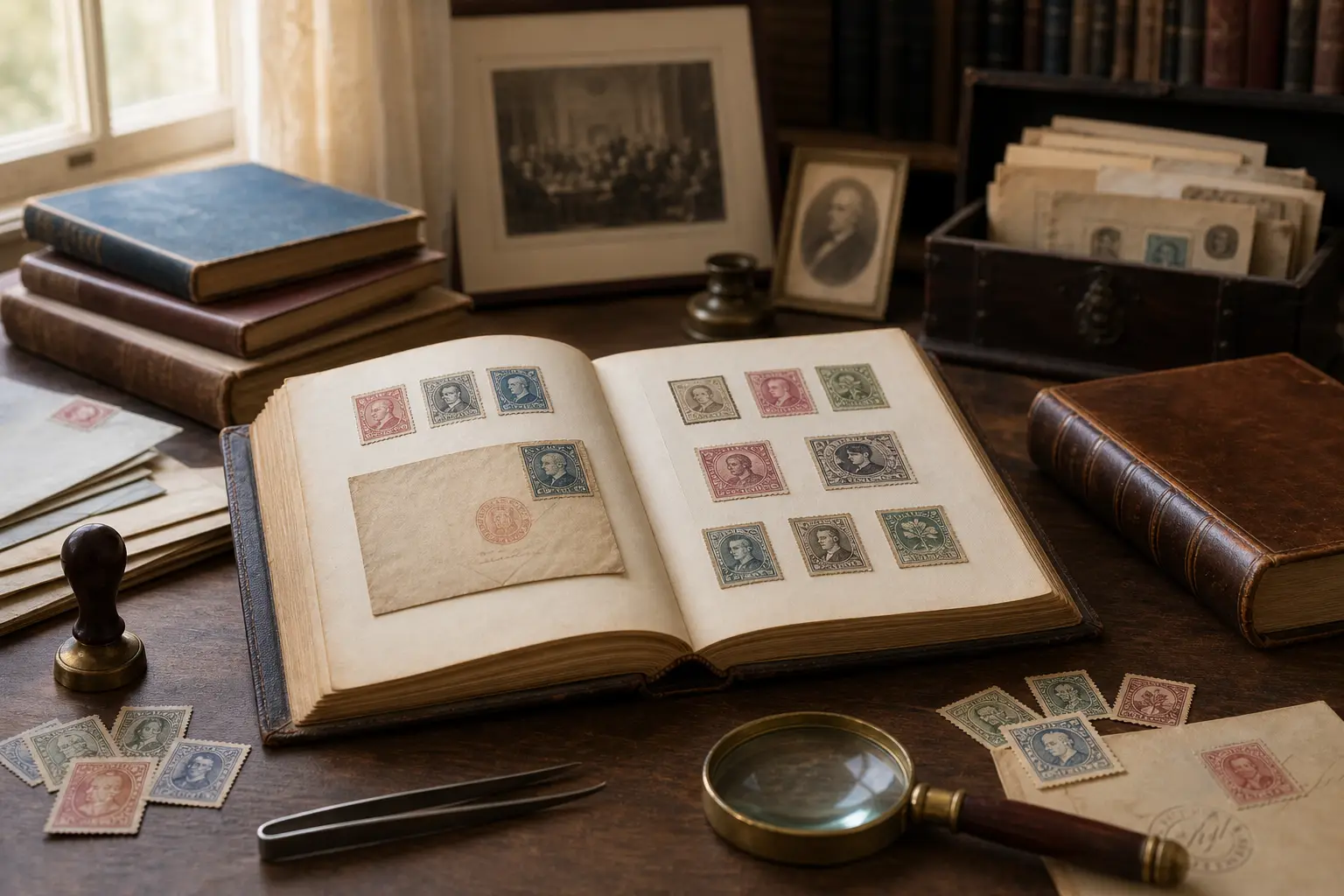
Short answer: clubs turned collecting into organized philately
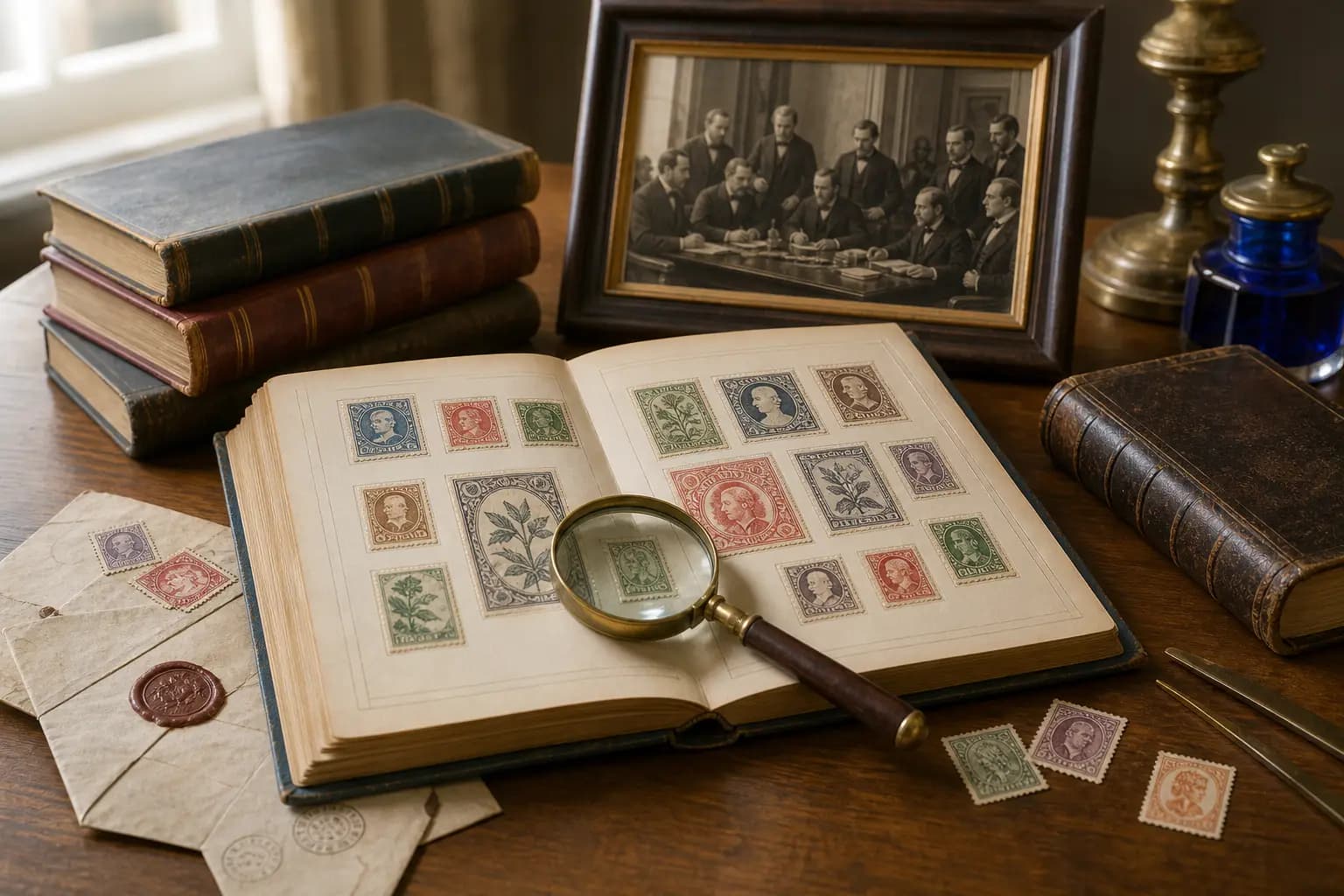
Philatelic clubs shaped stamp history by giving collectors a place to compare material, exchange duplicates, and build shared knowledge. In the sources supplied, the Smithsonian National Postal Museum describes organized philately as beginning with collectors gathering to compare, discuss, and exchange stamps. That simple habit grew into local clubs and societies devoted to countries, periods, or subjects.
The American Philatelic Society’s history also shows how quickly collecting became organized. It says stamp collecting grew steadily from a few enthusiasts in the 1850s, reaching an estimated 25,000 collectors in the United States by the 1880s. In 1886, prominent collectors discussed forming a national organization, which became the American Philatelic Association later that year. Those milestones matter because they show the move from private collecting to a public, structured hobby with records, services, and standards.
Why meetings mattered in the 1880s
Meetings were more than social events. The APS history says the new association’s constitution aimed to help members gain knowledge in philately, cultivate friendship among philatelists, and connect with similar societies in other countries. That combination of learning, fellowship, and wider contact helped stamp study become a shared practice rather than an isolated pastime.
The same history notes that some 400 collectors said they were willing to help found the organization, and 219 sent proxies to vote. The committee that met in New York City on September 13, 1886 adopted the name American Philatelic Association. This is a useful dated milestone because it shows collectors acting together to build a national framework for study, exchange, and communication.
How clubs created reference material and preserved knowledge
The Smithsonian source says these organizations did more than provide social meetings: societies published research, created reference material, and helped collectors share specialist knowledge. That is one of the main reasons clubs matter in history. They did not just bring collectors together; they helped convert what members knew into written material that other collectors could use later.
The APS history gives a concrete example with its journal. It says the first five issues of The American Philatelist were published in Altoona, Pennsylvania, beginning on January 10, 1887. Even when titles or publication arrangements changed, the underlying historical point remains the same: club publishing helped turn local knowledge into a durable record. For collectors today, that means older club literature can still be valuable for identifying varieties, tracing usage, or understanding how earlier collectors described material.
Library, exchange, and purchasing services
The APS history also shows that early organized philately provided practical services. It lists an Exchange Department to facilitate the exchange of duplicate stamps, entire envelopes, and postal cards among members. It also describes a Purchasing Department that helped members obtain new issues or obsolete stamps at or near face value, with better prices when more members took part. These services made collecting easier and encouraged members to handle, sort, and study material together.
Another early service was a Library Department. The history notes that, although the department was not yet ready for full member use at first, donations were expected to support its growth. This matters historically because libraries turn scattered examples and opinions into reference tools. In collector terms, a club library can help verify terms, compare issues, and support more careful cataloging without relying on guesswork.
How exhibitions and recognition helped standardize collecting
The Smithsonian account says exhibitions gave participants a structured way to present collections, learn from other displays, and compete for recognition. That kind of display culture helped stamp collecting become more disciplined. When collectors know their material will be viewed by others, they often organize it more carefully and document it more clearly.
This does not mean every club or society offered the same programs, and the museum’s account specifically warns against assuming that all organizations provide identical services. Still, exhibitions encouraged comparison and explanation, which are central to philatelic study. They helped collectors move from simply owning stamps to presenting evidence, comparing choices, and learning from how others arranged and described their material.
What club history means for collectors now
For a modern collector, club history is useful because it explains why reference habits matter. If a club or society published a checklist, journal article, or exhibit write-up, that material may preserve information that was current when the item was collected or studied. That is especially helpful for historical questions where later reprints or summaries may have lost detail.
A practical approach is to record what you can verify, note where the information came from, and keep descriptions separate from assumptions. If you are building a collection record in StampSnap, use it to store identification notes, dates, and the source of any claim rather than as an appraisal tool. That keeps your history notes usable even when an issue, cancel, or print detail remains uncertain.
A safe method for researching club-produced material
Start by checking whether a club, society, or journal article names the issue, period, or subject you are studying. Then compare the wording against trusted reference material and keep track of differences in terminology, since older writers often described the same stamp or cover in different ways. When records disagree, note the disagreement instead of forcing a single answer.
Handle fragile club literature, covers, and album pages carefully. Use clean hands or appropriate tools, avoid folding or pressing old paper, and do not attempt cleaning methods that could alter the item. For historically important material, the safest course is to preserve condition first and research second, because the object itself may carry evidence that cannot be replaced once damaged.
Frequently asked questions
What did early philatelic clubs do for collectors?
They helped collectors compare stamps, exchange duplicates, build knowledge, publish research, and create reference material, as described in the supplied Smithsonian and APS sources.
When did organized philately begin to take shape in the sources provided?
The APS history says collecting grew from a few enthusiasts in the 1850s, reached an estimated 25,000 collectors by the 1880s, and the American Philatelic Association was formed in 1886.
Did all stamp clubs offer the same services?
No. The Smithsonian source specifically says not to assume every organization offers the same services, even though many shared goals such as exchange, education, research, and exhibiting.
Why are club journals important to stamp history?
They preserve research and specialist knowledge in written form. The APS history gives The American Philatelist as an early example, first published in 1887.
How should I record historical notes safely?
Record only what you can verify, note your source, and preserve the item without risky handling. Use a collection record tool for notes and identification details, not for appraisal.