Short answer: clubs turned stamp collecting into a shared discipline
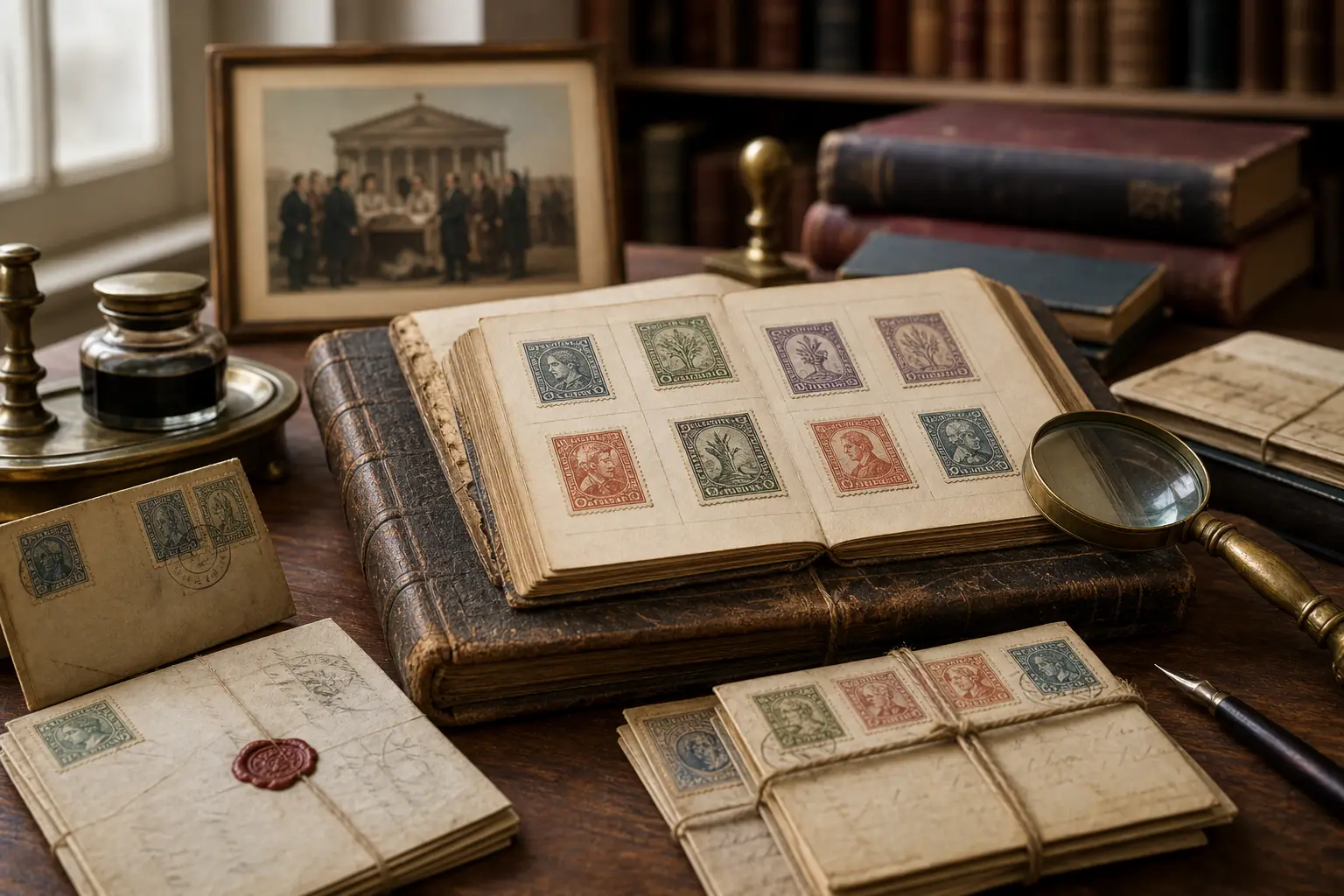
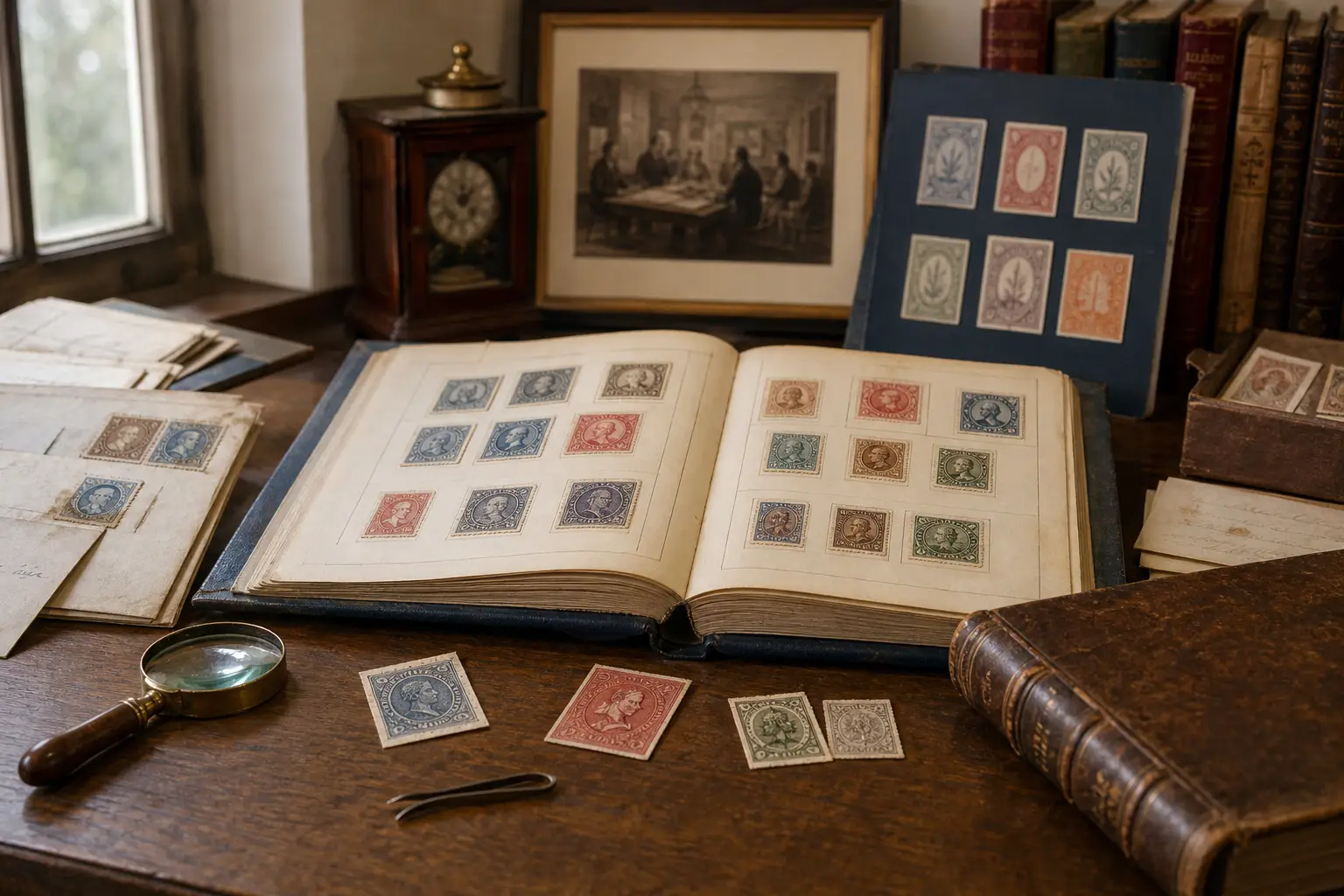
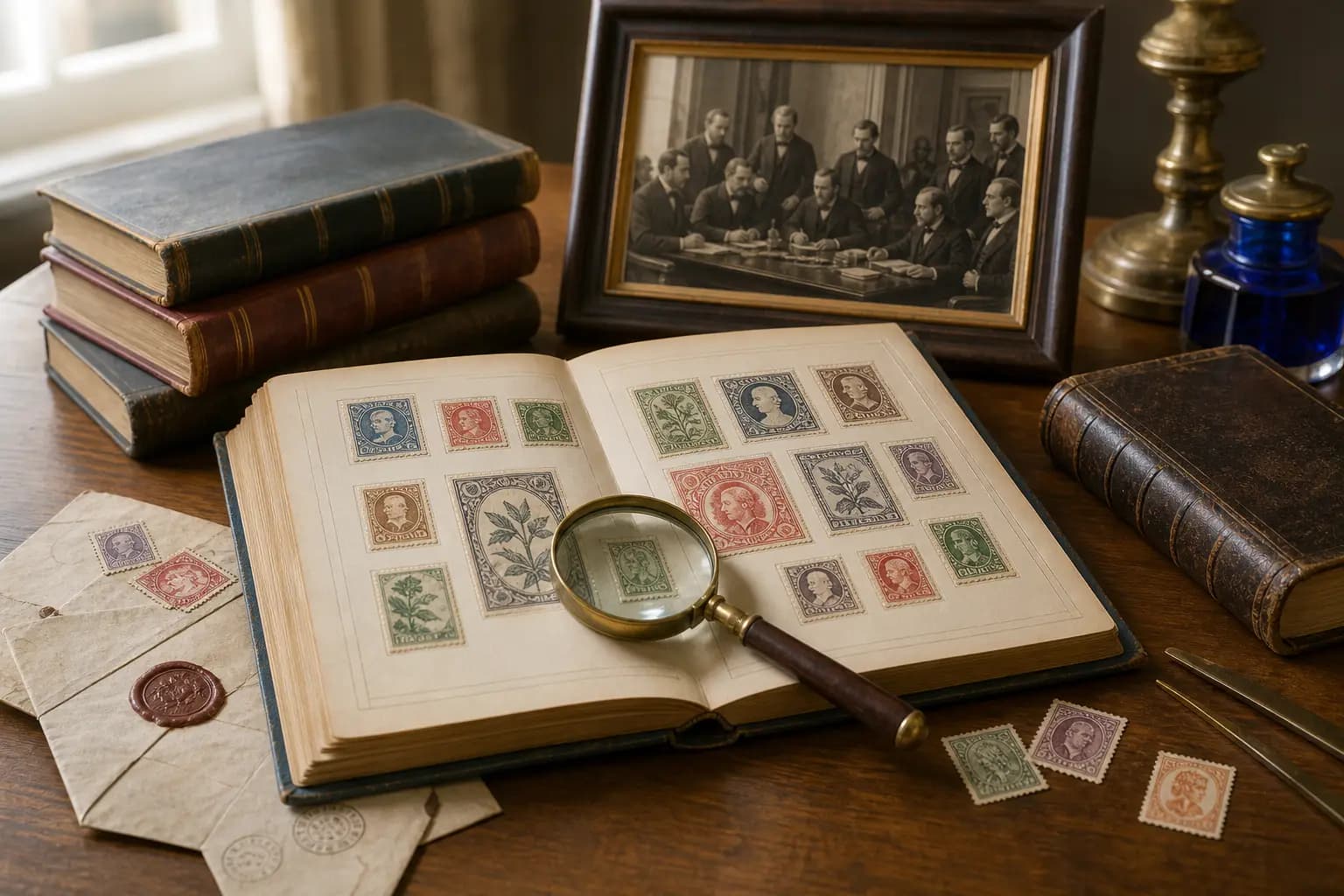
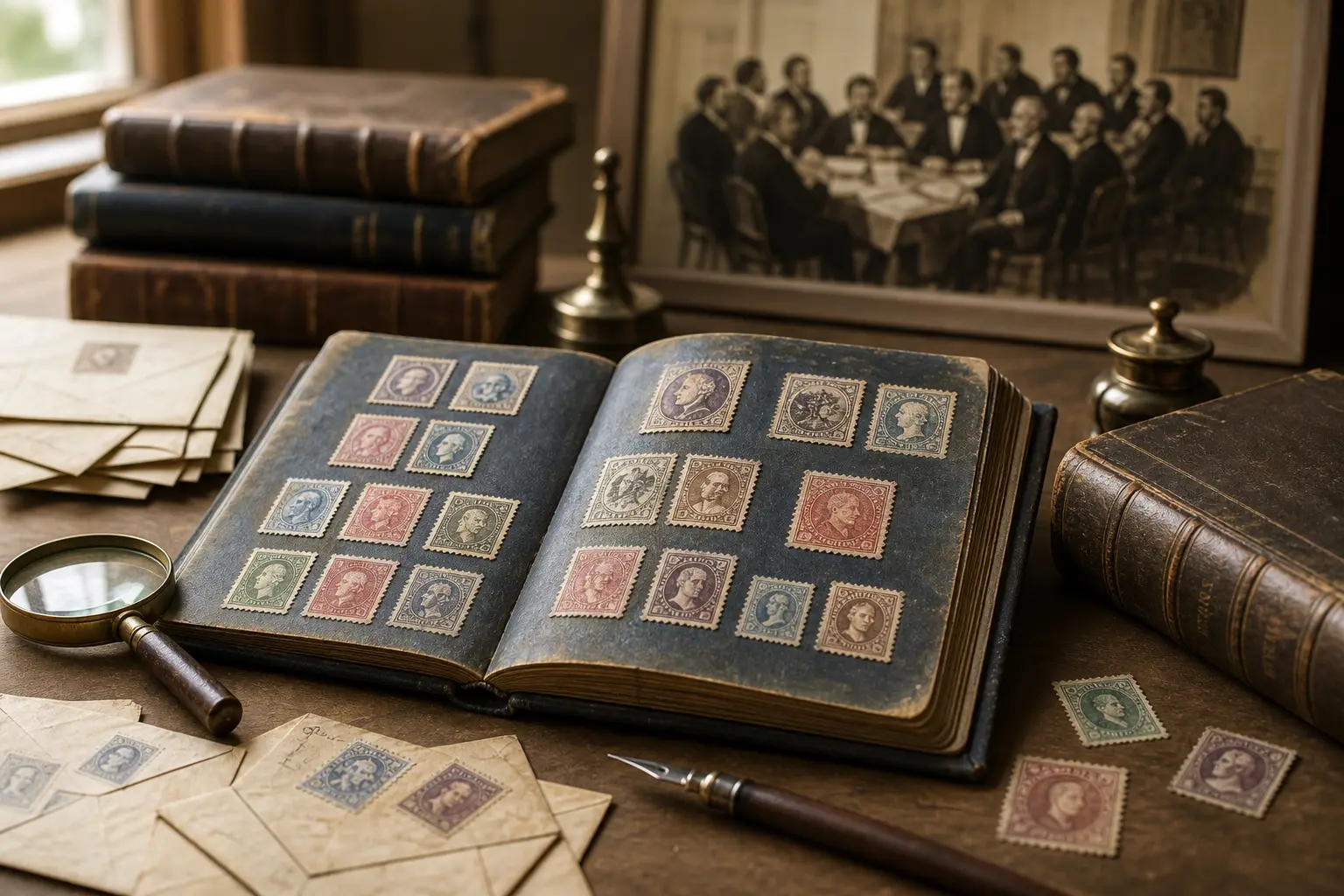
Philatelic clubs shaped stamp history by giving collectors a place to compare stamps, exchange material, publish information, and build specialist knowledge. In the evidence supplied here, the Smithsonian National Postal Museum describes organized philately as growing from collectors who gathered to compare, discuss, and exchange stamps, while the American Philatelic Society shows how that activity quickly became formal organisation.
That mattered because a hobby becomes historical only when people record it, debate it, and pass knowledge on. Clubs did not just create social meetings. They helped turn private collecting into a public practice with rules, journals, reference material, exhibitions, and member services. If you are trying to understand a stamp’s background today, a club record or published note can be as useful as the stamp itself, and tools like StampSnap may help you create a likely identification or collection record without claiming certainty.
From scattered enthusiasm to organised philately
The APS history page gives a clear timeline. It says stamp collecting began to build in the 1850s, and by the 1880s there were an estimated 25,000 stamp collectors in the United States. In 1886, several prominent collectors discussed forming a national organisation of philatelists, and by April of that year they had formed the Committee on National Organization. Some 400 collectors indicated willingness to assist, and 219 sent proxies to vote.
A committee met in New York City on 13 September 1886 and adopted the name American Philatelic Association. The next day John K. Tiffany was elected president. The preamble to the constitution explained the group’s aims: to help members acquire knowledge in philately, to cultivate friendship among philatelists, and to enable them to affiliate with members of similar societies in other countries. That is a practical reminder that stamp history was not built only by stamps, but by the people who organised around them.
Meetings, exchanges, and journals preserved knowledge
The APS history page shows how early organisational work became useful in daily collecting. Annual conventions began with the first meeting on 13 September 1886 and have been held annually since. The association also created an exchange department to facilitate the exchange of duplicate stamps, entire envelopes, and postal cards among members using exchange books and boxes. Those systems helped collectors move material through the hobby and, just as importantly, helped information move with it.
The same history notes a library department that depended in part on donations in the early days, and a counterfeit detector appointed because fraudulent stamps were already a problem. The first issues of The American Philatelist appeared in January 1887. That combination of meetings, library support, and publication gave collectors a way to keep records, learn from each other, and compare material against shared standards instead of relying only on private opinion.
Why clubs mattered beyond the local meeting room
The Smithsonian National Postal Museum explains that shared interests encouraged the formation of local clubs and societies devoted to particular countries, periods, or subjects. Those organisations did more than meet socially: they published research, created reference material, and helped collectors share specialist knowledge. Exhibitions gave participants a structured way to present collections, learn from other displays, and compete for recognition.
That description helps answer a common collector question: why do clubs matter if you collect alone? The answer is that history is cumulative. A single collector may notice a paper difference or a watermark, but a club can preserve the finding, discuss it with others, and make it available in print or exhibition form. The museum’s wording is careful, and so should we be: not every club offers every service. But the historical pattern is clear. Clubs were institutions for exchange, education, research, and exhibiting.
How club systems supported research and attribution
Once clubs existed, they could support research in ways that individuals rarely could on their own. The APS constitution aimed to help members acquire knowledge, and its early services supported that aim through exchanges, library access, and a counterfeit detector. The Smithsonian account adds that societies published research and created reference material. Together, these details show how club structures turned repeated observations into usable knowledge.
For collectors today, that history is a useful model for safe and methodical work. Compare your stamp with reliable references, record what you observe, and note uncertainty when the evidence is incomplete. If you use StampSnap, treat it as a record-making aid rather than a final authority. The historical lesson from clubs is not speed; it is documentation. Careful notes, shared language, and repeatable comparisons are what allow later collectors to benefit from earlier ones.
Exhibitions and recognition made collecting visible
The Smithsonian National Postal Museum notes that exhibitions gave collectors a structured way to present collections, learn from other displays, and compete for recognition. That matters historically because exhibitions turned private holdings into public evidence. A well-arranged display could show themes, varieties, postal history, or country studies in a form that others could question and improve.
This public side of philately helped define standards for explanation and presentation. Instead of keeping discoveries hidden in albums, collectors had a reason to write labels, organise material logically, and think about what another specialist would need in order to understand it. That process did not make every claim true, but it made claims visible and therefore testable. In that sense, club exhibitions helped move stamp collecting from possession toward scholarship.
What this history means for modern collectors
The practical lesson is simple: philatelic clubs shaped history because they converted individual interest into shared method. The evidence supplied here shows a progression from enthusiasm in the 1850s, to a large collecting public by the 1880s, to the formation of a national body in 1886, to journals, exchanges, libraries, and annual conventions. The Smithsonian account shows the same pattern in broader form: collect, compare, publish, and preserve.
If you collect now, you are part of that same long chain of record keeping. You do not need a club to work carefully, but you can borrow its best habits: compare before deciding, note uncertainty, keep references, and preserve context. That is especially useful when identifying similar stamps or building a topic collection. History in philately is not only about old stamps; it is also about the systems collectors built to understand them.
Frequently asked questions
How did philatelic clubs shape stamp history?
They gave collectors a place to compare stamps, exchange material, publish research, build reference material, and preserve specialist knowledge, turning collecting into an organised historical practice.
What is the earliest milestone mentioned in the source evidence?
The APS history says stamp collecting began to build in the 1850s, and by the 1880s there were an estimated 25,000 collectors in the United States.
What happened in 1886?
In 1886 collectors discussed forming a national organisation, formed the Committee on National Organization by April, and then adopted the name American Philatelic Association on 13 September 1886.
Did all clubs offer the same services?
No. The Smithsonian account specifically says the museum supports describing clubs as institutions for exchange, education, research, and exhibiting without assuming every organisation offers the same services.
How should a collector use this history today?
Use it as a model for careful work: compare with references, record uncertainty, keep notes, and treat any identification aid, including StampSnap, as a way to organise information rather than as a final authority.