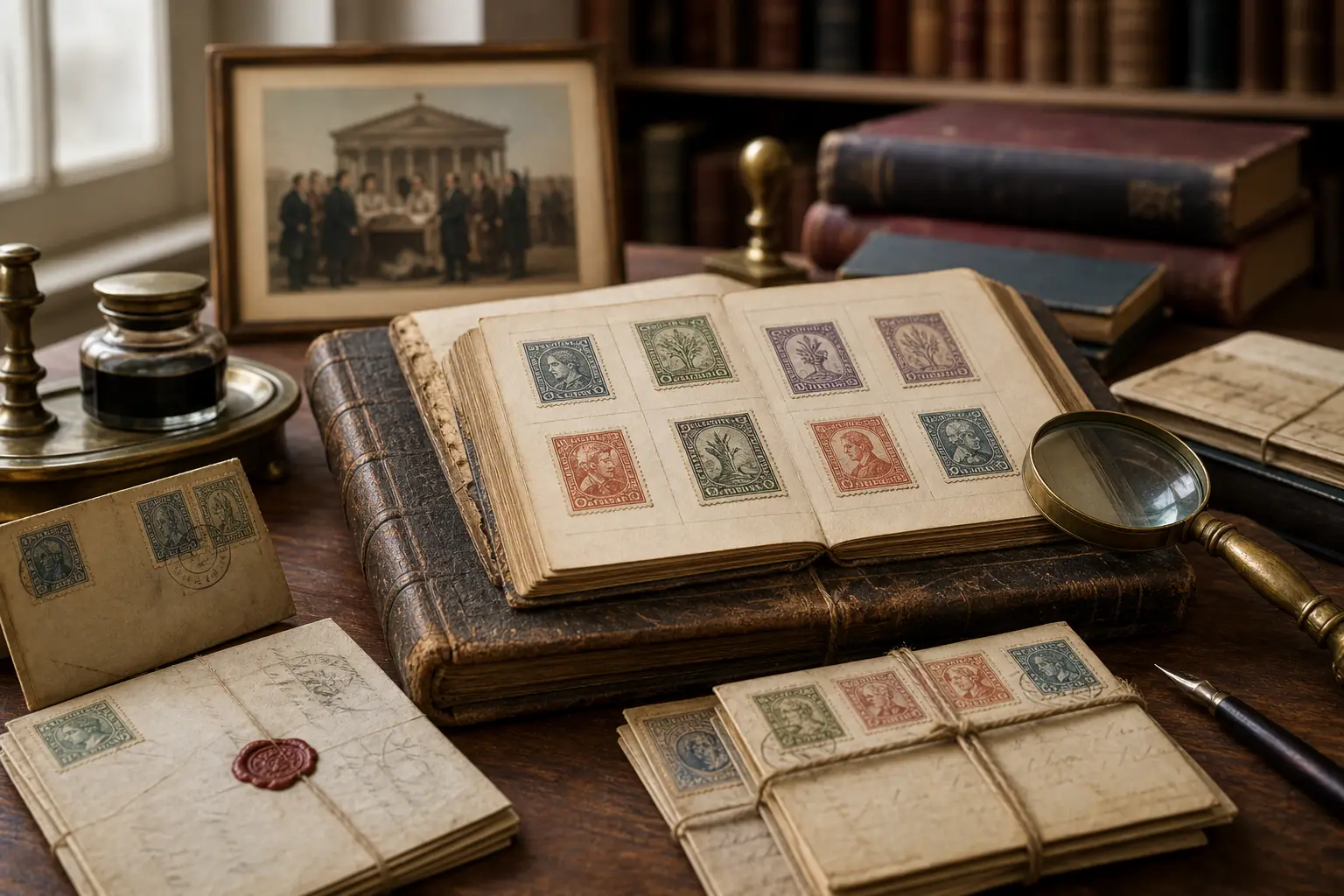
The short answer: clubs preserved knowledge by making it shareable
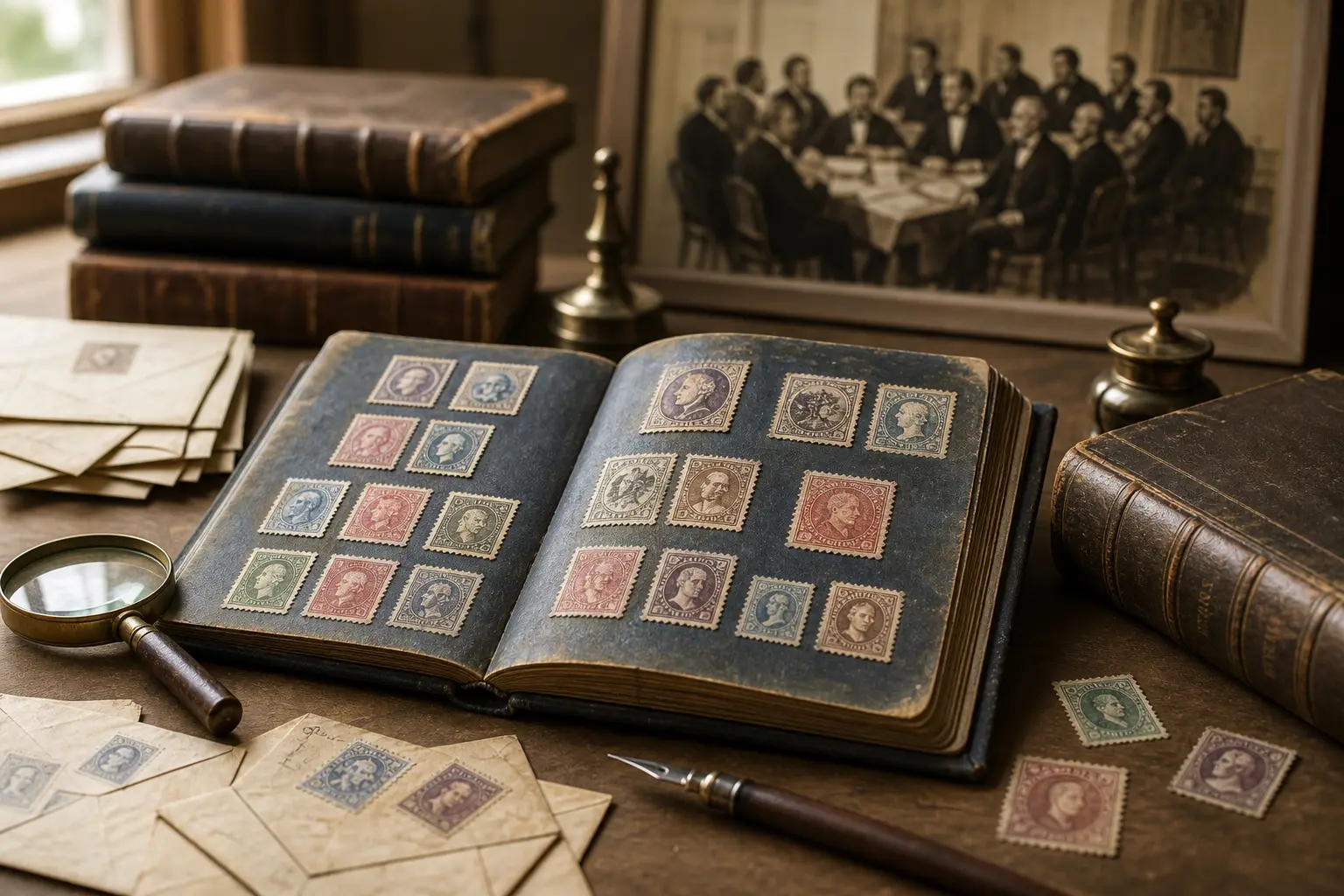
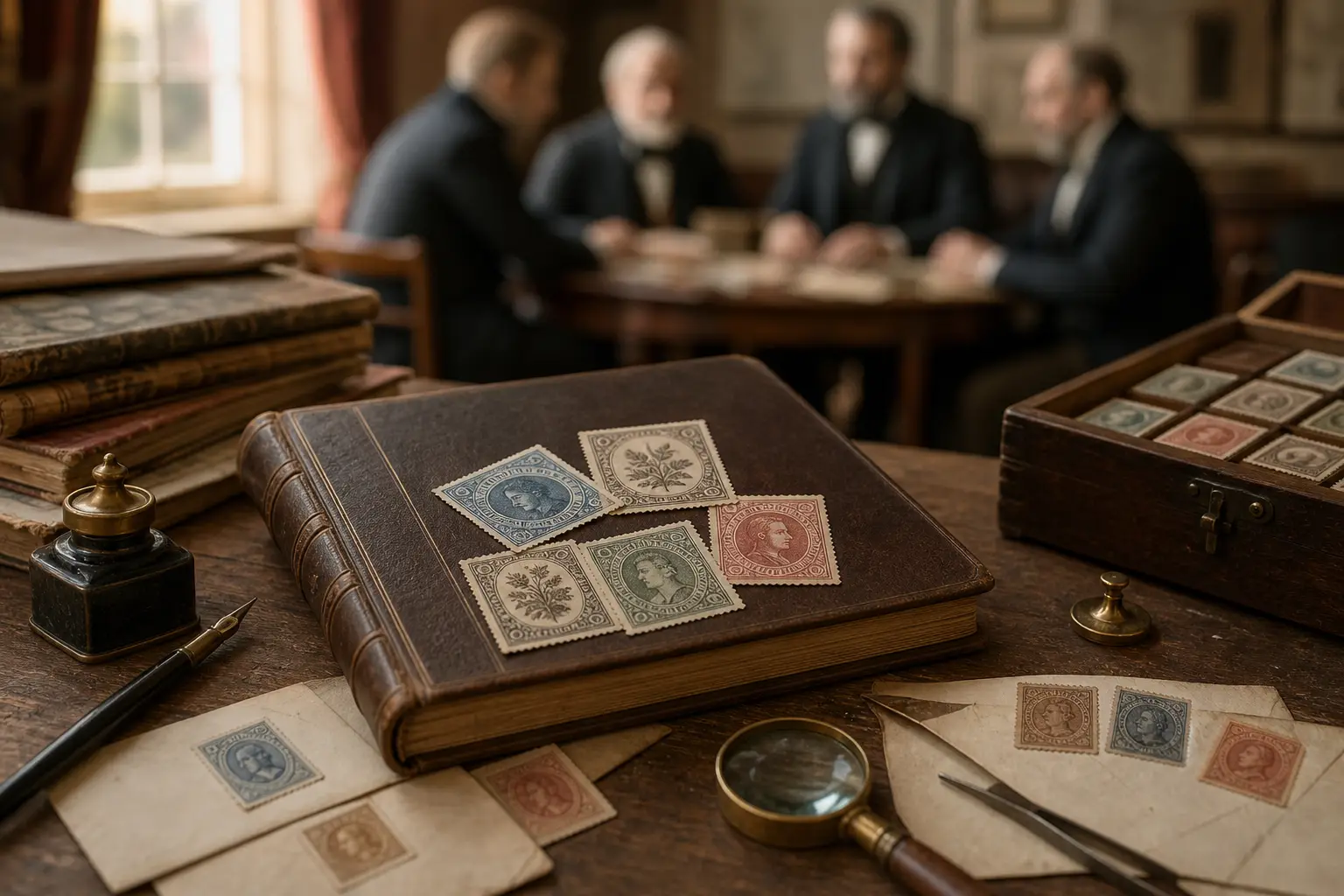
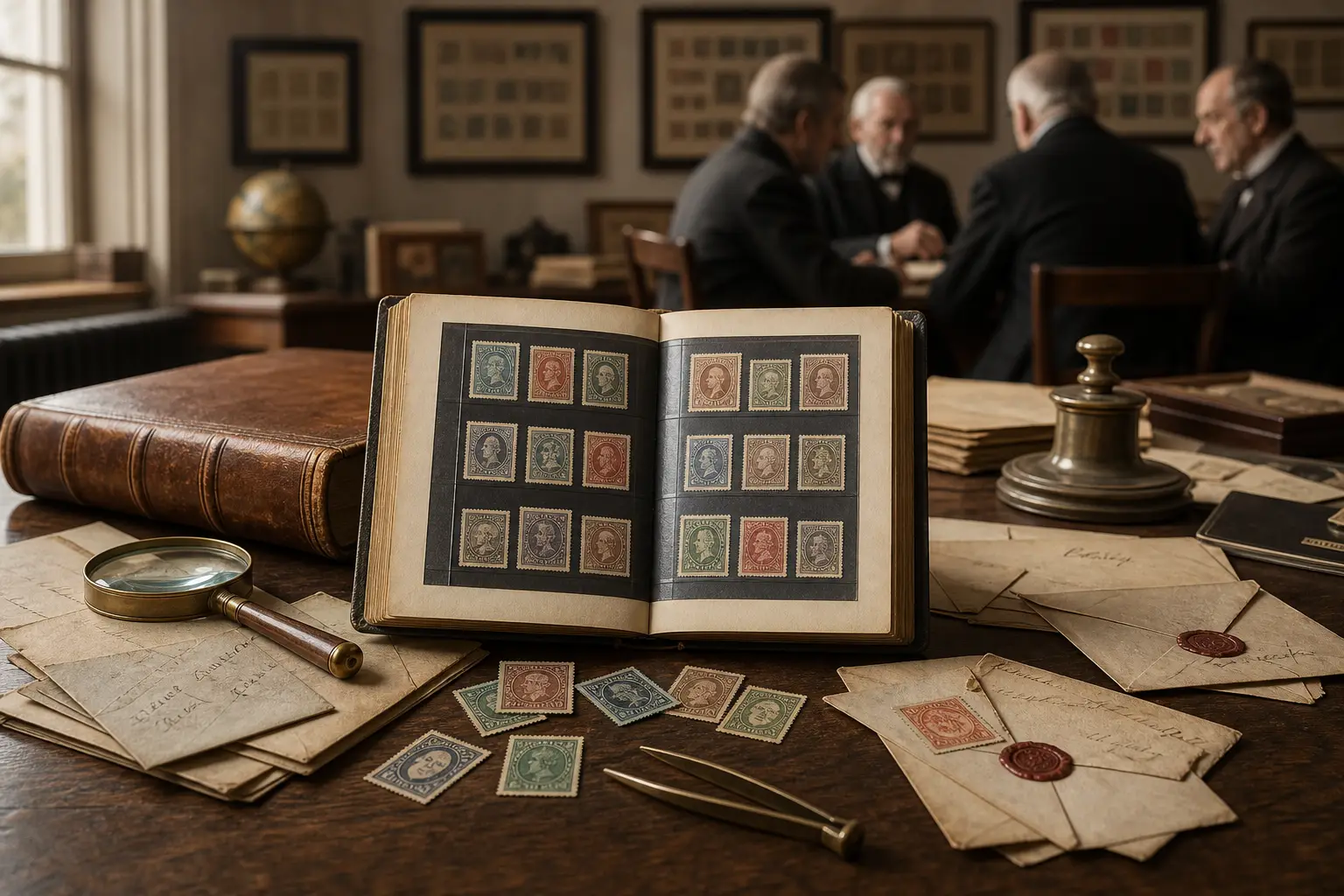
Philatelic clubs preserved specialist knowledge by turning private collecting experience into shared learning. Collectors met to compare stamps, discuss what they saw, exchange material, and build a common vocabulary for studying issues, varieties, and history. The Smithsonian National Postal Museum describes organised philately this way, and notes that local clubs and societies grew from shared interests in particular countries, periods, or subjects.
That history matters because the club was not only a social room. According to the museum, these organisations also published research, created reference material, and helped collectors share specialist knowledge. In other words, clubs helped make individual observations durable: a note discussed at a meeting could become a journal article, a handbook entry, or a reference aid for later collectors.
Why clubs became useful historical networks
The American Philatelic Society history gives a concrete example of how a collector network was built. Starting with a few enthusiasts in the 1850s, stamp collecting grew steadily for three decades, and by the 1880s there were an estimated 25,000 collectors in the United States. In 1886, collectors began discussing a national organisation, formed a committee in April, and later that year established the American Philatelic Association in New York City.
That milestone is important for history because it shows a move from scattered collecting to structured cooperation. The APA's stated objects were to help members acquire knowledge in philately, cultivate friendship among philatelists, and enable affiliation with members of similar societies in other countries. Those goals explain why clubs and societies mattered: they connected local study with broader exchange of ideas and evidence.
What clubs actually did to preserve information
Clubs and societies preserved philatelic knowledge in several practical ways. The Smithsonian account says they published research and created reference material, which means that observations could be organised, checked, and reused. That is especially valuable in a hobby where similar-looking stamps may differ by printing method, watermark, perforation, or paper, and where a clear record can prevent confusion later.
The APS history shows additional service structures that supported learning in its early years. The association offered an annual convention, a purchasing department, an exchange department for duplicate stamps and postal material, a library department, and even a counterfeit detector because fraudulent stamps were already a concern. These were not universal club features, but they show how one organisation tried to combine study, access, and caution in a practical system.
Journals, libraries, and meetings turned knowledge into records
One of the most durable ways clubs preserved knowledge was through print. The APS began publishing The American Philatelist in 1887, only a year after the association formed, with the first five issues published in Altoona, Pennsylvania. A journal gives collectors a place to record descriptions, discuss new issues, report varieties, and preserve debate long after a meeting ends.
Libraries mattered too. The APS history notes that its library department was still developing early on, but there was already a clear intention to depend on donations for growth. That is a useful historical pattern: club libraries and journals often became the memory of the hobby, especially when collecting knowledge was otherwise scattered in personal albums, dealer notes, or private correspondence.
Exhibitions and club programs also taught by example
The Smithsonian National Postal Museum also points to exhibitions as a structured learning tool. Exhibiting gives collectors a way to present material, learn from other displays, and compete for recognition. Even when a club does not run formal exhibitions, the principle is the same: a display forces the collector to organise evidence, explain choices, and make the collection readable to others.
The APS club resources show how this educational role continues in practical club life. The society notes that clubs can use sample forms, questionnaires, bibliographies, trivia quizzes, and speaker-program guidance to fit members' interests. It also stresses that successful clubs have strong leadership and maximum participation, with programs planned after members' desires are known. That is a method, not a guarantee: the best historical learning comes when the club chooses formats that match what members actually want to study.
How to use this history safely in your own research
If you are researching stamps today, use the club model in a careful way. Compare material against trusted references, keep notes with each item, and record what you can verify from the stamp itself before drawing conclusions. If you use StampSnap to create a likely identification or collection record, treat that record as a starting point for further checking, not as an official verdict.
Avoid unsafe shortcuts. Do not remove stamps from covers just to make them easier to study, and do not use household solvents or tape to “improve” a specimen. If a stamp is fragile, wet, or potentially valuable, handle it with appropriate tools and extra caution. The historical lesson of clubs is method, not haste: good research protects the material while it builds knowledge.
Why this history still matters for collectors
The deepest value of philatelic clubs was not only companionship. They made it easier for collectors to compare evidence, test ideas against other collections, and preserve what they learned in forms that others could use. That is why clubs mattered to stamp history: they turned scattered interest into shared record, and shared record into continuity.
For modern collectors, that is still the right model. Join discussions, read catalogues and journals carefully, note uncertainties, and update records when better evidence appears. The historical clubs described in the supplied sources were not perfect, and services varied by organisation, but they show a durable principle: philately advances fastest when collectors can safely share what they know.
Frequently asked questions
How did philatelic clubs preserve specialist knowledge?
They preserved it by bringing collectors together to compare material, publish research, create reference material, and share specialist knowledge through meetings, journals, libraries, and exhibitions.
What did the American Philatelic Association do in its early years?
According to the APS history, it offered annual conventions, a purchasing department, an exchange department, a library department, and a counterfeit detector to support members' study and collecting.
Did all stamp clubs offer the same services?
No. The Smithsonian notes that clubs and societies varied, and the APS examples describe one organisation's services rather than a universal model for every club.
How can a collector use club-style methods today?
Compare items against trusted references, keep records of what you can verify, and treat app-based identification as a starting point for further checking rather than a final judgment.
What is the safest way to study an unfamiliar stamp?
Use good lighting, basic tools, and careful observation first. Do not remove stamps from covers, use household solvents, or handle fragile material roughly.