Short answer: the design is only the starting point
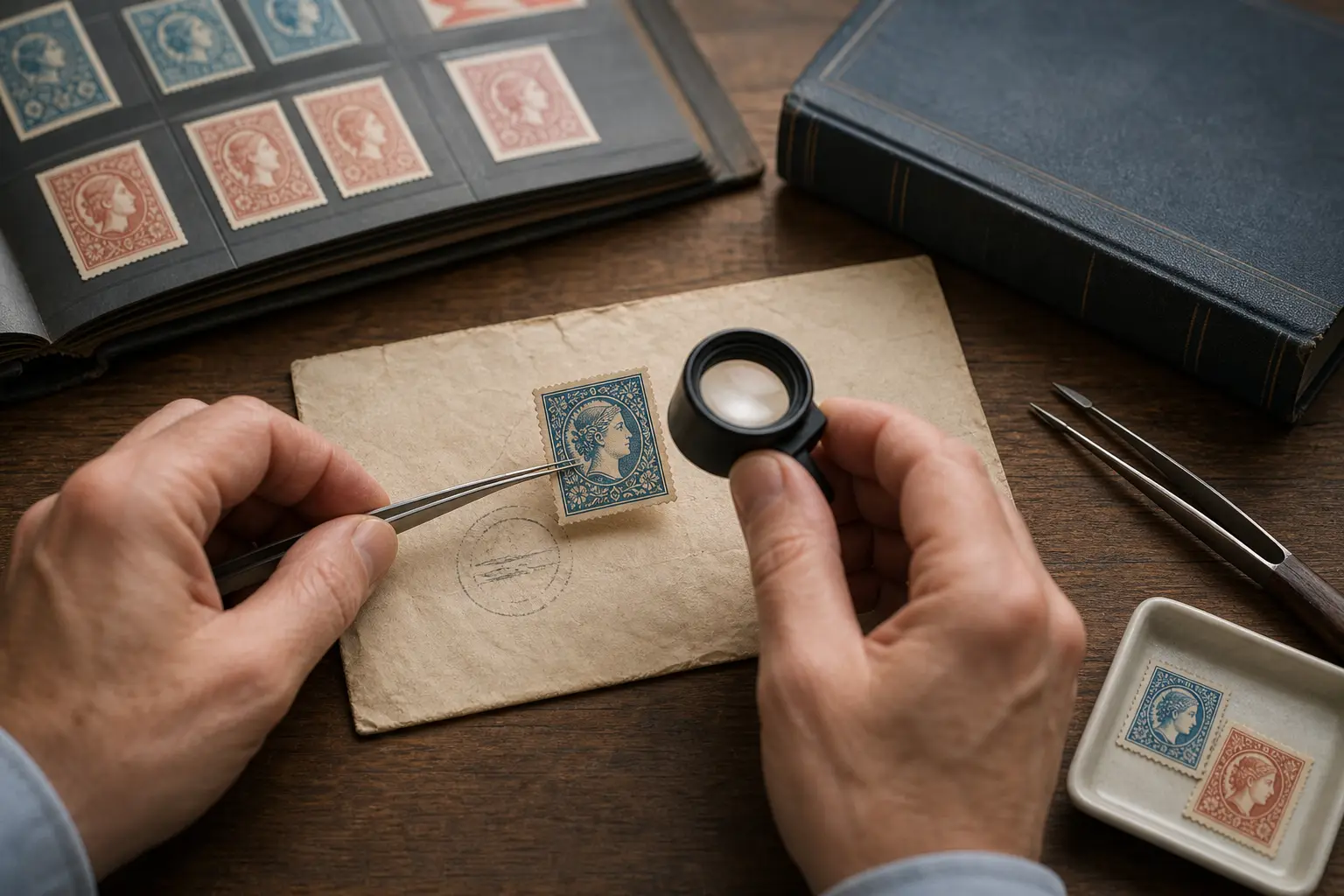
A stamp with the same picture as another stamp is not necessarily the same collectible. In philately, design alone may only get you to the right general group, while value depends on finer details such as watermark, perforations, color, and issue type. That is why two stamps that look very similar can sit in different catalog listings and be treated as separate items.
This matters most when a design was used over many years or issued in small variations. The American Philatelic Society notes that look-alike definitives printed over decades can frustrate even patient collectors, because small details can change the identification. If those details place the stamp in a different catalog listing, the value may also be different. StampSnap can help create a likely identification or collection record, but it should not be treated as a final appraisal.
Which details can change the value?
The most important clue is often the watermark, because stamps with the same design may exist on unwatermarked paper and on paper with different watermarks. The APS explains that watermarks are a security measure in stamp paper and may be words, letters, symbols, or monograms. In some cases, the watermark is the sole difference between a common stamp and one that is much more important to collectors.
Perforations are another key detail. The APS advises collectors to review whether a stamp has perforations or lacks them, along with the colour and other design features, when narrowing down identification. A stamp that appears nearly identical at first glance may belong to a different catalog number because of those small physical differences. Even a tiny visible change can move a stamp from a routine issue into a separate variety.
Why some similar stamps are not interchangeable
A useful example from the APS is the North Borneo pair with very similar designs but different inscriptions. One issue says POSTAGE, while another says POSTAGE & REVENUE. That wording difference changes the identity of the stamp even before you look at other factors. The same principle applies broadly: if the purpose, inscription, or issue type changes, the stamp may be a different collectible even when the artwork looks familiar.
The APS also gives a Liechtenstein example where a stamp showing Prince Johann II exists as both a definitive and a commemorative with a similar appearance. In that case, the change is not obvious unless you notice the year-dates in the upper corners. This is exactly why collectors should not assume that two stamps with the same portrait or basic design have the same value or the same catalog treatment.
How to check a stamp safely before you try to value it
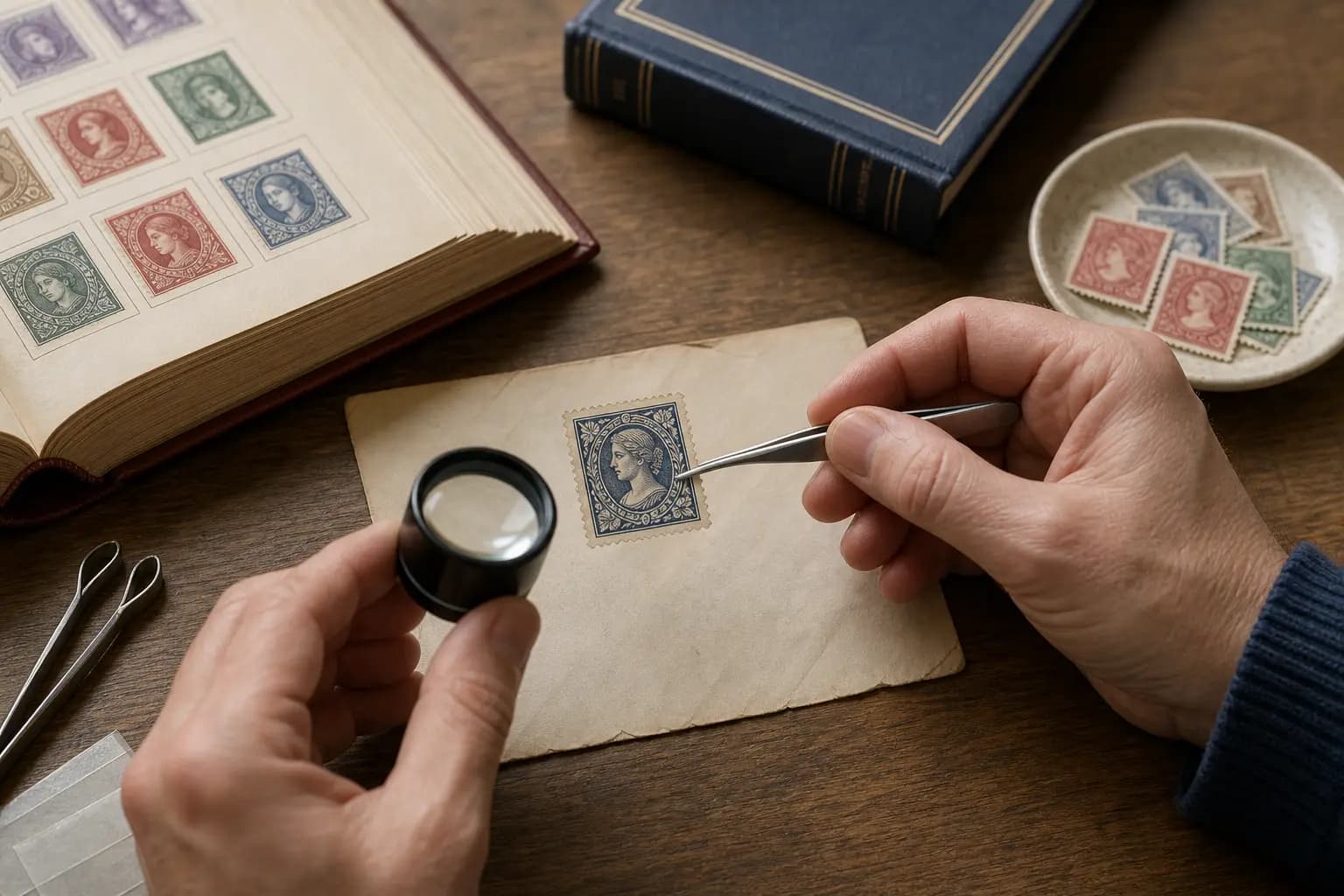
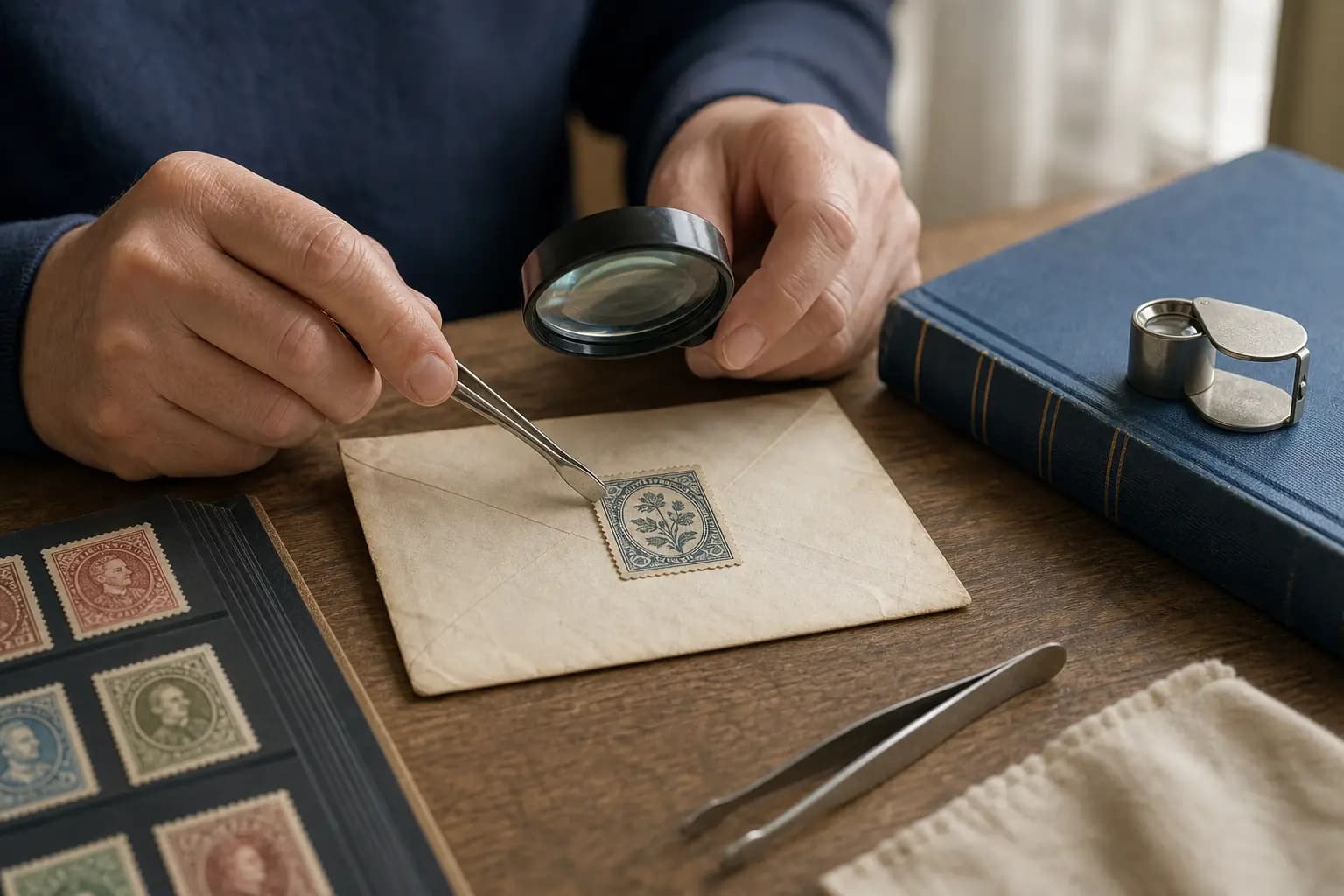
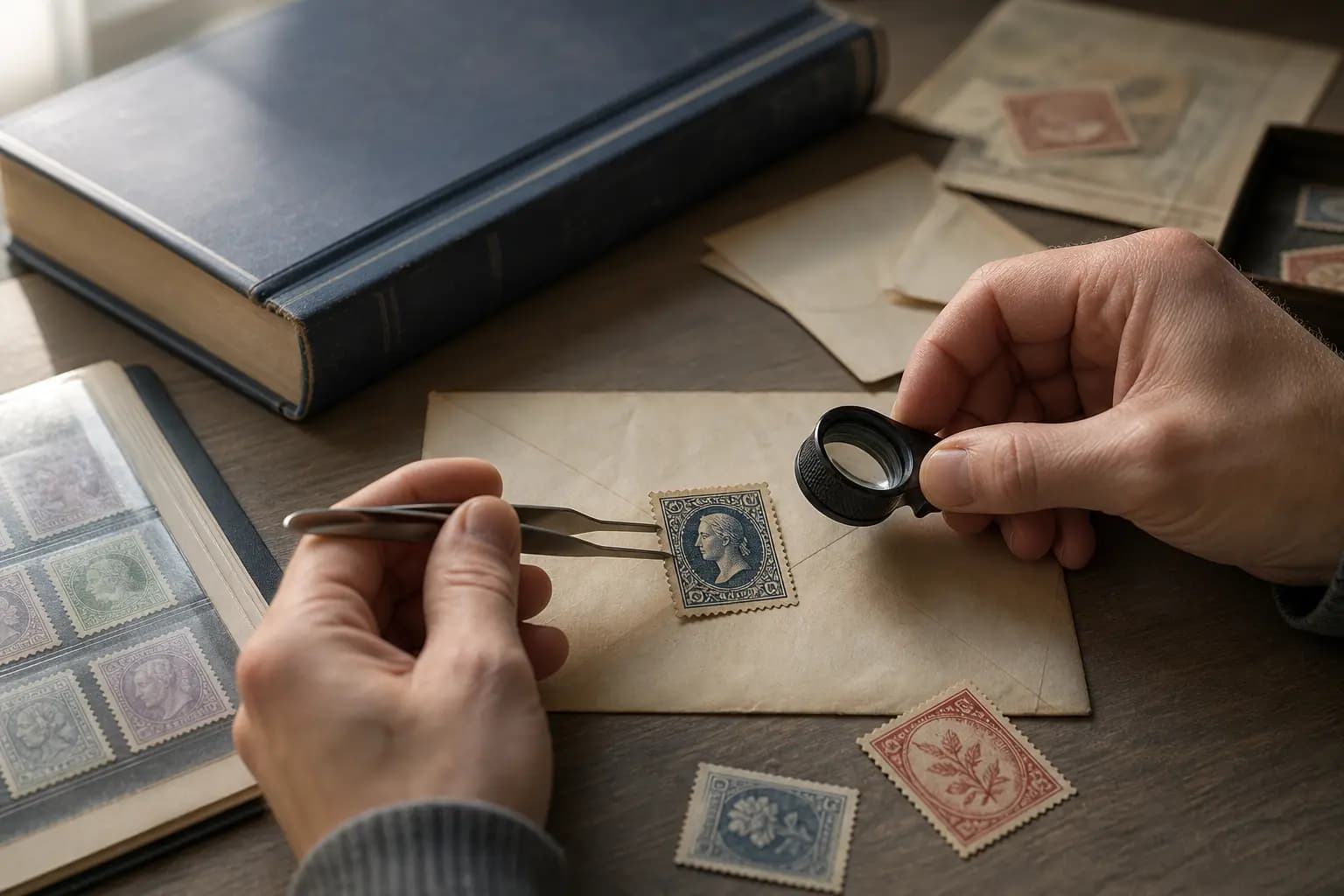
Start with careful visual comparison in good light. Look at the whole stamp first, then compare the small details that matter most: watermark, perforations, colour, inscription, and any dates or corner marks. If the stamp is on paper with no obvious country name, remember that Great Britain is the special case allowed to omit the country name and may show the ruling monarch instead. That does not identify the exact issue, but it can narrow the search.
If a watermark is suspected, do not use improvised chemicals or rough handling. The APS recommends placing the stamp face down in a dark tray and using commercial watermark fluid; it says the fluid evaporates quickly and should not impact the gum on an unused stamp. Some collectors use devices such as a watermark detector, but the basic point is the same: use a method that reveals the paper feature without damaging the stamp. If you are unsure, record the front and back details first and leave uncertain examples for later review.
What to do when the stamp still looks ambiguous
Ambiguity is normal. Many watermarks are only partly visible, and some stamps show only a small piece of a letter or symbol. The APS notes that single-line watermarks on some U.S. stamps can be particularly difficult to see. In those cases, a collector should avoid guessing from one clue alone and instead compare all visible features with catalog entries and reference material.
A practical method is to make notes on the exact design details you can observe, then compare them against listings that separate similar issues by watermark, perforations, and small lettering. If you use StampSnap, treat it as a way to organize those observations, not as proof of value. The goal is to build a clear record that helps you or another collector confirm the issue with less risk and less handling.
Why catalog separation matters for valuation
Catalogs separate stamps because tiny production differences can make the market treat them differently. The APS states that stamps with the same design but different watermarks generally receive separate catalog numbers. Once a stamp is assigned a different number or issue type, it may no longer belong in the same value comparison as the more common version. That is why careful identification comes before any realistic valuation.
This is also why collectors should be cautious about assumptions based on appearance alone. A common-looking stamp can be ordinary, while a similar-looking one with a different watermark or inscription may be a separate variety. For valuation, the safest statement is often not a price, but an identification range: what the stamp most likely is, what details remain uncertain, and what evidence still needs checking.
A conservative collector workflow
Use a simple sequence: observe, compare, record, and only then decide whether the stamp deserves deeper study. First, check the design, inscription, colour, perforations, and any visible dates. Next, determine whether a watermark is likely and, if so, use a safe watermark method rather than guessing. Finally, compare the result with catalog descriptions and keep a note of any uncertainty.
This workflow protects the stamp and reduces mistaken valuation. It also helps separate a common design from a scarcer issue without overhandling the material. When the evidence is incomplete, it is better to describe the stamp conservatively than to force a conclusion. That is the most reliable approach for collectors who want both preservation and sound valuation.
Frequently asked questions
Can two stamps with the same picture have different values?
Yes. The APS explains that similar stamps can differ by watermark, perforations, colour, inscription, or issue type, and those differences can place them in separate catalog numbers.
What is the first detail I should check for valuation?
Start with the whole design, then check the features that most often separate issues: watermark, perforations, colour, and any dates or wording changes on the stamp.
Should I assume a stamp without a country name is rare?
No. Great Britain is the special case allowed to omit the country name, so the absence of a country name does not by itself prove rarity or value.
How should I check a watermark safely?
The APS recommends placing the stamp face down in a dark tray and using commercial watermark fluid. It notes that the fluid evaporates quickly and should not impact the gum on an unused stamp.
What should I do if I cannot tell which issue I have?
Record the visible details, compare them with catalog descriptions, and keep the identification conservative until the evidence is clear. If needed, store the stamp safely and revisit it later.