Start with what you enjoy most
The safest way to choose a stamp collecting specialty is to begin with interest, not pressure. The American Philatelic Society says there is no right or wrong way to collect, and that stamp collecting can be whatever you want it to be. A good specialty is one you can follow steadily, because collecting is meant to be enjoyable and sustainable over time.
Many collectors start with a subject they already like, such as animals, sports, space, flowers, ships, or a country that has personal meaning. That approach works because it gives you a clear filter when new material arrives. Instead of trying to collect everything, you are deciding in advance what belongs in your collection and what does not.
Choose the broad direction first
A useful next step is to decide whether you want to collect worldwide stamps, a single country, a topic, or a stamp type. The APS notes that worldwide collecting is common at first, but that trying to collect every stamp ever issued is usually unrealistic because countries issue about 10,000 postage stamps each year and the total grows quickly. That is why many collectors narrow the scope early.
Country collecting is a traditional choice, especially for your home country, a place you know well, or a country whose designs interest you. Topical collecting is another flexible route because it can include stamps, special postmarks, first day covers, and postal stationery that fit one theme. If you want a cleaner catalogue of material, a country or topical focus often makes sorting and labeling easier from the start.
Use type and era to make the scope manageable
Some collectors prefer to specialise by stamp type, such as airmail, coil stamps, special delivery, or postage due. That choice can be especially helpful if you want a narrower collecting field with clear boundaries. The APS also notes that some collectors limit themselves to stamps issued since they were born, which is another practical way to keep the project realistic.
If you are unsure where to begin, you can combine two filters, such as one country plus one type, or one topic plus one date range. That gives you enough structure to avoid overwhelm while still leaving room for discovery. A focused specialty also makes it easier to compare similar items later when you are trying to decide what belongs in the collection.
Decide how broad you want your collection to be
The broadest collections are easier to start, but they become harder to manage as they grow. Worldwide collecting offers variety, yet it can quickly become too large for most people in money, space, and time. A narrower plan usually gives better results because you can learn the material more deeply and organise it more clearly.
A collection does not need to be complete to be worthwhile. The important point is personal enjoyment, not matching someone else’s idea of a perfect set. If you prefer a collection built from visually appealing mail, topical material, or special usages, that is still a valid collecting path under the APS guidance.
Build a simple collecting rule before you buy
Before you add anything new, write a short rule for your specialty. For example, you might choose one country, one topic, or one stamp service such as airmail. Clear rules reduce hesitation and help you avoid buying material that does not fit. This is especially useful when you are sorting mixed lots or inherited material and need a quick decision.
A note in your album, inventory, or collection record can help you stay consistent. If you use a tool like StampSnap to create a likely identification or keep an organising record, treat it as a working note rather than a final authority. The Smithsonian National Postal Museum recommends comparing physical observations with reliable references, because catalog details and visual clues should support one another rather than stand alone.
Use the right tools while you sort
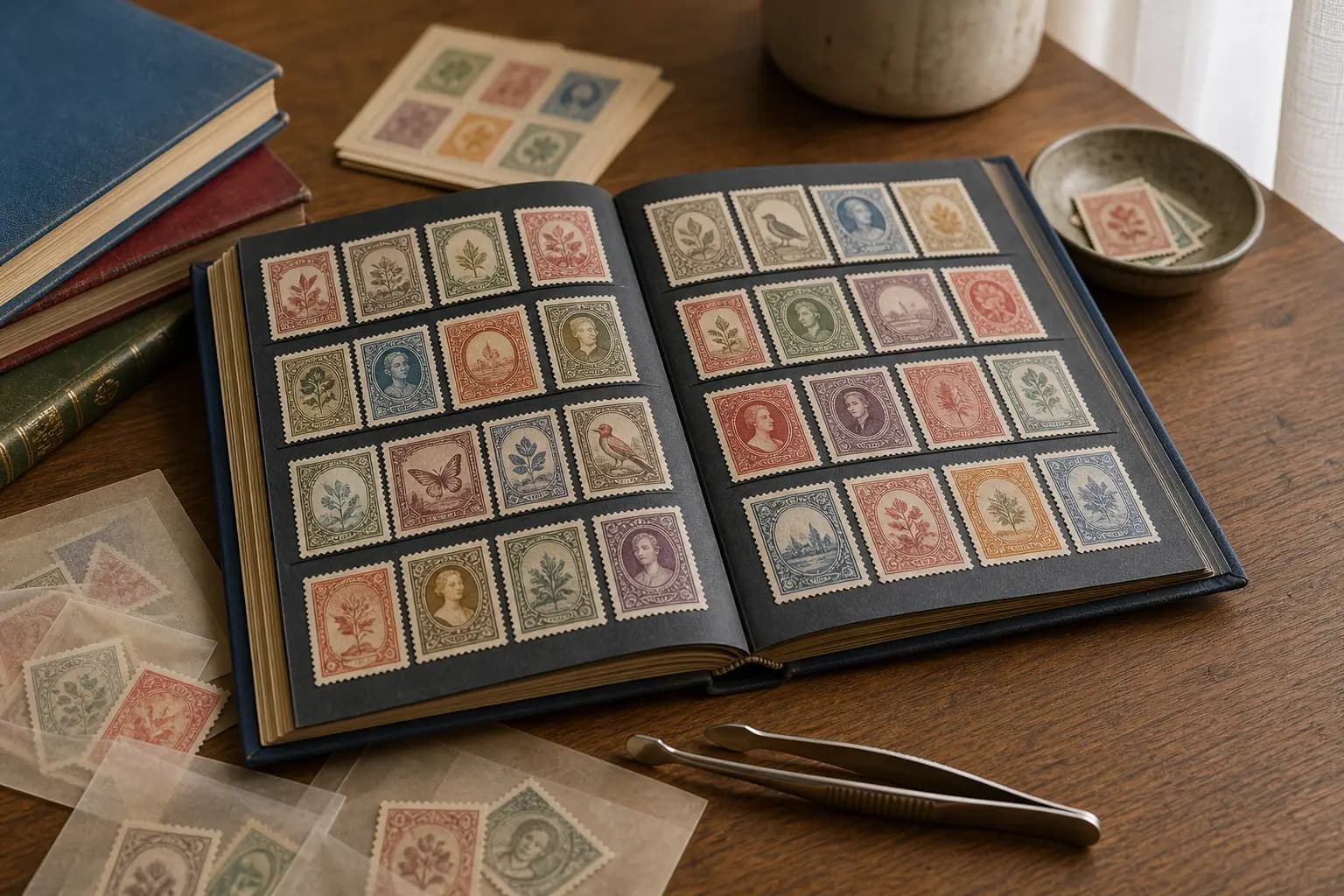
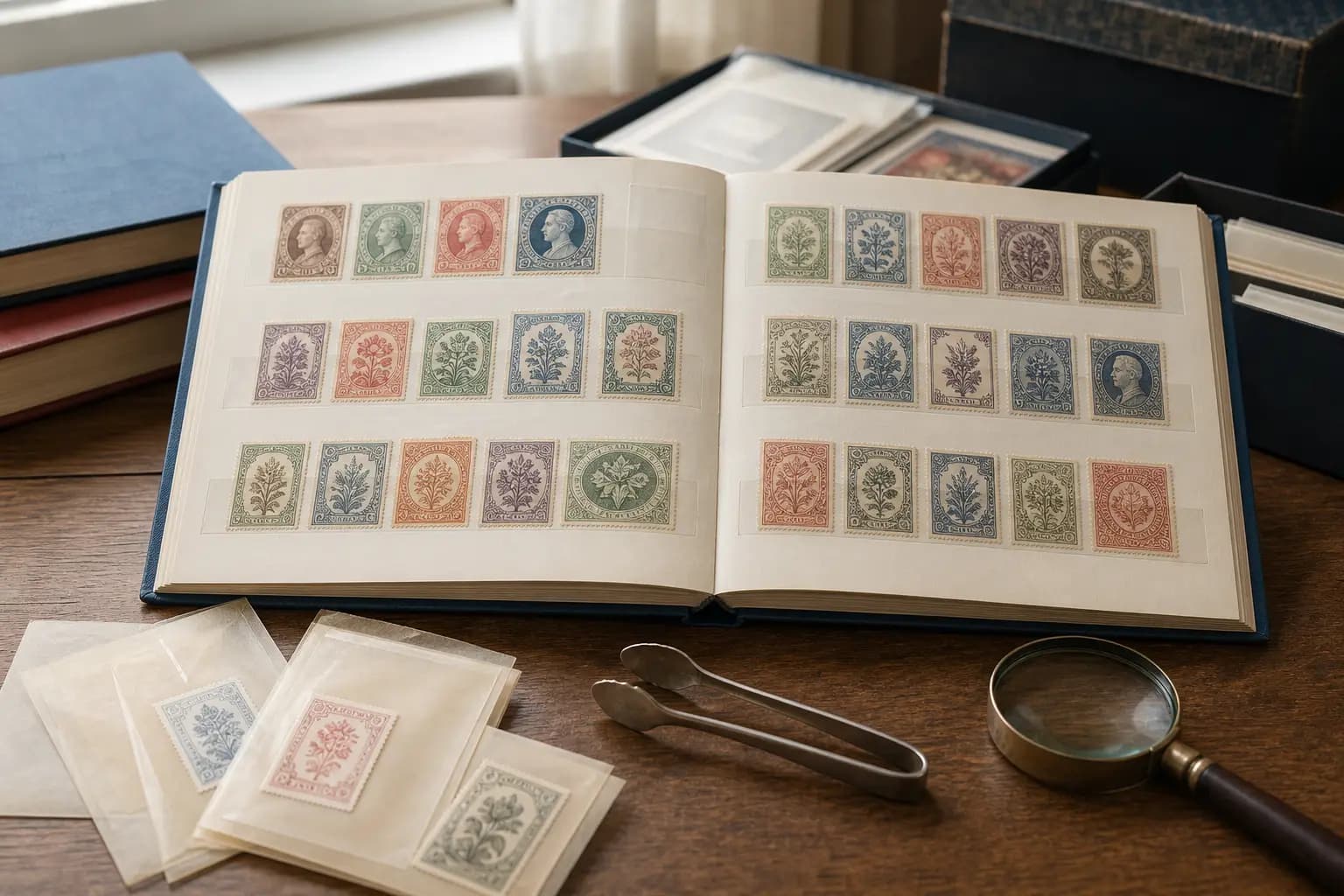
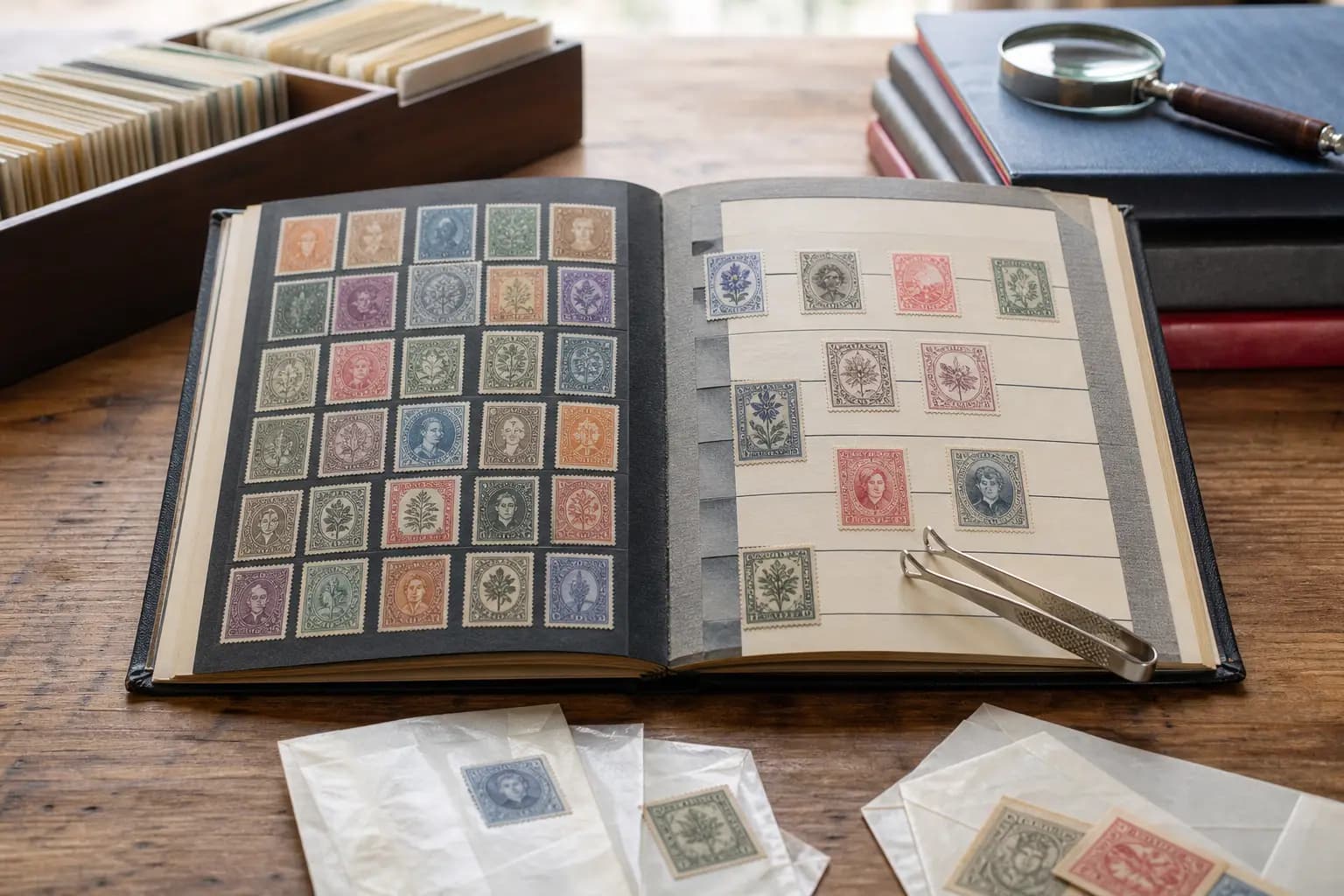
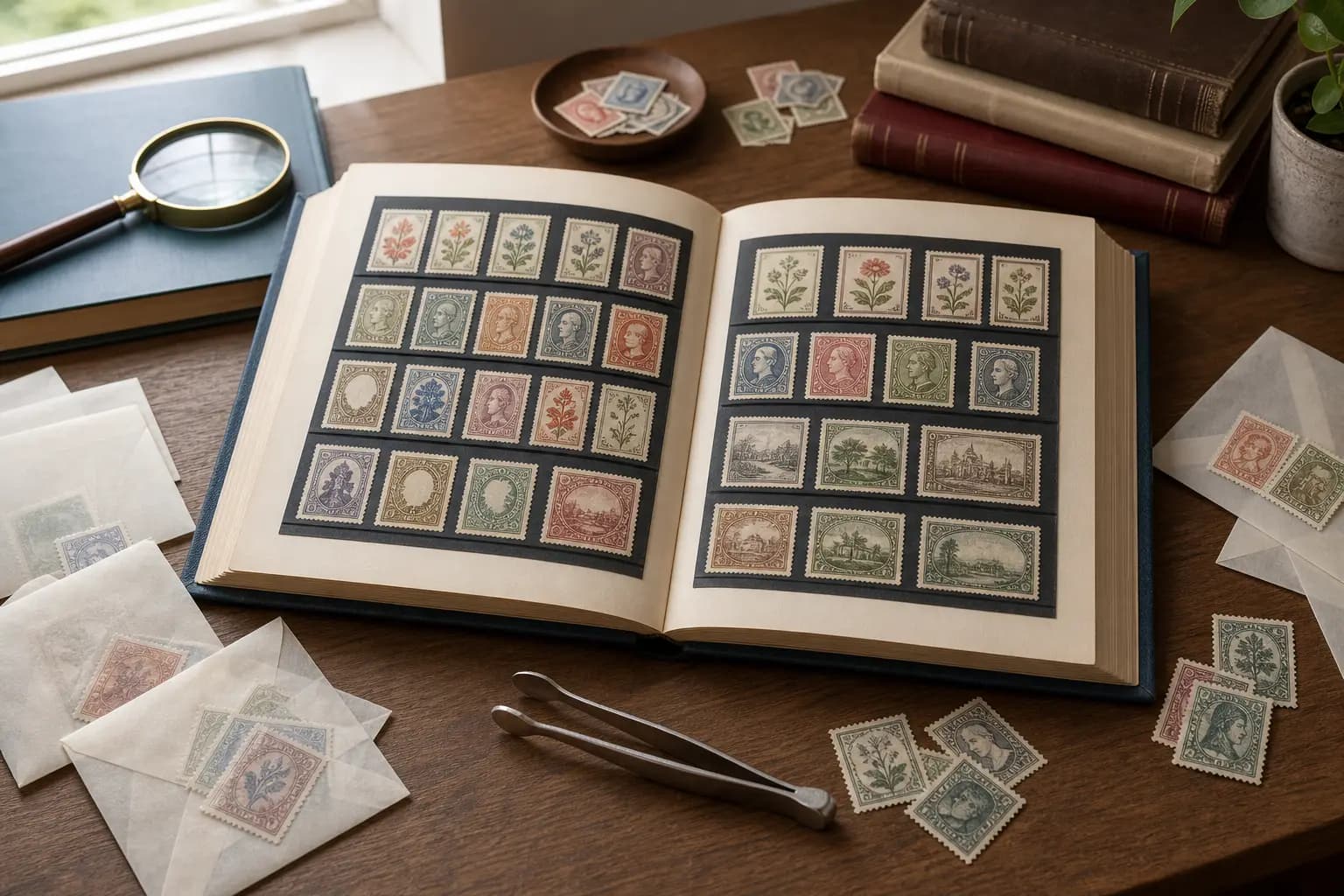
The Smithsonian National Postal Museum identifies a simple set of tools for beginners: stamp tongs, an album, and a general reference book. Tongs help you pick up loose stamps without direct finger contact, which is a basic way to reduce handling damage. A magnifying glass can help you see small design details, while a perforation gauge can distinguish look-alike issues by measuring the perforations.
The museum also mentions watermark detectors, colour guides, and catalogues as specialist aids. These tools are helpful when your specialty requires closer comparison, but they should be used carefully and with reference checks. If you are working with stamps that seem fragile, avoid rushing the sorting process and handle them only with appropriate tools.
Review and refine your specialty over time
Many collectors do not get the perfect specialty on day one. It is normal to begin broadly, learn what you enjoy most, and then narrow the focus later. You may find that one country, one theme, or one type of stamp becomes much more satisfying than the rest. That is a healthy part of developing a collection.
If your interests change, update your collecting rule rather than forcing yourself to keep every item. The APS makes clear that the hobby allows great flexibility, so your specialty can evolve as your knowledge grows. A well-chosen focus should make collecting easier to understand, easier to store, and more enjoyable to continue.
Frequently asked questions
Is there a right or wrong way to choose a stamp collecting specialty?
No. The APS says there is no right or wrong way to collect, and your specialty can be whatever you want it to be.
Is worldwide collecting a good starting point?
It can be a good starting point, but the APS notes that it is usually unrealistic to try to collect every stamp ever issued because the number of new issues is very large.
What are the simplest beginner tools for sorting a specialty?
The Smithsonian National Postal Museum lists stamp tongs, an album, and a general reference book as sufficient starting tools.
Can a topical collection include more than stamps?
Yes. The APS says topical collections can include special postmarks, first day covers, and postal stationery that fit the theme.
Should I trust one physical clue by itself when identifying material?
No. The Smithsonian National Postal Museum advises comparing physical observations with reliable references, because one clue alone is not conclusive.