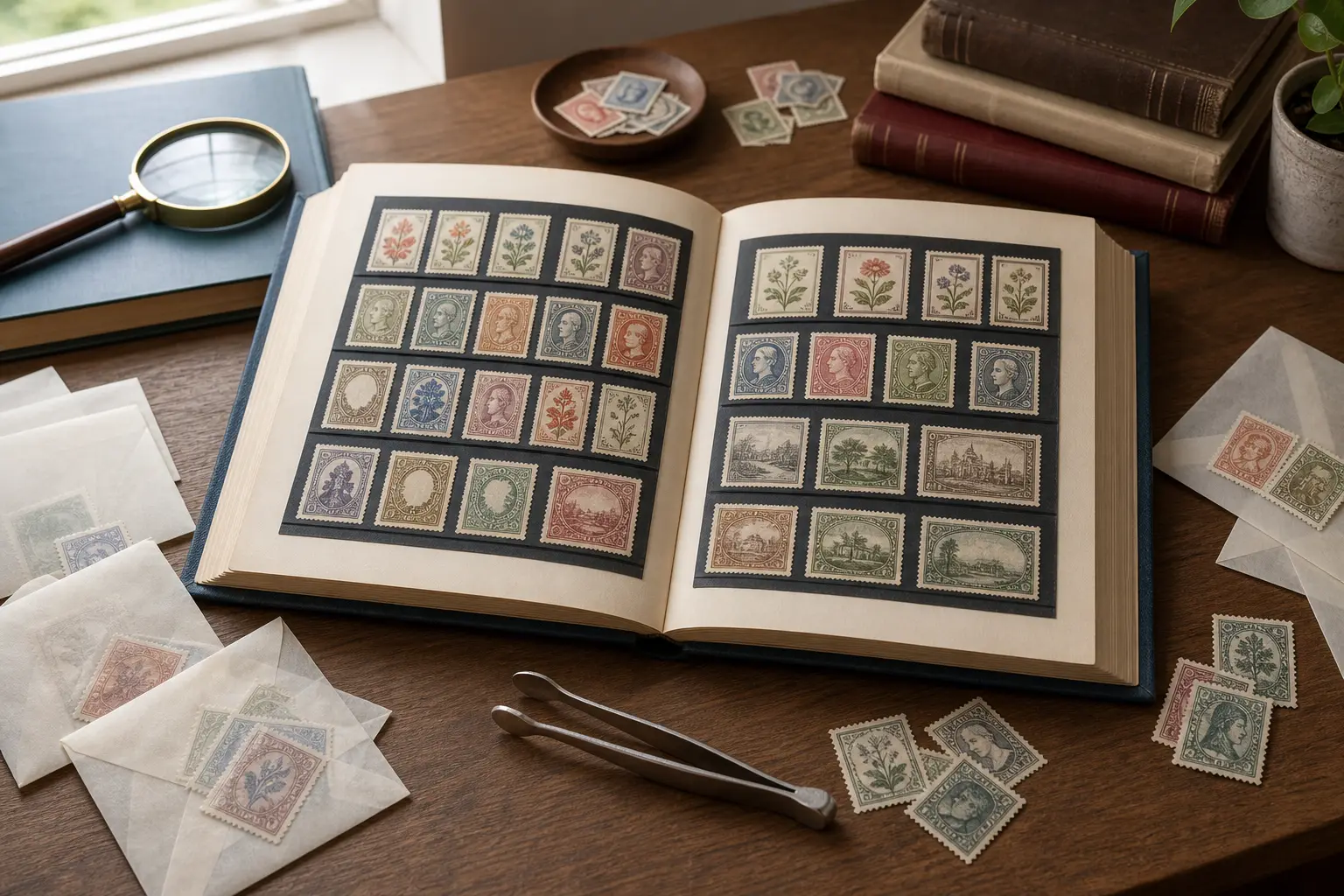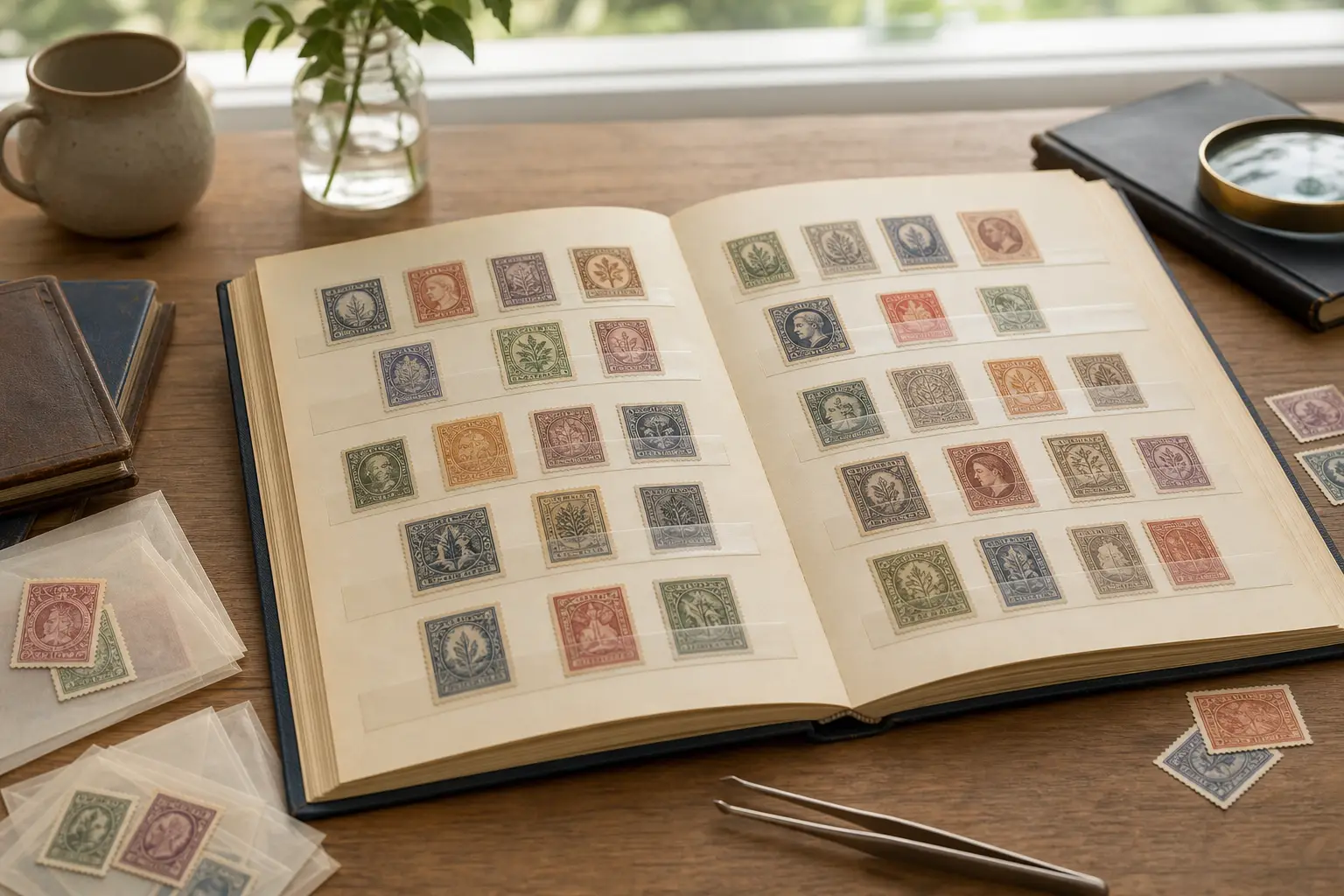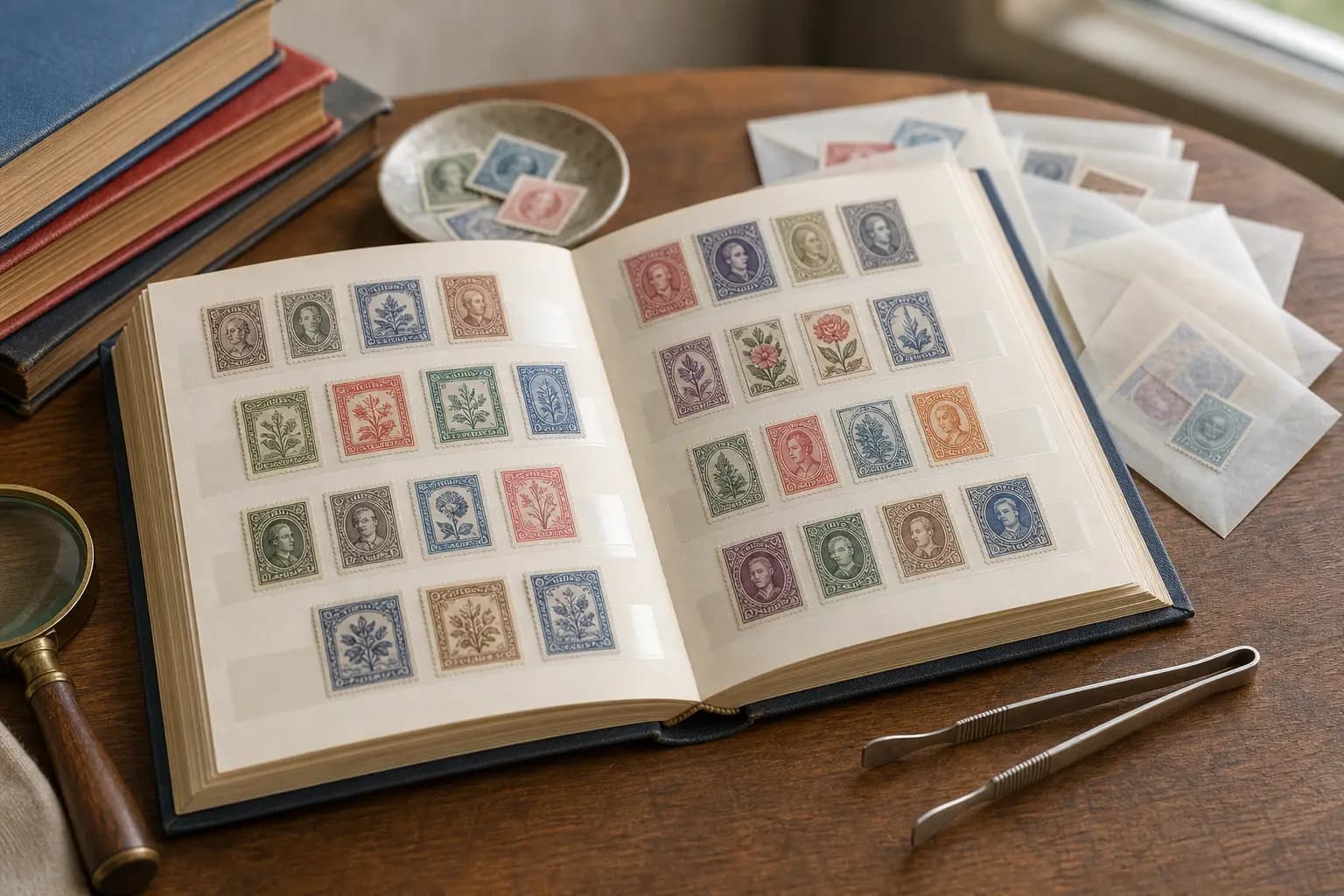
The shortest answer
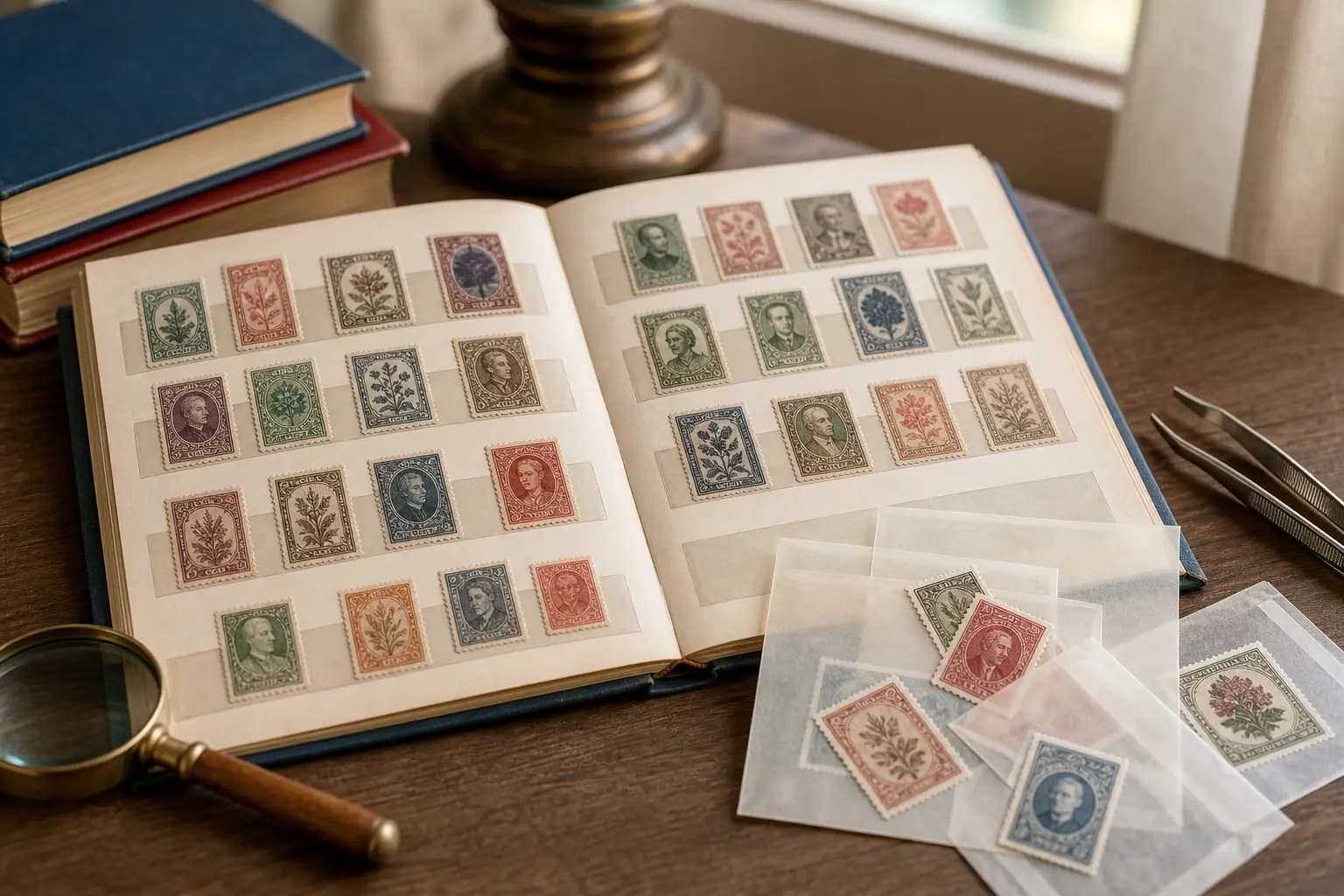
Choose the stamp collecting focus that best matches your interests, budget, and available space. There is no right or wrong way to collect, and you do not need special skills or great wealth to begin. A good starting point is to decide whether you want to collect by country, topic, stamp type, mint versus used condition, or even by shape or colour.
If you are unsure, start narrow and simple. Many collectors begin with a subject they already enjoy, such as animals, ships, sports, or another topic that makes sorting easier. You can always expand later, but a smaller, clearer goal helps you buy less impulsively and learn more from each stamp you keep.
Why collecting focus matters
A collecting focus gives your collection direction. The American Philatelic Society notes that collectors may choose worldwide collecting, a single country, a narrower date range, topical collecting, or a focus on mint or used stamps. That flexibility is one reason stamp collecting suits almost any age and can be enjoyed throughout the year.
Your choice also shapes how much material you will need to review and store. Worldwide collecting can become very broad because countries issue large numbers of stamps over time, while a single-country or single-topic approach can be easier to manage. The best focus is not the most ambitious one, but the one you can keep up with without losing enjoyment.
Mint, used, and mixed collections
Mint stamps have never been used and still look the way they did when sold at the post office. Used stamps have carried mail. Many collectors come to prefer one or the other, but a mixed collection is also a valid choice. The main practical difference is that used stamps do not require you to preserve original gum, and they can often be mounted with simpler methods.
There are also collecting reasons to choose used stamps. Some collectors like cancellations, and some prefer the lower cost that used material often brings. Mint stamps may appeal if you want the original unused condition, but that also means you need to think carefully about preservation. If you are not yet sure what you prefer, try both in small quantities before deciding on a permanent direction.
Topical collecting is often the easiest way in
Topical collecting is a practical entry point because it lets you build around a subject you already understand. The APS notes that popular topics include animals, birds, flowers, ships, space, scouts, Disney, and sports, but the field is much wider than that. Even unusual subjects can become satisfying collections when the theme is clear and repeatable.
Topical collections can include more than just postage stamps. Many collectors also look for related postmarks, first day covers, or postal stationery that fit the same theme. That freedom helps you shape a collection to your interests rather than forcing everything into one rigid format. It also means you should decide early what counts as part of your topic, so your collecting rules stay consistent.
Country, type, shape, and colour collecting
If you want a classic route, country collecting is a straightforward choice. Many collectors choose their home country, a place they visited, or a country whose designs they enjoy. Some even narrow further to stamps issued after a certain year. This kind of focus can make cataloguing easier because you know the boundary of the collection from the start.
Type collecting is another useful option. You might collect airmail stamps, coil stamps, postage due stamps, or other specific service types. If you prefer something more visual, the APS also notes that some collectors choose stamps by shape or colour. Those collections can be creative and enjoyable, especially when the goal is personal enjoyment rather than completeness.
How to choose safely and avoid frustration
A safe method is to decide on three things before you buy much material: what you will collect, what you will not collect, and how you will store it. Use stamp tongs to handle loose stamps, an album or stock book for storage, and a general reference book or catalog to compare details. A magnifying glass can help you inspect small features without touching stamps directly.
Catalogs are useful, but they should not be treated as final proof on their own. The Smithsonian National Postal Museum notes that catalogs can record issue date and printing method, yet physical observations should be compared with reliable references rather than treated as conclusive. If a stamp looks interesting but you are not certain what it is, create a likely identification or collection record in a tool such as StampSnap and verify it later with a trusted reference.
A simple way to begin today
Start with one clear rule set and a small target. For example, you could collect only one country, only one topic, or only used stamps from mail you receive. The first goal is not completeness. It is to learn how to recognise, sort, and enjoy the material without making the hobby feel complicated.
As your experience grows, you can refine your specialty. You may discover that you prefer mint stamps, or that cancellations interest you more than design. You may also decide to combine several ideas, such as a topical collection built only from used stamps or a country collection that includes covers and postal stationery. The right choice is the one that keeps you collecting steadily.
Frequently asked questions
Is there a right or wrong way to start a stamp collection?
No. The American Philatelic Society says there is no right or wrong way to collect, and your collection can be whatever you want it to be.
Should I collect mint stamps or used stamps?
Either is fine. Mint stamps are unused, while used stamps have carried mail. Many collectors prefer one or the other, and some collect both.
What is the easiest collecting style for a beginner?
Topical collecting is often easiest because you can build around a subject you already enjoy and choose exactly what material counts toward the theme.
Can I collect more than just postage stamps?
Yes. The APS notes that collectors may also include covers, postal stationery, postage meters, revenue stamps, and other related material.
Should I trust a catalog alone when identifying a stamp?
No. Catalogs are useful references, but the Smithsonian National Postal Museum advises comparing physical observations with reliable references rather than treating a catalog as conclusive on its own.