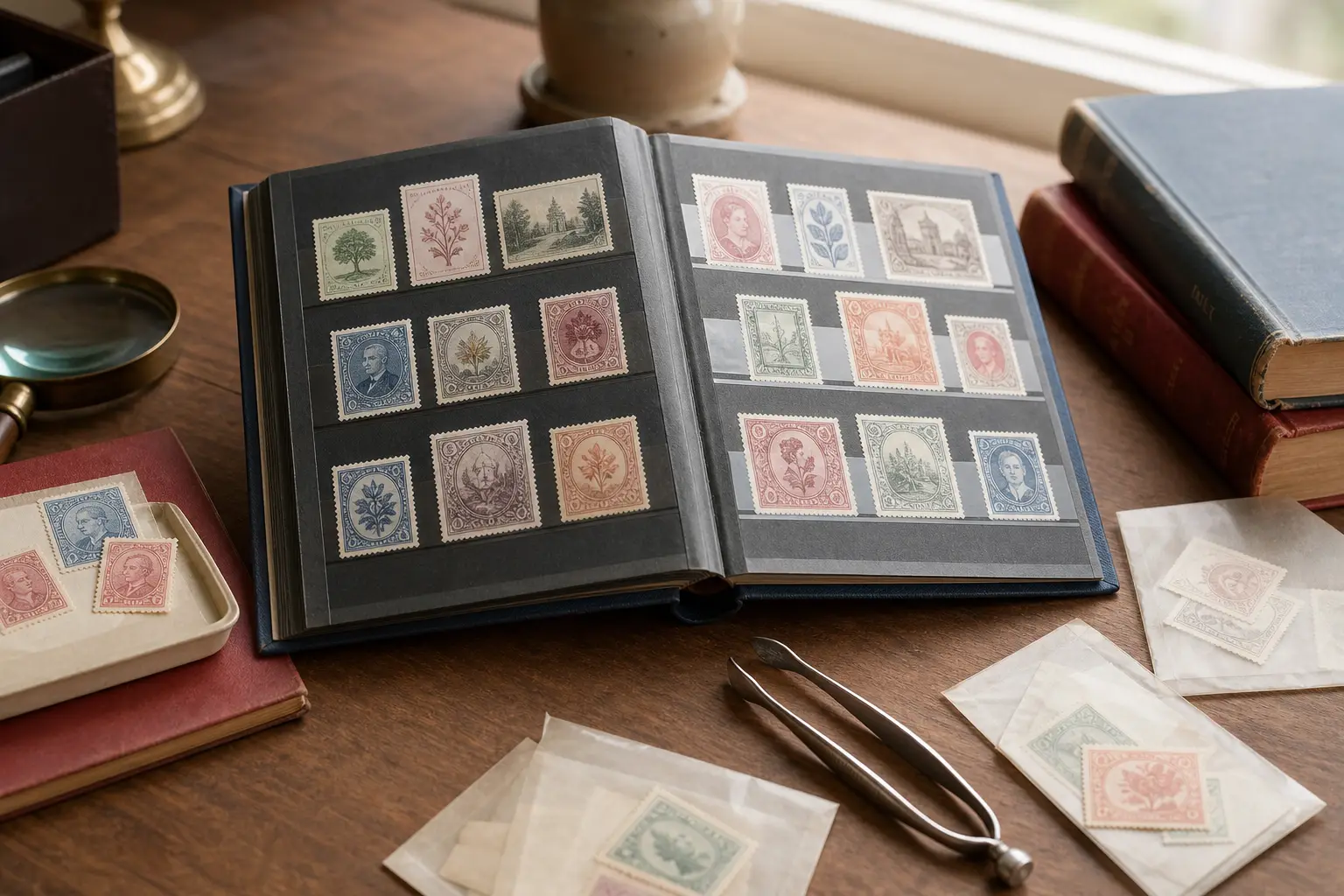
Start with the style that fits your life
The best collecting style is the one you can keep up with comfortably. There is no right or wrong way to collect stamps, and the American Philatelic Society notes that people choose different paths based on interest, time, space, and budget. That makes the first decision less about rules and more about what will stay enjoyable over time.
A practical way to begin is to ask three questions: what do you already like, how much storage room do you have, and how much time can you give the hobby? If you answer those honestly, the right collecting style usually becomes clearer. Many collectors begin with a topic they already enjoy, while others prefer a country, a stamp type, or a broad worldwide approach.
Worldwide, country, topical, or type collecting
Worldwide collecting means gathering stamps from many countries, but the supply is enormous. The APS notes that countries of the world issue about 10,000 postage stamps each year, so trying to collect every stamp ever issued is usually unrealistic unless you have a great deal of money, space, and time. That is why many collectors narrow their scope after they begin.
Country collecting is a common next step. Some collectors choose their home country, a country tied to a holiday or family memory, or simply a place whose stamps appeal to them visually. Type collecting is another option, such as focusing on airmail, coil, special delivery, or postage due stamps. Each of these approaches gives you a clear boundary, which can make sorting and organising much easier.
Why topical collecting works so well for beginners
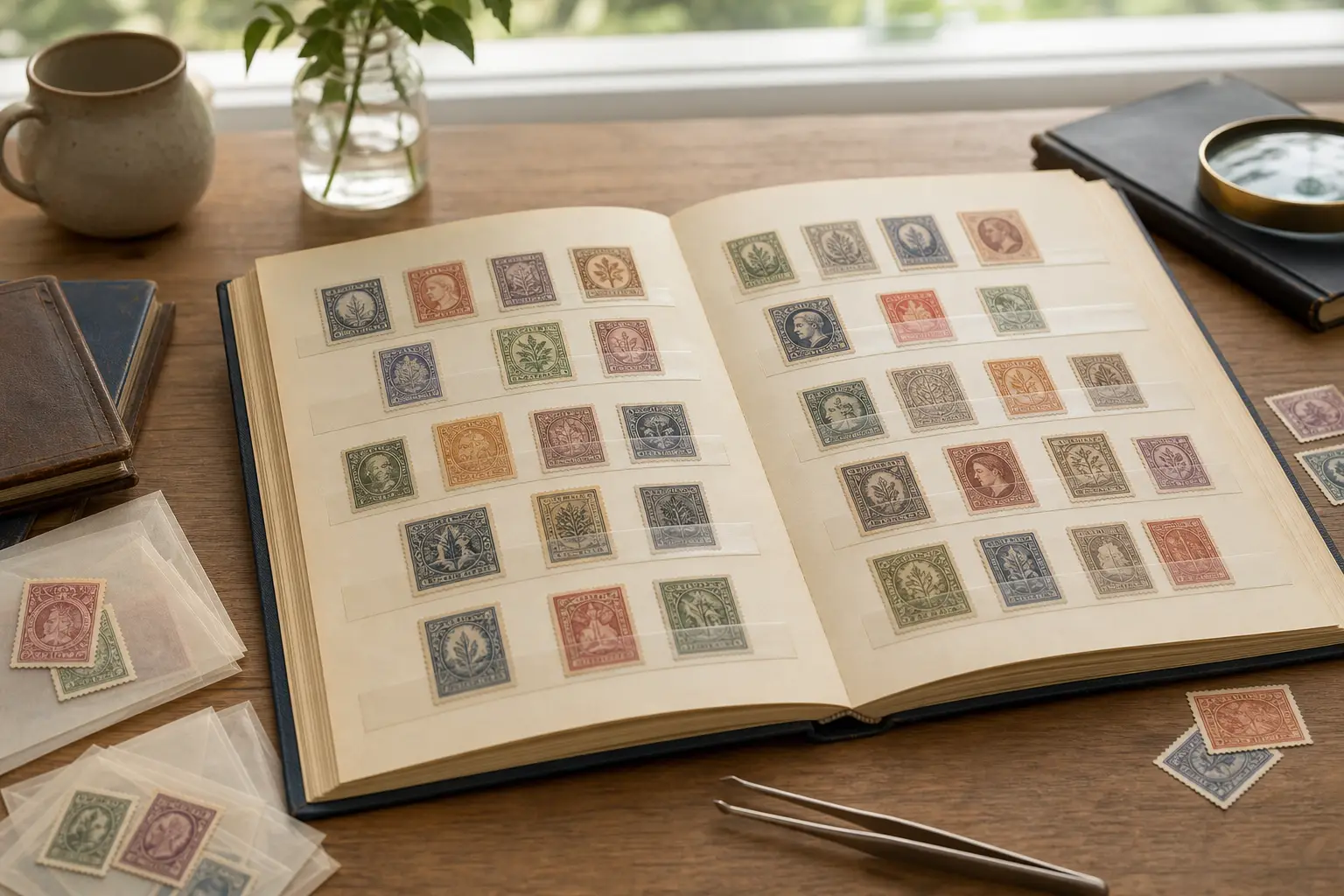
Topical collecting lets you build around a subject rather than a place. The APS lists popular themes such as animals, birds, flowers, ships, space, scouts, Disney, and sports, but it also notes that people collect far less common topics. That flexibility is useful because you can build a collection around something you already care about and continue expanding it from many countries.
Another advantage is that topical collections can include more than loose stamps. Many collectors add special postmarks, first day covers, and postal stationery when those items relate to the topic. This gives you room to shape the collection in a way that is both personal and manageable, instead of trying to force every item into a single pattern.
Mint, used, or a mixture: choose what you can maintain
The APS says most collectors come to prefer either mint stamps or used stamps. Mint stamps have never been used, while used stamps have carried mail. Used stamps often cost less than mint ones, though there are exceptions, and they do not require you to worry about preserving gum. That can make used collecting simpler for a new collector.
A mixed collection is also acceptable. You do not have to choose one permanent rule on day one, and the APS makes clear that the choice is yours alone. If you are unsure, it can help to start with what you can recognise easily and what you can store safely. StampSnap can be useful for creating a likely identification or collection record, but it should not be treated as an authentication or appraisal result.
Use simple tools and keep identification cautious
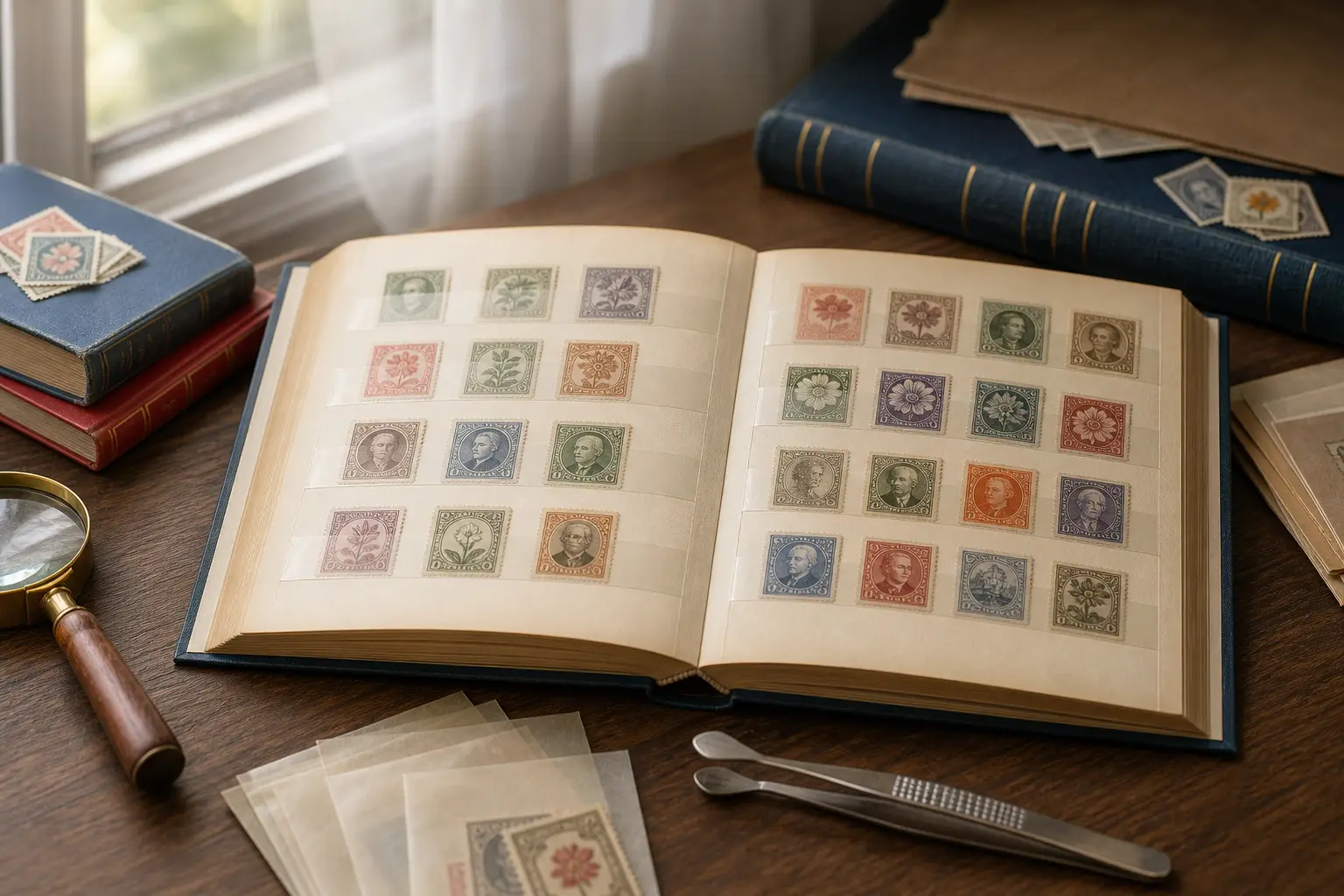
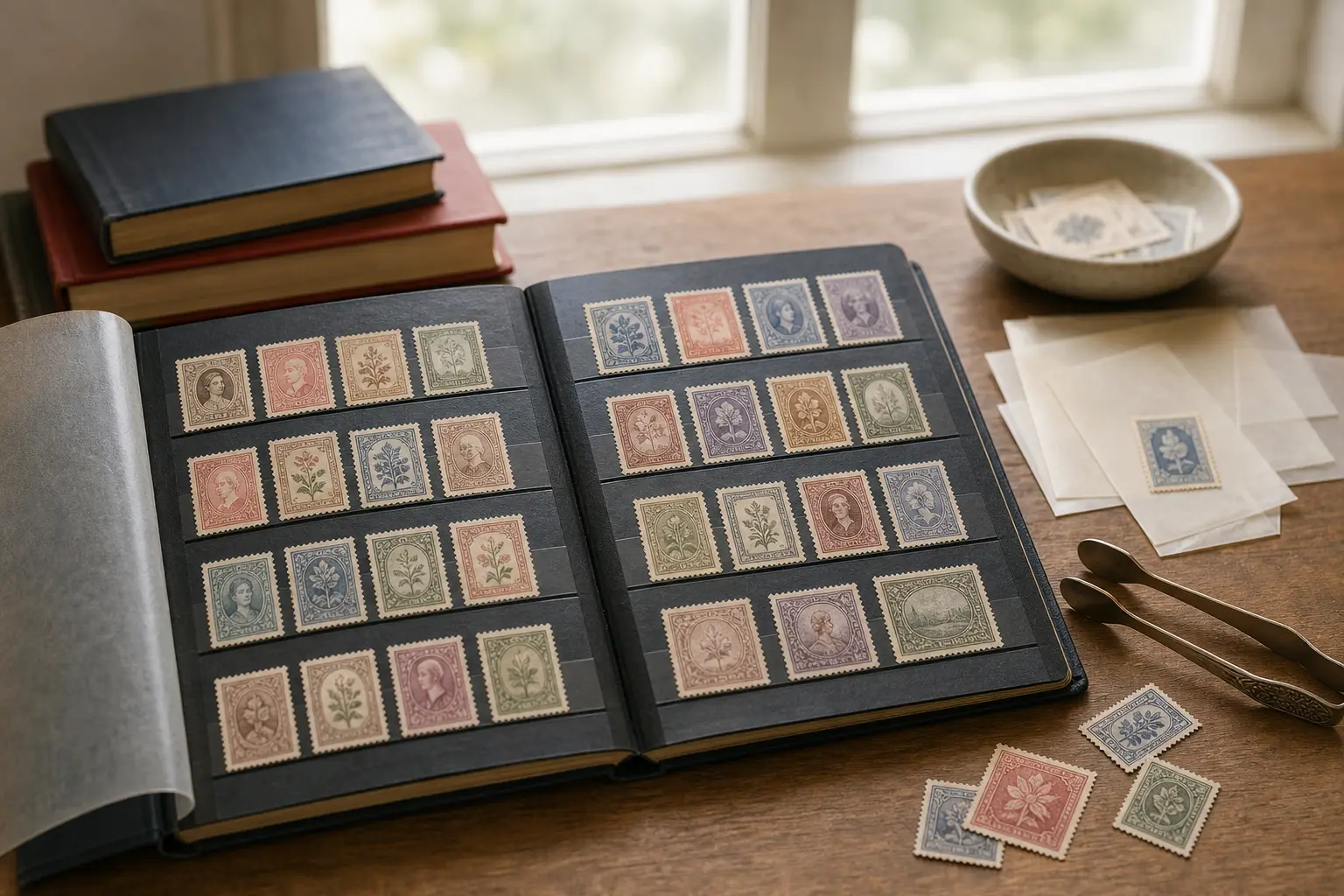
The Smithsonian National Postal Museum says a simple pair of stamp tongs, an album, and a general reference book are enough to start. Tongs help you pick up loose stamps without direct finger contact, which is the safest basic habit for handling material. A magnifying glass can help reveal small design details, and a perforation gauge can separate look-alike issues by measuring perforations.
The museum also mentions watermark detectors, color guides, and catalogs as specialist aids. That said, it is important to compare your observations with reliable references rather than treating any single clue as conclusive. A catalog can record details such as issue date and printing method, but visual clues alone do not settle every identification. When material is delicate or valuable, handle it slowly and avoid risky shortcuts.
How to narrow your choice without regret
If you feel torn between several styles, start with a small test set rather than a lifelong commitment. For example, you might try one country, one topical subject, or one stamp type for a few weeks and see which one keeps your attention. Because stamp collecting can be adapted to different ages, climates, and schedules, there is no need to lock yourself into a large project before you know what you enjoy.
The safest collecting plan is usually the one that matches your real habits. A collector with limited space may prefer a focused topic or a single country. Someone who enjoys variety may prefer worldwide material. Someone who likes neat boundaries may prefer used stamps or a specific type. The goal is not to maximise difficulty; it is to build a collection that you can organise, store, and enjoy.
A simple decision checklist for new collectors
If you want a fast answer, use this order: choose the subject that interests you most, then decide whether you want worldwide, country, topical, or type collecting, then decide whether mint, used, or mixed material suits your budget and storage. After that, gather the basic tools and begin slowly. This sequence keeps the hobby enjoyable and avoids the common mistake of trying to collect too broadly at once.
Remember that collecting is meant to be flexible. You can change direction later, add a second theme, or narrow your scope if a broad idea becomes too hard to manage. The strongest collections usually grow from steady habits, not from starting with an overambitious plan. That is why a simple, sustainable choice is often the best choice.
Frequently asked questions
Is there one best way to start collecting stamps?
No. The APS says there is no right or wrong way to collect stamps, so the best start is the one that matches your interests, space, and time.
Should I begin with worldwide stamps or one country?
Either is fine, but worldwide collecting can become very large very quickly. Many beginners find one country or a topical theme easier to manage.
Are used stamps easier for beginners?
Often yes. The APS notes that used stamps usually cost less than mint stamps and do not require you to preserve gum.
What tools do I need to begin safely?
The Smithsonian National Postal Museum says a pair of tongs, an album, and a general reference book are enough to start, with a magnifying glass and perforation gauge as helpful extras.
Can I trust a visual clue by itself to identify a stamp?
Not always. The Smithsonian advises comparing physical observations with reliable references because a single clue is not always conclusive.