The short answer
When space and time are limited, the safest way to start is to choose one collecting focus instead of trying to collect everything. The American Philatelic Society says there is no right or wrong way to collect, and your collection can be worldwide, country-based, topical, mint, used, or based on another trait that interests you.
A practical first choice is usually the one that matches your habits, not the one that sounds most ambitious. If you enjoy a subject such as animals, ships, or space, topical collecting may fit you well. If you prefer a simpler sorting rule, one country or one stamp type can keep the project manageable.
How to choose a focus that fits your life
Think about the three limits that matter most: space, time, and budget. Worldwide collecting is attractive because it opens the door to stamps from many countries, but the number of new issues is large, and building a complete worldwide collection is unrealistic for most people unless they have a lot of money, space, and time.
Country collecting narrows the task and can be a good middle ground. Many collectors choose their home country, a country they visited, or a place whose stamps they simply like. Some go even narrower and collect only issues from a certain period, which helps keep the scope realistic and easier to organise.
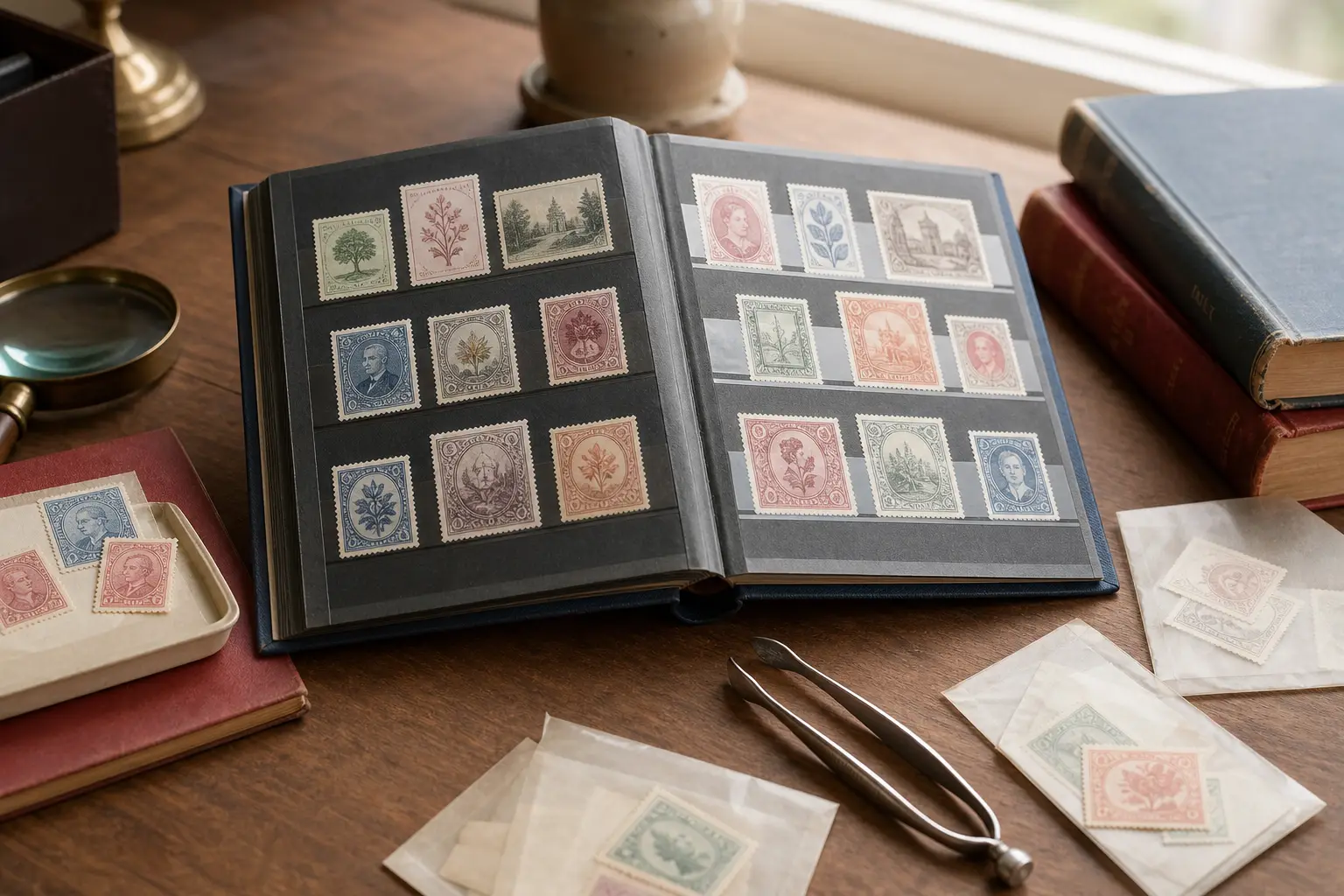
Topical collecting is often the most flexible choice when storage is limited. The source material notes that topics can be very broad or surprisingly specific, and that topical collections can include stamps, special postmarks, first day covers, and postal stationery. That flexibility lets you shape the collection around the material you can actually find and store.
Mint, used, or mixed: a practical decision
If you want a collection that is easier to handle and store, used stamps are often practical because they generally cost less than mint stamps and you do not need to preserve gum. The American Philatelic Society notes that used stamps can be mounted with inexpensive hinges, and some collectors also enjoy the cancellations themselves.
Mint stamps suit collectors who like the look of a stamp in its original sold state, but they require more care. A mixed collection is also acceptable if that is the simplest way to collect what interests you. The important point is that the choice is yours, and your collecting style does not need to match anyone else’s.
Simple tools that help you stay organised
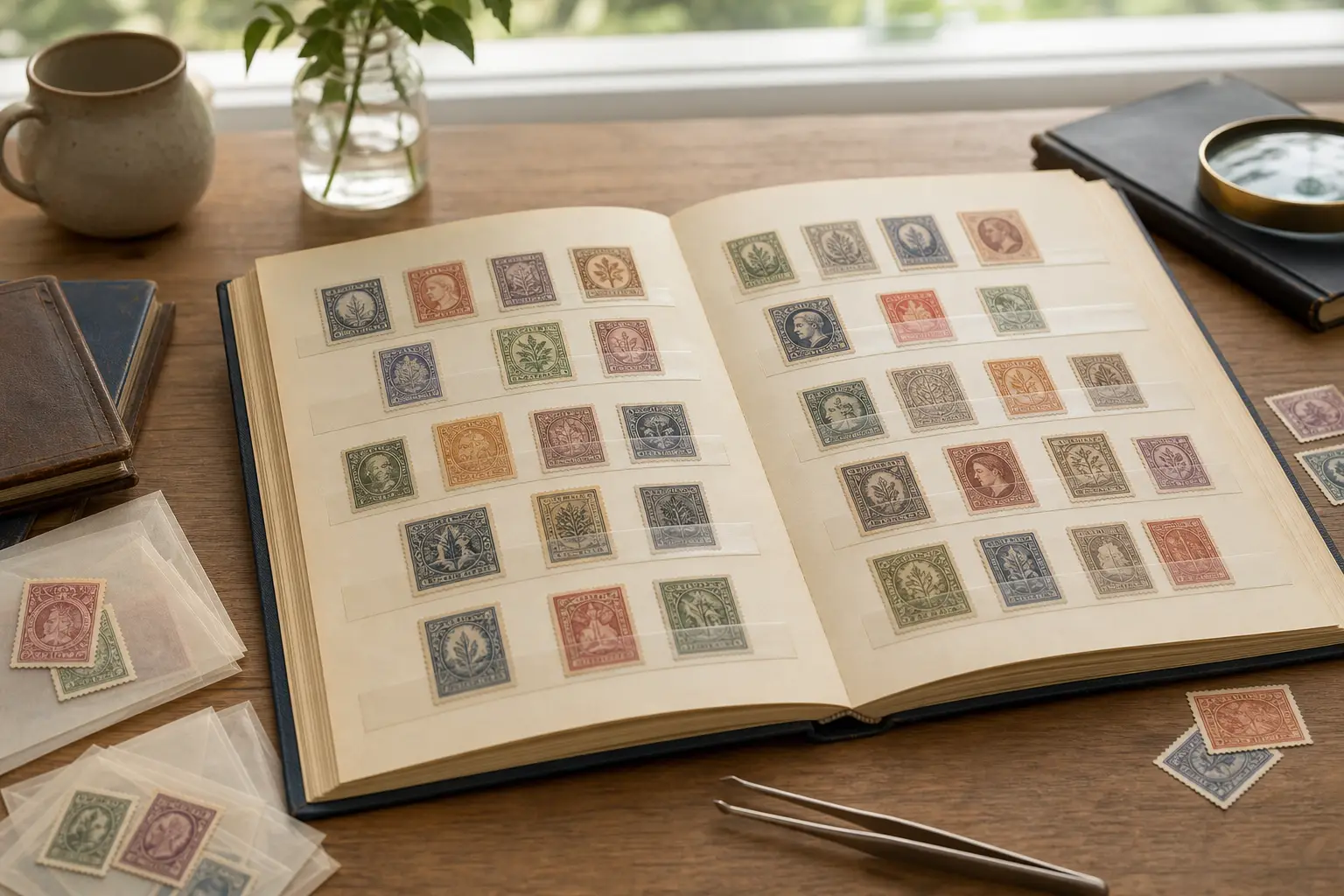
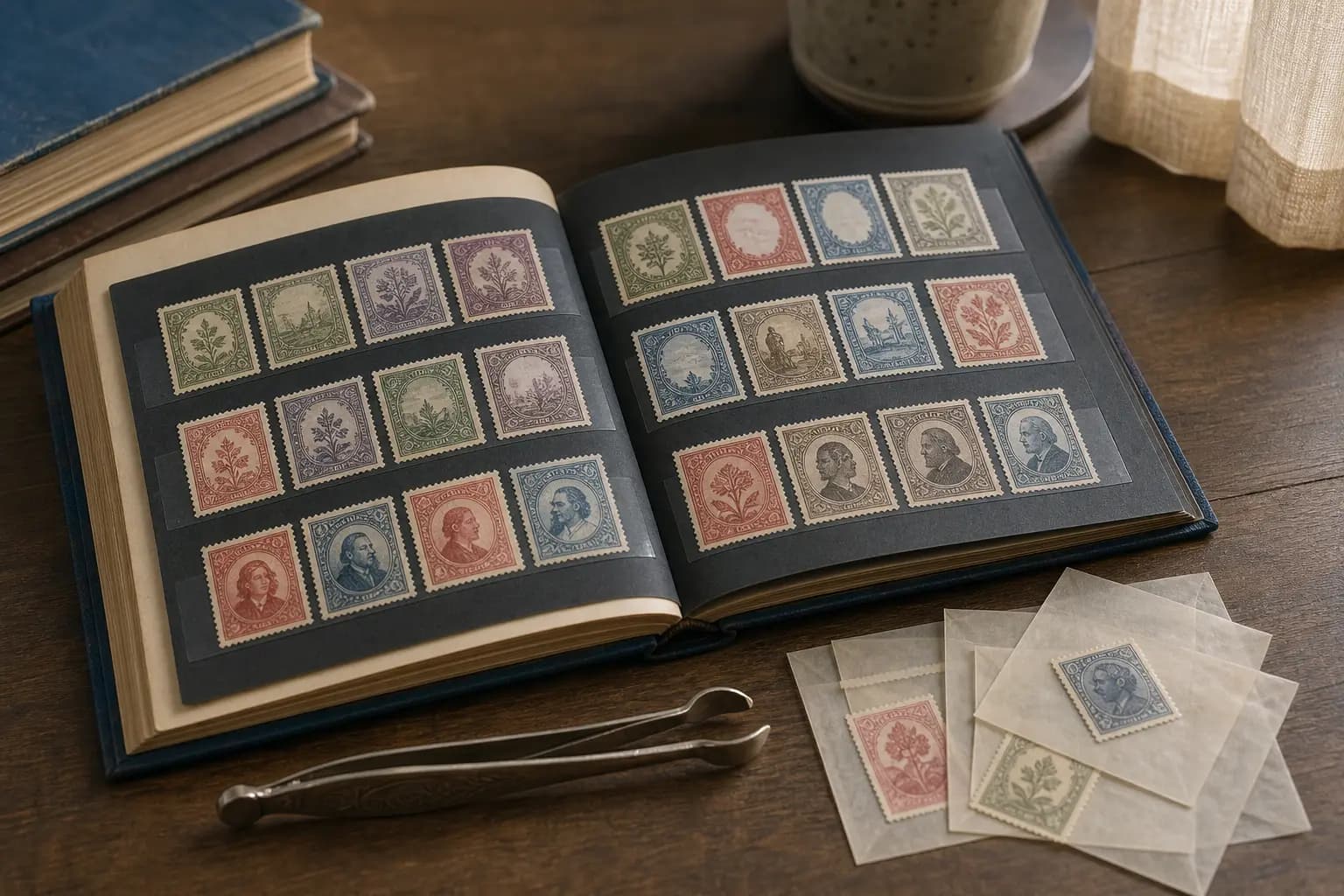
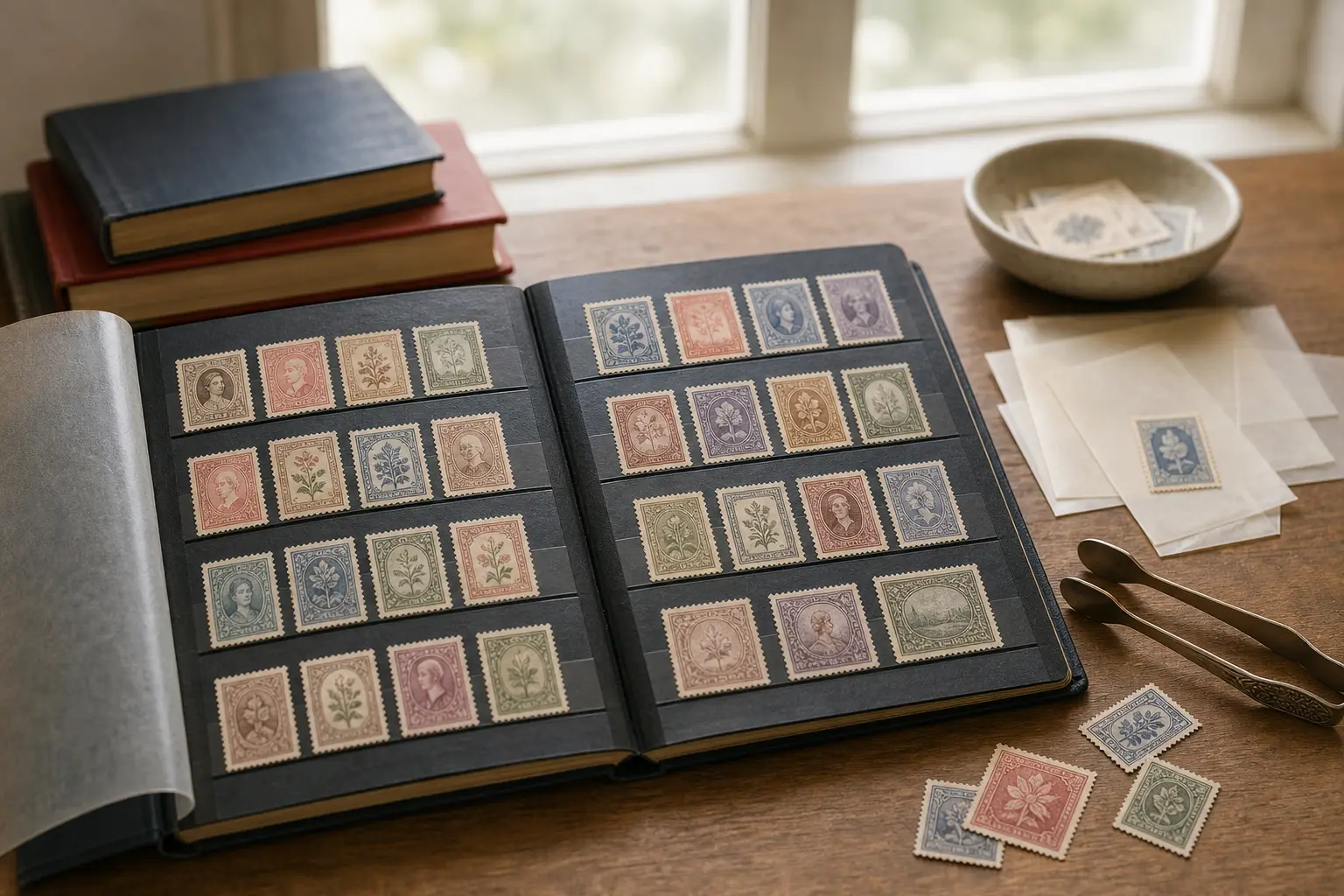
You do not need a large kit to begin. The Smithsonian National Postal Museum says a simple pair of stamp tongs, an album, and a general reference book are enough to start. Tongs help you pick up stamps without direct finger contact, which is safer for the stamp and easier on your hands.
A magnifying glass can help you see small design details, while a perforation gauge can help distinguish look-alike issues by measuring perforations. Watermark detectors, colour guides, and catalogs are useful specialist aids, but the museum also notes that physical observations should be compared with reliable references rather than treated as conclusive on their own. If you use StampSnap to create a likely identification or a collection record, treat the result as a starting point for checking, not as final proof.
A safe way to begin without overcommitting
Start with a small rule set and make it easy to succeed. For example, you might collect one topic, one country, or only stamps from your own mail. That approach lets you learn basic sorting and storage habits without filling your desk, shelves, or schedule.
The APS also notes that stamp collecting is suitable for nearly all ages and does not require special skills or great wealth. That makes it a hobby you can build slowly. If you find a focus becomes too broad, narrow it before the collection becomes stressful. If it feels too narrow, widen it in a controlled way, such as adding covers or postal stationery within the same topic.
How to organise a small collection well
Organisation matters more than size when space is tight. Use an album structure that matches your chosen focus, and keep notes on why each stamp belongs in the collection. For topical collections, a simple list of subjects can prevent duplicates and help you decide what to include next.
The APS describes collecting as a hobby that can continue for years, so a collection does not need to be finished quickly. A good small collection grows in clear steps. When you stay consistent, even a modest album can become a meaningful record of your interests, especially if you keep the scope defined from the beginning.
When to change direction
Change your focus if your first idea proves too expensive, too broad, or too hard to store. That is not a mistake; it is part of learning what type of collecting suits you best. Many collectors move from broad worldwide collecting to a country, then to a narrower period or topic as their interests become clearer.
If you are unsure, compare a few possible directions before buying much material. Make a short list of the stamps or subjects you enjoy most, then choose the one that looks easiest to keep organised over time. A well-chosen focus is more valuable than a large but messy accumulation.
Frequently asked questions
What should I collect first if I have very little space?
Choose one narrow focus, such as one topic, one country, or a simple mint-or-used rule, rather than trying to collect everything.
Is worldwide collecting a good choice for beginners?
It can be enjoyable, but the APS notes that trying to collect every stamp worldwide is unrealistic for most people unless they have a lot of money, space, and time.
Are used stamps easier to collect than mint stamps?
Often yes, because used stamps usually cost less and do not require gum preservation. Some collectors also enjoy their cancellations.
What basic tools do I need to start?
The Smithsonian National Postal Museum says a pair of stamp tongs, an album, and a general reference book are enough to begin.
Can I combine stamps, covers, and postal stationery in one collection?
Yes. The APS says topical collectors often include special postmarks, first day covers, and postal stationery alongside stamps.