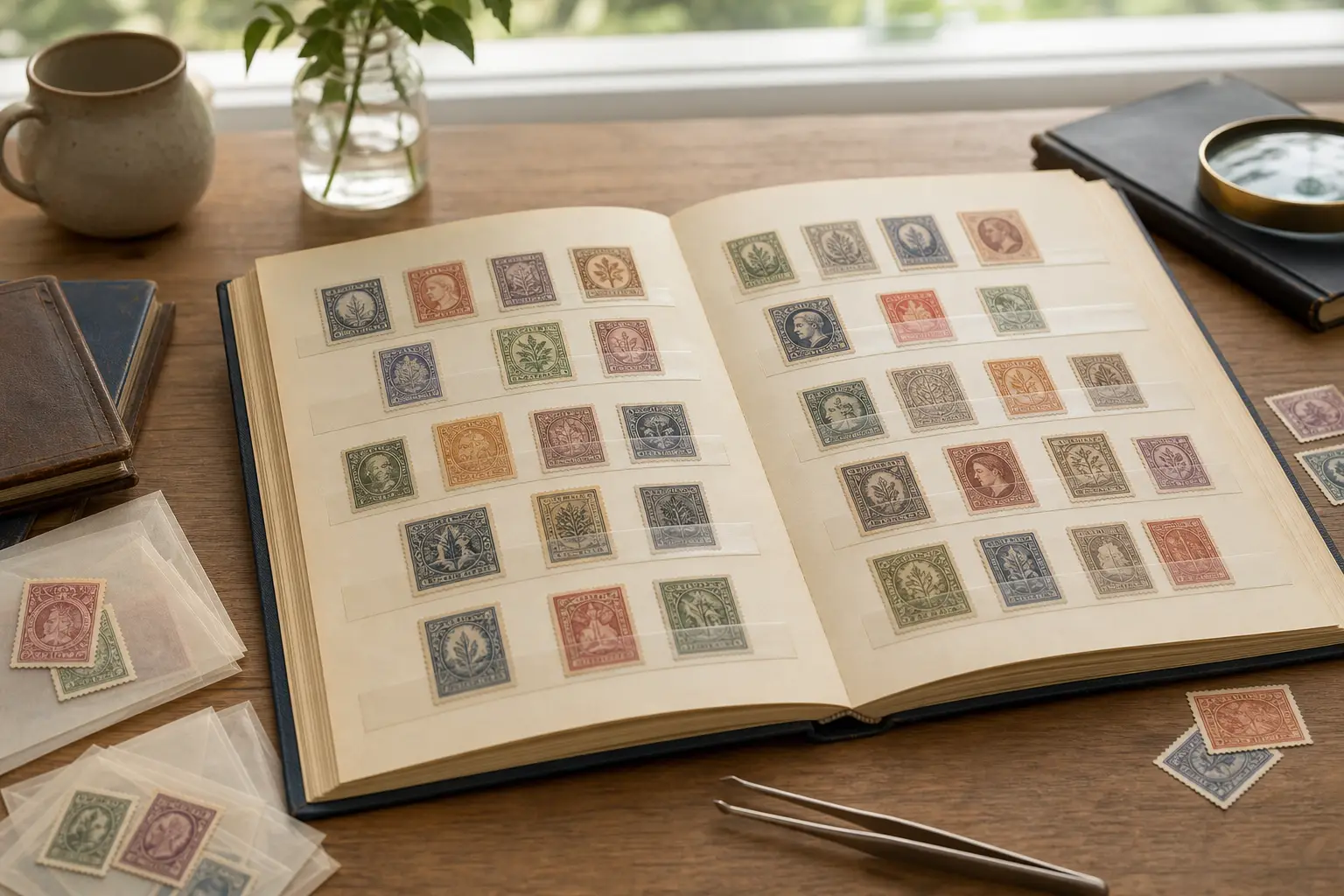
Start with one clear collecting goal
The best first question is not “Which stamp is best?” but “What do I want my collection to be about?” Stamp collecting can be as broad or as narrow as you like, and there is no single right way to do it. You may collect for enjoyment, learning, or the satisfaction of building a set that reflects your interests.
A good starting focus should feel manageable with the space, time, and budget you actually have. Trying to collect everything worldwide is possible in theory, but it quickly becomes unrealistic for most people because countries issue so many stamps each year. A smaller goal is usually easier to enjoy and easier to organise.
Choose a focus that fits your interests
Many collectors begin with a topic they already enjoy. Topical collecting lets you build around subjects such as animals, flowers, ships, space, scouts, Disney, or sports. You can also look for related postmarks, first day covers, and postal stationery if they fit your theme and your collecting habits.
If a topic feels too broad, narrow it further. A collector who likes space might choose only spacecraft, only astronauts, or only stamps showing rockets. The point is not to copy someone else’s idea of a complete collection, but to choose a subject you will still want to sort, compare, and expand over time.
Decide whether to collect by country, topic, or type
Country collecting is another straightforward way to begin. Some people choose their home country, a place they visited, or a country whose stamps they find attractive. In some cases, collecting every stamp from one country may be possible, but for many countries you may still need to narrow the scope further.
You can also collect by type. Some collectors focus on airmail stamps, coil stamps, special delivery, or postage due issues. Others prefer a simpler rule such as collecting only stamps from one era, or only stamps issued since a certain year. These narrower choices can make the collection easier to understand and catalog.
Mint, used, or a mixture: pick one practical path
Another important choice is whether you want mint stamps, used stamps, or a mixture of both. Mint stamps have not been used, while used stamps have served their postal purpose. Some collectors prefer mint because they like the original appearance, while others prefer used because the stamps may be less expensive and do not require concern about preserving gum.
Used stamps can also bring cancellations into the collecting story, since some collectors value the postmarks themselves. A mixed collection is fine too, especially when you are still learning what you enjoy most. Stamp collecting is personal, and the best choice is the one you can maintain without frustration.
Use simple tools and compare with trusted references
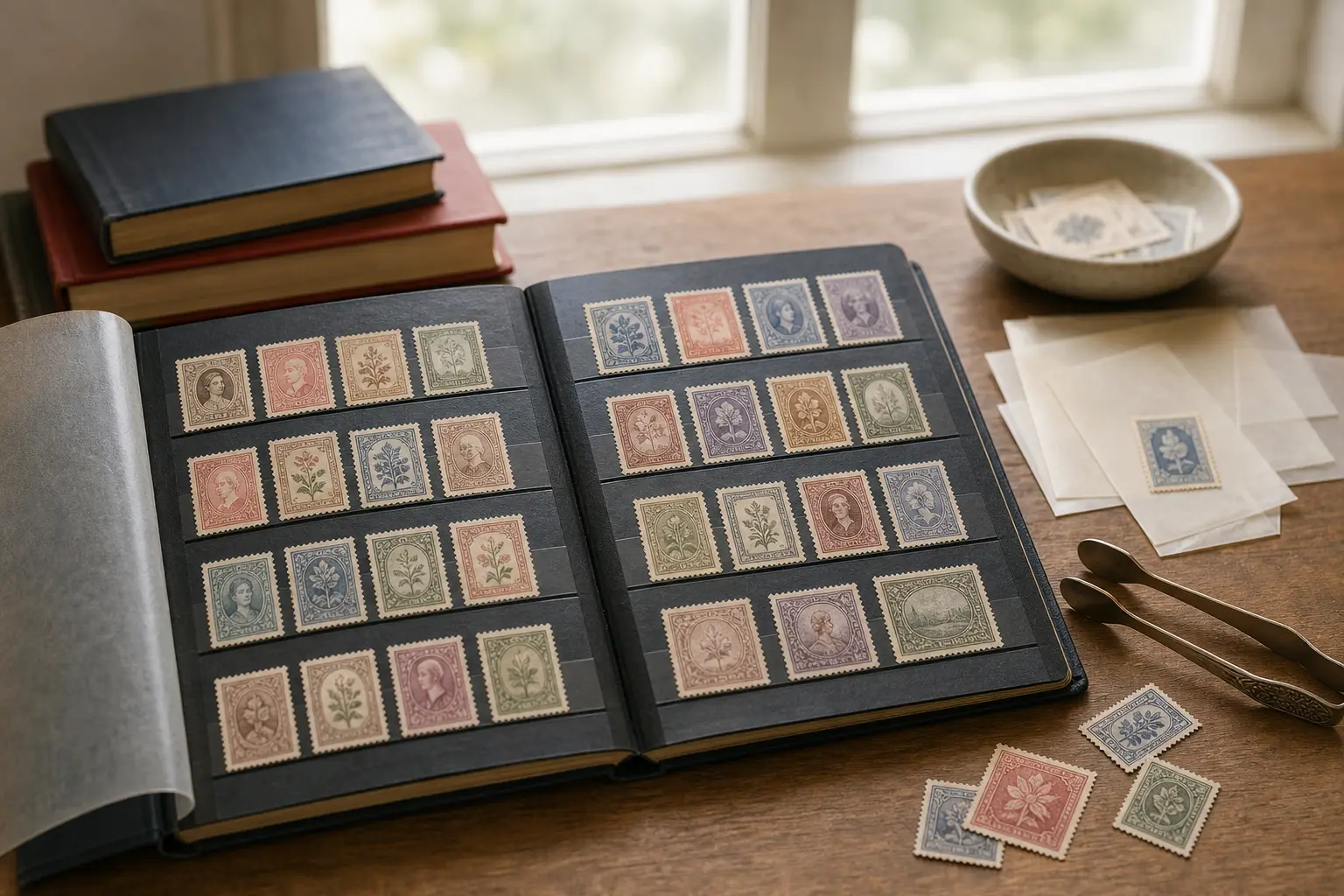
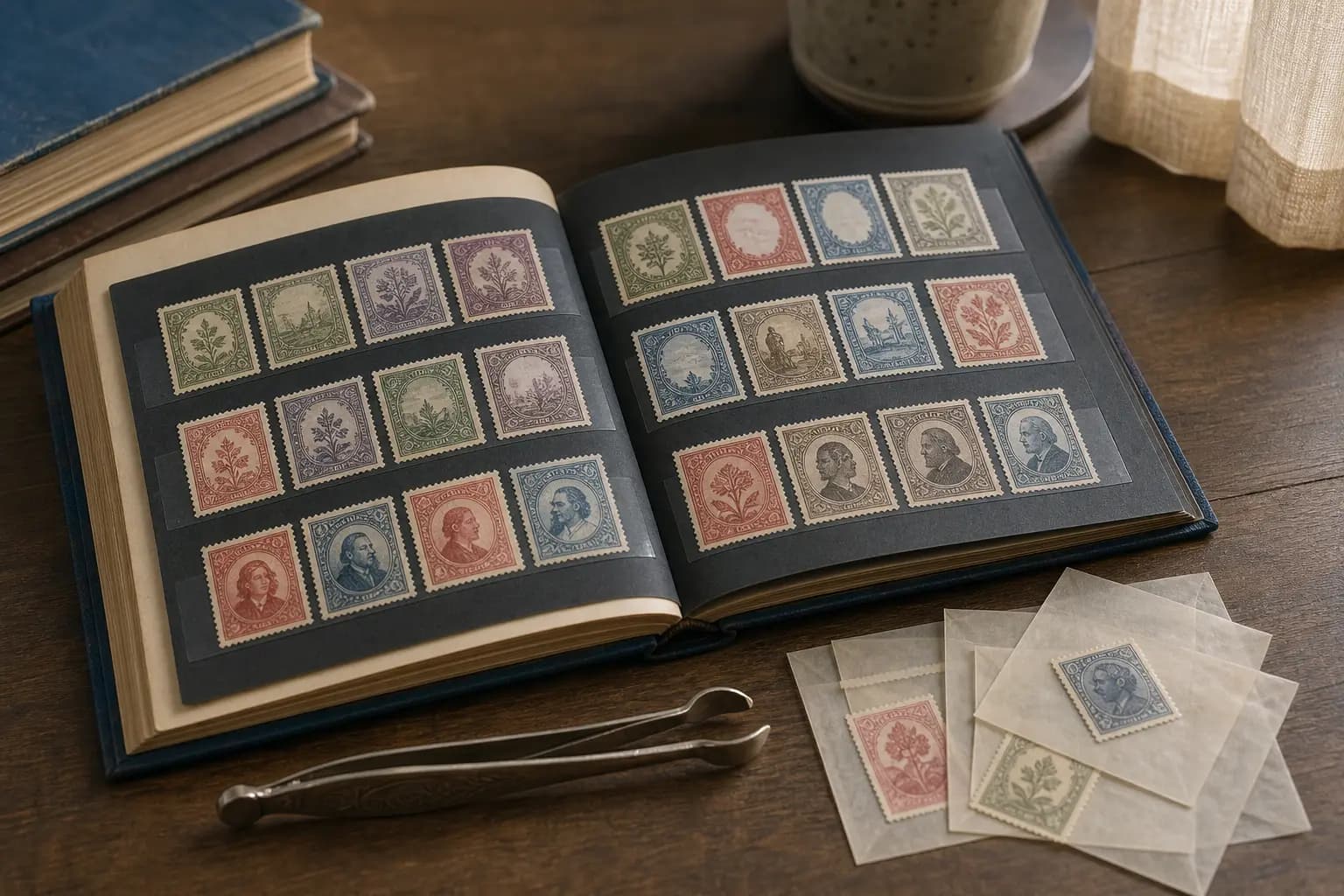
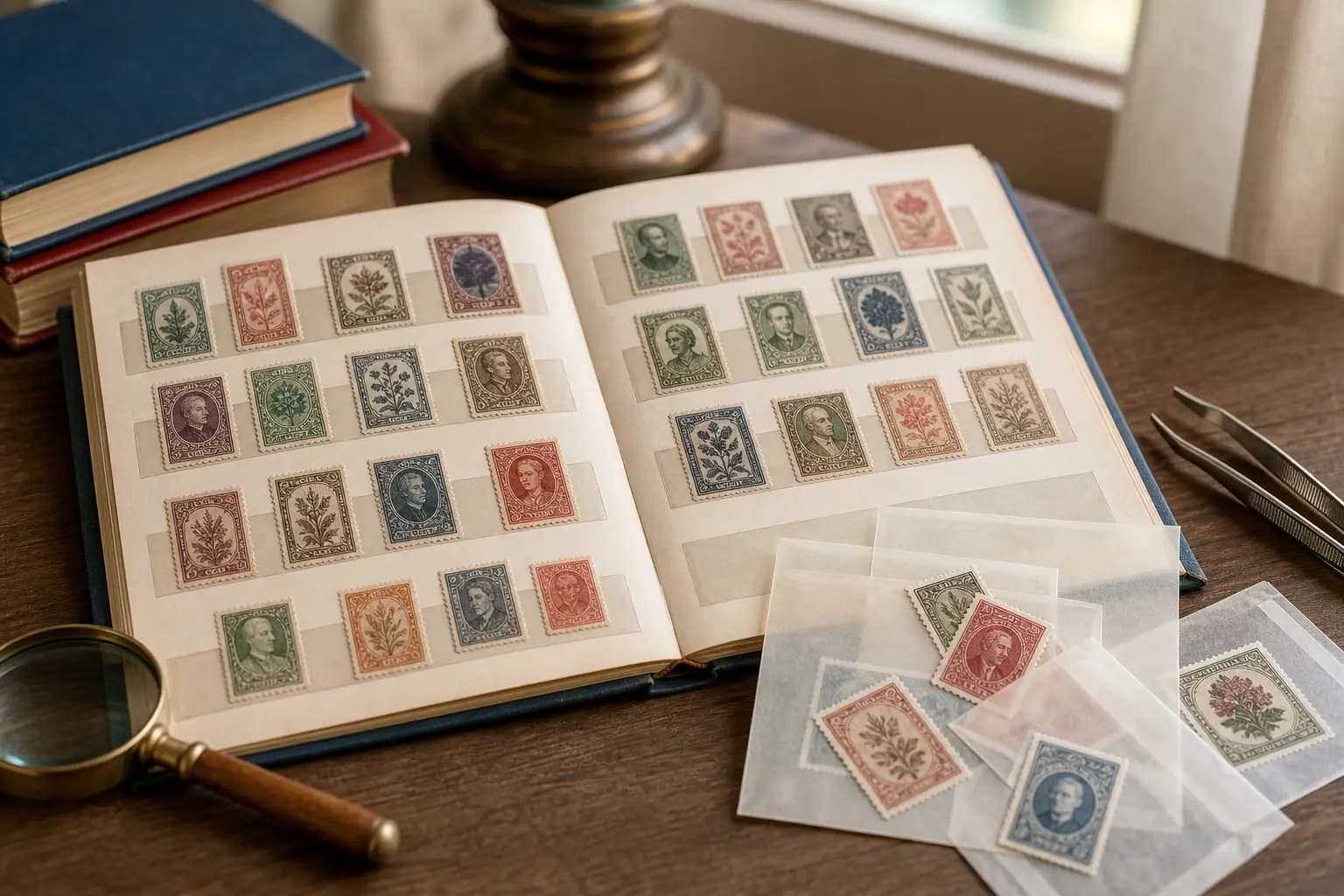
You do not need complicated equipment to start. A simple pair of stamp tongs, an album, and a general reference book are enough for a new collector. Tongs help you handle loose stamps without direct finger contact, which is a safer habit than using your fingers on every item.
A magnifying glass can help you see small design details, and a perforation gauge can help distinguish look-alike issues by measuring perforations. More specialised aids such as watermark detectors, color guides, and catalogs can be useful later, but physical observations should be checked against reliable references rather than treated as final proof on their own.
Build slowly so the collection stays manageable
A good first collection is one that you can actually maintain. If your focus is too broad, the material can become hard to sort and hard to store well. If it is too narrow, you may lose interest quickly. The practical middle ground is a focus that gives you enough variety to keep learning while still feeling organised.
If you want to create a record of your finds, StampSnap can help you organise a likely identification or collection note, but it should be treated as a helper rather than a final authority. Keep your own observations, compare them with references, and revise your notes when new information appears.
A simple method for choosing your first focus
If you are unsure where to begin, ask four questions: What subject do I enjoy? How much space do I have? How much time can I give this? Do I want mint, used, or both? The best answer is usually the one that makes collecting feel enjoyable rather than demanding.
After that, choose one clear rule and keep it for a while. For example, you might collect one country, one topic, or one stamp type, and then build from there. Once the habit is established, you can always expand later, but starting with a defined focus makes the hobby easier to learn.
Frequently asked questions
What is the easiest first way to collect stamps?
Many beginners find it easiest to start with one country, one topic, or one stamp type, because a narrow focus is simpler to sort and store.
Should I collect mint or used stamps first?
Either is acceptable. Mint stamps keep their unused appearance, while used stamps often cost less and do not require concern about preserving gum.
Is worldwide collecting a good first choice?
It can be exciting, but it is usually unrealistic to try to collect every stamp worldwide because so many are issued each year.
Do I need special tools to begin?
No. A pair of stamp tongs, an album, and a general reference book are enough to start safely.
Can I collect by shape or color instead of country?
Yes. Some collectors choose stamps by shape, color, birthday, or other personal rules, and the hobby allows that flexibility.