The short answer: pick a focus that keeps collecting enjoyable
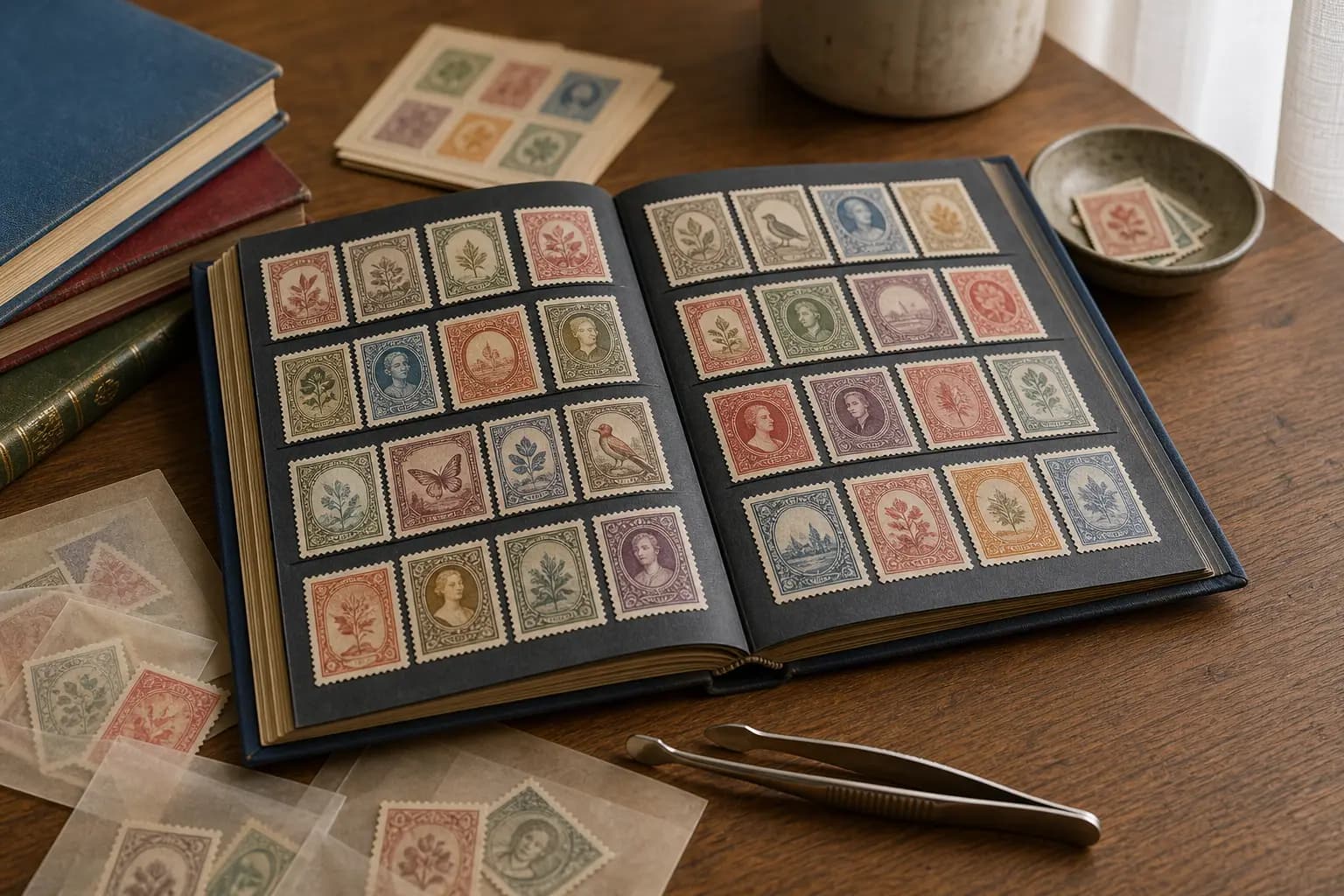
The best stamp collection is the one you will keep building. According to the American Philatelic Society, there is no right or wrong way to collect, and your collection can be whatever you want it to be. Many collectors begin with a theme, a country, or a simple preference such as mint or used stamps. The key is to choose a focus that matches your interests, available time, and space, rather than trying to gather everything.
That practical approach matters because stamp collecting can become broad very quickly. The APS notes that the world’s countries issue about 10,000 postage stamps each year, so a worldwide approach can become unrealistic unless you have a lot of money, space, and time. A narrower focus is often easier to manage, easier to understand, and more rewarding over time because you can learn the material as you collect it.
Start with the three most common collecting paths
Many collectors choose one of three broad paths: worldwide collecting, country collecting, or topical collecting. Worldwide collecting is simple in concept because you collect stamps from many countries, but it can quickly become large. Country collecting narrows the field to one nation, often your home country, a place you know well, or a country whose stamps appeal to you visually.
Topical collecting is useful if you want variety without losing direction. The APS says topical collections can cover subjects such as animals, birds, flowers, ships, space, scouts, Disney, sports, and many more. This style also allows you to include related material such as special postmarks, first day covers, and postal stationery when those items fit your topic. A topical collection can be especially satisfying if you enjoy building a display around one idea rather than one place.
Mint, used, or mixed: choose the condition style first
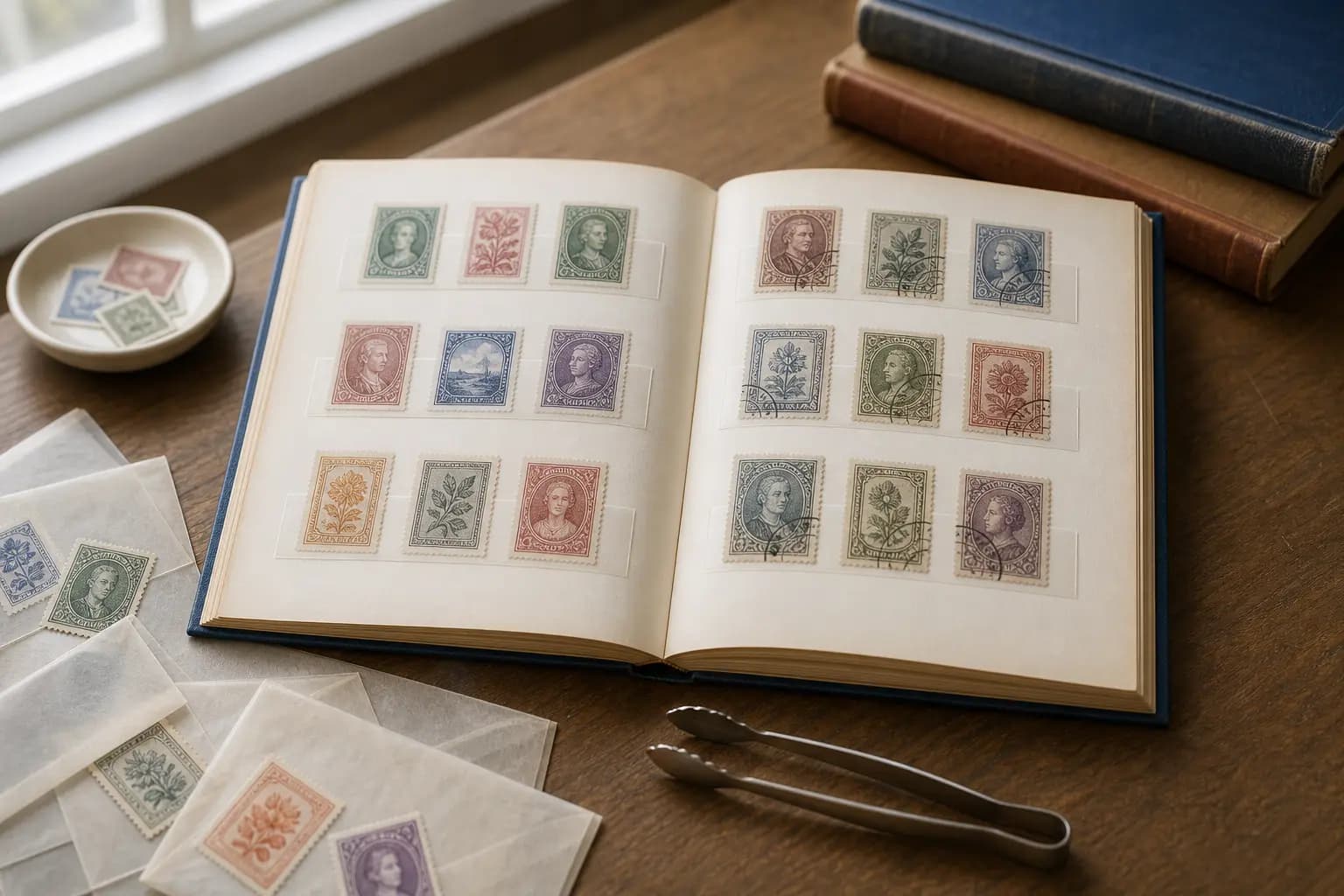
Another useful decision is whether you prefer mint stamps, used stamps, or a mixture of both. Mint stamps have never been used and look the way they did when sold at the post office. Used stamps have served their postal purpose. The APS notes that many collectors naturally come to prefer one or the other, and that the choice is entirely yours.
Used stamps can have practical advantages. The APS explains that they often cost less than mint stamps, though there are exceptions, and you do not have to worry about preserving gum on used stamps. That can make mounting simpler, especially if you want to use inexpensive stamp hinges. Some collectors also enjoy used stamps because the cancellations are part of the story and may be interesting in their own right.
Specialize further when a broad theme becomes too large
Once you choose a broad direction, it is normal to narrow it further. The APS notes that some collectors limit a country collection to stamps issued since they were born, or choose a specific stamp type such as airmail, coil, special delivery, or postage due. Others collect by shape, color, or a very specific idea. This is a good method when a broad category starts to feel too large or unfocused.
A narrow specialty can also make collecting easier to organize. For example, you might decide to collect only one color, only stamps from a chosen period, or only items with cancels that fit a certain pattern. The exact focus matters less than having a clear rule that helps you decide what to keep and what to pass over. If you later change direction, that is normal too; collections often evolve as collectors learn more.
Use simple tools to sort safely and compare what you have
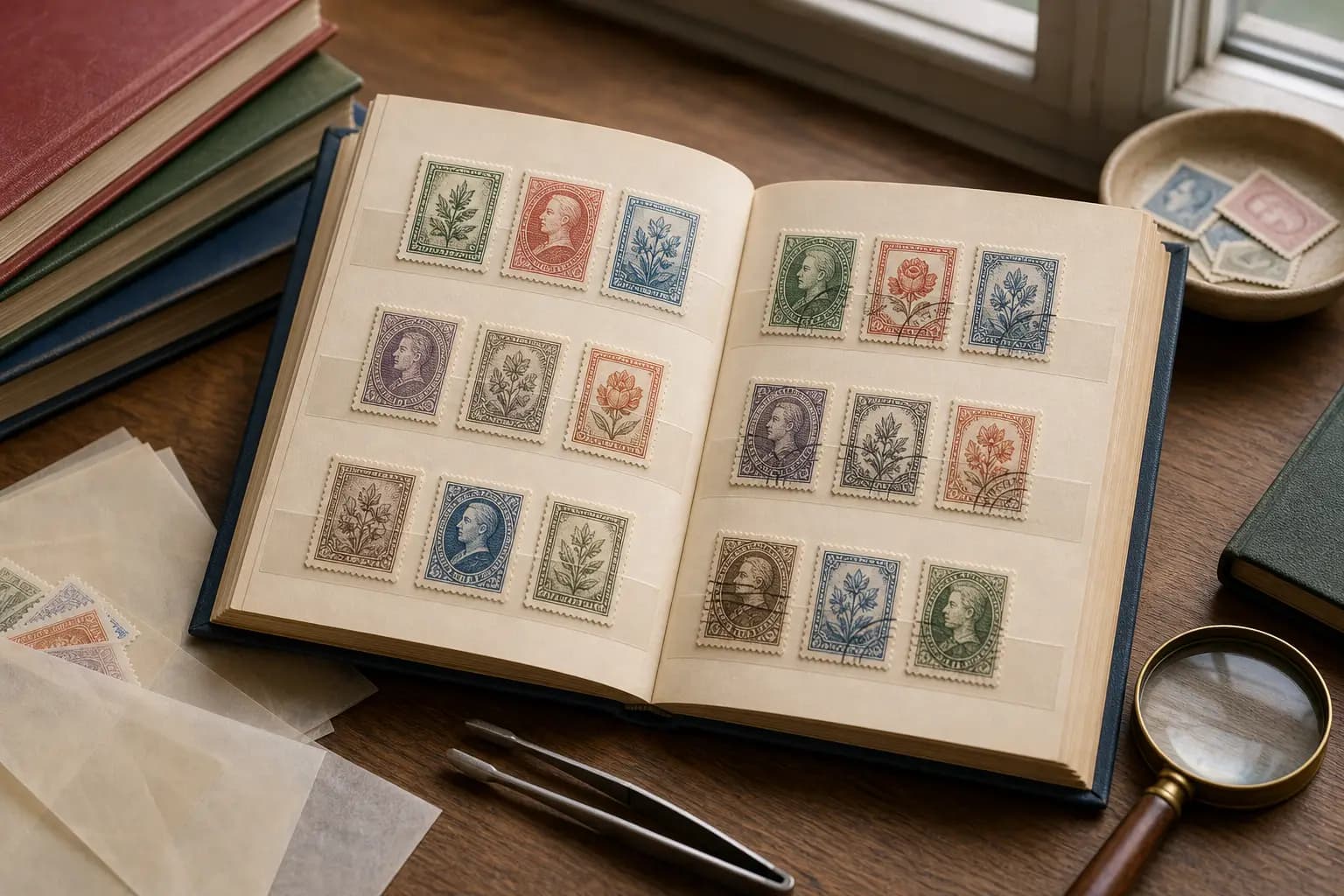
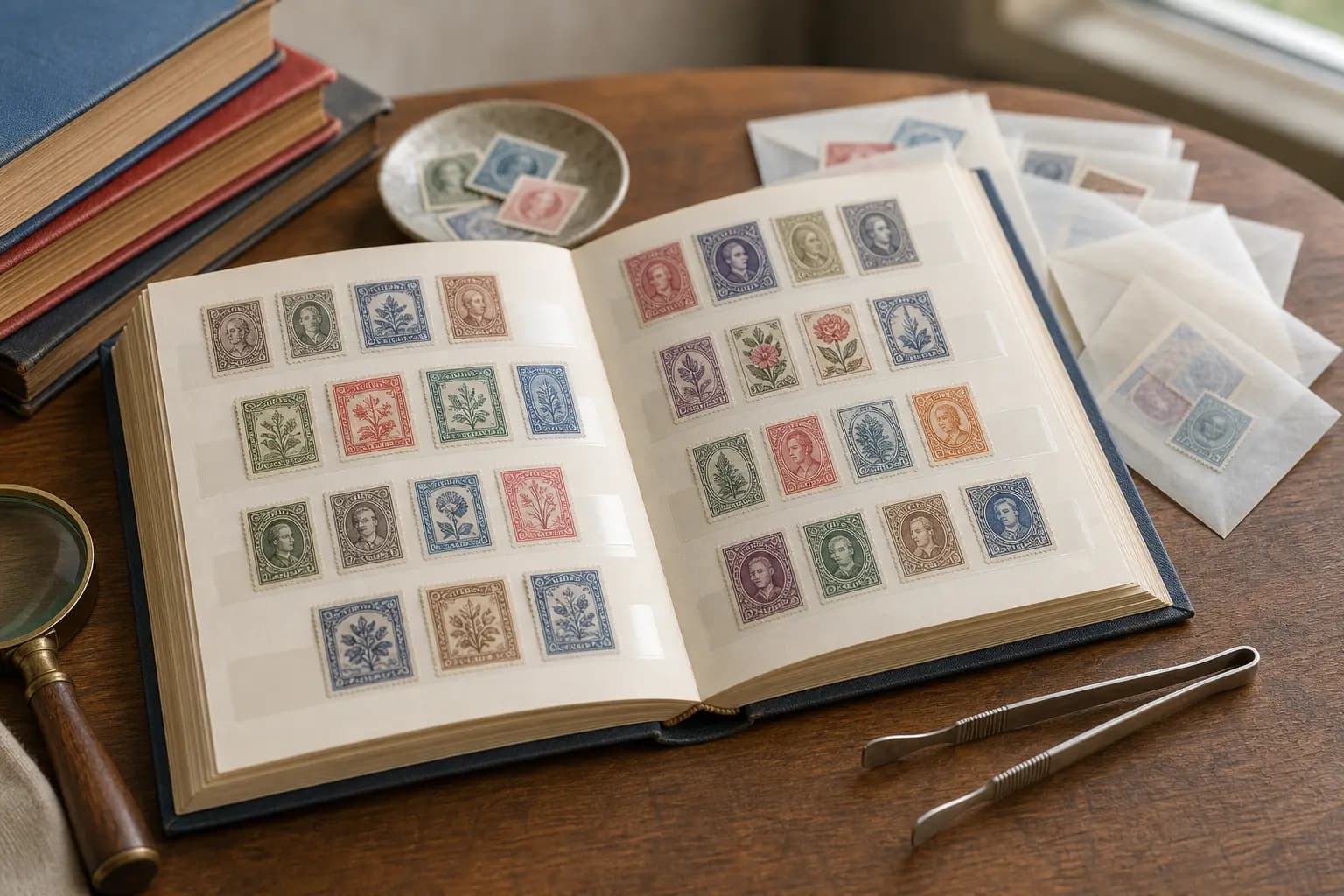
The Smithsonian National Postal Museum recommends a simple starter set: stamp tongs, an album, and a general reference book. Tongs let you pick up loose stamps without direct finger contact, which helps reduce handling damage. A magnifying glass can reveal small design details, and a perforation gauge can help distinguish look-alike issues by measuring perforations.
The museum also describes watermark detectors, color guides, and catalogs as specialist aids. Catalogs can record details such as issue date and printing method, but the museum cautions that physical observations should be compared with reliable references rather than treated as conclusive on their own. That is important for collectors because a close-looking stamp may still be a different issue, and a safe, methodical comparison is better than guessing from one clue alone.
Build a collection that fits your life, not someone else’s idea
Stamp collecting should be practical as well as enjoyable. The APS says it is suitable for nearly all ages, does not require special skills or great wealth, and can be done all year regardless of climate. That means you do not need a grand plan to begin. You can start with stamps from your mail, a handful from a dealer or exchange, or a single subject that already interests you.
If you want a better way to keep track of what you find, StampSnap can help you create a likely identification or collection record as you sort. Use it as a organizing aid, not as final proof. When a stamp seems important, confirm the details with a catalog, magnification, and other trusted references before you make any collecting decision. A good collection is usually built on patience, consistency, and careful checking.
A simple decision process for choosing your specialty
A safe way to choose your collecting focus is to ask four questions: what do you enjoy looking at, what can you realistically find, what can you store, and what will you still want to study after the first week? If a theme passes those tests, it is probably a good candidate. If it feels too broad, narrow it. If it feels too narrow, broaden it slightly.
This process works because it keeps the hobby aligned with your real life. A collection you can maintain is better than a collection you cannot sort or enjoy. Whether you choose country collecting, topical collecting, mint, used, or a smaller specialty such as a type, shape, or color, the goal is the same: create a collection that teaches you something and makes you want to keep going.
Frequently asked questions
Is there one best way to choose what stamps to collect?
No. The APS says there is no right or wrong way to collect. The best choice is the one that matches your interests, time, space, and budget.
Should a beginner start with worldwide collecting?
Worldwide collecting is possible, but the APS notes that it can become unrealistic because so many stamps are issued each year. A narrower focus is often easier for a beginner.
What is the difference between mint and used stamps?
Mint stamps have never been used and look as they did when sold at the post office. Used stamps have served their postal purpose.
What tools are enough to begin sorting stamps safely?
The Smithsonian National Postal Museum says a simple pair of stamp tongs, an album, and a general reference book are sufficient starting tools.
Can I trust a visual clue by itself when identifying a stamp?
Not always. The Smithsonian National Postal Museum says catalogs and other references should be used alongside physical observations, because clues by themselves are not conclusive.