The short answer: choose the format that suits your goals
If you are deciding between mint and used stamps, the safest answer is that neither is automatically better. The right choice depends on what you want to study, how you want to mount your collection, and whether you enjoy original, unused stamps or stamps that have already served postal use.
The American Philatelic Society notes that most people eventually prefer either mint or used stamps, and that the choice is personal. Used stamps often cost less than mint stamps, though there are exceptions, while mint stamps preserve the look they had when sold at the post office. Used stamps may also be attractive because their cancellations can be part of the collecting interest.
What mint and used actually mean
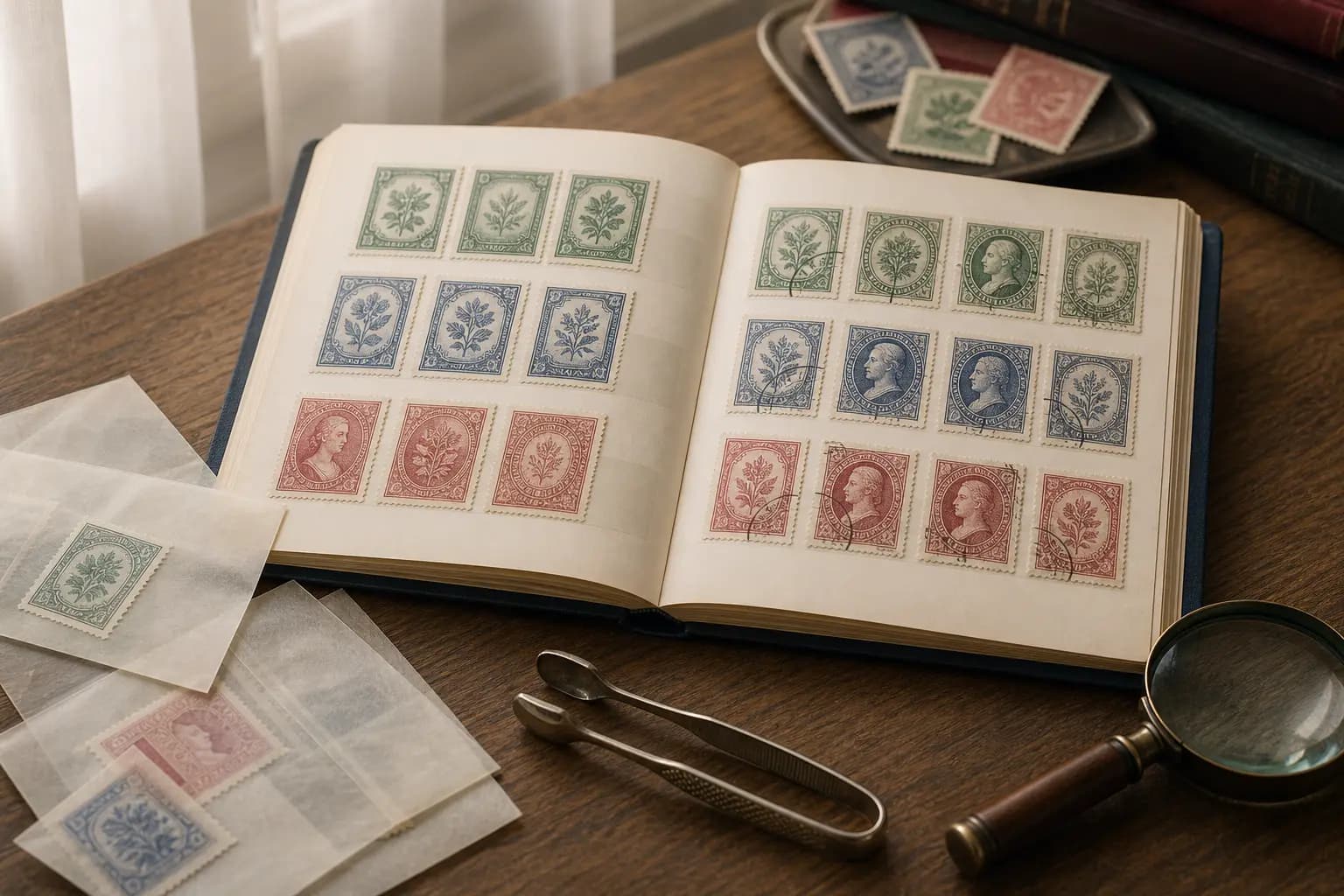
Mint stamps have never been used and look as they did when issued for sale. Used stamps have carried mail and have completed their postal purpose. That difference matters because it changes what you can observe, what needs preserving, and how you can build the collection over time.
For many collectors, the choice is not only visual. Mint collecting can place more emphasis on preserving the stamp in its original unused state, while used collecting can place more emphasis on postal use, cancels, and the story of the mailed item. The APS also notes that many collectors build mixed collections, so you do not have to choose only one path forever.
How to decide what fits your collecting style
Start by asking what you enjoy most. If you like clean design, original appearance, and the idea of keeping stamps as issued, mint may suit you. If you are more interested in postmarks, postal use, and a broader range of material at lower average cost, used stamps may be a better match.
The APS describes many ways to collect, including worldwide, country-based, topical, by type, by shape, and by color. Mint versus used is only one decision inside that larger choice. A topical collector, for example, may care more about finding the right subject than about whether the stamp is mint or used, while a country specialist may prefer one format for consistency in an album.
Practical differences for storage and mounting
Used stamps have one practical advantage: you do not have to worry about preserving gum on the back, and the APS notes that inexpensive stamp hinges can be used to mount them on album pages. That does not mean hinges are suitable for every item, but it does explain why many collectors find used stamps simpler to organize.
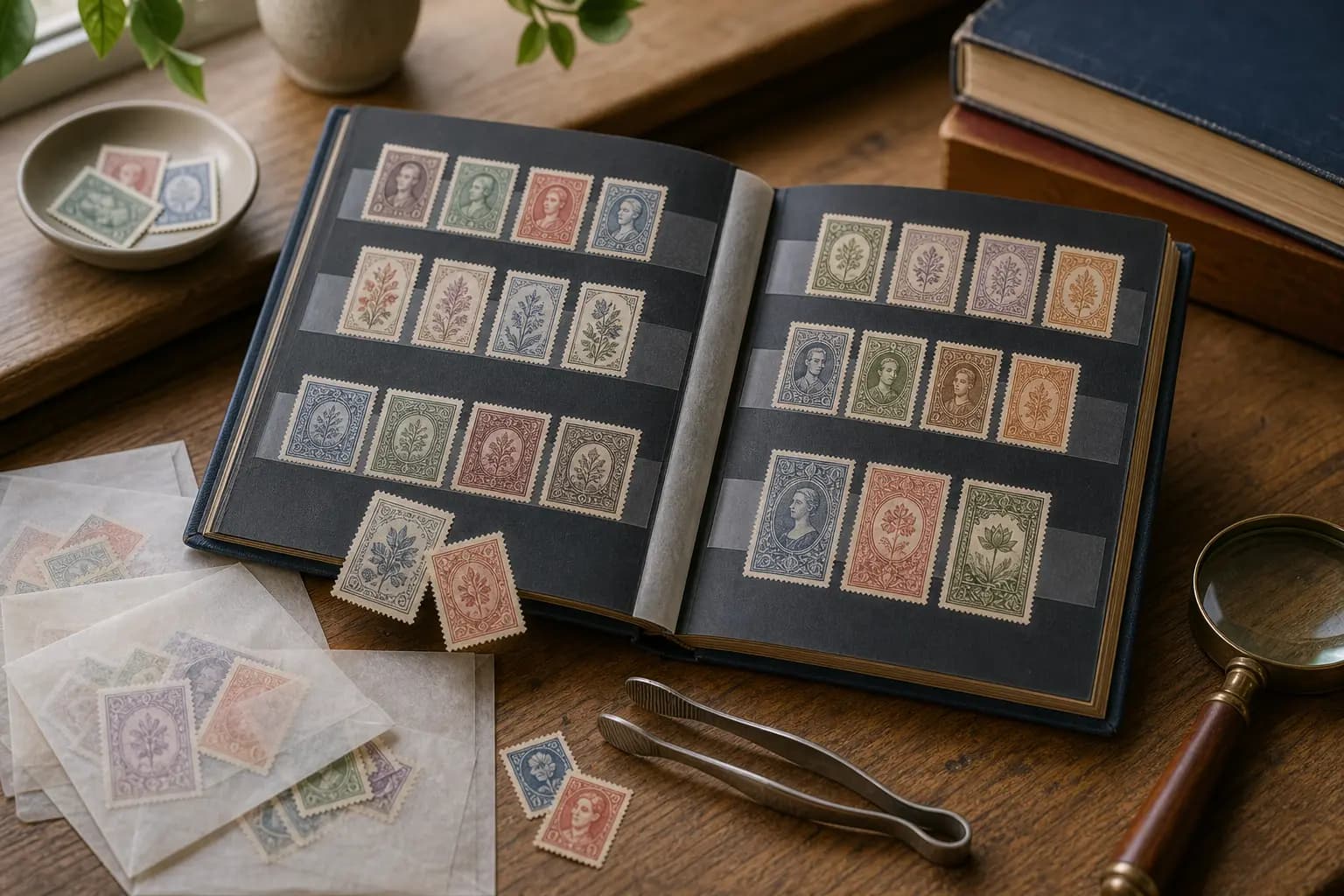
Mint stamps deserve more care because they are valued by many collectors for their original condition. Handle both formats with stamp tongs rather than fingers so you avoid direct contact. The Smithsonian National Postal Museum identifies stamp tongs, an album, and a general reference book as sufficient starting tools, and it also recommends using magnification and reference works to support identification instead of relying on a single visual clue.
How to compare mint and used stamps safely
A careful comparison begins with observation, not intervention. Look at the overall design, the condition of the paper, the presence or absence of a cancellation, and any visible signs that may help you decide how the stamp fits your collecting plan. Use a magnifying glass for small details and a perforation gauge if you are comparing look-alike issues.
If you use StampSnap, treat it as a way to create a likely identification or collection record, not as an authority. The Smithsonian source specifically advises comparing physical observations with reliable references, including catalogs that may record details such as issue date and printing method. That conservative approach is useful for mint and used stamps alike.
When a mixed collection is the best solution
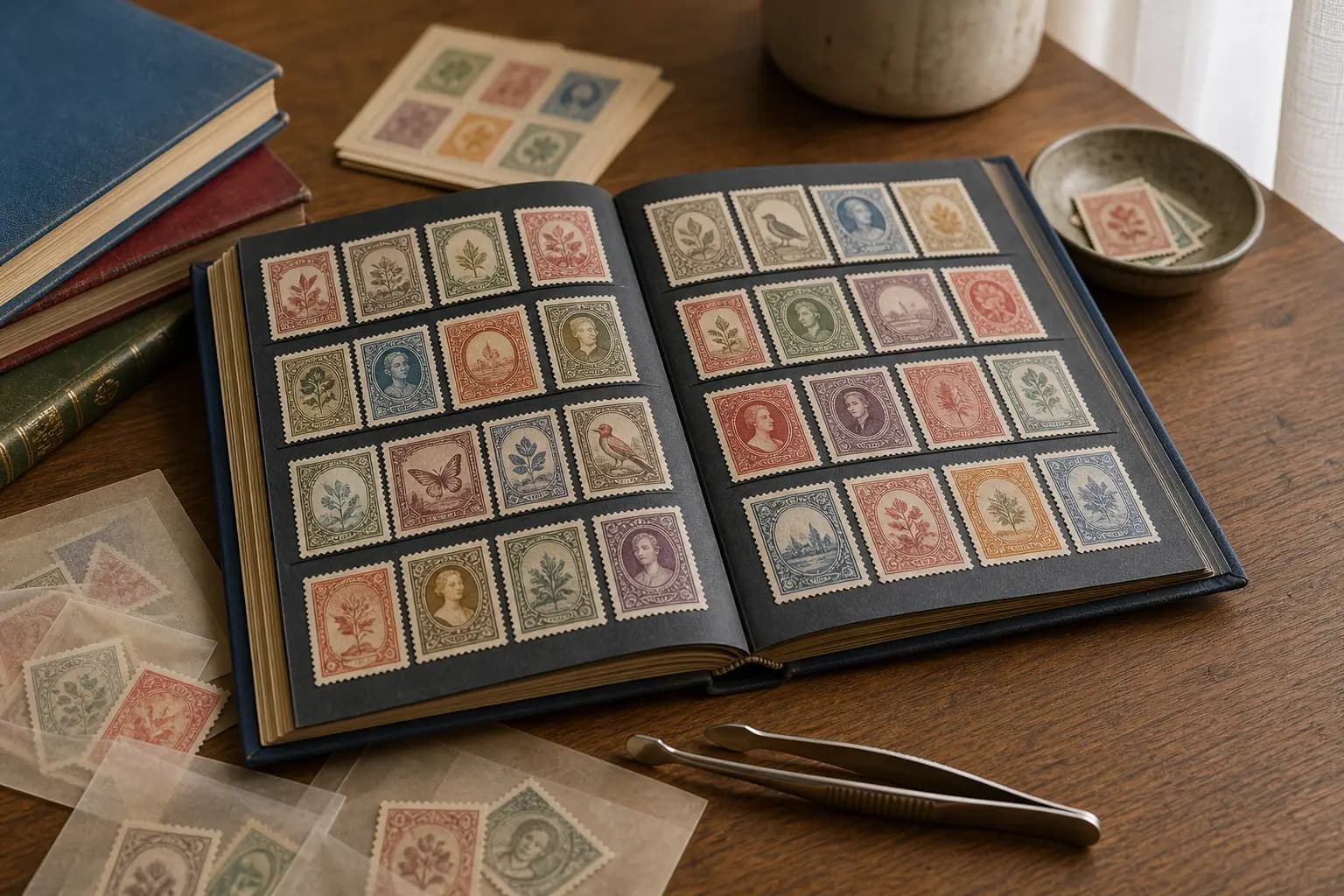
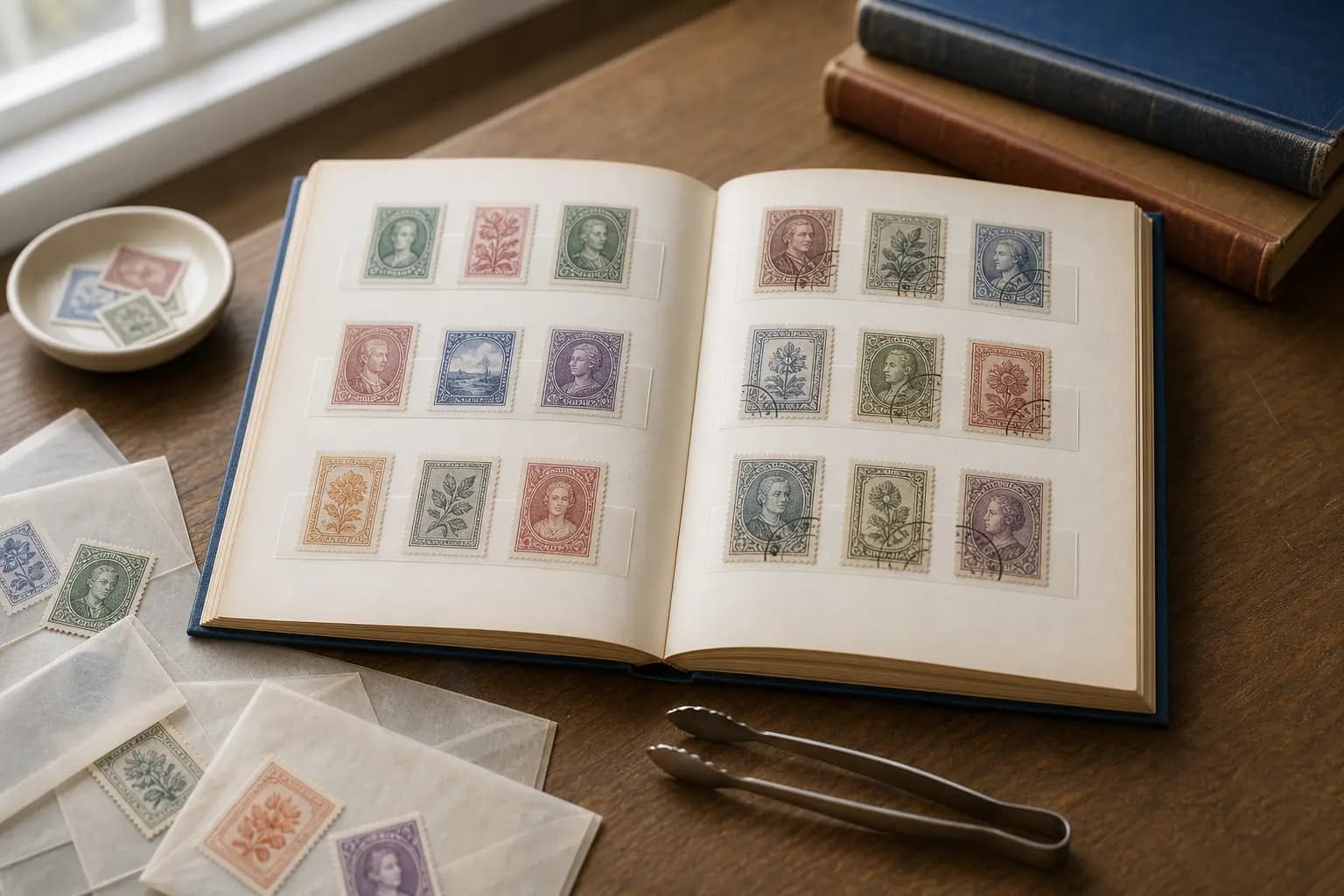
Many collectors do not stay in only one category. A mixed collection can be the most realistic path if you want to balance budget, variety, and interest. You may choose mint for some modern issues, used for older material, or mint for one topic and used for another. The APS makes clear that there is no right or wrong way to collect.
Mixed collecting also helps if your interests change. You can begin with what is easiest to obtain, then narrow your focus later. Because stamp collecting is flexible and suitable for nearly all ages, it is normal for a collector’s preferences to evolve as knowledge grows. What matters most is that your collection remains enjoyable and manageable.
A safe decision process for beginners
A practical way to decide is to test both formats on a small scale. Compare a few mint and used examples of the same country, series, or topic. Notice which ones you enjoy sorting, storing, and studying. Keep your test material dry, flat, and separated so you do not damage either format while you are learning.
If you are unsure, begin with the format that is easier to organize and matches your goals. There is no need to force a permanent choice early. The most useful collecting plan is one that can be maintained safely, with proper tools, clear records, and steady reference checking whenever an item seems uncertain.
Frequently asked questions
Is there a right choice between mint and used stamps?
No. The APS says the choice is personal, and many collectors prefer one format, the other, or a mixture of both.
Are used stamps always cheaper than mint stamps?
Often used stamps cost less than mint, but the APS notes there are exceptions.
Do used stamps need less preservation care?
Used stamps do not require gum preservation, which can make them simpler to mount, but they still need safe handling and storage.
What tools help when comparing mint and used stamps?
The Smithsonian National Postal Museum recommends stamp tongs, an album, a general reference book, a magnifying glass, and a perforation gauge as useful starting tools.
Can I build a mixed collection of mint and used stamps?
Yes. The APS says the choice is yours, and many collectors use a mixture when that fits their interests and goals.