The Mystery of the Nameless Stamp
When sorting through a new batch of stamps, collectors frequently encounter specimens that completely lack a country name. While almost every nation in the world is required to print its name clearly on its postage, one notable exception exists. If you have a stamp with no country name, it is almost certainly from Great Britain. This unique omission is a historic privilege granted exclusively to the nation that invented the postage stamp.
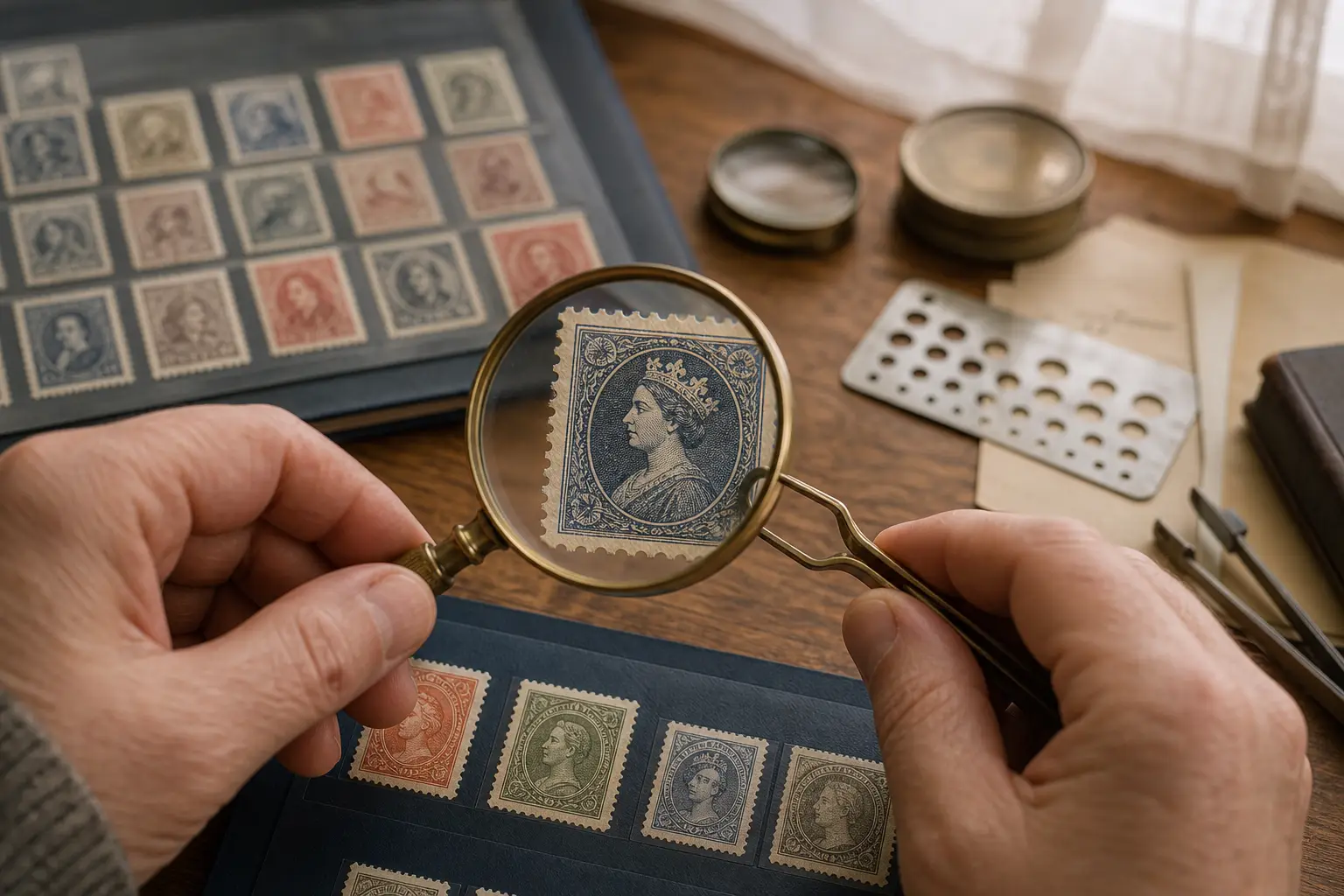
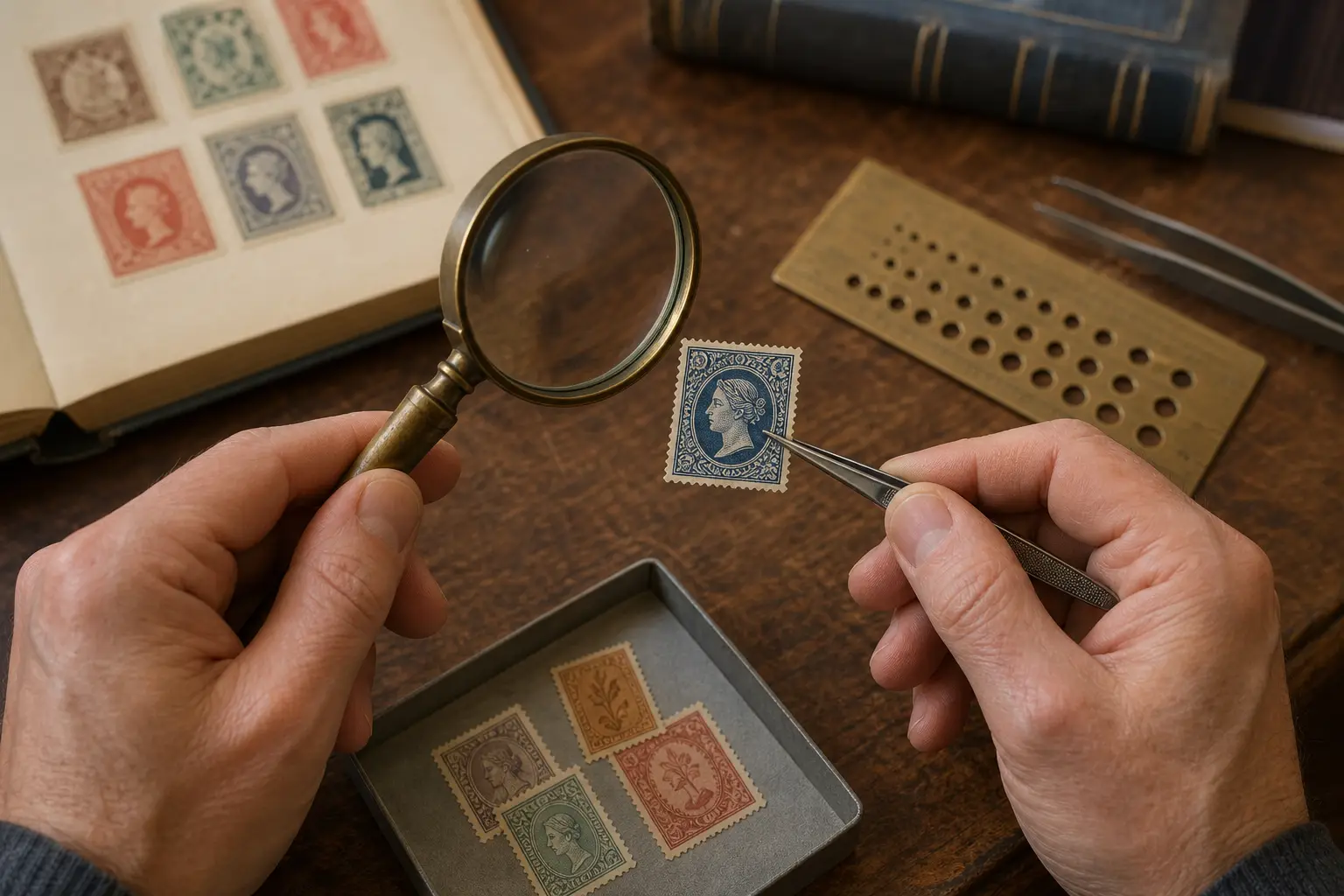
Instead of a printed country name, Great Britain identifies its postage by featuring an image of the ruling monarch. This portrait is often located in the upper right-hand corner of commemorative issues or serves as the central design on definitive stamps. Scanning the stamp with StampSnap can help you create a likely identification record and narrow down the specific monarch shown on your specimen.
The History Behind the Omission
To understand why Great Britain is permitted to omit its name, we must look back to the birth of the postage stamp. Sir Rowland Hill is generally credited with the revolutionary idea of requiring prepayment of postage and using adhesive stamps to prove that payment had been made. Before this system was introduced, the recipient of a letter had to pay for delivery upon arrival. This led to a high rate of refused mail, as many recipients could not or would not pay the delivery fees.
Great Britain issued the world's very first postage stamps in 1840. This historic issue, nicknamed the Penny Black, featured a portrait of Queen Victoria. Because Great Britain was the only country issuing postage stamps at the time, there was no need to print a country name to distinguish its mail from international counterparts. This historical precedent was preserved as other nations adopted the system, leaving Great Britain with the permanent privilege of using only the monarch's image.
How to Recognize the Ruling Monarch
Because Great Britain's stamps rely on the monarch's portrait for national identification, recognizing the ruler is key to dating and organizing your stamps. For early classic issues, you will find the portrait of Queen Victoria. Later issues feature subsequent monarchs, including King Edward VII, King George V, King Edward VIII, King George VI, Queen Elizabeth II, and King Charles III. On modern commemorative stamps, the monarch's silhouette is typically reduced to a small, elegant profile in one of the upper corners.
Identifying the specific monarch requires careful observation of the portrait's details. Because some portraits can look similar to the untrained eye, collectors should consult a comprehensive stamp catalog. A catalog serves as an excellent reference book, providing detailed illustrations, issue dates, and descriptions of the designs to help you match the portrait to the correct historical era.
Tools for Safe Handling and Inspection
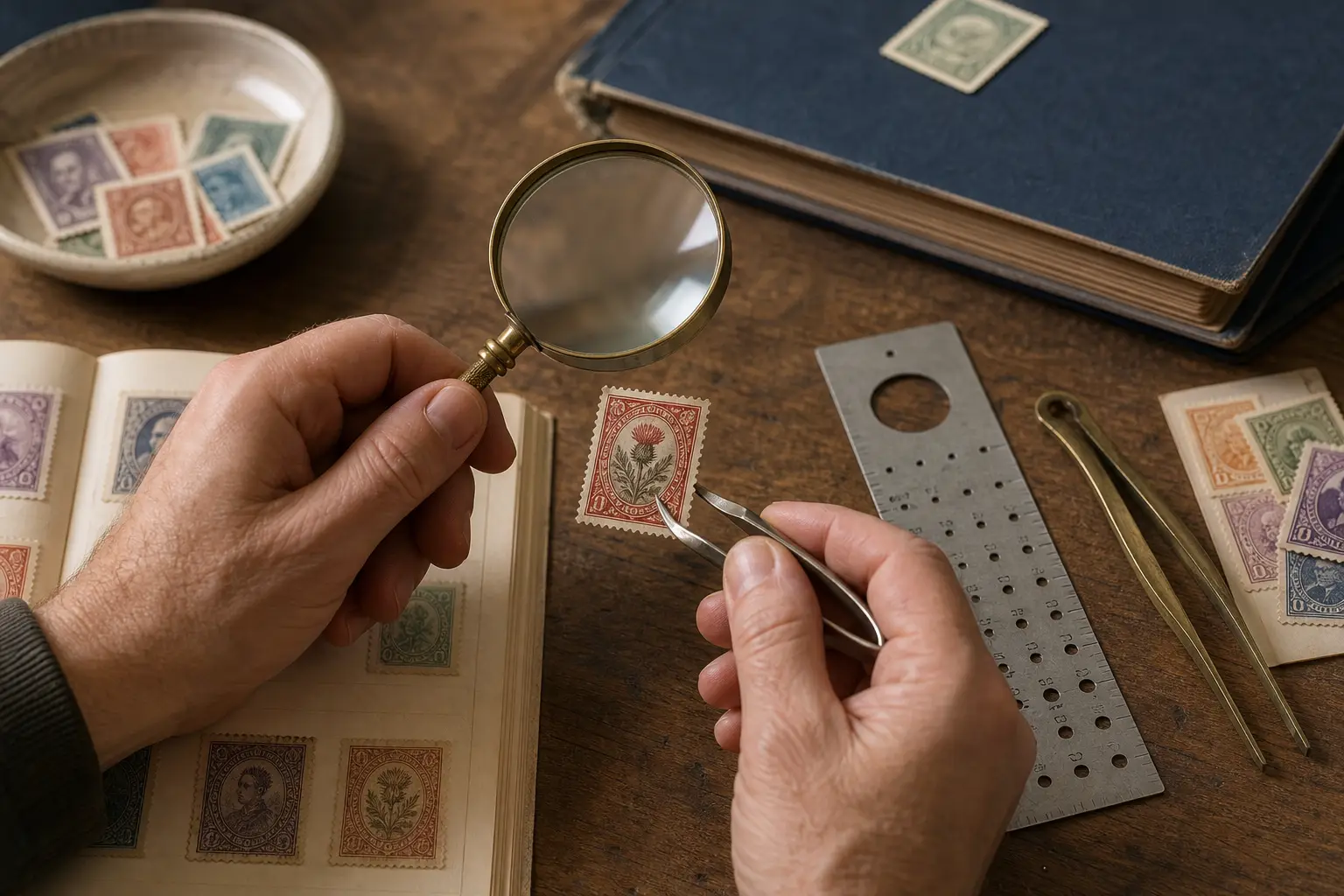
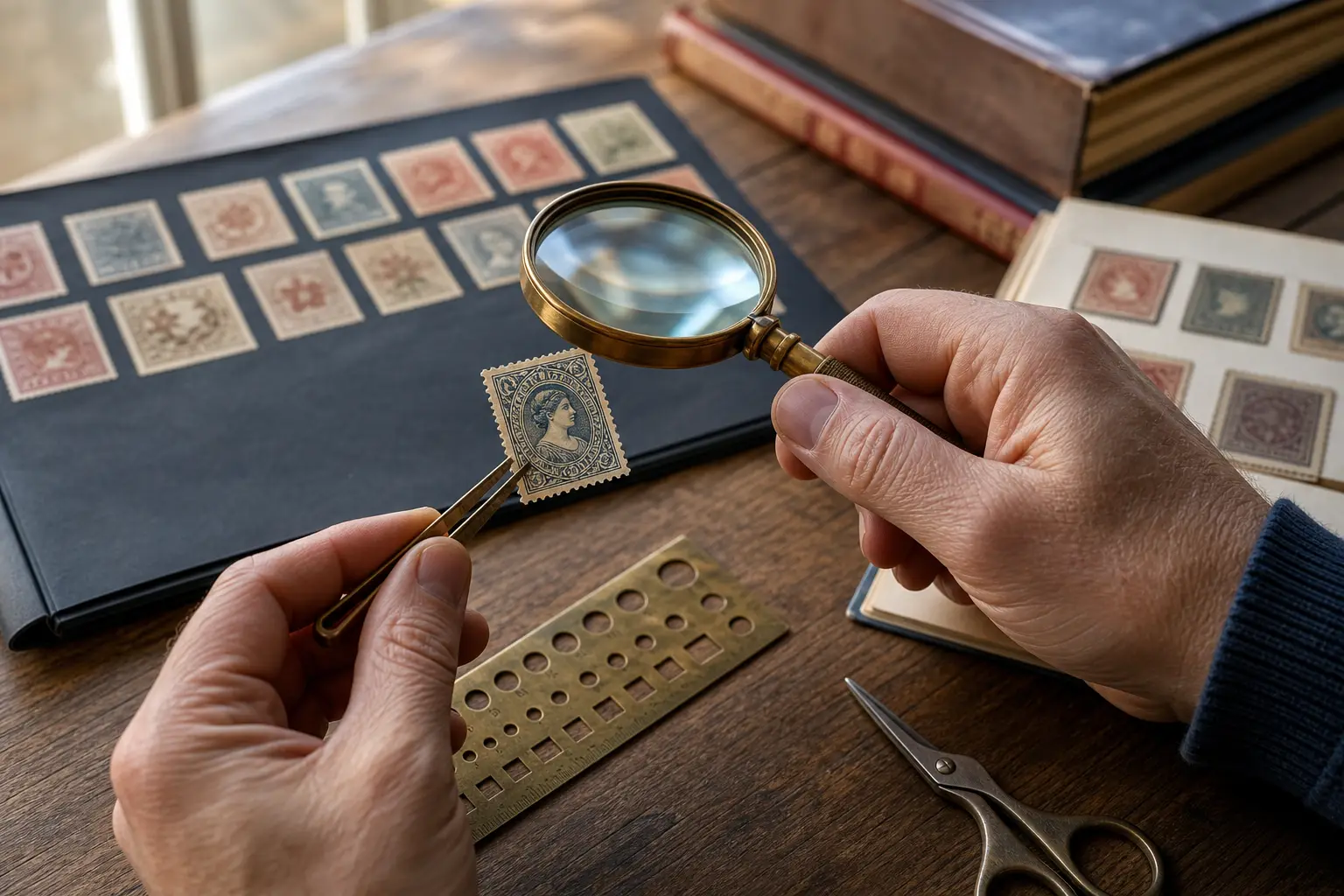
When working with older or potentially valuable stamps, practicing safe handling is critical. You should handle your stamps as little as possible to keep them in good condition. No matter how thoroughly you wash your hands, natural skin oils will transfer to the paper and cause gradual damage. Always use professional stamp tongs to handle your stamps. Tongs resemble tweezers but feature smooth gripping surfaces designed specifically to prevent tearing or creasing the paper.
To examine the fine details of a monarch's portrait, a high-quality magnifying glass is indispensable. Some stamps may appear identical at first glance, but close inspection can reveal minor design variations. Choose a magnifying lens with at least 5x to 10x magnification that magnifies clearly without distortion. Selecting a magnifier that folds into a protective case will also prevent the lens from getting scratched during storage.
Confirming Varieties with Gauges and Catalogs
Once you have identified a stamp as an issue of Great Britain, you can narrow down the specific variety by analyzing its physical characteristics. Many stamps share the same central design but differ in their perforations, which are the small holes that make separating stamps easier. A perforation gauge made of cardboard, plastic, or metal makes measuring these holes simple. By sliding your stamp along the gauge's scales until the perforations match exactly, you can determine the precise measurement without counting manually.
A stamp catalog will also help you identify other hidden details, such as watermarks or specific paper types. These reference books outline how the stamp was printed, why it was issued, and its estimated value in both used and unused conditions. Combining visual clues from magnification with catalog data ensures a highly accurate identification process.
Safe Storage and Mounting Practices
After successfully identifying your nameless stamps, storing them properly is essential to preserve their physical integrity and historical value. You should store your stamps in dedicated stamp albums or stock books. If you choose to use a photo album, ensure it uses acid-free paper and avoid any albums with sticky pages, as the adhesive on sticky pages will permanently ruin your stamps.
To secure your stamps inside an album, use specialized stamp hinges or clear plastic mounts. Hinges are thin, folded pieces of translucent paper or plastic with special gum on one side, while mounts are protective sleeves. Never use household tape or glue to secure stamps, as these adhesives will severely damage the paper and drastically decrease the stamp's value. Once safely mounted, you can log your collection in StampSnap to keep a secure, organized record of your philatelic journey.
Frequently asked questions
Why does Great Britain not put its name on its postage stamps?
Great Britain is the only country permitted to omit its name because it issued the world's very first postage stamp, the Penny Black, in 1840. Since no other countries had stamps at the time, there was no need to print a country name to distinguish its mail. This historical precedent remains an active tradition today, with the ruling monarch's portrait serving as the country identifier.
How can I tell which British monarch is on my stamp?
You can identify the monarch by studying the portrait or silhouette on the stamp. Queen Victoria appears on early classic issues, followed by subsequent kings and queens such as King George VI and Queen Elizabeth II. Using a magnifying glass with 5x to 10x magnification and comparing the image to illustrations in a stamp catalog will help you confirm the ruler's identity.
Can I use regular tweezers to handle my nameless stamps?
No, you should avoid using regular household tweezers. Household tweezers often have rough or ribbed gripping surfaces that can scratch, tear, or crease fragile stamp paper. Instead, always use professional stamp tongs, which are designed with smooth gripping surfaces specifically for handling stamps safely.
What is the safest way to mount my Great Britain stamps in an album?
The safest way to mount your stamps is by using specialized stamp hinges or clear plastic mounts. You must never use household tape or glue, as these adhesives will cause permanent damage to the paper and significantly reduce the stamp's value.