Introduction to Stamp Identification
When you encounter an unfamiliar postage stamp, determining its country of origin and the era in which it was produced is the first step toward understanding its history. Many early or foreign stamps do not clearly state their country of origin in English, which can make identification seem challenging at first. However, by using a systematic approach and the right philatelic tools, you can uncover the unique story behind any stamp in your collection.
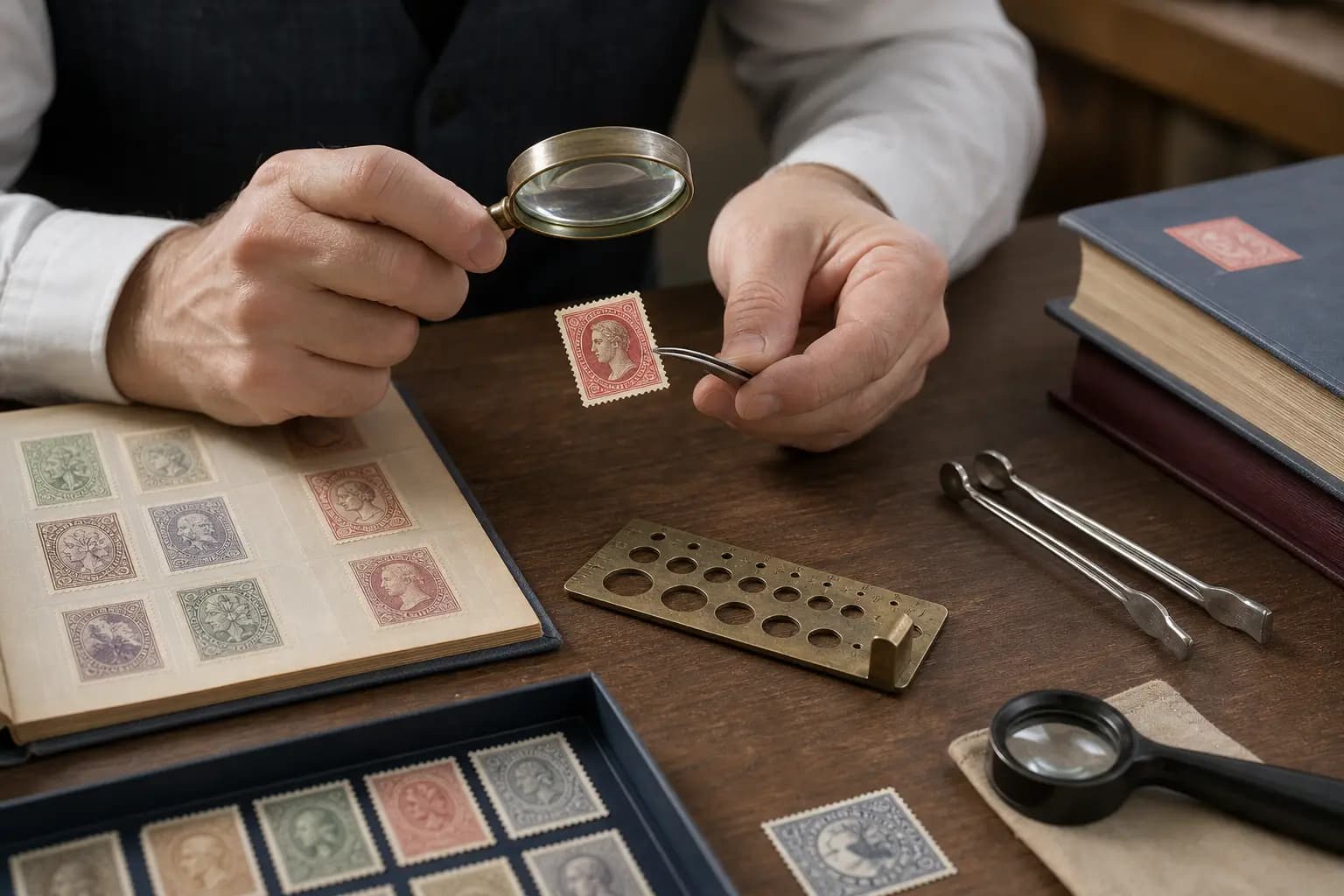
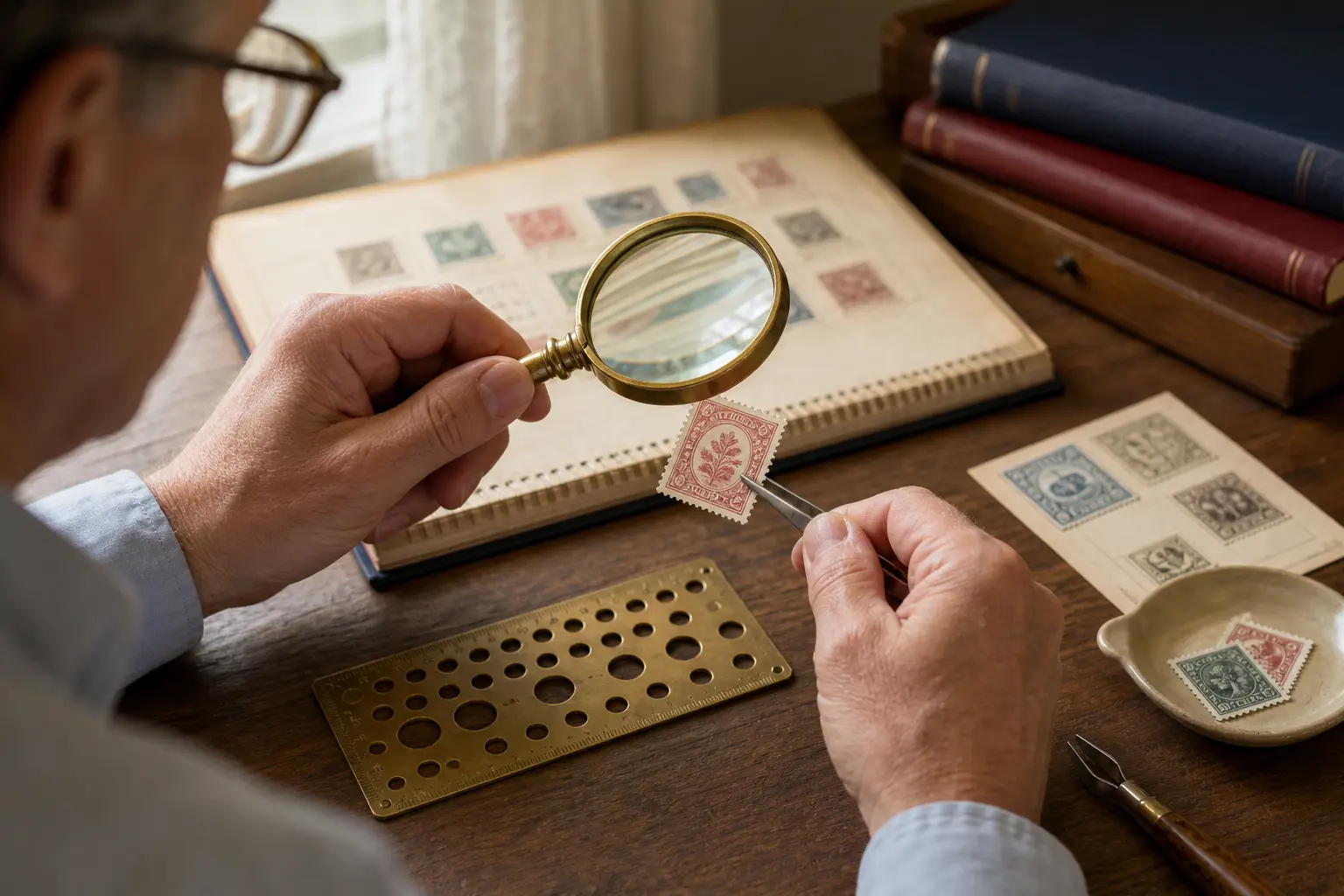
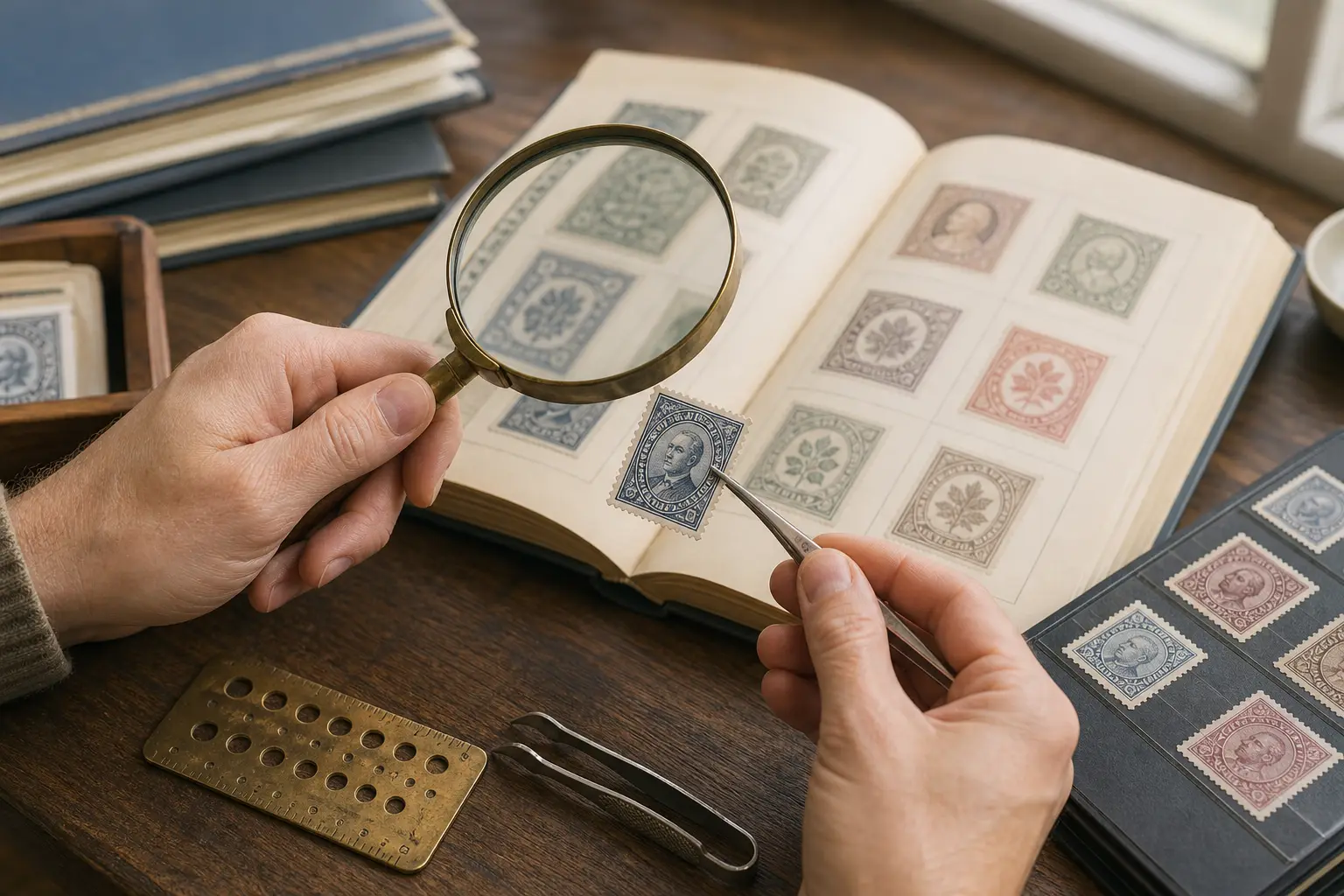
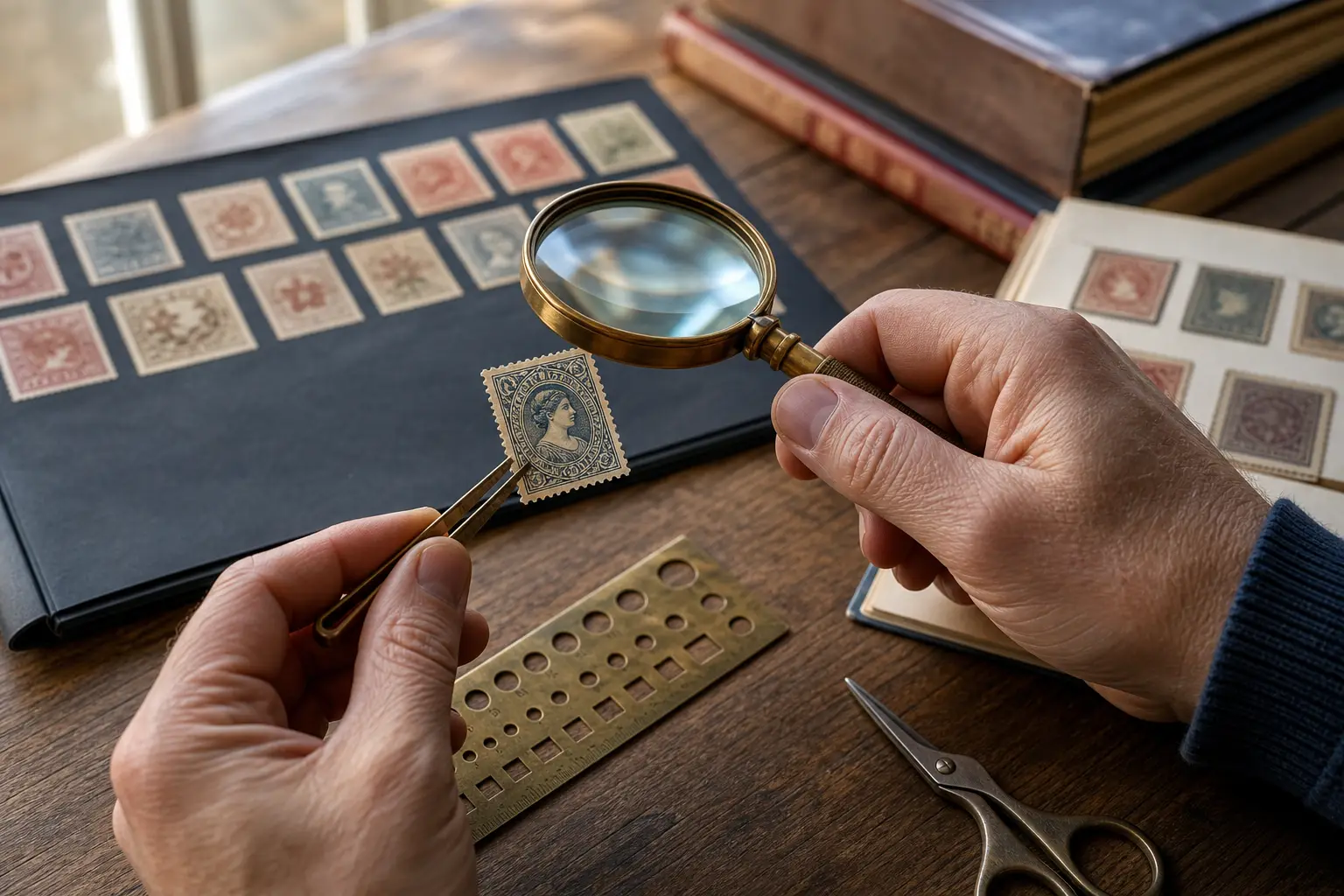
To begin, you will want to gather basic tools that protect and assist in your examination. Using stamp tongs is essential to prevent skin oils from transferring to the paper, while a magnifying glass helps reveal tiny design variations. You can use StampSnap to capture a clear image of the stamp, which can help generate a likely identification or create a digital collection record to guide your research.
Identifying Stamps Without a Country Name
One of the most common puzzles for collectors is finding a stamp that lacks a printed country name. There is a specific historical reason for this: only one country is permitted to issue postage stamps without including its name. Because Great Britain was the first country to issue postage stamps in 1840, it is allowed to omit its name, instead featuring an image of the ruling monarch, often located in the upper right-hand corner or as the central design.
If you find a stamp with a portrait of a monarch but no country name, it is almost certainly a British issue. For other stamps that appear unlabeled, remember that many countries do not use English inscriptions. You may need to consult an online country stamp identifier or a comprehensive stamp catalog to translate foreign terms and identify the issuing nation.
Recognizing Early Classics and Their Producers
Once you have established the country of origin, determining the era of production involves looking at the physical characteristics and historical context of the stamp. The world's very first postage stamp, the Penny Black, was issued by Great Britain in 1840. It cost one penny and featured Queen Victoria. Although these are the earliest stamps, millions were printed, meaning they are not automatically rare; a nice used copy can often be obtained for around $100.
In the United States, the first two postage stamps were issued on July 1, 1847, printed by the firm Rawdon, Wright, Hatch and Edson. These early classics consist of a five-cent red-brown stamp depicting Benjamin Franklin, the first U.S. postmaster general, and a ten-cent black stamp depicting George Washington. Recognizing these specific designs and printer styles helps you immediately place these stamps in the mid-nineteenth century.
Analyzing Physical Clues with Magnification and Gauges
To distinguish between look-alike stamps or different printings of the same design, you must examine the physical details closely. A magnifying glass with 5x to 10x magnification is highly recommended for this task. It allows you to inspect the fine lines of the design without distortion, helping you spot minor differences in engraving or text that define specific production runs.
Another critical tool is the perforation gauge, which measures the perforations—the holes between stamps that make them easy to separate. Rather than manually counting holes along a 20-millimeter edge, which can be confusing, you can place the stamp against the different scales of a cardboard, plastic, or metal gauge until the perforations match exactly. These measurements are vital because stamps with the same design were often issued with different perforation sizes in different years.
Distinguishing Modern Self-Adhesive Eras
As you move from classic issues to modern stamps, the physical composition shifts dramatically, particularly regarding how stamps are affixed and separated. For instance, in the United States, almost all self-adhesive stamps issued until 2007 could be removed from envelope paper by soaking them in water for about 20 minutes.
However, the United States Postal Service (USPS) later changed its printing specifications. Most current U.S. self-adhesives feature an oil-based backing rather than a water-soluble one. These modern stamps will not simply soak off in water and require an oil solvent to safely release them from the paper. Understanding this transition helps you quickly categorize modern self-adhesives into pre-2007 or post-2007 eras based on their reaction to water.
Utilizing Catalogs to Confirm Your Findings
After gathering visual and physical clues, a stamp catalog is your ultimate reference for confirmation. Available to borrow from many local libraries, a stamp catalog is filled with illustrations, issue dates, descriptions, and details on how each stamp was printed. It also provides the estimated value of stamps in both used and unused conditions.
By cross-referencing your perforation measurements, design details, and watermark findings with the catalog, you can confidently identify the exact variety and era of your stamp. You can then log these details alongside your digital records in StampSnap to keep your growing collection organized and safely documented for the future.
Frequently asked questions
Why do some stamps lack a printed country name?
Only Great Britain is permitted to issue postage stamps without including its country name because it was the first nation to issue them in 1840. Instead of a country name, these stamps feature an image of the ruling monarch, often located in the upper right-hand corner.
What were the first postage stamps issued by the United States?
The first two U.S. stamps were issued on July 1, 1847, and printed by Rawdon, Wright, Hatch and Edson. They consist of a five-cent red-brown stamp depicting Benjamin Franklin and a ten-cent black stamp depicting George Washington.
How do I safely separate modern U.S. self-adhesive stamps from paper?
While U.S. self-adhesive stamps issued before 2007 can generally be removed by soaking them in water for about 20 minutes, most post-2007 issues use an oil-based backing. These newer stamps will not soak off in water and require an oil solvent to safely remove them from paper.
How does a perforation gauge help identify different stamp varieties?
A perforation gauge allows you to measure the spacing of the separation holes along a stamp's edge. Instead of manually counting how many perforations fit along a 20-millimeter span, you place the stamp against the gauge's scales until they match exactly, helping you identify specific stamp varieties.